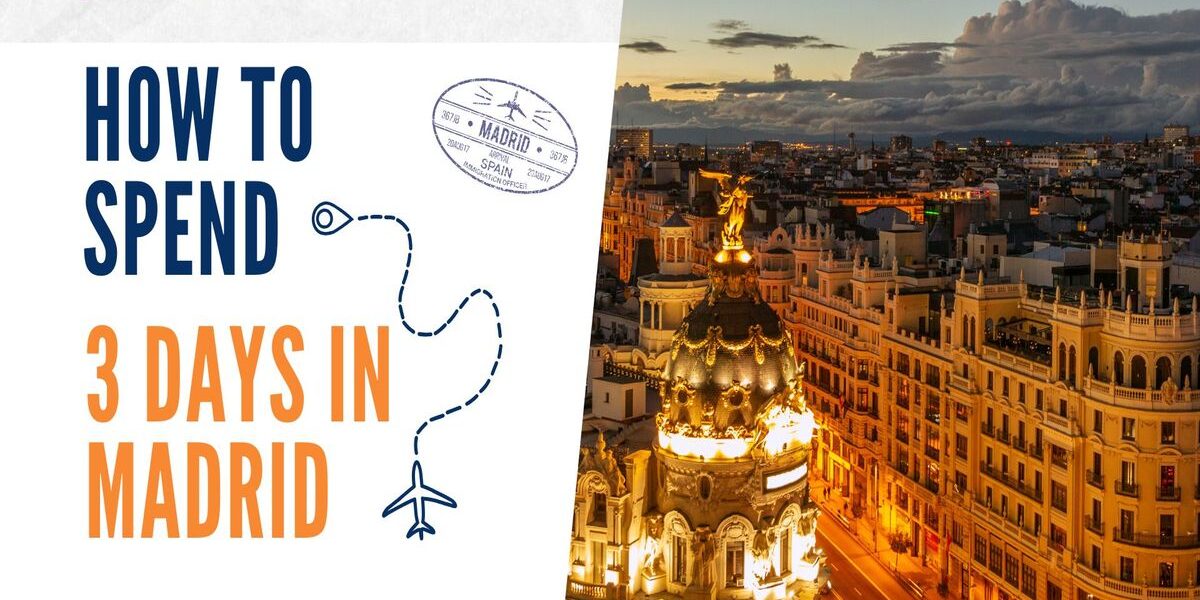

Madrid, the capital of Spain is a dream vacation destination for countless people. That’s because it’s a vibrant, historic city with passionate days and nights. But how do you really experience Madrid in just three days and not simply tick off the famous landmarks, but be able to blend in and feel the true heartbeat of this incredible city? To make you feel less like a tourist and more like a real Madrider, we’re going to give you an in-depth look at our three-day Madrid tour.
Traveling is all about feeling, tasting, listening and connecting, with a focus on finding those hidden corners, the locals and those moments that make a place truly sing. This weekend’s trip to Madrid will be your symphony. Get ready for this journey and see what Madrid has to offer.
Our Catalog Here
The Best Month to Go to Madrid
Detailed Itinerary of How to Spend 3 Days in Madrid
Day 1-History & Royal Palace Walk
Day 2-Art & Scenery Tours
Day 3-Local Culture & Farewells
Other Things to Do in Madrid
Quick Tips for a 3-Day Trip to Madrid
Best Neighborhoods to Stay in
Public Transportation Tips
Where to Eat Like a Local
The Best Month to Go to Madrid
If you ask me, and many locals will agree, the best seasons to visit Madrid are spring (April to May) and early fall (September to October).
Why these two seasons? It’s simple: the weather. Madrid has a continental climate with large temperature differences between winter and summer, with average temperatures ranging from 1-10 degrees Celsius (33-50°F) in the coldest months and 20-35 degrees Celsius (68-95°F) in the hottest months.
Spring, especially April and May, is a fantastic season. The whole city is in full bloom, parks like El Retiro offer the most beautiful views and the air is crisp and clean. It’s possible to comfortably stroll through the charming streets, enjoy the outdoors, and soak up the sun without feeling like you’re melting. The average temperature hovers between a comfortable 15-25°C ( 60-70°F), making it perfect for walking tours.
Early fall, especially September and October, is equally good for visiting. The heat of summer has receded, leaving behind mild and pleasant temperatures. You may also catch the local harvest festival in September and the food festival in October.
If you can, try to avoid August unless you like the heat and don’t mind enjoying a slower pace with the many vacationing locals. While winter has its festive charms, especially around Christmas, it can limit your desire for extensive outdoor exploration. Therefore, for the ideal balance of pleasant weather and lively local atmosphere, spring and early fall are your best bet for 3 days in Madrid.
Detailed Itinerary of How to Spend 3 Days in Madrid
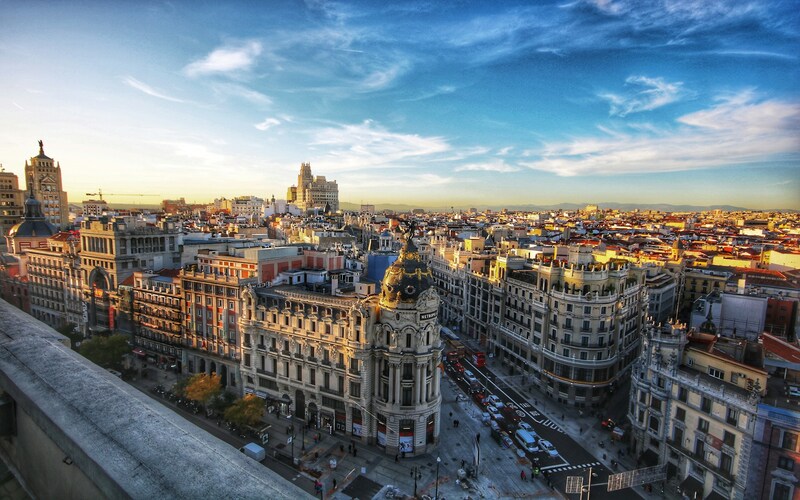
Now, let’s get down to business: a three-day tour of Madrid. This is more than just a list of places to see; it’s a carefully curated journey designed to give you a real taste of Madrid. We’ll explore different neighborhoods, delve into the arts, sample incredible cuisine, and experience the city’s unique rhythm. This will be a self-guided adventure. Don’t rush from one attraction to the next, take your time, sip your coffee, and let serendipity be your compass.
Day 1-History & Royal Palace Walk
On our first day in Madrid, we begin in the heart of the city, where history and grandeur are intertwined with everyday life.
Morning
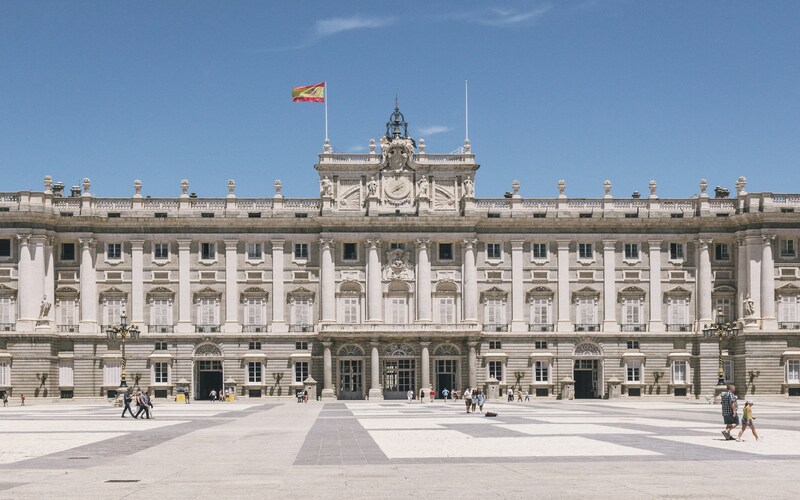
Let’s set off to Palacio Real also known as the Royal Palace of Madrid, the palace that Carlos III to Alfonso XIII used as a residence and the largest palace in Europe. Here you can admire the centuries-old building, built in 1735, and scrutinize the chandeliers, furniture, ceramics, etc. inside. Besides that, there is also an armory and a gallery of paintings inside the palace, as well as one of the best-preserved royal kitchens of any palace in Europe to visit.
But here’s a local tip: sometimes the real grandeur is best appreciated from the outside, and a stroll through the neighboring Sabatini Gardens is the perfect complement. These formal gardens offer magnificent views of the palace and are a peaceful escape from the world that should not be missed.
After visiting the Palace go to the neighboring Catedral de la Almudena. This is the main church of Madrid, built in the French Goethean style for inspiration, and has a brightly colored dome for viewing on the inside. Its construction spanned more than a century and skillfully blended various architectural styles. You can step inside the cathedral for a moment of quiet reflection or just admire its impressive exterior.
Noon
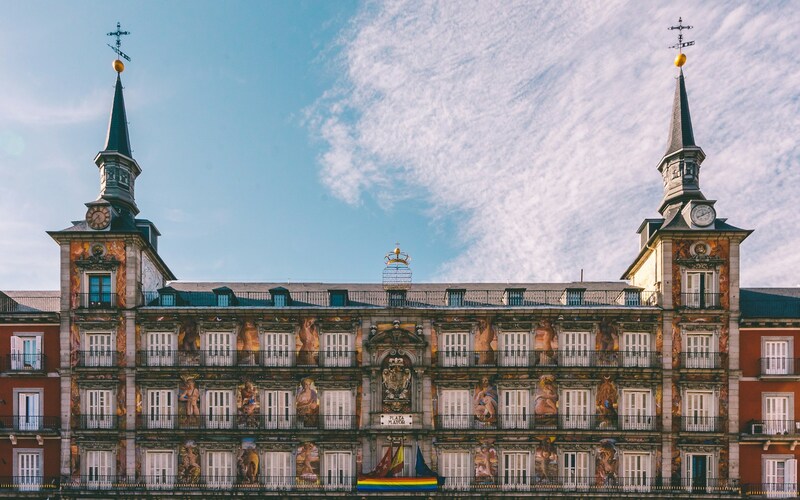
After exploring both sites, you may be feeling a little tired so it’s time to look for some local Spanish food to energize you. Head to Plaza Mayor, where there are two stores that locals would recommend. The first is Sobrino de Botín, which was founded in 1735 and is the oldest restaurant in the Guinness Book of World Records. Top picks are the store’s Sangria Nine and Cochinillo Asado Con Patatas Y Solomillo Botin Con Champiñones.
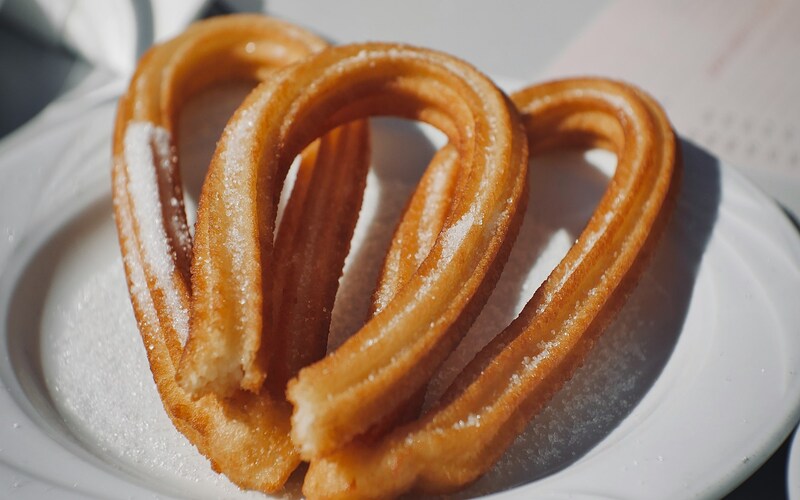
Afterward, let some desserts whisk away the fatigue, Chocolatería San Ginés was founded in 1894, and be sure to try its signature chocolate churro!
Afternoon
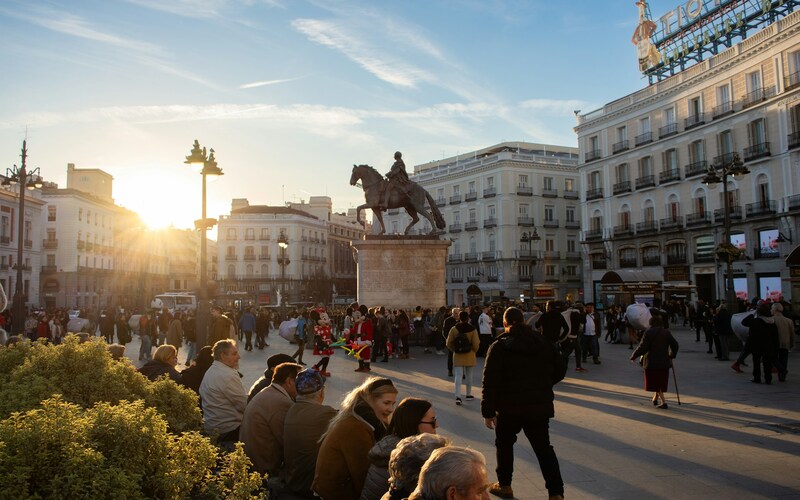
Let’s start our afternoon with Puerta del Sol, often considered the center of Spain. It’s not just a bustling square, it’s a vivid portrayal of life in Madrid. Look out for the “Kilometer Zero” plaque, which marks the beginning of Spain’s radial highway network. And, of course, Madrid’s iconic sculpture, El Oso y el Madroño (The Bear and the Strawberry Tree). This plaza is vibrant and crowded, with street performers and the bells of the Casa de Correos clock tower clanging rhythmically.
From here it’s a 20-minute walk to El Retiro Park, where more than 15,000 trees are planted, providing Madrid with a unique natural beauty. The park is a green oasis for the city and hosts many events, plus many famous statues and fountains, making it a natural attraction that can’t be missed when in Madrid.
Evening
When night falls, Madrid comes alive. It’s time for one of Madrid’s most quintessential experiences: finding different tapas. Tonight, we’ll forget about formal dinners; we’ll dine like the locals – standing at the bar, sharing small plates, and hopping from place to place.
Head to the La Latina neighborhood. This area, especially around Calle de la Cava Baja, is home to a collection of taverns to experience authentic Spanish nightlife! The charm of tapas is its diversity. Try the patatas bravas, tortilla española, jamón ibérico and boquerones fritos with a glass of beer or red wine. The atmosphere here is lively, with lots of conversation and laughter. Don’t be shy, embrace the tradition of eating standing up and order a few things at each place. It’s not just about the food, it’s a social ritual.
Day 2-Art & Scenery Tours
Time for day two, where we’ll delve into Madrid’s neighborhoods, take an artistic tour, discover some lesser-known gems, and continue our culinary journey.
Morning
Madrid is home to the unrivaled “Golden Triangle of Art”, made up of the Prado Museum, the Reina Sofia Museum, and the Thyssen-Bornemisza Museum. During the morning hours, I recommend that you visit only one of these museums so that you can really appreciate the art without getting museum fatigue.
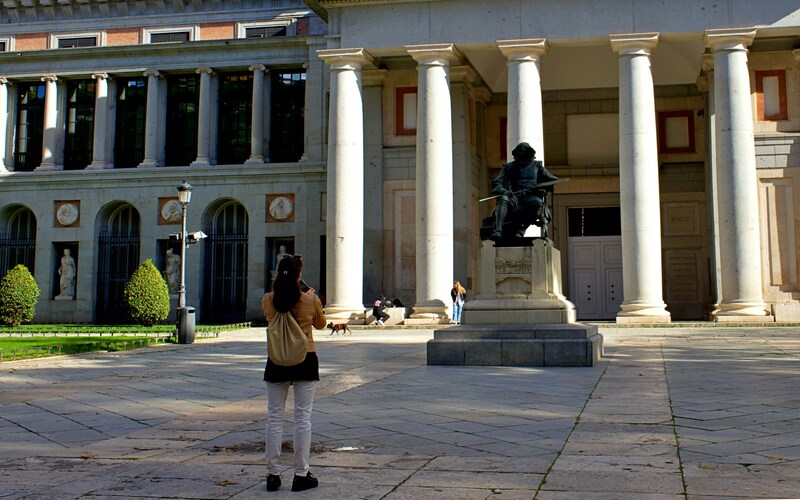
Then go to the Prado Museum. The Prado Museum is a treasure trove of European art, especially the works of Spanish masters Goya, Velasquez, and El Greco. The collection here is vast, so don’t try to see everything. My advice? Look for Velasquez’s “Las Meninas” – a masterpiece that will make you think about art, reality, and perception. Booking tickets in advance online is a smart way to save time.
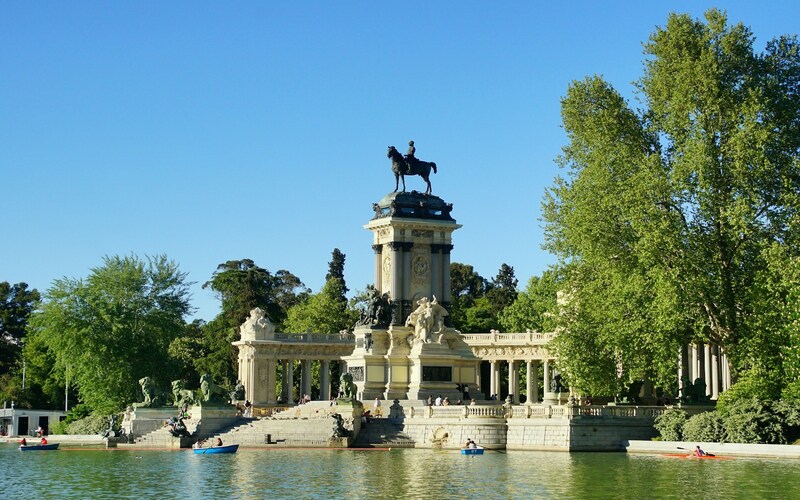
While your head is full of masterpieces, it’s time to get some fresh air and a taste of local life. A 16-minute walk from the Museum of Art is the beautiful Palacio de Cristal and the monument to Alfonso XII, a stunning glass building that regularly hosts art exhibitions. It’s the perfect place to relax after the intellectual stimulation of the Prado.
Noon
Head to the Lavapiés district at noon, Madrid’s most multicultural neighborhood, a melting pot of cultures bursting with undeniable energy. Here you’ll find incredible street art, independent stores, and a truly authentic atmosphere. Grab a coffee and a pastry from a local bakery and wander the streets.
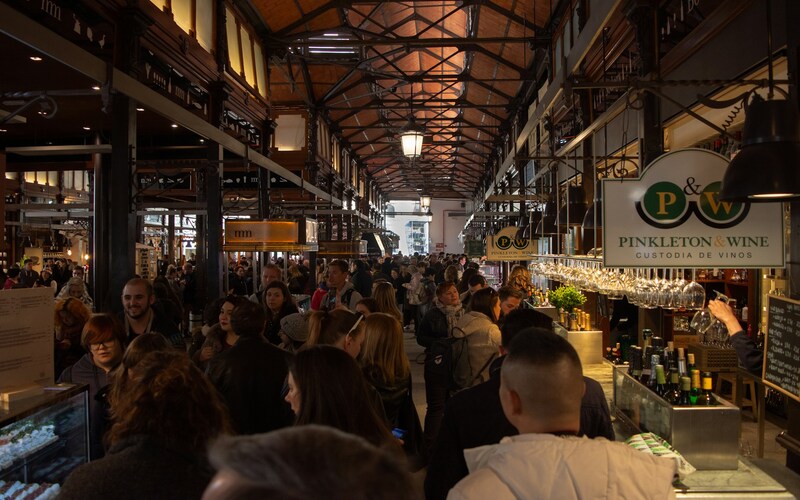
If it’s Sunday, you can’t miss Madrid’s famous open-air flea market, El Rastro, which takes over the streets of La Latina and Lavapiés. The stalls here are full of everything from antiques and vintage clothing to crafts and curiosities. Next, head to the Mercado de San Fernando. The Mercado de San Fernando has a more local feel to it than the other famous food market, the Mercado de San Miguel. There are traditional food stalls as well as new and innovative makeshift tapas bars.
Afternoon
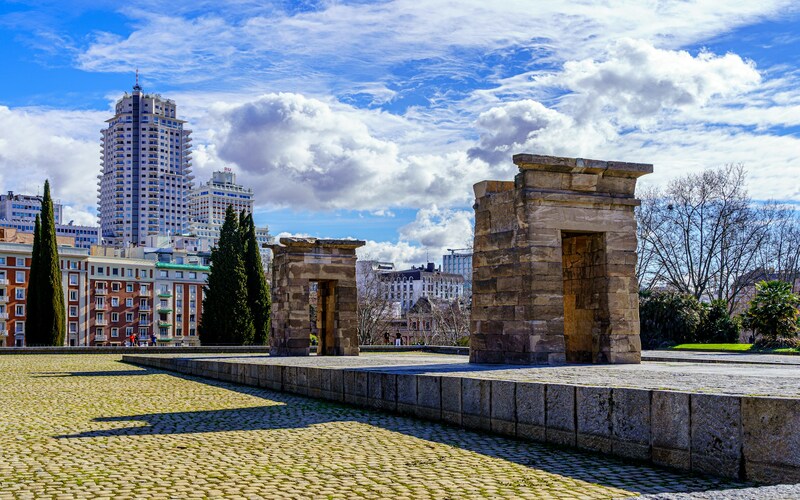
After lunch in the local neighborhood, we can take the metro to where you can visit Templo de Debod. This ancient Egyptian temple gifted to Spain is located in the beautiful Parque de la Montaña. Not only is it an archaeological marvel, but it’s also the best place to watch the sunset in Madrid. Find a cozy spot on the grass and join the locals as you watch the sun drop below the horizon, casting a golden glow over the ancient stones of the city and the temple. It will be an amazingly peaceful and contemplative experience in the center of a bustling city.
Evening
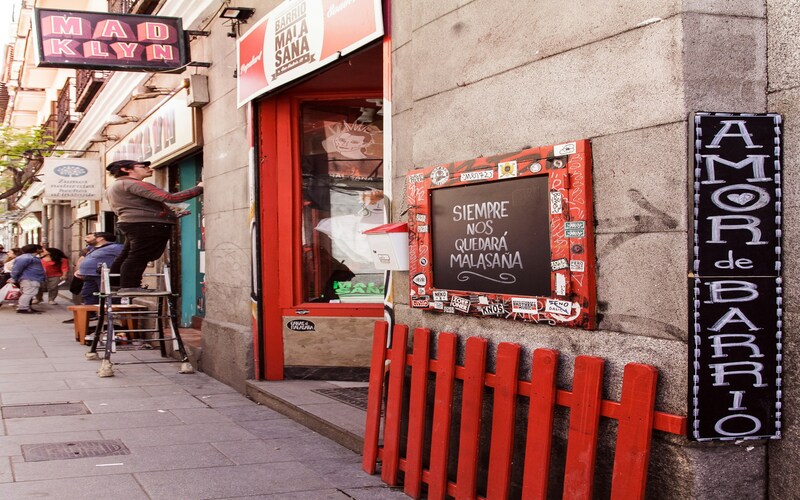
On the second night, let’s explore Malasaña. Located right next to the temple, this bohemian neighborhood is synonymous with La Movida Madrileña, the Madrid counterculture movement of the 1980s. Today, it’s home to antique stores, independent boutiques, cool cafés and lively bars. Young and vibrant, it’s a great place to stroll and soak up the atmosphere.
For dinner, consider forgoing the traditional tapas for a while and try something different but still authentically Spanish. For example, Restaurante Dantxari offers Basque cuisine, with Txangurro A la Donostiarra and Croquetas de bacalao y Jamon being popular dishes.
After dinner, enjoy the nightlife of Malasaña. Whether you prefer a laid-back bar with craft beer, a cocktail bar, or a place with live music, Marasana has it all. Don’t eat dinner before 9 p.m. The party usually doesn’t get going until much later. Enjoy the Spanish routine, where you can mingle with the locals.
Day 3-Local Culture & Farewells
Even though we didn’t want to , it still came to the last day. On your last day in Madrid, you will savor the calm side of the city and say goodbye to it.
Morning
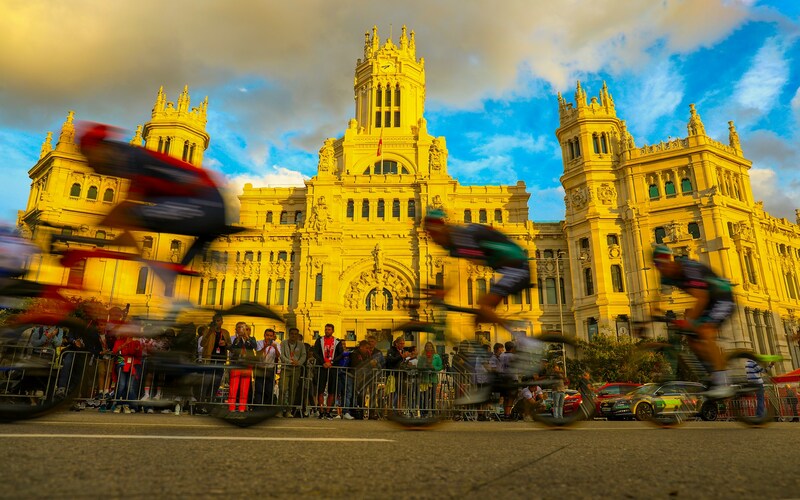
To start the day at a more relaxed pace, let’s start with a delicious ham. Head to the Museo del Jamón for the best selection of hams and sausages. It’s a different perspective than the day before. Afterward, stroll to Plaza de Cibeles. This iconic plaza is home to the stunning Cibeles Fountain, where Real Madrid fans celebrate their victories, and the majestic Palacio de Cibeles, which houses the Town Hall and offers panoramic views from the observation deck. It’s a grand and beautiful space that gives a unique Madrid feel.
Continue along the grand boulevard to the Puerta de Alcalá, a magnificent neoclassical triumphal arch. It’s a popular spot for photos and a symbol of the city.
Noon
For lunch, consider a visit to the Mercado de la Paz in Salamanca’s upscale neighborhood. This more traditional market has a different vibe than San Miguel. With fresh produce, meats and fish, and authentic eateries, you’ll be able to eat simple yet delicious food. This is a great way to experience a local market on the last day of your trip.
Afternoon
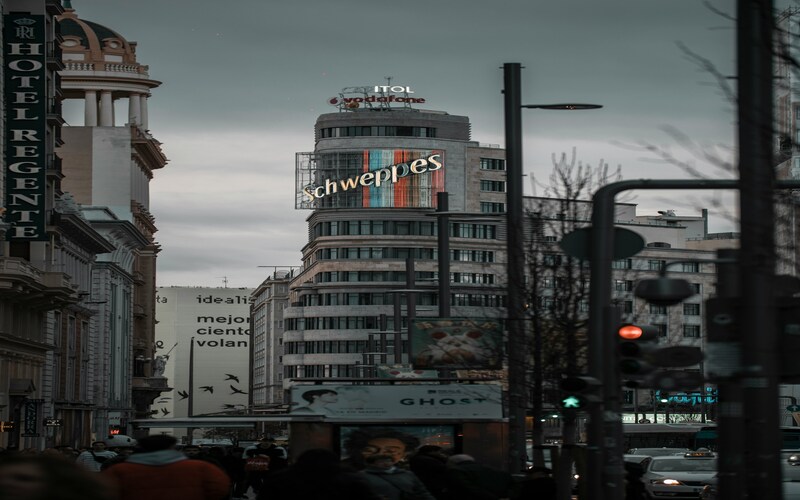
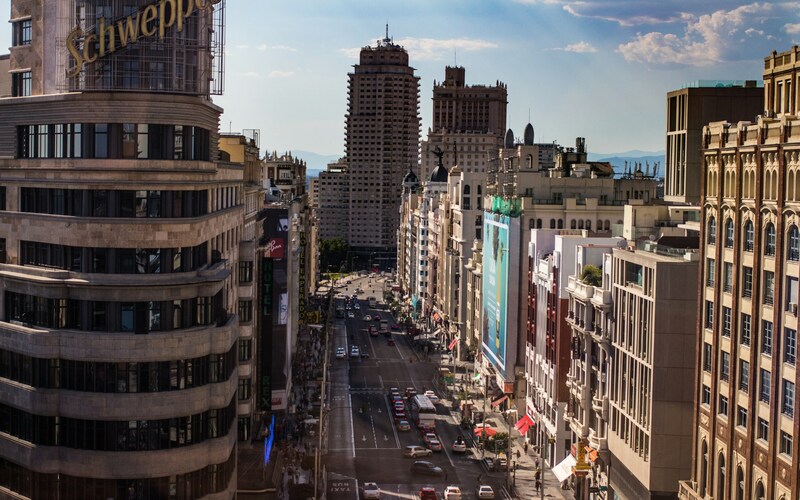
After lunch, you can take a 30-minute stroll along the main street to the famous Spanish Broadway, Gran Vía, a beautiful street that is more than a hundred years old and is lined with countless stores and souvenir shops. It is the perfect destination for a last day of shopping.
If you have a little more time, you can also head a short distance away to the Chueca district, a vibrant, gay-friendly neighborhood famous for its rainbow crosswalks and cozy sidewalk cafes, tapas bars, and restaurants.
Evening
I hate to say goodbye, but 3 days in Madrid is coming to an end. For dinner, consider sampling traditional raciones (large plates of dishes for sharing) at a local restaurant. Near Plaza Mayor, you can find franchises of traditional Madrid dishes such as calls a la madrileña or fried bocadillo de calamares, and don’t judge a calamari sandwich until you’ve tried it! It’s a surprisingly delicious and iconic Madrid snack.
After dinner, round off your Madrid adventure with a drink at one of the city’s many rooftop bars. The rooftop terrace at the Circulo de Bellas Artes Hotel offers particularly spectacular panoramic views of Madrid. Here you can look back on your journey and say adiós to this magnificent city.
Other Things to Do in Madrid
If you’re planning a longer stay in Madrid than just a long weekend trip, there’s more exciting things to do for you here. For sports fans, watching a soccer match at the respective stadiums of Real Madrid or Atletico Madrid (Santiago Bernabeu Stadium and Metropolitano Stadium) is an experience like nothing else.
If you’re a bookworm, consider a visit to the Biblioteca Nacional de España, a magnificent institution with an extensive collection of Spanish literature.
For those who love to see natural beauty, consider a visit to the Faro de Moncloa, an observation tower that offers stunning views of the city and beyond, especially at sunset. Speaking of views, take a ride on the Teleférico de Madrid cable car that glides over the Casa de Campo park for an aerial view of the city.
So whether you’re looking to spend a long weekend in Madrid or planning your next trip, know that there’s always more waiting for you in this ancient yet innovative city.
Quick Tips for a 3-Day Trip to Madrid
To make the most of your 3 days in Madrid, a few clever tips can make all the difference.
Best Neighborhoods to Stay in
Retiro: one of the city center’s living areas, built around the famous El Retiro, a park with wooded walks, fountains, and a lake where you can go boating. It is a favorite outdoor sports spot for Madrid residents, in a beautiful setting. The streets are lined with open-air cafes, hotels, and boutiques, as well as the famous Prado Museum and the Palacio de Cibeles.
Moncloa – Aravaca: A tree-lined, green environment with many parks and attractions, such as the Oriental Garden, the Madrid Zoo, and the Temple of Debod. Public transportation is very convenient, with easy access to the city center area. The area has excellent living facilities, with a mature living business district with stores, parks, restaurants, etc., and all kinds of entertainment and shopping facilities.
Centro: This is the heart of Madrid, perfect for first-time visitors who want to be just steps away from the main attractions such as Puerta del Sol, Plaza Mayor, and the Royal Palace. It’s bustling with public transportation, stores, restaurants, and hotels for all budgets. However, it can be a bit noisy at times with more tourists.
When making your choice, consider your travel style and budget. If it’s your first time in Madrid, it’s often most convenient to stay in Centro or Retiro.
Public Transportation Tips
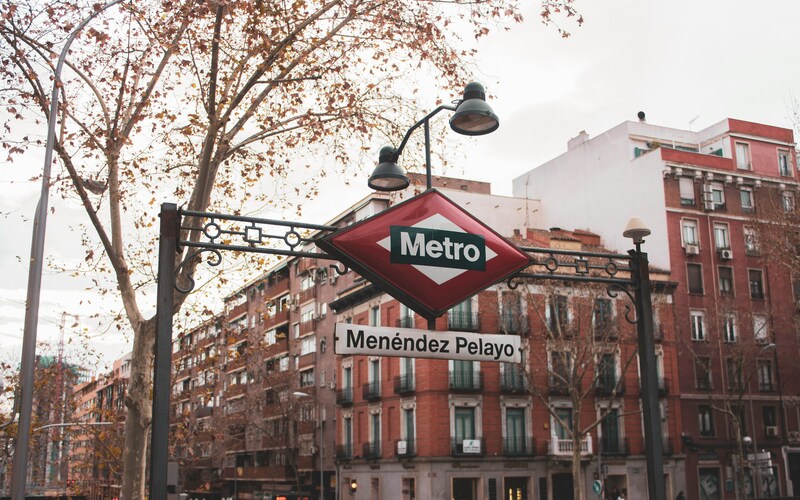
Metro: Madrid’s metro is one of the most convenient means of transportation, covering a wide area and providing access to almost the entire city and its surroundings. Each line has a color and number, so remember to plan your route first to avoid going to the wrong station.
Bus: Buses are divided into green buses and blue buses. Green buses are mainly responsible for connecting the city center to the suburbs or other towns, while blue buses run mainly within the city and provide shorter services. Frequent trips are suitable for short trips.
Trams: Trams are not common in Madrid, but are laid in some areas. Compared to buses, trams can be a bit faster and the ride is relatively smooth.
Where to Eat Like a Local
Dining like a local in Madrid is an experience in itself. It’s not just about the food, but also about the pace of the day, the social aspect, and knowing where to find authentic flavors.
La oreja de Jaime: This is a Spanish tapas restaurant, the most famous dish is the fried pig’s ear, which is popular among tourists from all over the world. And Vino Rebeiro, an unfiltered Galician white wine.
La Mallorquina: This is a famous cake store, opened in 1894. Strawberry cake and carrot cake are recommended.
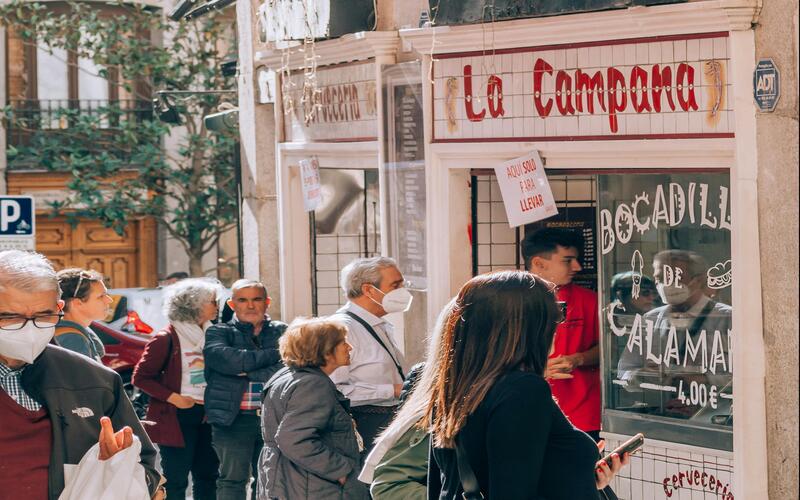
Bar La Campana: Located in Plaza Mayor, the main dishes are fried seafood and fried calamari sandwiches.
Dudua Palacio Restaurante Mediterráneo:48-year-old restaurant specializing in Spanish Mediterranean cuisine. The main recommendations are paella and Iberian ham with an omelet.
Caracola Antón Martín: Known as the best tortilla and cheesecake in Madrid, with a large selection of flavors, we recommend the pistachio and lotus-flavored cheesecake.
Conclusion
And so it was that we had an interesting but deeply immersive journey through the heart of Madrid. Learning about what to see in Madrid in 3 days, we explored the grand architecture, took in the bohemian vibe, sampled the food, and developed a deeper connection with the city.
Remember, the best way to experience Madrid like a local is to let go of the formalities, embrace the late nights, try new things, and let yourself get lost in the charming European streets.
These 3 days in Madrid are just a delicious appetizer of what this incredible city has to offer. But if you follow this guide, you’ll be left with more than just photos – you’ll be left with stories, flavors, and the remnants of your true experience of the soul of Spain’s enchanting capital. ¡Buen viaje!
FAQ
Are 3 days in Madrid enough?
3 days is definitely enough to see Madrid’s main attractions and get a feel for the city. Of course, spending a week or so will allow you to cover more of the city.
How do tourists get around in Madrid?
Visitors mainly explore Madrid through a combination of walking and public transportation. The city center is very walkable and you can easily walk from one main attraction to another. For longer distances or if you want to take a break, the Madrid Metro is efficient, extensive, and easy to navigate. Buses are also a great option for enjoying the city from ground level.
What can I bring home from Spain?
Bringing Spain home is part of the fun! Here are some popular and authentic souvenirs you can find in Madrid:
Jamón Ibérico: This exquisite cured ham is a gastronomic delight, and you can buy it vacuum-packed.
Spanish wines: Rioja, Ribera del Duero, or a refreshing Cava are all good choices.
Saffron: a key ingredient in Spanish cuisine, often more affordable and of higher quality than elsewhere.
Turrón: a traditional Spanish nougat, especially popular at Christmas time but available all year round.
Flamenco clothing or accessories: If you have a penchant for flamenco, consider buying a small fan, a shawl, or a piece of flamenco-inspired jewelry.
Real Madrid or Atlético Madrid merchandise: If you are a soccer fan, the equipment of the famous Madrid club is a must.
Leather goods: Spain is famous for its quality leather goods, including handbags, wallets, and shoes.




There are no comments.