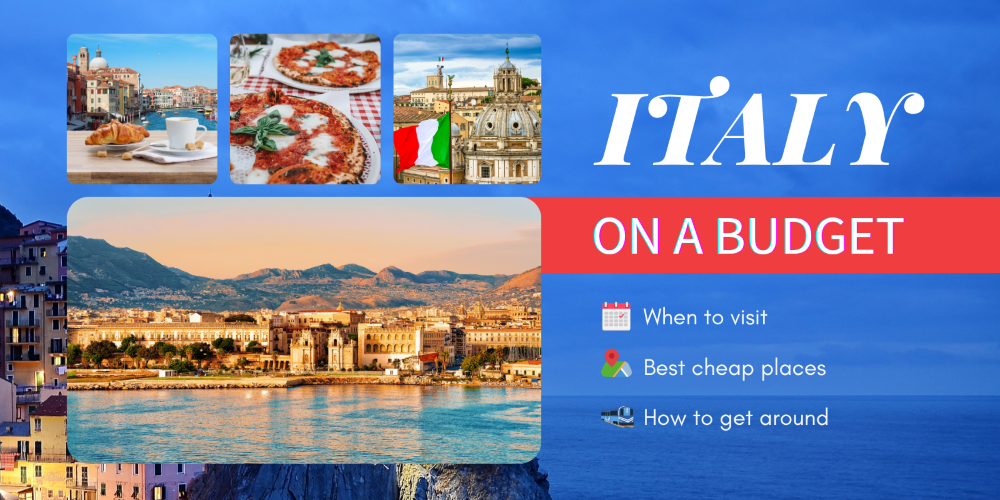

Italy can be expensive, especially in major tourist hotspots like Venice, Florence, Rome (in central areas), the Amalfi Coast, and during peak season. However, it’s entirely feasible to explore Italy comfortably for around €70-€100 per person per day, covering accommodation, food, transport, and some attractions. For the truly frugal, this could even be trimmed down to €50-€60 with careful planning.
This guide is dedicated to helping you budget your trip to Italy without missing out on the fun. Get ready to discover how to make your Italian dream a reality within reach!
Departure from: Rome | Venice | Florence | Milan
When is the Cheapest Time to Go to Italy?
Italy’s tourist seasons have the biggest impact on prices. In general, high summer (June–August) is the most expensive period – flights, hotels, and tours all peak with the crowds. For the most budget-friendly experience, consider visiting during the shoulder seasons: April-May (excluding Easter week) and September-October. The weather is warm enough for exploring but without the oppressive summer heat – and you’ll find fewer crowds and more reasonable prices.
March and November can also offer significant savings, though the weather can be more unpredictable, with cooler temperatures and a higher chance of rain, especially in the north.
Winter (December to February), excluding the Christmas and New Year period and Carnival in Venice, is another excellent time for planning a trip to Italy on a budget, particularly for city breaks. You’ll find the lowest prices for accommodation and flights, and a more local, less tourist-saturated atmosphere. However, some attractions, especially in coastal or rural areas, might have reduced hours or be closed.
How far in advance should you plan? For flights, booking 3-6 months ahead, especially if traveling during shoulder seasons, usually yields the best deals. For accommodation, particularly if you’re eyeing specific budget-friendly guesthouses or popular hostels, booking 2-4 months out is wise. If you’re flexible, last-minute deals can sometimes be found, but it’s riskier for a tightly budgeted trip.
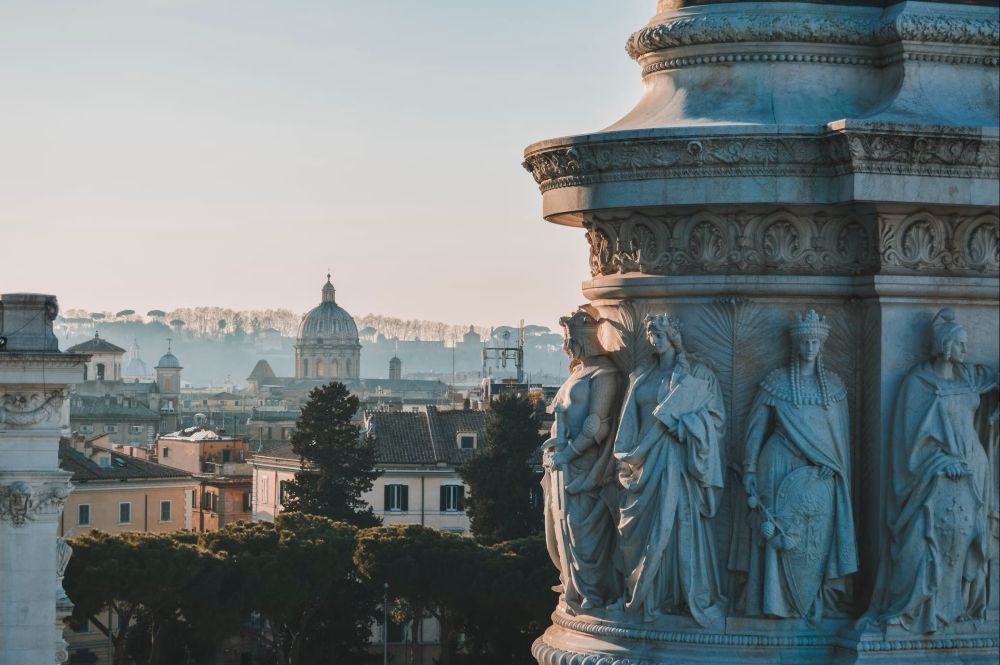
How to Get to and Around Italy on a Dime
Whether you’re flying in from abroad or hopping between cities, Italy offers plenty of cost-effective transport options. With a mix of budget airlines, regional trains, and long-distance buses, getting around efficiently doesn’t require a big budget—as long as you plan ahead and know where to look.
International Flights
Start by using flight comparison websites (Skyscanner, Google Flights, Momondo) and be flexible with your departure/arrival airports. Sometimes flying into a smaller, secondary airport near your target city (e.g., Milan Bergamo instead of Malpensa, or Rome Ciampino instead of Fiumicino) can save you a considerable amount. Budget airlines like Ryanair, EasyJet, and Wizz Air offer extensive routes to Italy.
Transport within Italy
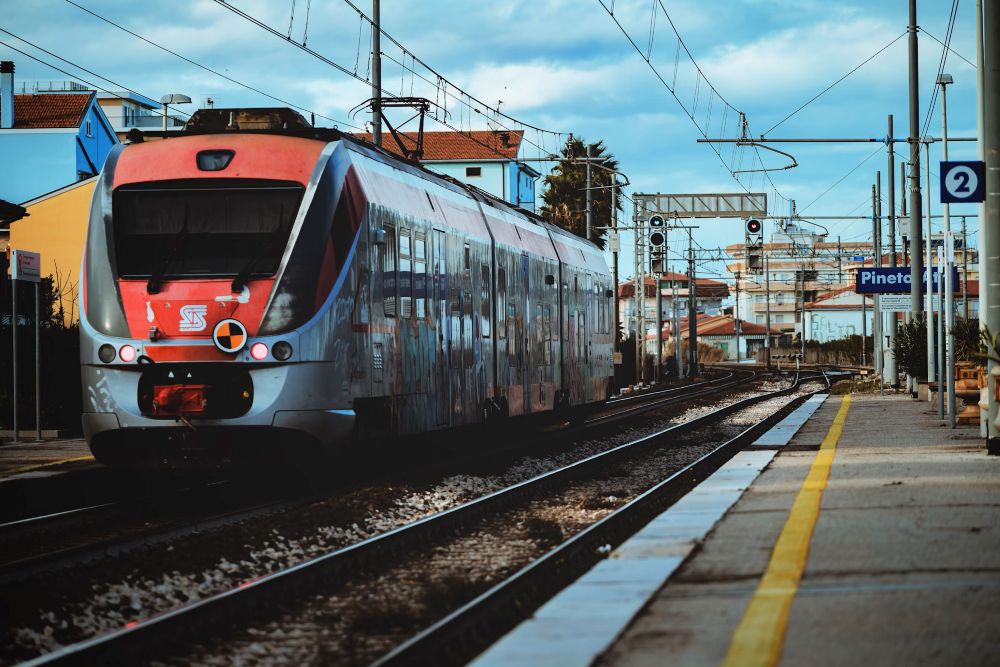
Trains. Italy has an excellent rail network. For the cheapest way to travel within Italy by train, opt for the slower Regionale trains over the high-speed Frecciarossa or Italo trains. Regionale trains are much cheaper, connect most towns and cities, and don’t require advance booking (though buying online or via app can save time at the station). If you do need a high-speed train for a long journey, book as far in advance as possible for discounted fares. Trenitalia (the state railway) and Italo (a private competitor) often have promotions.
Buses. Intercity buses (e.g., FlixBus, MarinoBus, Itabus) are often the absolute cheapest option, especially for longer distances. They take longer than trains but can offer significant savings. They also serve some routes not covered by rail.
Ride-sharing/carpooling. Services like BlaBlaCar can be a cost-effective and social way to travel between cities, though they require more flexibility.
Avoid taxis. Taxis are expensive in Italy. Rely on public transport within cities (buses, trams, metros).
On foot. Don’t forget that Italy’s historic centers are very walkable. Once you’re in a city, walking as much as possible will stretch your budget further (and you might discover hidden gems along narrow side streets). Combine a bit of walking with local buses or metro for any longer hops within a city.
Finding Affordable Places to Stay in Italy
Accommodation will likely be one of your biggest expenses, but there are plenty of ways to find cheap places to stay in Italy.
Hostels. Ideal for solo travelers or groups on a tight budget. Italy has a good network of hostels, especially in major cities and tourist spots. They offer dorm beds and often private rooms at lower prices than hotels. Look for hostels that include breakfast or have kitchen facilities.
Agriturismi (farm stays). Particularly in regions like Tuscany, Umbria, and Sicily, agriturismi offer a unique and often budget-friendly experience. You can stay on a working farm, enjoy home-cooked meals, and experience rural Italian life.
B&Bs and guesthouses (affittacamere). These can offer a more personal touch than hotels and are often cheaper. Options slightly outside the main tourist center can offer better rates.
Monasteries and convents. Some religious guesthouses offer simple, clean, and inexpensive rooms. This can be a peaceful and unique option.
Apartment rentals. Websites like Airbnb and Booking.com list apartments. Renting an apartment with a kitchen can save money on food as you can prepare some of your own meals.
Location, location, location. Staying just outside the historic centers can drastically reduce costs. Ensure your chosen accommodation has good public transport links to the main sights.
Planning Sightseeing & Activities on a Budget
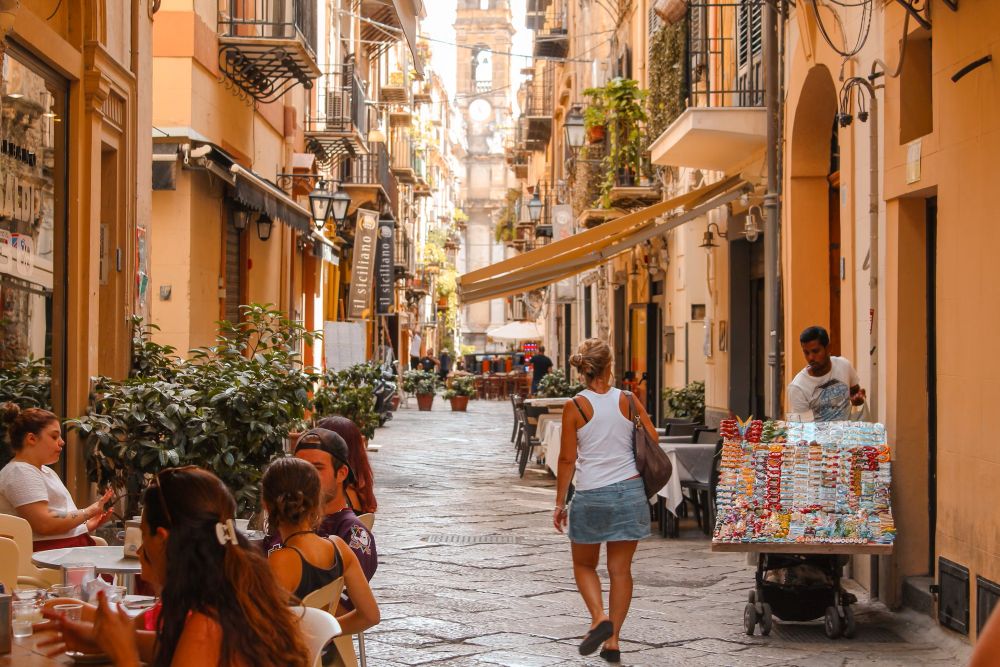
Free attractions. Many of Italy’s charms are free! Wander through historic streets, relax in piazzas, visit many churches (some cathedrals charge an entrance fee for specific parts, but basic entry is often free), and enjoy public parks.
Passes and tickets. Multi-use transit passes can save money in cities. For example, Rome sells a Roma Pass (48 or 72 hours) that includes unlimited metro/bus/tram travel plus free entry to the first two sites you visit. Many big cities have similar cards (Milan, Florence, Venice, etc.) that bundle public transit with attraction discounts. Always do the math: if you plan to use transit a lot or visit several museums, a city pass may pay off.
Book online and in advance. For major attractions like the Colosseum, Vatican Museums, or Uffizi Gallery, booking tickets online in advance not only saves you from long queues but can sometimes offer slightly cheaper prices or combo deals.
Free museum days. Many state-run museums offer free entry on the first Sunday of the month. Check specific museum websites as this policy can change.
Student/youth discounts. If you’re a student or under 26 (sometimes under 18), always ask about discounts and carry relevant ID.
Free walking tours. Many cities offer “free” walking tours where you tip your guide based on your satisfaction. This is a great way to get an overview of the city and orient yourself.

Top 10 Cheap Destinations to Travel in Italy
Italy is packed with incredible destinations, and while cities like Venice, Florence (in high season), and the Amalfi Coast can be pricey, there are countless stunning and affordable Italian cities and regions that offer just as much magic for a fraction of the cost. Get ready to explore some of the best places to travel in Italy on a budget where your euros will stretch further.
Naples (Napoli)
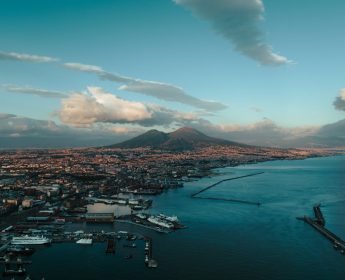
Often gritty and wonderfully chaotic, Naples is the vibrant soul of Southern Italy and the birthplace of pizza. This city pulses with an infectious energy, from the narrow, laundry-draped streets of Spaccanapoli to the grandeur of Piazza del Plebiscito. It’s a place where history is layered thick, with ancient Greek and Roman ruins beneath your feet, stunning Baroque churches around every corner, and the imposing Mount Vesuvius always looming in the background.
Beyond its incredible street food scene (think sfogliatella pastries and fried pizza), Naples boasts world-class attractions like the National Archaeological Museum, home to an unparalleled collection of Roman artifacts, many from nearby Pompeii and Herculaneum. These ancient Roman cities, frozen in time by Vesuvius’ eruption, are easily accessible and offer a profound glimpse into the past. Naples is a sensory explosion, wonderfully unpretentious, and significantly cheaper than its northern counterparts.
 Palermo (Sicily)
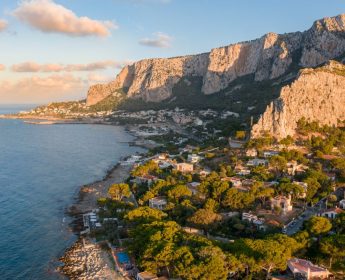
The capital of Sicily, Palermo, is a captivating city where Arab, Norman, and Baroque influences collide. Its historic center is a labyrinth of bustling markets like Ballarò and Vucciria, stunning (if sometimes crumbling) palazzi, and magnificent churches adorned with Byzantine mosaics, such as the Cappella Palatina. Palermo offers a raw, authentic Italian experience, rich in history, culture, and incredible street food.
Explore the impressive Palermo Cathedral, the Norman Palace, and the eerie Capuchin Catacombs. Day trips to the beautiful beaches of Mondello or the stunning Monreale Cathedral are highly recommended. Sicily, in general, is one of the most affordable regions in Italy, and Palermo provides a fantastic base for exploring its western side. Food is a major highlight and very budget-friendly.
 Bologna
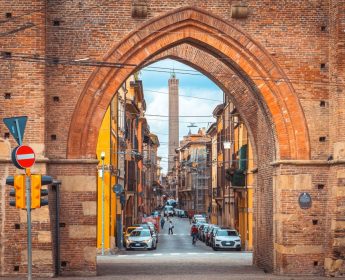
Known as “La Dotta, La Grassa, La Rossa” (The Learned, The Fat, The Red), Bologna is a lively university city with a rich medieval history, renowned cuisine, and distinctive red-hued buildings. Its historic center is one of the best-preserved in Europe, characterized by miles of beautiful porticoes that make strolling around a pleasure in any weather. Climb the Asinelli Tower for panoramic views, explore Piazza Maggiore, and visit the University of Bologna, one of the oldest in the world.
Bologna is the capital of the Emilia-Romagna region, often considered Italy’s gastronomic heartland. Indulge in fresh tagliatelle al ragù (the original bolognese sauce), mortadella, and tortellini without breaking the bank at traditional trattorias.
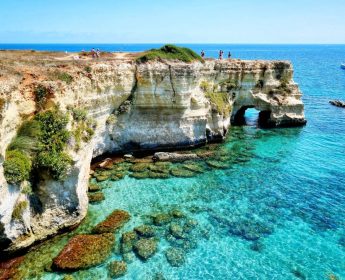 Puglia (Apulia)
The “heel” of Italy’s boot, Puglia is a region of stunning coastlines, unique trulli houses, ancient olive groves, and charming whitewashed towns. It’s becoming more popular but still offers incredible value compared to other Italian coastal destinations. Key cities like Lecce (the “Florence of the South” for its Baroque architecture), Bari (a bustling port city with a fascinating old town), and Alberobello (famous for its conical-roofed trulli houses) are must-visits.
Explore the Salento peninsula’s beautiful beaches, sample the region’s rustic cuisine (like orecchiette pasta), and enjoy the slower pace of life. Renting a car can be beneficial for exploring Puglia’s diverse landscapes, but towns are also connected by regional trains and buses. It’s an ideal region for those planning a trip to Italy on a budget who also crave sun and sea.
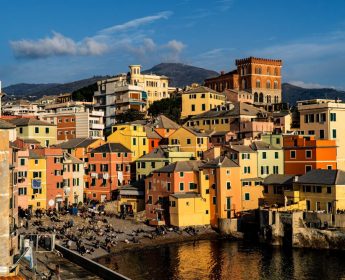 Genoa (Genova)
Genoa, the capital of Liguria, is a historic maritime powerhouse with a sprawling medieval old town (one of Europe’s largest) that’s a UNESCO World Heritage site. Often overlooked by tourists heading to the nearby Cinque Terre, Genoa offers a more authentic and affordable Ligurian experience. Get lost in its narrow alleyways (caruggi), admire the opulent Palazzi dei Rolli, and visit the impressive Aquarium.
The city’s rich history is palpable, and its cuisine, featuring pesto Genovese and fresh seafood, is a delight. Genoa serves as a great base for exploring parts of the Italian Riviera, including more budget-friendly towns like Camogli or Sestri Levante, often accessible by regional train.
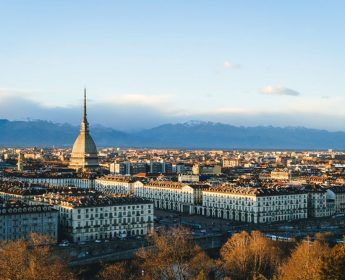 Turin (Torino)
Turin is an elegant and sophisticated city, often dubbed the “Paris of Italy” for its grand boulevards, Baroque palaces, and historic cafes. It was Italy’s first capital and is home to the Shroud of Turin, the Egyptian Museum (one of the world’s best), and the National Cinema Museum housed in the iconic Mole Antonelliana. Turin is also the birthplace of famous Italian brands like Fiat and Lavazza.
Despite its regal air, Turin is surprisingly affordable, especially compared to Milan or Rome. It has a thriving cultural scene, excellent food (it’s the home of bicerin, a layered coffee and chocolate drink, and gianduja chocolate), and is a gateway to the stunning Alpine landscapes of Piedmont.
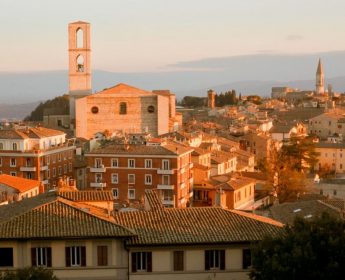 Perugia
The capital of the Umbria region, Perugia is a charming hilltop city with Etruscan roots, a well-preserved medieval center, and a lively atmosphere thanks to its University for Foreigners. It’s known for its chocolate (Baci Perugina hails from here) and its annual Umbria Jazz Festival. Explore the Rocca Paolina (an underground medieval city), the Galleria Nazionale dell’Umbria, and enjoy stunning views over the Umbrian countryside.
Perugia is less crowded and generally cheaper than its more famous Tuscan neighbors, offering a similar experience of rolling hills, art, and history. It’s a great base for exploring other Umbrian gems like Assisi, Orvieto, or Spello. This makes it one of the best places to travel in Italy on a budget.
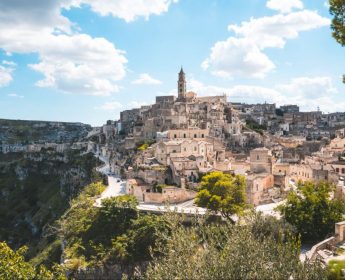 Matera
Located in the Basilicata region, Matera is one of the oldest continuously inhabited settlements in the world, famous for its “Sassi” – ancient cave dwellings carved into the rock. This UNESCO World Heritage site is a truly unique and breathtaking destination. Wandering through the Sassi di Matera feels like stepping back in time, with its labyrinthine alleys, rock churches, and cave houses.
Once a symbol of poverty, Matera has undergone a renaissance and is now a captivating place to visit, though it’s gaining popularity rapidly. While some cave hotels can be pricey, there are still budget-friendly B&Bs and guesthouses available, especially if you book in advance or stay slightly outside the main Sassi districts.
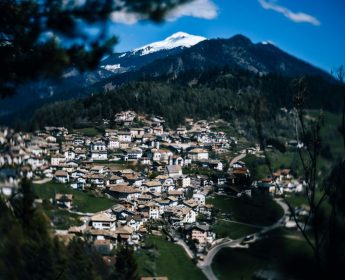 Trentino Region (for nature lovers)
While not a single city, the Trentino region in northern Italy offers incredible value for outdoor enthusiasts, especially outside the peak ski season. Dominated by the stunning Dolomites (a UNESCO World Heritage site), Trentino boasts breathtaking mountain scenery, pristine lakes (like Lake Garda’s northern tip, Lake Molveno), hiking and biking trails, and charming alpine towns.
Cities like Trento and Rovereto offer cultural attractions and serve as good bases. Compared to the more famous South Tyrol (Alto Adige) resorts, Trentino can be more affordable for accommodation (mountain huts, B&Bs) and activities. If you’re planning a trip to Italy on a budget and love nature, this region is a fantastic choice, particularly in late spring or early autumn.
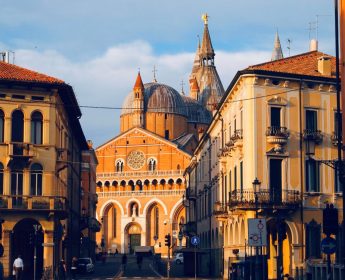 Padua (Padova)
Often overshadowed by nearby Venice, Padua is a historic university city with a wealth of art and architecture, offering a more relaxed and affordable alternative. It’s home to the Scrovegni Chapel, featuring Giotto’s revolutionary frescoes, and one of the oldest botanical gardens in the world (Orto Botanico), a UNESCO site. The Basilica di Sant’Antonio is a major pilgrimage site.
Padua’s large student population ensures a lively atmosphere and plenty of budget-friendly eateries and bars. Its extensive network of canals and charming piazzas make it a delightful city to explore on foot or by bike. Plus, its strategic location makes it an excellent base for day trips to Venice (a short, cheap train ride away), Vicenza, and Verona.
Eating Well without Breaking the Bank
Italian food is a highlight, and you don’t need to dine in expensive restaurants every night to enjoy it.

Aperitivo. Embrace the Italian tradition of aperitivo. In the early evening (usually 6-9 PM), many bars offer a free buffet of snacks, small pizzas, pasta, and salads when you buy a drink. This can often be substantial enough for a light dinner.
Local markets. Visit local markets (like Campo de’ Fiori in Rome or Ballarò in Palermo) to buy fresh produce, cheese, bread, and cured meats for picnics. This is a fantastic way to eat cheaply and well.
Trattorias and osterias. These are typically less formal and cheaper than ristorantes. Look for places with a simple, handwritten menu, often a sign of fresh, seasonal, and local fare at good prices.
Set lunch menus (menu fisso or menu turistico). Many establishments offer fixed-price lunch menus that include a first course (pasta/soup), a second course (meat/fish), a side dish, and sometimes water or wine, for a very reasonable price (often €10-€20).
Pizza al taglio. “Pizza by the slice” is a quick, cheap, and delicious lunch option found everywhere.
House wine (vino della casa). It’s usually very drinkable and much cheaper than bottled wine.
Tap water. It’s perfectly safe to drink tap water in Italy (acqua dal rubinetto). Ask for it in restaurants to save on bottled water. Carry a reusable water bottle and refill at public fountains (nasoni in Rome).
Self-catering. If your accommodation has a kitchen, preparing some of your own meals, especially breakfast, will cut costs significantly.
Frequently Asked Questions
How much money is enough for Italy for 2 weeks on a budget?
For a 2-week trip to Italy on a budget, aim for approximately €700-€1000 per person (excluding international flights). This translates to roughly €50-€70 per day, covering hostel/budget B&B accommodation, self-catering some meals, eating at cheap trattorias, using regional transport, and focusing on free or low-cost activities. If you prefer more comfort or more paid attractions, €100 per day (€1400 for 2 weeks) is a more comfortable budget.
What is the cheapest month to fly to Italy?
Generally, the cheapest months to fly to Italy are during the low season: November, January, and February (excluding Christmas/New Year and Carnival). Early March and late October can also offer good deals.
How can I eat cheap in Italy?
Embrace aperitivo, shop at local markets for picnics, cook some meals if you have a kitchen, choose trattorias over ristorantes, look for fixed-price lunch menus (menu fisso), enjoy pizza al taglio (by the slice), and drink house wine (vino della casa) and tap water (acqua dal rubinetto).
Is train travel in Italy affordable?
Yes, train travel can be very affordable if you choose the right trains. Regionale (regional) trains are much cheaper than high-speed trains (Frecce, Italo) and connect most towns and cities. For high-speed trains, book well in advance for the best discounts. Buses are often even cheaper than regional trains for some routes. Exploring the cheapest way to travel within Italy often involves a mix of these options.




There are no comments.