

In 2026, a major celestial event will occur: a solar eclipse, specifically a total solar eclipse. Unlike the 2024 eclipse visible in North America, this 2026 solar eclipse will be best seen across Europe.
This isn’t just any eclipse; it is Europe’s first total solar eclipse in over 20 years. The excitement is already building, and hotels are filling up. If you are planning solar eclipse trips, you need to know exactly where to go, what the weather will be like, and how to make the most of your time in the dark.
Table of Contents
When Is Next Solar Eclipse in Europe
2026 Solar Eclipse Path
Best Places for Total Solar Eclipse Trips
Other Places to Witness the Partial Eclipse
Precautions for Viewing Solar Eclipses
When Is Next Solar Eclipse in Europe
The date of the solar eclipse in Europe is August 12, 2026. Here is the specific time when the solar eclipse occurs.
- Begins (partial): 15:34 UTC
- Totality starts: 17:02 UTC
- Maximum eclipse: 17:46 UTC
- Ends (partial): 19:58 UTC
That day fell on a Wednesday evening. Unlike the solar eclipse that occurred during the day, this one held a special twist for observers on the mainland. In many regions of Spain and Portugal, the total solar eclipse would take place just before sunset.
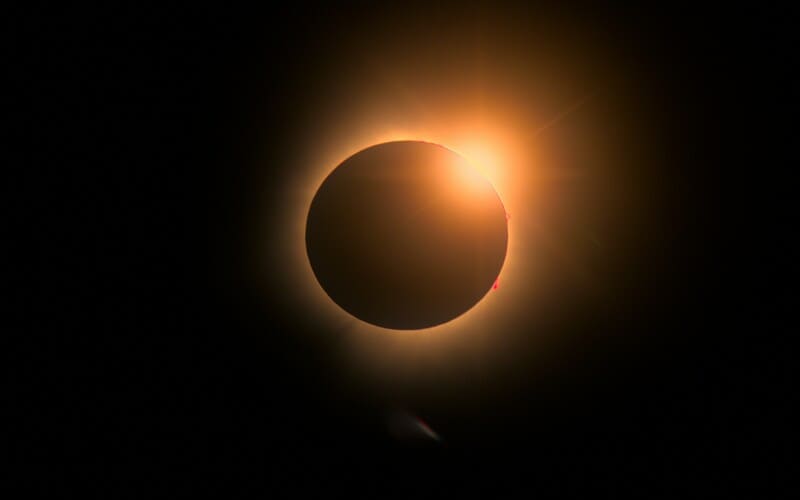
2026 Solar Eclipse Path
If you’re planning a solar eclipse journey, understanding the 2026 solar eclipse path is crucial.
- First, the path of totality begins in the remote regions of the Russian Arctic. From there, it sweeps across the Arctic Ocean, brushing past the North Pole.
- After leaving Greenland, the shadow crosses the Denmark Strait and hits the western peninsula of Iceland, to Reykjavík and the Snæfellsnes Peninsula.
- The shadow then races across the North Atlantic Ocean, missing the UK and Ireland before making landfall in northern Spain. It cuts a diagonal line from the northwest corner of Spain, across the interior, and ends just past the Balearic Islands in the Mediterranean Sea at sunset.
Best Places for Total Solar Eclipse Trips
Choosing a location to view the total solar eclipse ultimately depends on your preferences for destination characteristics, with the primary viewing spots concentrated in two countries. These are your options:
Reykjavík, Iceland
Local time of the solar eclipse: The partial solar eclipse will begin at approximately 4:47 PM, with totality starting at 5:48 PM.
For those seeking to witness unique and spectacular natural phenomena, Iceland is the premier destination for viewing a total solar eclipse.
Features: Reykjavík is the capital city and the most accessible point for the solar eclipse Iceland 2026. The eclipse here happens earlier in the afternoon compared to Spain. You will see the sun blocked out for about one to two minutes, depending on your exact spot.
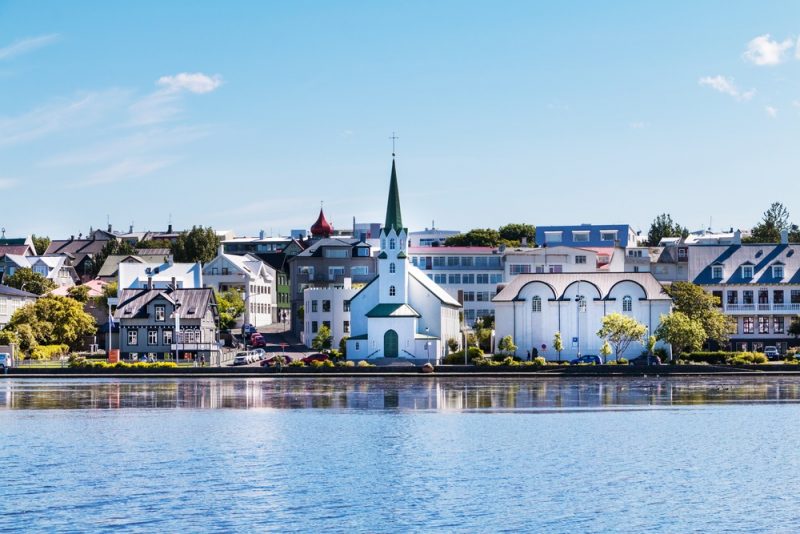
Weather: August in Reykjavík features cool, damp weather with average temperatures around 10–12°C (50–54°F). Days are long at this time, though occasional rainfall is common.
Other things to do
Reykjavik offers numerous adventures and renowned natural attractions worth experiencing. Since the solar eclipse occurs only for one day, during the rest of your stay, you can tour the Golden Circle, visit the famous Blue Lagoon, or go whale watching in the harbor.
Tours4fun Recommended Products
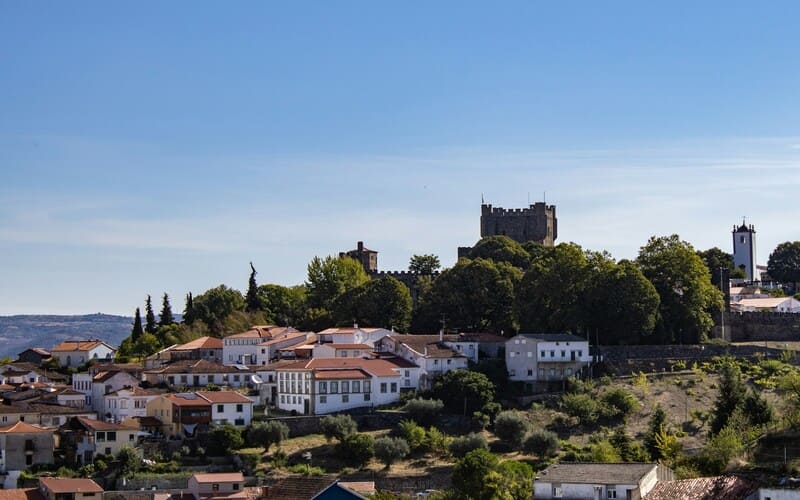
Bragança, Portugal
Local time of the solar eclipse: The partial solar eclipse begins at approximately 6:33 PM, with totality starting at 7:30 PM.
This location will be able to view the total solar eclipse earlier than Burgos. If you seek a quiet, medieval atmosphere, Bragança, tucked away in northeastern Portugal, offers a rustic and uncrowded viewing spot.
Features: For the eclipse, Bragança offers a high-altitude viewing location that is far removed from the bustling crowds of the Spanish coast. The sun will be low in the western sky, casting long shadows over the rolling hills and granite outcrops of the Montesinho Natural Park. If you want a medieval backdrop for your eclipse experience without the tourist crush, this is the place to be.
Weather: August brings warm, dry weather here, with average temperatures ranging from 15–29°C (59–84°F). Situated inland and protected by mountains, the area enjoys a stable continental climate.
Other things to do
Bragança is home to the 12th-century medieval castle, Castelo de Bragança, which stands as the city’s emblem. Within Cidade Velha, visitors can explore more medieval streets and ancient buildings. The surrounding area also features numerous large nature reserves perfect for hiking.
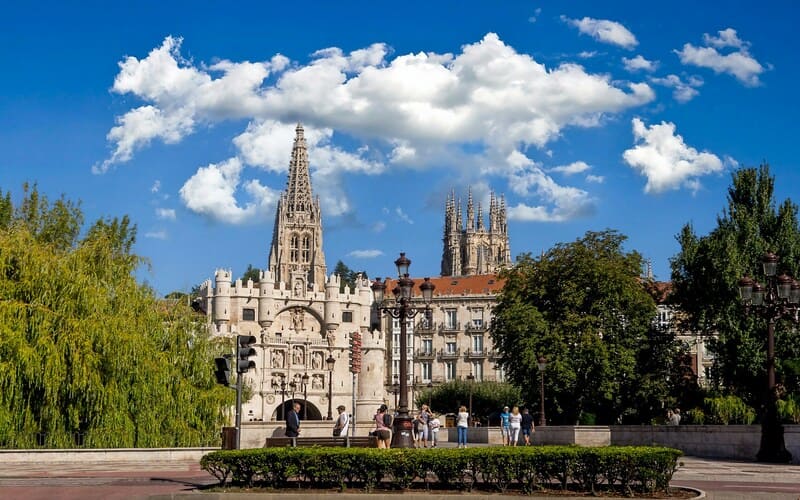
Burgos, Spain
Local time of the solar eclipse: The partial solar eclipse will begin at approximately 7:33 PM, with totality starting at 8:28 PM.
If you want to ensure clear skies, Burgos, located along the path of totality, offers excellent viewing conditions.
Features: Burgos is located in the autonomous community of Castile and León. It is right in the center of the path of totality. The duration of totality here is generous, lasting around 1 minute and 45 seconds. Because it is inland, the sun will be higher in the sky compared to the coast, though still low enough to be dramatic.
Weather: August brings warm, dry weather here, with average temperatures ranging from 14–28°C (57–82°F). Precipitation is scarce this month, making it one of the most reliable locations for clear skies.
Other things to do
Burgos is a destination steeped in history, boasting not only the Cathedral of Burgos, one of Spain’s most renowned Gothic structures, but also the iconic Arco de Santa María, where ascending to the upper level offers panoramic city views. The local culinary scene is exceptional, celebrated for hearty roasted meats and outstanding regional wines, particularly the rich, dark reds for which the area is celebrated.
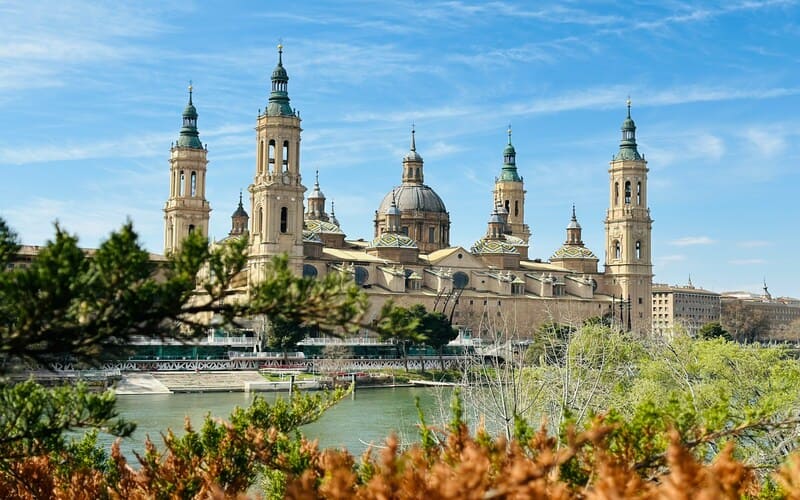
Zaragoza, Spain
Local time of the solar eclipse: The eclipse times are nearly the same as in Burgos.
Zaragoza also lies within the path of totality and, like Burgos, will enjoy clear skies, making it an excellent location for viewing the total solar eclipse.
Features: The total solar eclipse in Zaragoza occurs in the evening as the sun sets in the west. And this is the most convenient location to witness the Spain solar eclipse 2026. For solar eclipse observers, the Ebro Valley is the ideal destination. The broad river creates expansive viewing space and long sightlines, which are crucial for sunset observations.
Weather: August in Zaragoza features hot, sunny weather with average temperatures around 20–32°C (68–90°F). The region is known for its intense sun and the “cierzo” wind, which helps scour the sky of clouds
Other things to do
The highlight of visiting Zaragoza is exploring the Cathedral-Basilica of Our Lady of the Pillar. This site is not only a Catholic pilgrimage destination but also houses famous murals by the renowned painter Goya. Be sure to visit La Seo Cathedral across the street to admire its intricate interior details. The tapas scene in the “El Tubo” district is legendary, narrow streets packed with bars serving incredible small bites.
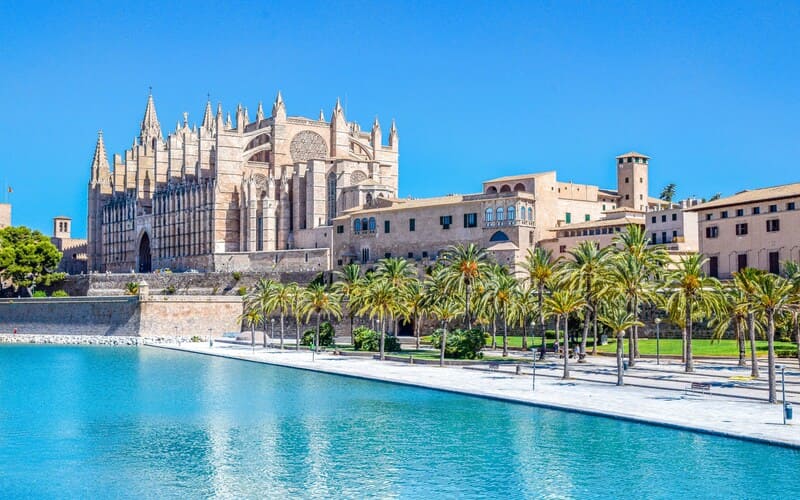
Palma, Spain
Local time of the solar eclipse: The partial solar eclipse will begin at approximately 7:37 PM, with totality starting at 8:31 PM.
If you prefer a luxury island setting, Palma, positioned at the end of the eclipse path, provides a stunning sunset spectacle.
Features: Here lies a beautiful bay embraced by the city, where you’ll witness the moon completely obscuring the sun. Even before the lunar disk covers the solar disk, the sun may turn a deep red or orange. As it then sinks into the Mediterranean Sea, it will be a breathtaking spectacle.
Weather: August brings hot, humid weather here, with average temperatures ranging from 22–31°C (72–88°F). Sea breezes provide some relief from the heat, and while the days are typically clear, you should watch for coastal mist. The humidity can occasionally create a haze on the horizon, but generally, the summer skies are wide open and blue.
Other things to do
This is a premier vacation destination, featuring beautiful beaches and the majestic Serra de Tramuntana mountains. Explore the historic Castell de Bellver, a circular Gothic castle built in the 14th century, and wander through the historic old town.
Ibiza, Spain
Local time of the solar eclipse: The eclipse times are the same as in Palma.
Ibiza is renowned for its superclubs and electronic music, making it the ideal destination for combining a beach vacation with a solar eclipse.
Features: The island has a rugged, pine-covered coastline with high cliffs that face west, providing perfect natural amphitheaters for the eclipse. Many people will likely gather near vantage points overlooking Es Vedrà, a rocky limestone island off the southwest coast that is shrouded in local myths and legends. The island also hosted cultural events related to the solar eclipse, blending music, science, and experiential activities.
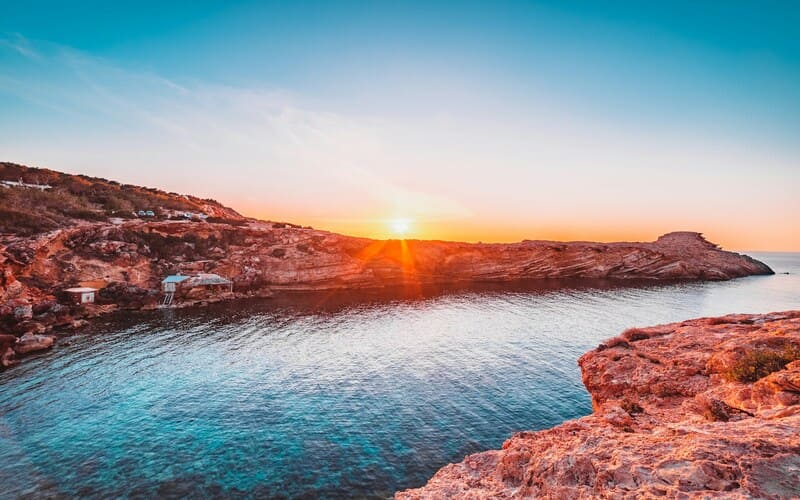
Weather: August brings sultry, Mediterranean weather here, with average temperatures ranging from 23–30°C (73–86°F). It is the height of summer, so rain is very rare, and the sun is intense.
Other things to do
Ibiza boasts more than just beautiful beaches and coves; Cala Comte, in particular, offers breathtaking sunset views. Cala Salada, meanwhile, is a haven of tranquility. Of course, the island’s nightlife is equally enticing, especially at world-class beach clubs like Playa d’en Bossa. Culture enthusiasts will find Dalt Vila captivating, with its winding alleys, historic architecture, and stunning vantage points.
Other Places to Witness the Partial Eclipse
Although the total solar eclipse is only visible from specific locations, many places across Europe will still be able to observe a partial solar eclipse. These locations will also allow you to experience some of the eclipse’s magic.
Porto, Portugal
Local partial solar eclipse time: The partial solar eclipse will begin around 6:30 PM, with maximum coverage occurring around 7:29 PM.
Visibility of the Solar Eclipse: Porto is tantalizingly close to the path. Viewers here will see an incredibly deep partial eclipse, with roughly 99% of the sun covered. The light will get eerie and dim, like a weirdly colored overcast day, but the sun will remain a sliver.
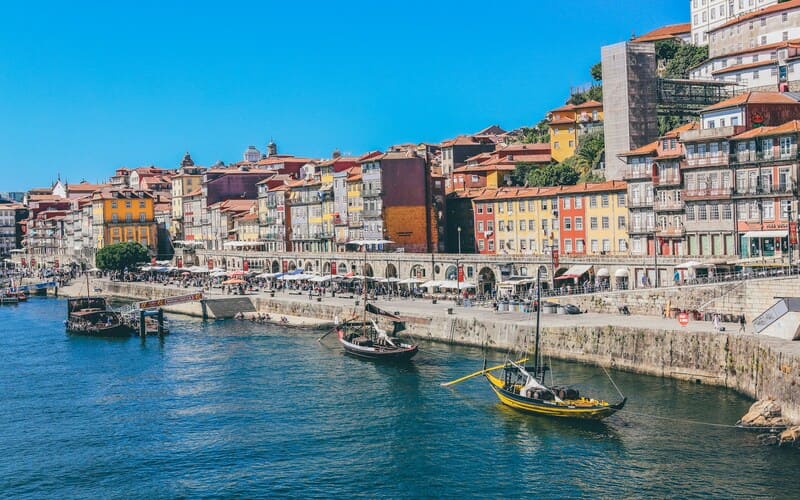
Porto itself is a renowned city in Portugal, famous for its iconic Port wine and the Dom Luís I Bridge. The historic Ribeira district offers numerous riverside cafés where you can sit and watch the sky change.
Bordeaux, France
Local partial solar eclipse time: The partial solar eclipse will begin around 7:29 PM, with maximum coverage occurring around 8:24 PM.
Visibility of the Solar Eclipse: In Bordeaux, the coverage will be around 90%. It will be a fun event to watch from a vineyard or a city square, but daylight will remain.
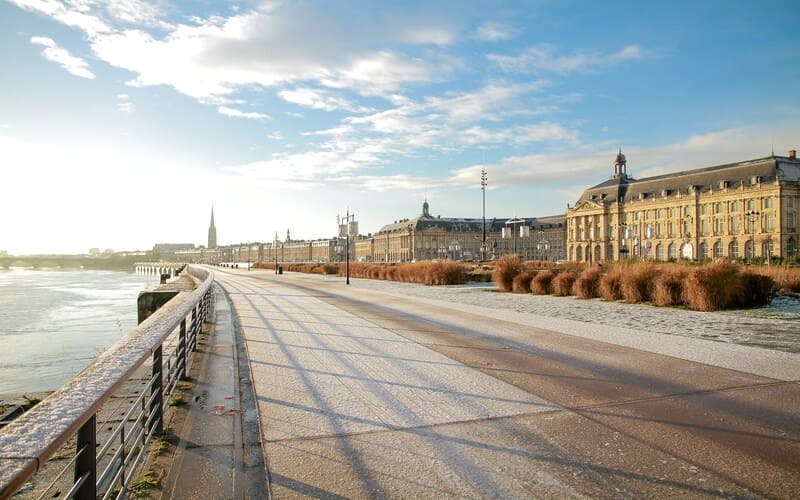
Bordeaux is equally renowned for its fine wines and boasts magnificent 18th-century architecture. Head to Vieux Bordeaux, where cafés and boutique shops line the streets. Especially captivating are the Place de la Bourse and the Miroir d’eau, whose nighttime views and reflections are truly enchanting.
Dublin, Ireland
Local partial solar eclipse time: The partial solar eclipse will begin around 6:08 PM, with maximum coverage occurring around 7:13 PM.
Visibility of the Solar Eclipse: Ireland gets a high-percentage partial eclipse. In Dublin, about 90% of the sun will be obscured. The sky will be darker than a normal dusk, but daylight will not turn completely black.
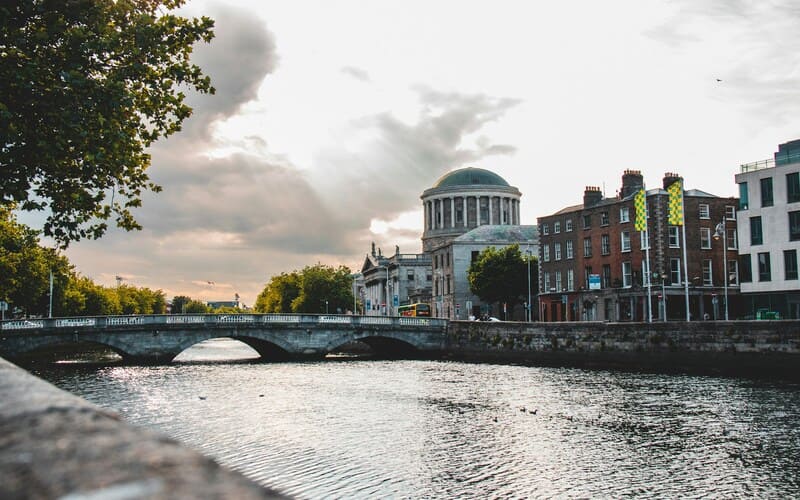
Dublin’s lively pubs and rich cultural history are truly captivating, especially Dublin Castle and Trinity College, which offer a profound immersion into Ireland’s deep-rooted heritage. Dublin is a very walkable city, filled with green spaces like St Stephen’s Green and the massive Phoenix Park, home to a herd of wild deer.
Cardiff, United Kingdom
Local partial solar eclipse time: The partial solar eclipse will begin around 6:13 PM, with maximum coverage occurring around 7:15 PM.
Visibility of the Solar Eclipse: Cardiff will experience approximately 90% cloud cover during this period, with significantly reduced light levels and a drop in temperature.
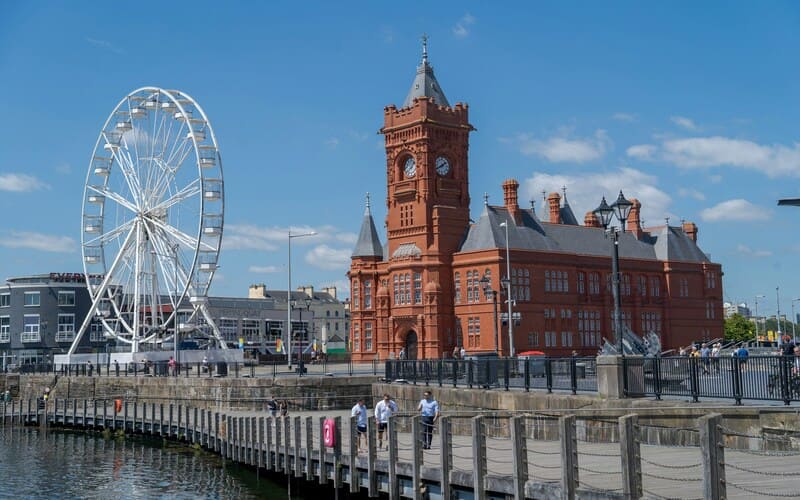
Cardiff is a unique city, blending ancient history with modern waterfront developments as the capital of Wales. You can visit Cardiff Castle, which sits right in the city center, or head down to Cardiff Bay for wide-open views over the water. The Barrage embankment offers a great, unobstructed skyline, making it a prime spot for locals to gather and watch the partial phase.
Precautions for Viewing Solar Eclipses
We cannot stress this enough: safety is the most important part of solar eclipse trips.
- Use ISO-Certified Glasses: You cannot use regular sunglasses. You cannot use stacked sunglasses. You cannot use smoked glass. You must use eclipse glasses that meet the ISO 12312-2 international safety standard.
- Inspect Your Gear: Before the eclipse, hold your glasses up to a light bulb. If you see any pinholes or scratches, throw them away. They are not safe.
- The Totality Rule: The only time it is safe to take off your glasses is during the brief minutes of 100% totality. If you are in Porto, Dublin, or Bordeaux, you must never take off your glasses while looking at the sun.
- Photography: Do not point a camera, telescope, or binoculars at the sun without a special solar filter on the front lens. Your eclipse glasses are not strong enough to look through a telescope; the concentrated light will melt them and injure your eye.
FAQ
How many solar eclipses are there in 2026?
There will be two solar eclipses in 2026. The first occurs on February 17th and is an annular eclipse, primarily visible in Antarctica. The second takes place on August 12th and can be seen in Greenland, Iceland, and Spain.
Where is the path of the eclipse in Europe 2027?
The 2027 total solar eclipse will occur on August 2, 2027. In Europe, it will pass almost exclusively along the southernmost edge. The path of totality traverses directly across the Strait of Gibraltar. Departing from Europe’s southernmost point, the path crosses North Africa, passing through Morocco, Algeria, Tunisia, Libya, and Egypt, before crossing the Red Sea into Saudi Arabia.
Where is the best place to see the total eclipse in 2027?
The best location for the 2027 solar eclipse is Luxor, Egypt. Here, observers will witness a total solar eclipse lasting up to six minutes, and the skies over Egypt in August are expected to be clear.





There are no comments.