
Neon lights in Tokyo’s skyscrapers, serene gardens in Kyoto, snow-capped volcanoes, coastal fishing towns, steaming onsens, and delicious food on nearly every street corner – all make Japan a travel destination like no other. But between the bullet trains, premium hotels, and tourist hotspots, many people wonder: “Is it expensive to travel to Japan?”
Sure, Japan can be pricey. But it also can be done affordably. If you plan carefully, choose the right seasons, and mix splurges and savings, you can enjoy much of Japan’s unique charm on a budget.
Is It Possible to Visit Japan on a Budget?
Absolutely. The cost depends a lot on your style: luxury, mid-range, or budget traveler. Here are rough averages for different trip styles (excluding flights to/from your home country):
| Style | Daily cost (for one person) | What that gets you |
| Budget | ¥7,000-¥12,000 (~US $50-$85) | Dorm or capsule hostel, cheap local food, mostly public transport, fewer splashes. |
| Mid-range | ¥15,000-¥30,000 (~US $100-$200) | Private hotel or business hotel, mix of casual & nicer meals, some faster transport. |
| Luxury | ¥50,000+ (~US $350+) | High-end ryokan, fine dining, private guides or premium transport. |
If you stay for a week, a budget traveler might spend ¥50,000-¥80,000 (~US $350-$600) excluding flights; mid-range perhaps ¥100,000-¥200,000; luxury much more.
So yes: visiting Japan on a budget is very possible, especially if you are flexible, and know where to save.

TOP PLACES: Tokyo | Mt Fuji | Kyoto | Osaka
When to Go: Cheapest Month to Visit Japan
Timing is everything when planning how to travel to Japan on a budget. Visiting during the off-season can save you hundreds of dollars on flights and accommodation.
The Most Expensive Times to Visit (Avoid if Possible):
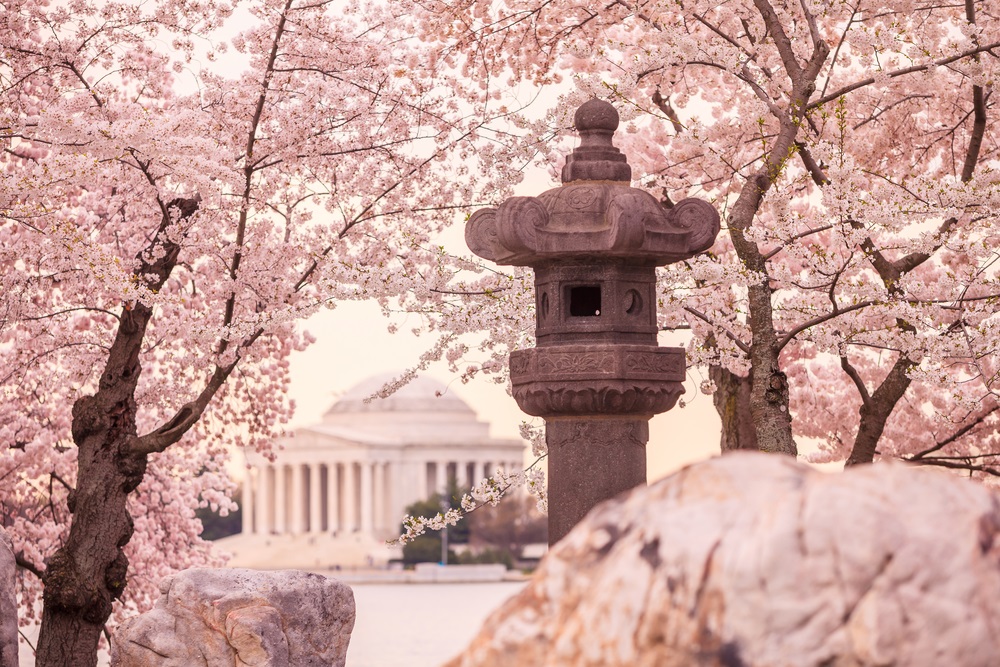
Cherry Blossom Season (late March to early April): This is Japan’s peak tourist season. While beautiful, flights and hotels can be double or triple their usual price.
Golden Week (late April to early May): A series of national holidays where the entire country travels. Transportation is booked solid and prices are at their highest.
Obon (mid-August): A major family holiday. Expect crowded trains and high demand for domestic travel.
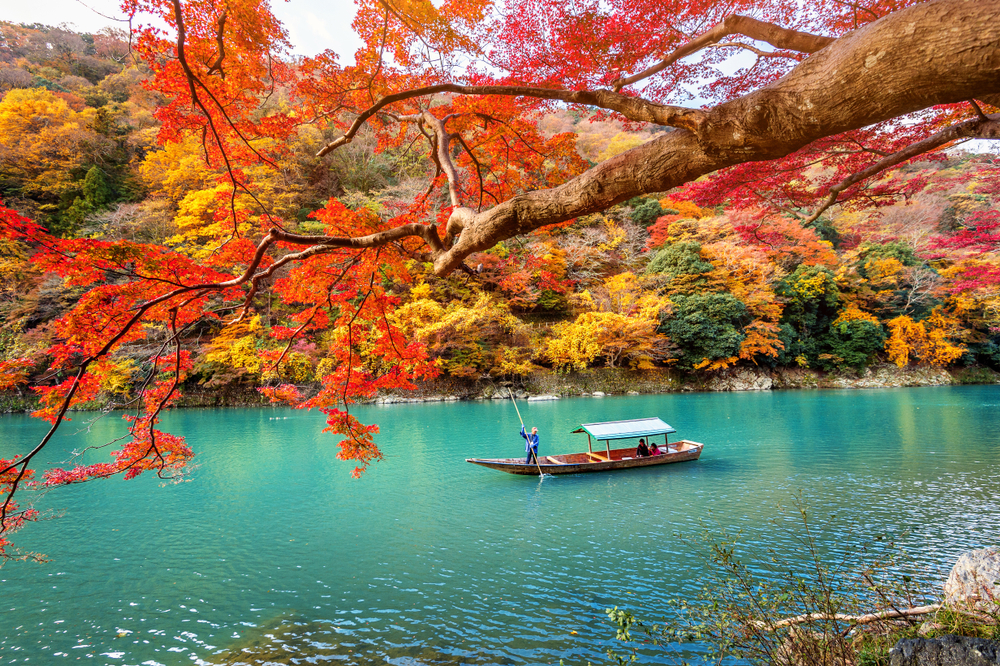
Peak Autumn Foliage (mid-November): Especially in popular spots like Kyoto, this season rivals the cherry blossoms for crowds and cost.
The Best Budget-Friendly Months:
Winter (January – February): This is the absolute cheapest time for tourists to visit Japan’s main cities. The weather is cold and crisp, the skies are often clear, and you’ll find the lowest prices on airfare and hotels. The only exceptions are ski resorts and Sapporo during its famous Snow Festival.
Late Spring (mid-May to June): After the Golden Week rush, prices drop significantly. The weather is warm and pleasant, but be aware that June marks the start of the rainy season (tsuyu) in most of the country.
Early Autumn (September): With summer vacation over and the peak foliage season yet to begin, September can be an affordable time to visit. However, it is also the peak of typhoon season, so you’ll need to be flexible with your plans.
Late Autumn (late November to early December): Once the peak “leaf peeping” crowds have departed, prices fall again. You can still catch some late-season color, and the weather is cool and comfortable for sightseeing.
Transportation: Getting Around Without Overspending
Transportation is one of the biggest levers for saving, especially once you arrive in Japan. Here are the major costs and how to cut them down.
Flights to Japan: From the US, round-trip economy fares vary widely – something like US$700-US$1,400 depending on season and how early you book. Book 3-6 months in advance and watch for sales.
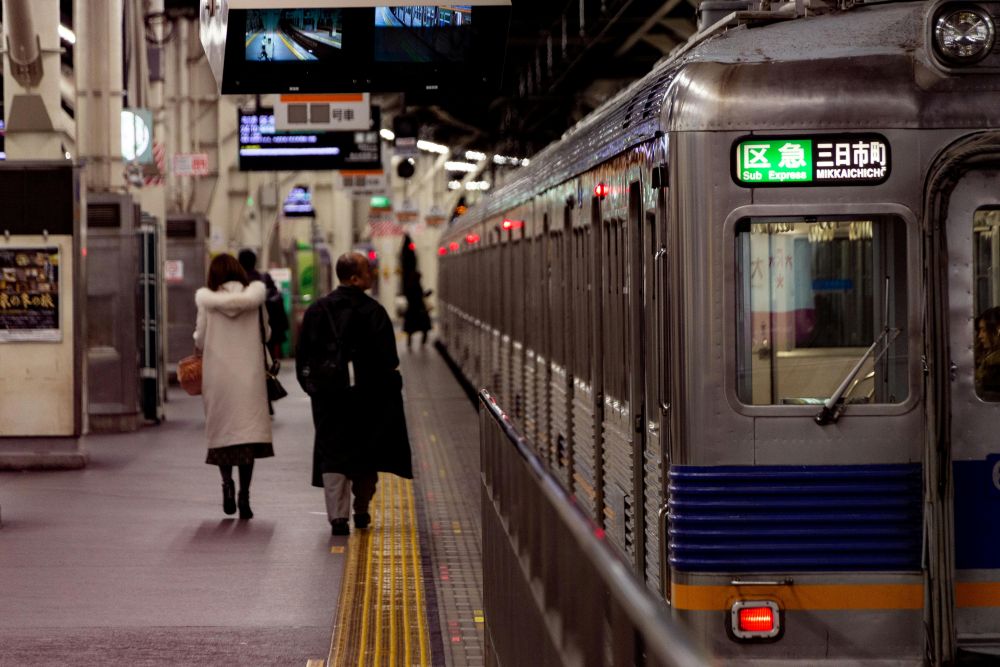
Local transit in cities: Subways, buses, metro rides are usually ¥200-¥500 per ride (~US$1.50-$3.50). Using IC cards (Suica, Pasmo, etc.) makes life easier and sometimes saves a little.
Long-distance travel:
Bullet train (Shinkansen) Tokyo ↔ Kyoto: ~¥14,000 oneway (~US$100+)
JR Pass (7-day): ~¥40,000 (~US$250-$300) depending on exchange rates and whether you need it for your itinerary. Great value if visiting multiple cities.
Overnight buses / highway buses: cheaper than trains; good for saving on both transport and lodging.
The Japan Rail (JR) Pass: To Buy or Not to Buy?
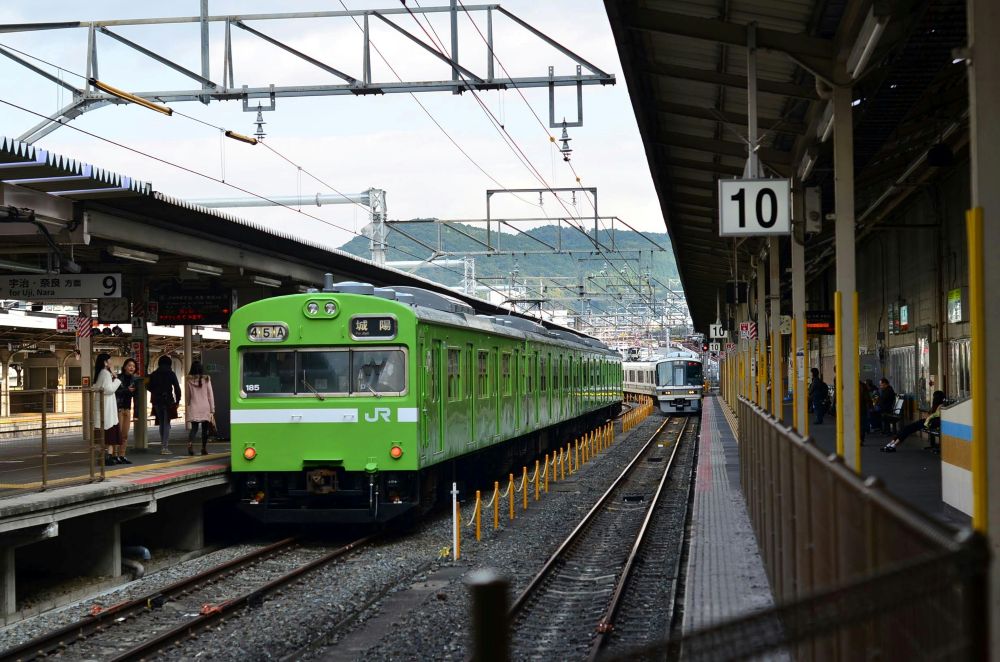
For decades, the JR Pass was the default choice for budget travelers. However, a significant price increase in late 2023 changed the game. It’s no longer an automatic money-saver.
When it might be worth it: If your itinerary involves multiple long-distance Shinkansen (bullet train) trips in a short period – for example, a round trip from Tokyo to Kyoto and then on to Hiroshima within 7 days.
When it’s not worth it: If you’re primarily staying in one city (like Tokyo), or only traveling one-way between two major cities.
*Pro tip: Use a JR Pass Calculator online before you buy. Enter your major train journeys, and the calculator will tell you if purchasing individual tickets is cheaper.
Smart Alternatives to the JR Pass
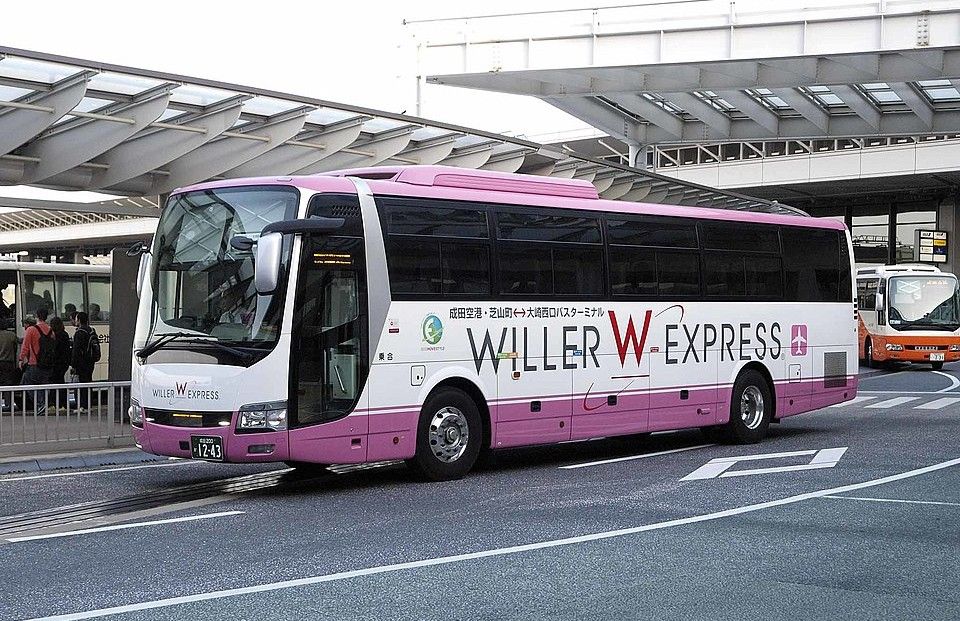
Highway Buses: This is the ultimate budget travel secret in Japan. Companies like Willer Express offer comfortable, clean, and incredibly affordable overnight bus routes between major cities. Not only do you save on the fare compared to a train, but you also save on a night’s accommodation.
Regional Passes: If you’re exploring one specific region intensively (like Kansai, Kyushu, or Hokkaido), a regional rail pass often provides much better value than the nationwide pass.
Budget Airlines: For longer distances, like Tokyo to Sapporo or Fukuoka, budget airlines such as Peach or Jetstar Japan can be surprisingly cheap, often beating the Shinkansen on price.
IC Cards (Suica, Pasmo, ICOCA): For local travel within cities, grab a rechargeable IC card. It won’t save you money on fares, but it’s incredibly convenient, allowing you to simply tap-and-go on subways, local trains, and even pay at convenience stores and vending machines.
Affordable Accommodation in Japan
Don’t let visions of expensive hotels scare you. Japan has a fantastic range of clean, safe, and affordable places to rest your head.
Hostels: The backpacker’s best friend. Japanese hostels are known for being exceptionally clean, modern, and well-designed. They offer a great way to meet other travelers and often have kitchens where you can prepare your own meals to save even more.
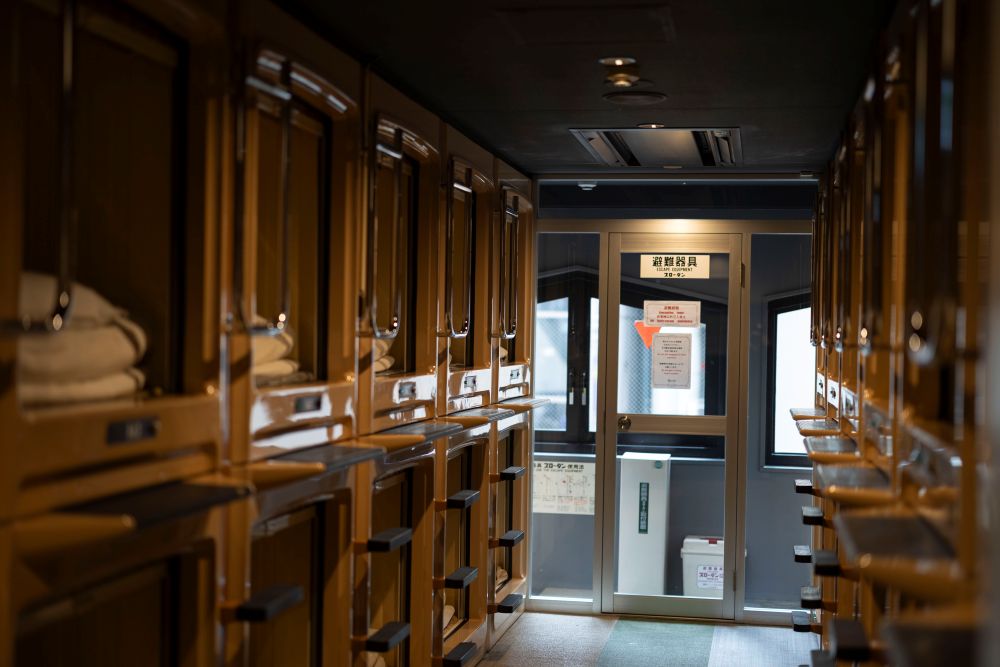
Capsule Hotels: A uniquely Japanese experience! While not for the claustrophobic, capsule hotels offer a private, cozy pod with a bed and basic amenities for a fraction of the price of a hotel. Many now have female-only floors.
Business Hotels: Chains like APA Hotel, Toyoko Inn, and Dormy Inn are your best bet for affordable private rooms. The rooms are famously compact but are impeccably clean, efficient, and almost always include a private bathroom, Wi-Fi, and amenities like a small fridge and TV.
Manga Kissa (Internet Cafes): For the truly adventurous on a shoestring budget, Manga Kissa offer private booths with reclining chairs or flat-matted areas where you can sleep for a few hours. It’s an interesting cultural experience, but not the most comfortable night’s sleep.
Local Flavors Without High Cost
Food is one of the absolute highlights of any trip to Japan, and it’s where you can save the most money without sacrificing quality. Forget the idea that you need to spend a fortune to eat well.
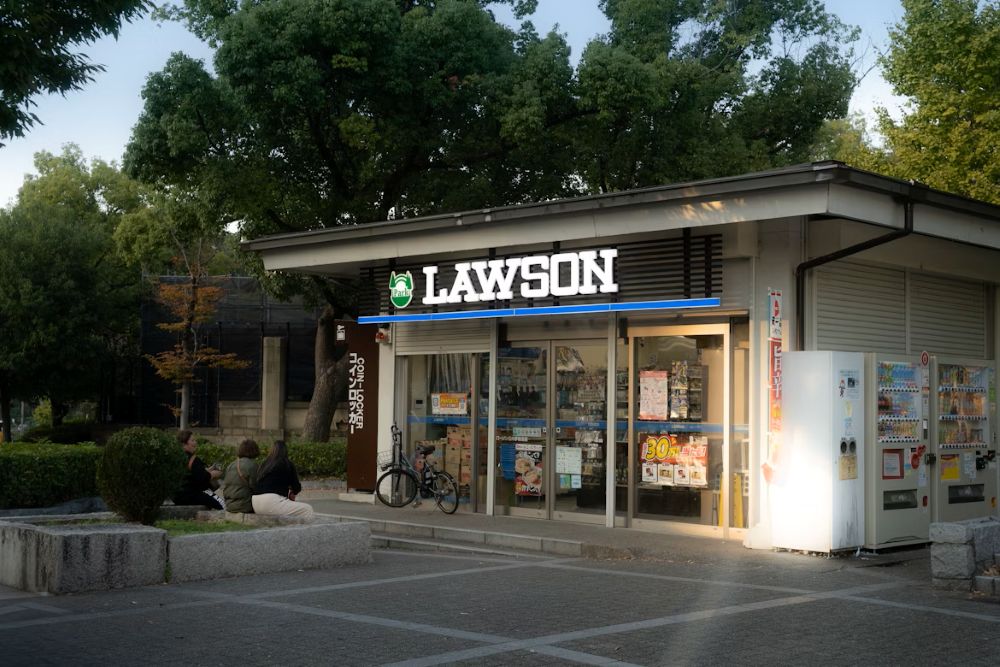
Konbini (Convenience Store): Japanese convenience stores – 7-Eleven, FamilyMart, Lawson – are a culinary wonderland. They are nothing like their Western counterparts. You can find high-quality onigiri (rice balls), sandwiches (sando), bento boxes, fried chicken, salads, and pastries for just a few dollars. A delicious and filling konbini breakfast might cost you $3.
Depachika (Department Store Basements): The basement floor of major department stores is a foodie paradise, filled with delis, bakeries, and food stalls. The best time to go is in the evening, about an hour before closing, when many items are marked down with 半額 (hangaku – half price) stickers.
Ramen and Gyudon Shops: Look for ticket machine restaurants. These are fast-food joints specializing in dishes like ramen (noodle soup) or gyudon (beef bowl). You order from a vending machine at the entrance, hand your ticket to the chef, and get a delicious, hot meal for $5-$8. Chains like Ichiran, Sukiya, and Yoshinoya are your friends.
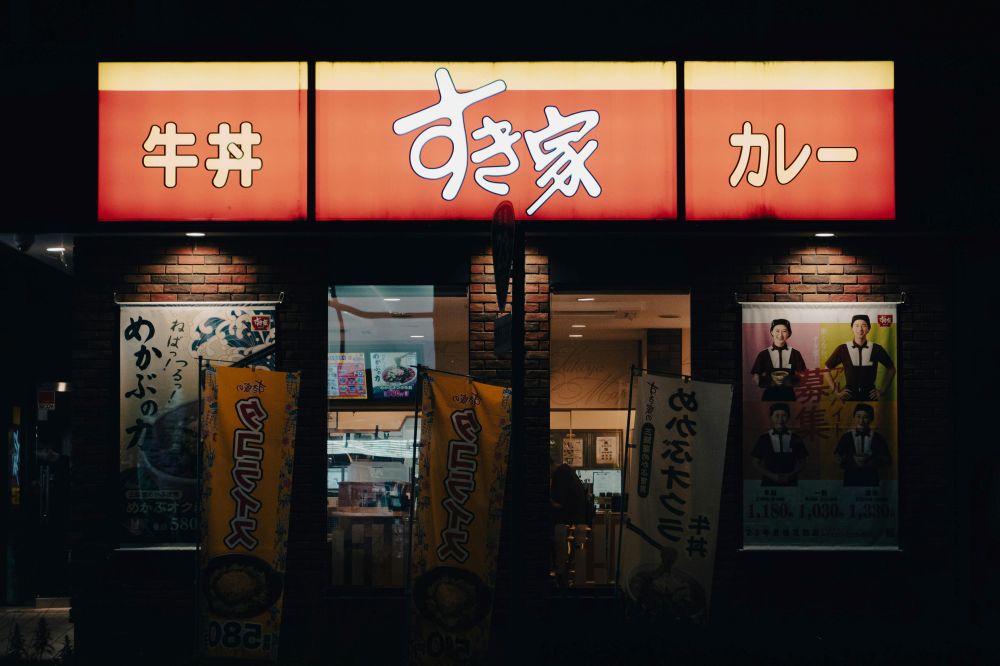
Drink from Vending Machines: Vending machines are everywhere in Japan, and they offer a huge variety of drinks – hot and cold – for about ¥100-¥150 ($0.70-$1.00). It’s much cheaper than buying drinks from a cafe.
Tips:
- Have your big or nicer meals at lunch instead of dinner, many restaurants offer cheaper lunch specials.
- Eat local- street food, food stalls, small mom & pop shops are usually cheaper and authentic.
- Avoid tourist traps (restaurants right next to major sights tend to jack up prices).
Budget-Friendly Destinations in Japan
While Tokyo and Kyoto are must-sees, your Japan travel budget will stretch further if you mix in some less-traveled, more affordable destinations. Here are 10 places where you can have an amazing experience without breaking the bank.
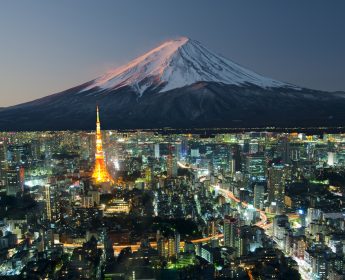 1. Tokyo
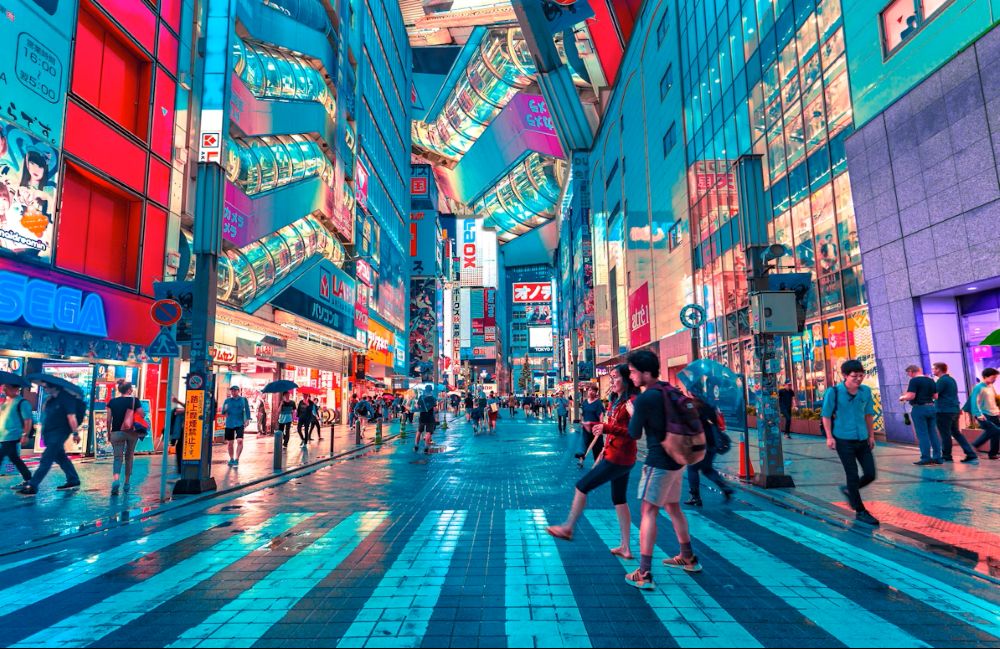
It sounds counterintuitive, but the sheer size of Tokyo means it has endless budget options. Your Tokyo travel budget can stay low by focusing on the city’s incredible free attractions. Experience the energy of Shibuya Crossing, find peace at the Meiji Jingu Shrine, explore the sprawling Ueno Park, and get a panoramic city view from the Tokyo Metropolitan Government Building – all for free. Food is cheap and abundant in areas like Shinjuku and Ueno.
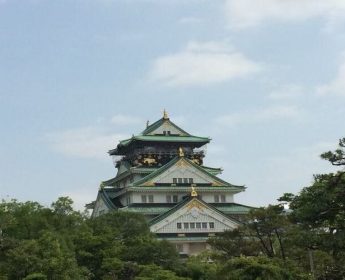 2. Osaka
Known as “Japan’s Kitchen,” Osaka is a city that lives to eat, and thankfully, it loves to eat cheaply. The Dotonbori district is an assault on the senses in the best way possible, with neon lights and sizzling street food stalls selling takoyaki (octopus balls) and okonomiyaki (savory pancakes) for just a few dollars. The vibe is more laid-back and the accommodation generally cheaper than in Tokyo.
 3. Fukuoka
The gateway to the southern island of Kyushu, Fukuoka is a relaxed city famous for its tonkotsu (pork bone broth) ramen. You can get a world-class bowl for under $7. The city is compact and walkable, with beautiful parks and nearby beaches. It’s a fantastic base for exploring the unique culture and nature of Kyushu on a budget.
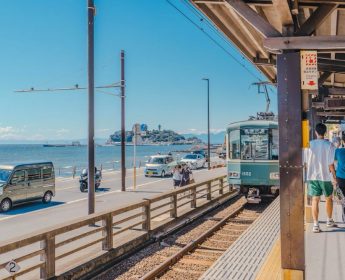 4. Kamakura
Just an hour’s train ride from Tokyo, Kamakura makes for a perfect, affordable day trip. This coastal city is packed with ancient temples and shrines, including the iconic Great Buddha statue. While some temples charge a small entry fee, you can spend the whole day just wandering the charming streets, hiking the wooded trails, and relaxing on the beach for free.
 5. Nara
Like Kamakura, Nara is an easy and cheap day trip, this time from Kyoto or Osaka. Its main draw, Nara Park, is completely free to enter. You can spend hours bowing to the hundreds of friendly (and famously polite) wild deer that roam the grounds. It’s a magical experience that costs you nothing but the price of a few deer crackers if you choose to buy them.
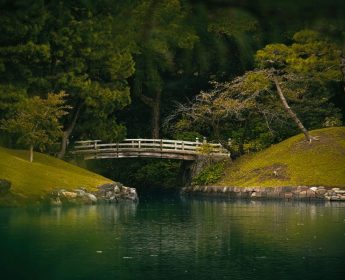 6. Kanazawa
Often called “Little Kyoto,” Kanazawa offers the traditional beauty of geisha districts, samurai houses, and one of Japan’s most beautiful gardens (Kenrokuen) with fewer crowds and lower prices. The historic Chaya and Nagamachi districts are free to explore on foot, transporting you back to feudal Japan. It’s a cultural gem that’s easier on the wallet.
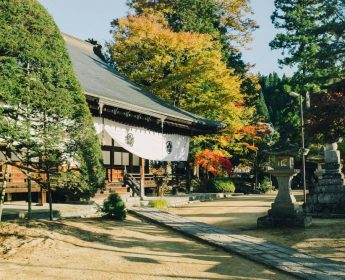 7. Takayama
Nestled in the Hida Mountains, Takayama provides a taste of rural Japan. Its beautifully preserved old town is a delight to walk through, with sake breweries and craft shops. Morning markets offer local snacks and produce, and the surrounding mountains provide stunning, free hiking opportunities. It’s a breath of fresh, affordable mountain air.
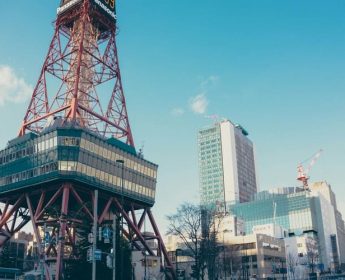 8. Sapporo
The capital of the northern island of Hokkaido, Sapporo is a modern city surrounded by epic nature. Outside of the famous Snow Festival in February, accommodation is very reasonable. Odori Park cuts through the heart of the city, and the Nijo Market is a great place to sample fresh, affordable seafood. In summer, it’s a perfect escape from the heat and humidity of the south.
 9. Nikko
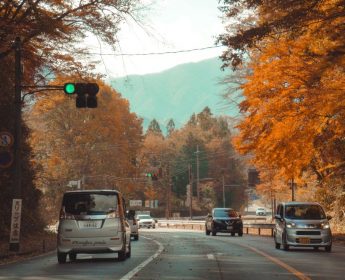
A stunning temple complex set in the mountains north of Tokyo, Nikko‘s main shrines (a UNESCO World Heritage site) require a combined ticket, but the surrounding national park is a free playground. You can hike to waterfalls like the Kegon Falls and enjoy the serene beauty of Lake Chuzenji. Stay in the town for more budget-friendly guesthouses.
 10. Okinawa
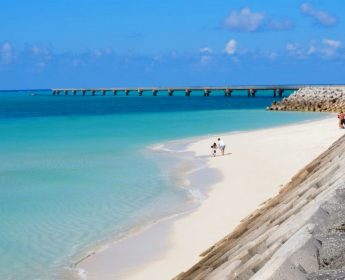
For a completely different side of Japan, head to the subtropical islands of Okinawa. Budget flights connect it to the mainland. While there are plenty of luxury resorts, you can find cheap guesthouses (minshuku). Rent a car to explore the island’s stunning free beaches, unique Ryukyuan culture, and historical sites. It offers a tropical beach vacation on a Japan-level of safety and cleanliness.
Free or Low-Cost Activities in Japan
You don’t need to pay big entrance fees to soak up Japan’s magic. Many of the best experiences are cheap or free.
- Visit shrines and temples- some are free, others have small entry fees (¥200-¥500).
- Explore public parks (Shinjuku Gyoen, Ueno Park, gardens) especially during cherry blossom or autumn leaf seasons.
- Wander neighborhoods- Harajuku, Nakameguro, Yanaka, Higashiyama etc. – just walking, exploring shops, local cafés.
- Attend free festivals. Japan has many matsuri (festivals) throughout the year, many with no entrance charge.
- Hiking & nature: Many trails, viewpoints are free or very low cost. Rural Japan and national parks often have minimal fees.
- Museums: Some have free-entry days; others are very low cost. Plan ahead by checking websites.
- Window shop: Districts like Ginza in Tokyo or the covered shotengai (shopping arcades) found in most cities are fascinating to walk through, even if you don’t buy anything.
- Use city passes where helpful: subway day passes, regional passes. Compare to pay-as-you-go.
Frequently Asked Questions
1. Is Japan expensive for tourists?
It doesn’t have to be. While luxury options are plentiful, Japan is incredibly friendly to budget travelers. By using affordable accommodation like hostels, eating at convenience stores and ramen shops, and utilizing smart transportation choices, you can create a Japan travel budget that is surprisingly low.
2. How much money do I need for 7 days in Japan?
For a 1-week budget trip in Japan, a reasonable estimate is between $500 and $700 USD per person, after you’ve paid for your international flights. This would cover accommodation, local transport, food, and a few minor attraction fees.
3. What is the cheapest month to travel to Japan?
The shoulder seasons are generally the cheapest. Think of late autumn (October-November) and late spring (May, after Golden Week). The absolute cheapest times are often in the winter (January-February, outside of the Sapporo Snow Festival). Avoid peak cherry blossom season (late March-early April) and major holidays like Golden Week (late April-early May) and Obon (mid-August), when prices for flights and hotels soar.
4. Is the Japan Rail Pass worth it?
Yes, if you intend to travel between multiple cities (e.g. Tokyo ↔ Kyoto ↔ Osaka or further). If you just stay in one region or city, sometimes buying individual tickets + regional passes is cheaper. Always run the numbers ahead of time.
5. Can I travel safely on a tight budget?
Yes, Japan is very safe, clean, and reliable. Facilities are good, public transport is safe, food hygiene is high. A tight budget will mean simpler lodging and fewer luxuries, but basic travel is quite feasible.
6. Is cash necessary in Japan?
While Japan is becoming increasingly card-friendly, it is still a cash-based society in many ways. Major hotels, department stores, and chain restaurants will accept credit cards, but you’ll need yen for smaller restaurants, local markets, street food stalls, and temple entrance fees. It’s wise to always carry a reasonable amount of cash with you.
7. What are hidden costs to watch out for?
- Transportation within cities (subways, buses) not covered by JR Pass.
- Luggage or baggage transfer costs.
- Entrance fees to attractions, which add up.
- Peak season surcharges.
- Currency exchange fees.
- Food and drink “splurge” nights or unexpected treats.




There are no comments.