
For many, the idea of visiting Canada during its coldest months might seem daunting. But for those in the know, it’s a season of unparalleled beauty, thrilling adventures, and cozy moments.
Canada’s winter offers a more intimate and authentic experience. It’s a time when cities sparkle with festive lights, and the wilderness transforms into a playground for a different kind of traveler. This guide will walk you through everything you need to know to plan an amazing trip to this winter wonderland.
What Months Are Winter in Canada?
Officially, it’s December to February, but the real winter experience is much broader.
Given the sheer size of the country, “winter” in Canada is less of a fixed date on the calendar and more of a feeling that arrives at different times depending on where you are. Many regions experiencing winter conditions from November through March, and sometimes even into April.
| Region | Early Winter (Nov–Dec) | Deep Winter (Jan–Feb) | Late Winter / Transition (Mar–Apr) |
| Southern British Columbia (Vancouver, Victoria, coastal BC) | Highs 4~11 °C (39~52 °F), lows 1~5 °C (34~41 °F).
Mostly rainy with mild chill; mountains nearby already have heavy snow for skiing. |
Highs 4~6 °C (39~43 °F), lows 0~2 °C (32~36 °F).
Coast stays damp and grey, while ski resorts enjoy peak snow. |
Highs 8~15 °C (46~59 °F), lows 3~8 °C (37~46 °F).
Cities feel springlike by April, but alpine slopes remain snowy. |
| Prairies & Interior Alberta (Calgary, Edmonton, Banff) | Highs -5 to 2 °C (23~36 °F), lows -15 to -4 °C (5~24 °F).
Snow arrives early; icy winds sweep across the plains. |
Highs -8 to -2 °C (17~28 °F), lows -18 to -10 °C (0~14 °F).
Coldest stretch of the year with deep snow and crisp blue skies. |
Highs -2 to 10 °C (28~50 °F), lows -10 to -2 °C (14~28 °F).
Days lengthen, snow softens; mountain resorts still active. |
| Eastern Canada (Toronto, Montréal, Québec City, Halifax) | Highs -5 to 7 °C (23~45 °F), lows -12 to 0 °C (10~32 °F).
Snow begins in December; cities glow with holiday lights. |
Highs -10 to -2 °C (14~28 °F), lows -18 to -8 °C (0~18 °F).
Harshest period; rivers freeze, snowstorms common. |
Highs -2 to 12 °C (28~54 °F), lows -9 to 4 °C (16~39 °F).
March brings thaw and slush; April finally feels like spring in the south. |
| Northern Canada (Yukon, Northwest Territories, Nunavut) | Highs -25 to -10 °C (-13~14 °F), lows -35 to -20 °C (-31~ -4 °F).
Daylight is short; bitter cold dominates. |
Highs -26 to -15 °C (-15~5 °F), lows -40 to -28 °C (-40~ -18 °F).
Long nights, extreme cold, but ideal for Northern Lights. |
Highs -15 to 0 °C (5~32 °F), lows -30 to -10 °C (-22~14 °F).
Spring is late; March still icy, April brings only slight relief. |
Is Winter a Good Time to Visit Canada?
Yes. If you are prepared for the cold, winter is one of the most rewarding times to visit Canada. Ski resorts are in full swing, cities sparkle with holiday decorations, and natural wonders like frozen waterfalls and the Northern Lights offer unique experiences you won’t find in summer.
Best Month to Visit in Winter
December is magical for holiday markets, Christmas lights, and early ski season, but it can be busy and expensive.
January is the coldest month, perfect for reliable snow conditions and quieter travel after the holidays – ideal for skiing, snowboarding, or winter festivals.
February combines deep snow with slightly longer days; Québec Winter Carnival and Ottawa’s Winterlude make this month especially lively.
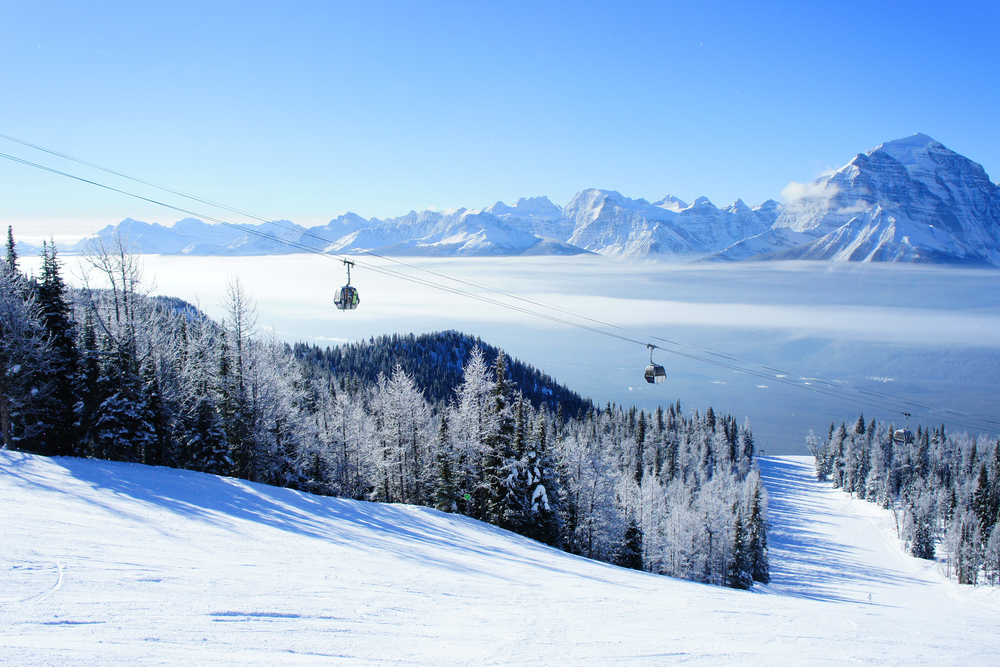
March is a sweet spot for travelers who want milder weather while still enjoying snow sports. In Western Canada, ski resorts often stay excellent into April.
👉 For many travelers, February and early March strike the best balance: plenty of snow, festive events, and slightly more daylight without the extreme holiday crowds.
Best Places to Visit in Canada During Winter
Canada is vast, and every region offers a unique winter experience. Here are some of the best places to consider for your Canada winter travel.
 1. Banff National Park, Alberta
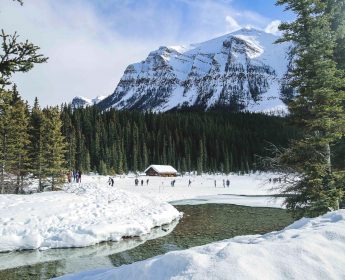
Nestled in the heart of the Canadian Rockies, Banff is arguably the most iconic winter destination in Canada. I’ll never forget my first time driving towards Banff and seeing the Rockies rise up like jagged white giants. The town itself is charming, but the real magic lies in the surrounding nature.
Ice skating on a frozen Lake Louise, with the Victoria Glacier as your backdrop, is a moment of pure awe. And the Johnston Canyon Icewalk feels like stepping into the fortress of an ice queen. For skiers, the “Big 3” resorts are world-class. And the drive along the Icefields Parkway, though conditions can be challenging, offers some of the most spectacular winter scenery on the planet. My tip? Visit the Banff Upper Hot Springs on a snowy evening. There’s nothing quite like soaking in hot mineral water while fresh snowflakes melt on your face.
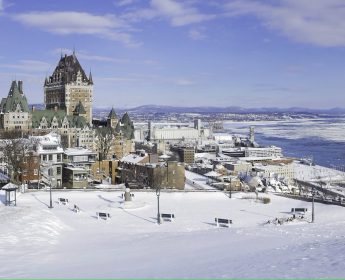 2. Quebec City, Quebec
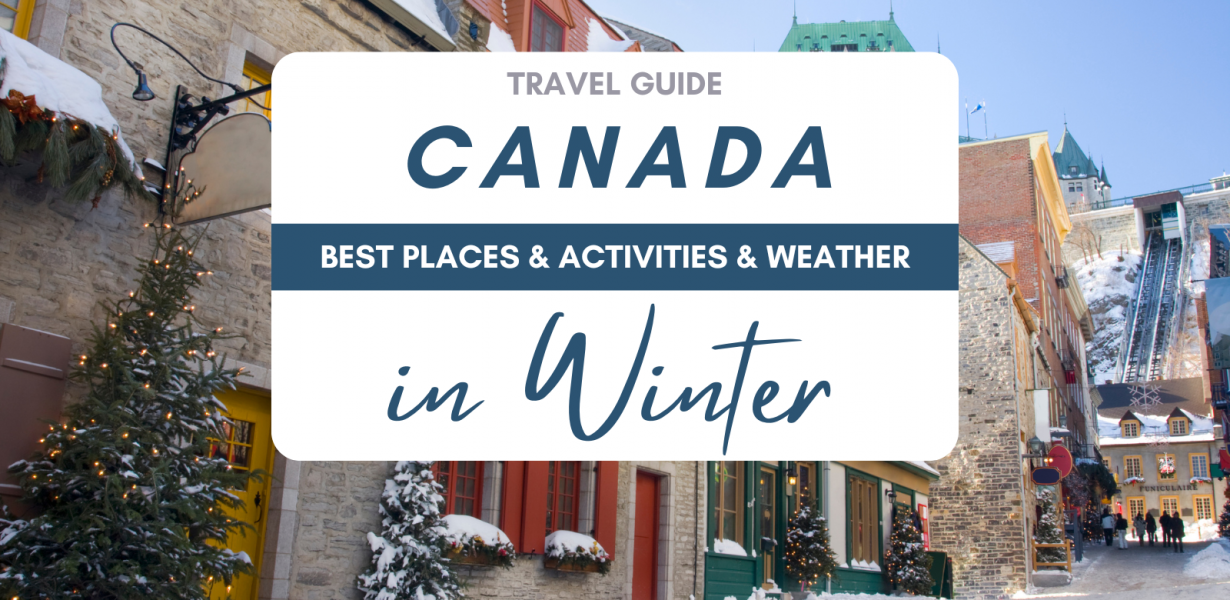
If you’re dreaming of a European-style winter escape without crossing the Atlantic, Quebec City is the place to be. The historic Old Quebec, a UNESCO World Heritage site, is even more magical under a blanket of snow. Cobblestone streets are adorned with festive lights, and the charming 17th and 18th-century architecture will make you feel like you’ve stepped into a real-life snow globe.
The city leans into winter with such joy, especially during the Quebec Winter Carnival. You haven’t lived until you’ve had a glass of caribou (a potent local concoction) at an outdoor ice bar while watching Bonhomme Carnaval parade by. It’s pure romance and history, wrapped in a cozy winter blanket.
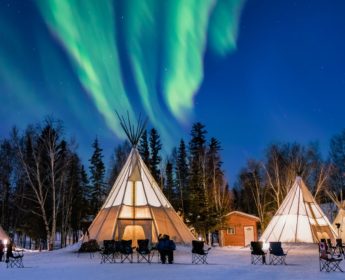 3. Yellowknife, Northwest Territories
If seeing the Aurora Borealis is on your bucket list, this is the place. I went to Yellowknife specifically for the Northern Lights, and it did not disappoint. The experience of standing on a frozen lake in the dead of night as curtains of green and purple light ripple across the sky is something that will stay with me forever.
Yellowknife is a frontier town with a ton of character. You can try dog sledding with a local musher or go ice fishing in a heated shack. It’s a true northern adventure that will give you a new appreciation for the vastness and beauty of Canada’s wilderness.
 4. Vancouver, British Columbia
Vancouver offers a different kind of winter, a milder, greener one. While the rest of the country is buried in snow, you can often walk the seawall or explore Stanley Park with just a raincoat.
But what I love about Vancouver in winter is its proximity to the mountains. You can be enjoying a coffee in a downtown cafe in the morning and be skiing or snowshoeing on Grouse Mountain, with stunning views of the city below, by the afternoon. It’s the perfect “winter-lite” destination for those who want a taste of the season without the extreme cold.
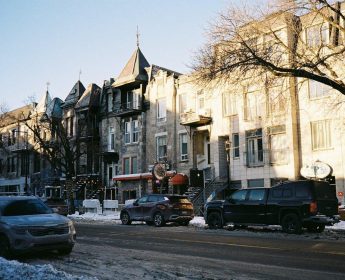 5. Montreal, Quebec
Montreal is Quebec City’s vibrant, energetic sibling. It embraces winter with a cool, urban flair. I love the Montréal en Lumière festival, which lights up the city with art installations and features fantastic food events. You can skate on the rink in the Old Port, explore the city’s famous underground network (RESO), and then dive into its incredible food scene.
Montreal is where cozy French bistros, lively hockey games at the Bell Centre, and cutting-edge cultural events come together to create a winter experience that’s both exciting and deeply comforting.
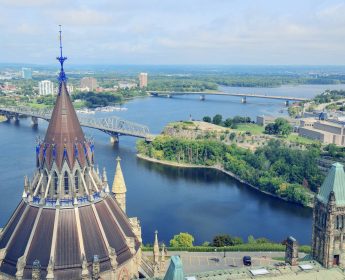 6. Ottawa, Ontario
Canada’s capital city truly comes alive in the winter. Ottawa’s centerpiece is the Rideau Canal, which transforms into the world’s largest naturally frozen skating rink. Spanning nearly 8 kilometers, the Rideau Canal Skateway is a beloved local tradition and a must-do for any visitor. You can rent skates and glide past some of the city’s most famous landmarks, stopping for a hot chocolate and a BeaverTail (a classic Canadian pastry) along the way.
During the Winterlude festival in February, the city is a hub of activity with incredible ice sculptures at Confederation Park and a giant snow playground for kids of all ages. It’s a wholesome, family-friendly city that truly shines in the winter.
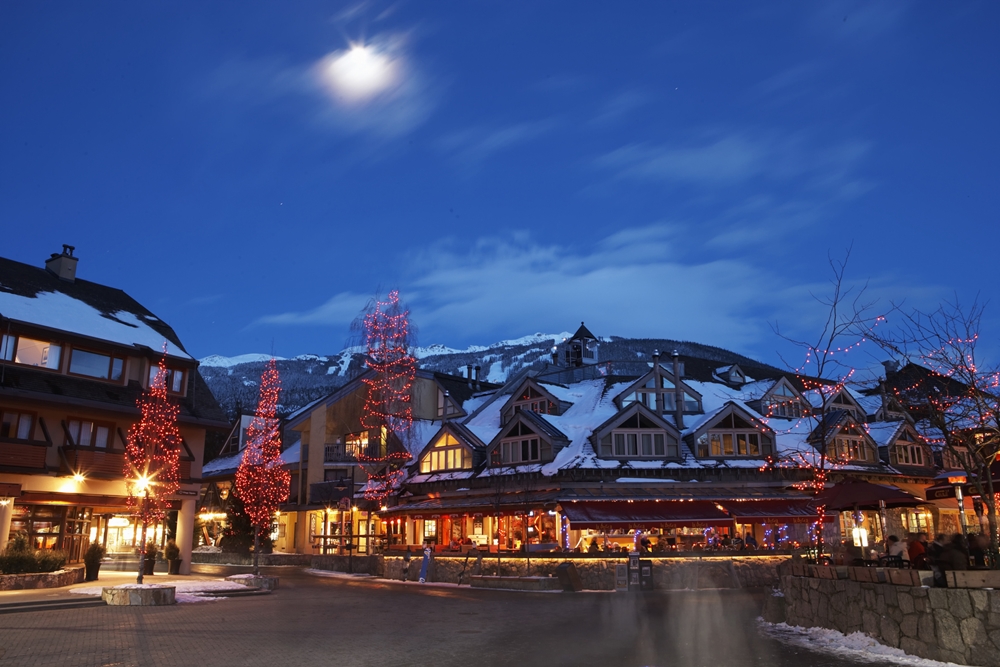 7. Whistler, British Columbia
Consistently ranked as one of the top ski resorts in North America, Whistler is the promised land for anyone serious about skiing or snowboarding. The sheer scale of the two mountains, Whistler and Blackcomb, is mind-boggling. I’ve spent weeks here and still haven’t explored every run.
The village itself is a masterclass in resort design, pedestrian-only, with an electric atmosphere and an après-ski scene that’s second to none. But it’s not just for adrenaline junkies. A quiet snowshoe trek through the Callaghan Valley or a relaxing afternoon at the Scandinave Spa offers a perfect balance to the high-octane energy of the slopes.
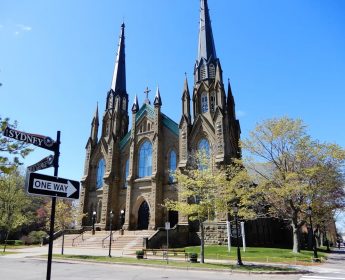 8. Charlottetown, Prince Edward Island
For a quieter, more charming winter getaway, I adore PEI. While it’s famous for its green gables in the summer, I find it just as enchanting in the winter.
Charlottetown is beautiful under a layer of snow, with its colourful Victorian houses and historic streets. The island’s rolling landscapes become perfect for cross-country skiing and snowshoeing. It’s the kind of place where you can curl up in a cozy inn with a good book, enjoy incredible local seafood, and feel the friendly, small-town pace of life. It’s a true escape.
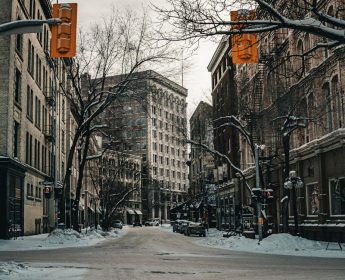 9. Winnipeg, Manitoba
Winnipeg might just be Canada’s most underrated winter city. Yes, it gets incredibly cold, but Winnipeggers don’t just tolerate winter; they celebrate it. The heart of the action is at The Forks, where the Red and Assiniboine rivers meet. Here you’ll find a beautifully designed river trail for skating, lined with unique warming huts created by artists and architects from around the world. The Festival du Voyageur is a fantastic celebration of French-Canadian and Métis culture, and the Canadian Museum for Human Rights is a powerful, must-visit institution, perfect for a cold afternoon.
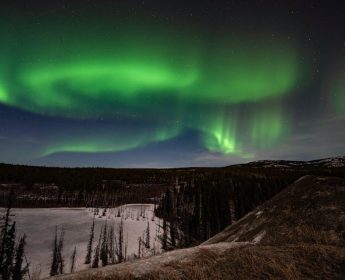 10. Whitehorse, Yukon
Whitehorse is the gateway to a more rugged and truly northern experience. The main attraction here is the awe-inspiring Aurora Borealis, or Northern Lights. From late August to mid-April, the Yukon offers some of the best chances in the world to witness this spectacular natural phenomenon. You can book a guided tour that will take you away from the city lights to a cozy viewing cabin or a heated yurt.
Beyond the aurora, the Yukon offers unique activities like dog mushing, ice fishing, and exploring the stunning, untouched wilderness of Kluane National Park. It’s a destination for the adventurous soul looking for a true taste of the Great White North.
Top Winter Activities & Events in Canada
If you’re looking for more than just stunning scenery, winter in Canada is packed with activities and events to get your heart racing and create lasting memories.
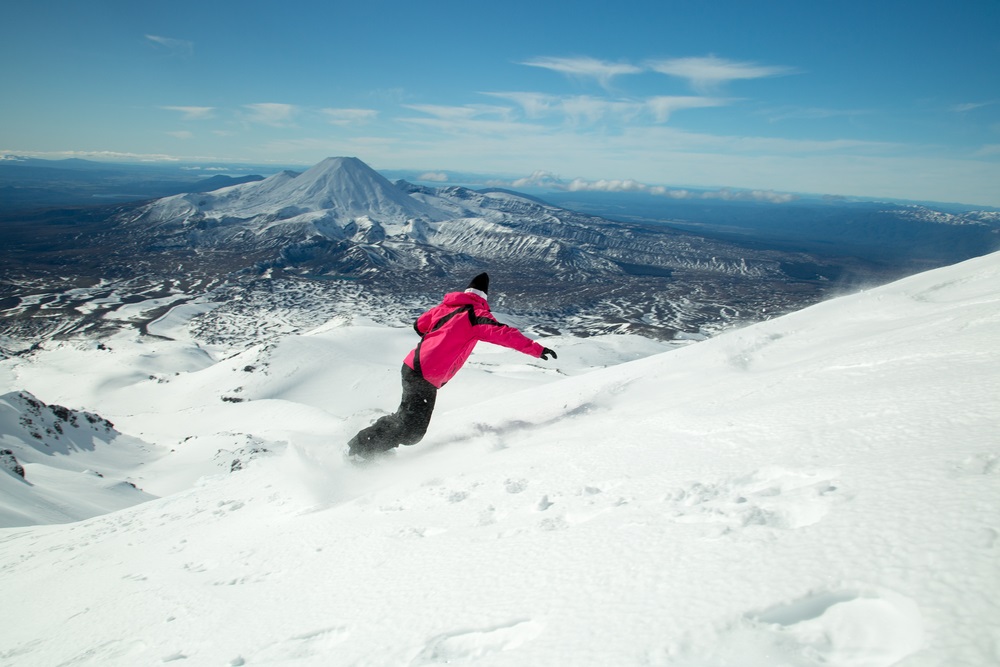
Skiing and Snowboarding
From the Rockies in the west to Mont-Tremblant in the east, Canada boasts world-class ski resorts for all skill levels.
Ice Skating
Whether it’s on a frozen lake in the mountains or a maintained urban rink, ice skating is a quintessential Canadian winter pastime.
Dog Sledding
Experience the thrill of gliding through a snowy landscape pulled by a team of enthusiastic huskies. It’s a unique way to connect with nature and a rich Canadian tradition.
Snowshoeing
A peaceful and accessible way to explore Canada’s winter trails and forests. If you can walk, you can snowshoe.
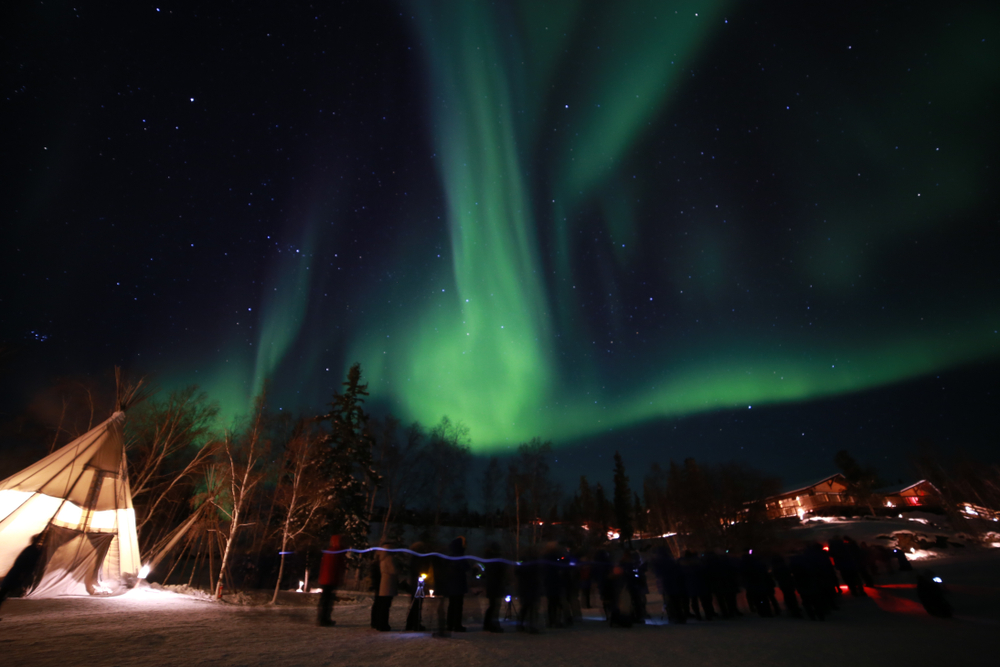
Witness the Northern Lights
Head to the northern territories like the Yukon or Northwest Territories for the best chance to see the magical Aurora Borealis.
Attend a Winter Festival
Canadians know how to celebrate winter. Check out the Quebec Winter Carnival, Ottawa’s Winterlude, or the Festival du Voyageur in Winnipeg for music, food, and fun.
Ice Fishing
A patient but rewarding activity. Huddle in a heated shack on a frozen lake and try your hand at catching a fish through the ice.
Storm Watching
On Vancouver Island‘s wild west coast, particularly in Tofino, winter brings dramatic storms. Watching the massive waves crash against the shore from the comfort of a cozy lodge is a surprisingly popular and exhilarating experience.
How I Prepare for a Canada Winter Trip
Proper preparation is key to enjoying your Canada winter experience. The cold is no joke, but with the right gear and mindset, you’ll be comfortable and ready for anything.
Layers are your best friend: This is the golden rule.
- Base Layer: Merino wool is my go-to. It wicks sweat and stays warm even when damp.
- Mid-Layer: A fleece or a lightweight down jacket provides insulation.
- Outer Layer: A waterproof and windproof jacket and snow pants are non-negotiable.
Protect your extremities: Don’t forget a warm hat (a toque, as Canadians call it), a scarf or neck warmer, insulated and waterproof gloves or mittens, and warm, moisture-wicking socks (wool is best).
Footwear is crucial: Invest in a good pair of insulated and waterproof winter boots with excellent grip. Cold, wet feet will ruin your day faster than anything else.
Winter driving: If you’re planning to rent a car, be aware that winter driving can be hazardous. Ensure your rental is equipped with winter tires (which are mandatory in some provinces). Always check road conditions before you head out, especially if you’re driving through mountain passes.
Stay hydrated and moisturized: The cold, dry air can be dehydrating. Drink plenty of water and bring lip balm and moisturizer to protect your skin.
Embrace the shorter days: The days are shorter in winter, so plan your outdoor activities for the daylight hours. The evenings are perfect for cozying up by a fire, enjoying a nice meal, or exploring the nightlife.
Be flexible: Winter weather can be unpredictable. Flights can be delayed, and roads can close. Build some flexibility into your itinerary and have a backup plan.
FAQ
When is the best time to see the Northern Lights in Canada?
The best time to see the Northern Lights is from September to mid-April, when the nights are long and dark. Head north to places like Yellowknife, Whitehorse, or even northern Manitoba for the most spectacular shows. Clear skies are essential!
How cold does it get in Canada in the winter?
The Canada weather in the winter varies significantly by region. The west coast (like Vancouver) is mild and rainy, with temperatures often above freezing. In contrast, the prairies (like Winnipeg) and the north can see temperatures drop to -30°C (-22°F) or even colder. Eastern cities like Toronto and Montreal typically range from -5°C to -15°C (23°F to 5°F), but cold snaps can bring much lower temperatures.
What should I pack for a trip to Canada in winter?
Focus on warm, waterproof, and layered clothing. Essential items include a thermal base layer, fleece mid-layers, a waterproof and insulated winter coat, snow pants, waterproof winter boots, a warm hat, gloves or mittens, a scarf, and wool socks.
Is it expensive to visit Canada in the winter?
It can be more affordable than visiting in the peak summer season. Flights and accommodations are often cheaper, especially in January and early February. However, prices for ski resorts and popular destinations can be high, particularly around the Christmas and New Year holidays.
Can you see wildlife in Canada during the winter?
While many animals hibernate, you still have a chance to see wildlife. In the Rocky Mountains, you might spot elk, deer, bighorn sheep, and maybe even a moose. The west coast is excellent for eagle viewing in the winter. Just remember to always keep a safe distance and never feed wild animals.
Conclusion
Visiting Canada in winter can be magical. If you like dramatic landscapes, snowy scenes, festive energy, and winter sports, winter is a great time. The trade-offs are real: cold, shorter days, needing the right gear. But with the right planning, winter in Canada becomes one of the most memorable travel experiences.





There are no comments.