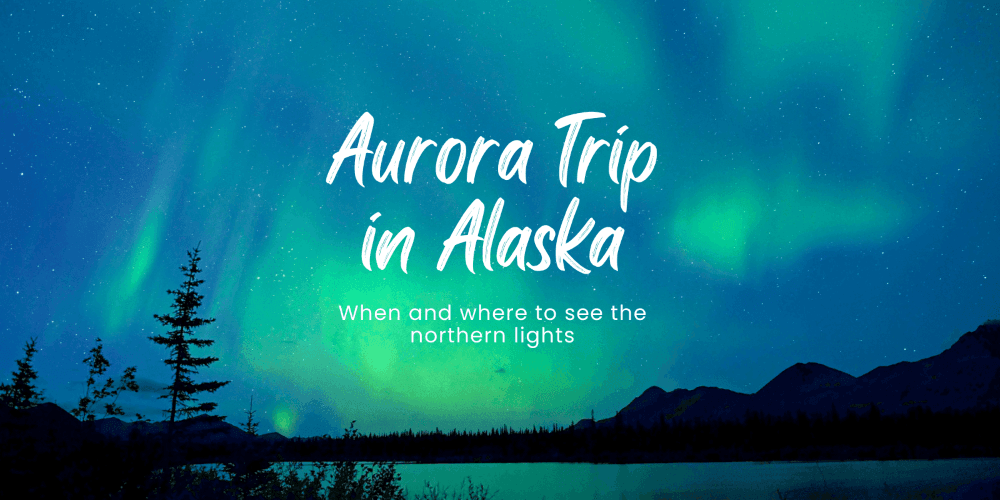

If you’ve ever looked up at a dark, cold sky and wondered whether you might see the shimmering curtains of color known as the aurora borealis, Alaska is one of the best places on Earth to make that happen.
Alaska is huge, raw, and dramatic. You’ll find towering snow-capped mountains, icy rivers, vast forests, quiet rural towns, and (when conditions are right) the sky dancing in greens, purples, reds overhead.
This article will help you figure out the best time to see northern lights in Alaska, where you can go, what tours are good, how to plan, and answer some common questions. By the end, you should feel ready to plan your aurora trip in Alaska with confidence.
TOP PICKS: Fairbanks | Multi-day Vacations | Things to Do
Best Month to Visit Alaska to See the Northern Lights
If you ask most locals or tour guides, the best time for an aurora trip in Alaska is from late August to April.
But within that span there are highs and lows:
| Time period | What makes it good | What else you can expect / drawbacks |
| Late August → September / early October | Nights get longer, but it’s not brutally cold. Good balance of daylight and darkness. Equinox (around late September) boosts auroral activity. | Weather can be a bit unpredictable. Some trails or roads may still be muddy. Wildlife & fall foliage offer extra beauty. |
| November → January | Longest, darkest nights. When Alaska is deeply wintery, you have the most hours of dark sky, so better chance to see Alaska northern lights especially in Interior & Arctic regions. | Extreme cold. Some daylight hours are very short. Travel or lodging may be more challenging. More snow means limited access in remote areas. |
| February → March | Nights are still long, but daylight returns more and weather can be more stable. Spring equinox (March) often gives heightened aurora potential. | Roads, services may still be winter-limited. Some remote lodges might open seasonally. Cold remains, especially at night. |
So overall, if you have to pick one sweet spot, many recommend February and March, or September. If you can endure the cold, November-January gives maximum darkness, more opportunities.
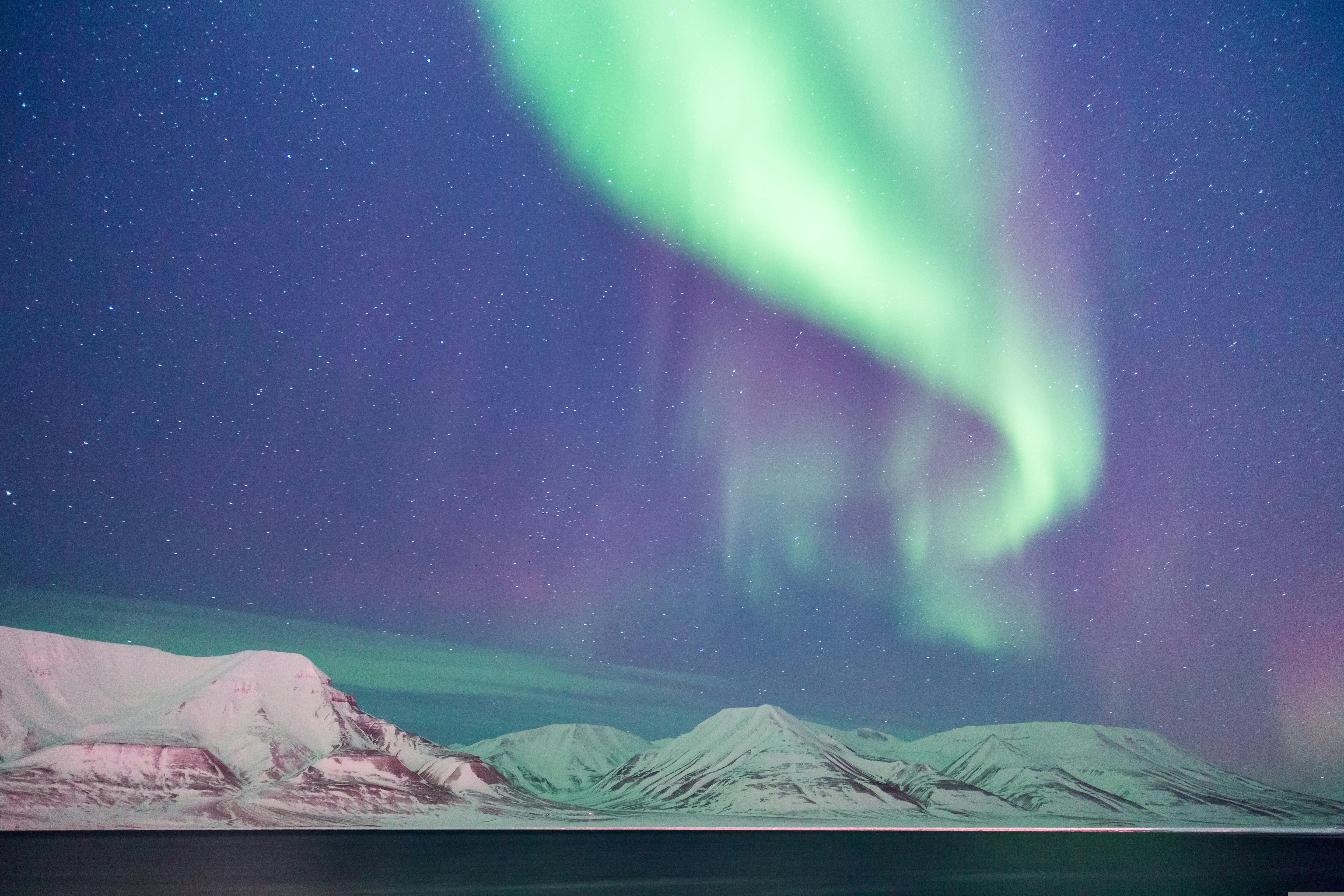
Other things you’ll experience in those months:
- Winter recreations: dog sledding, snowmobiling, ice fishing, snowshoeing.
- Scenic landscapes: frozen lakes, glaciers, snow-covered trees.
- Fewer crowds (outside peak summer) meaning more solitude and often lower travel/lodge costs.
- On the flip side: limited daylight hours for other sightseeing, harsher travel conditions, and you might need more gear (warm clothing, winter gear).
Best Places in Alaska to See the Aurora Borealis
There are many places in Alaska where you can see the northern lights, but some are reliably better because of latitude, low light pollution, accessibility, and weather patterns.
Your best bet is the Interior and Arctic regions of Alaska – Fairbanks and places north of it. These locations are under or very near the auroral oval (a ring‐shaped zone around the Earth where auroras are most frequent). South of that, you can still see the lights, but you’ll need clear skies, less light pollution, and perhaps more luck.
Here are the top locations:
Fairbanks & Surroundings
Fairbanks is often considered the prime base for an aurora trip in Alaska. It sits under the auroral oval, has good infrastructure (lodges, tours, transport), and a host of nearby spots like Murphy Dome, Chena Hot Springs, Cleary Summit.
You can stay in Fairbanks and still get away from light pollution. Lodges that are built or oriented to maximize north-sky views, even warm cabins or yurts, help. Also, lots of guided options so you’re not left guessing. During the dark winter nights, Fairbanks also offers other winter charm.
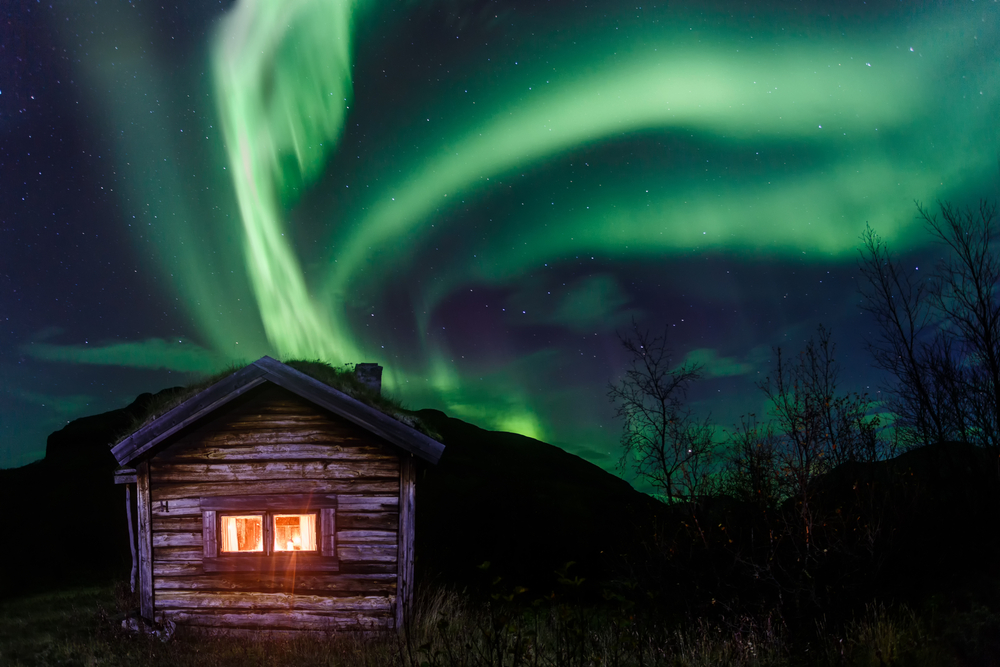
Arctic Alaska (Nome, Coldfoot, Wiseman, Utqiagvik)
These remote places are far north, with very little light pollution and long nights. For example, Coldfoot and Wiseman on the Dalton Highway are popular with travelers who want remote viewing. Utqiagvik (formerly Barrow) is extremely far north.
You’ll get the feeling of wilderness, extreme Alaska; skies are more likely to be clear (depending on region) and aurora displays more frequent. But you trade in accessibility and comfort.
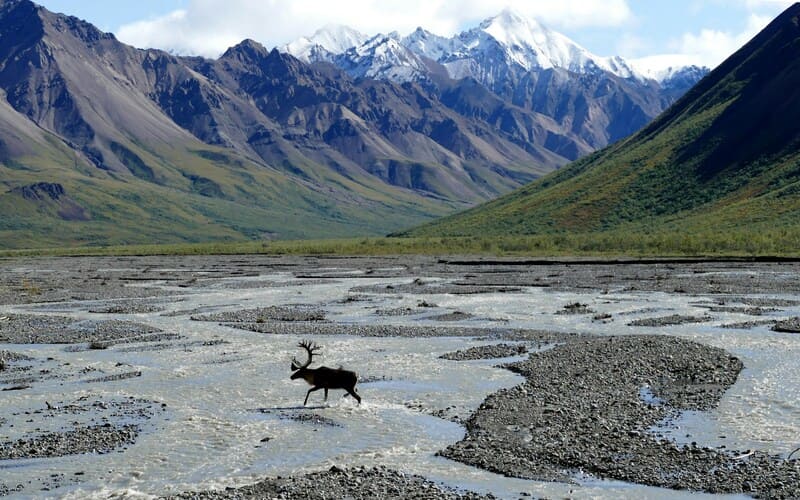
Denali National Park / Talkeetna
Denali area offers dramatic foregrounds – mountains, wilderness – which make aurora photographs or simply the experience more memorable. Talkeetna is more accessible, with lodging, restaurants, and services. During peak aurora season, people will base in Healy (north of Denali gate) or Talkeetna to catch the skies.
Anchorage Region & Southcentral (Mat-Su Valley, etc.)
If Fairbanks or Arctic is too remote, areas around Anchorage, especially Mat-Su Valley (Hatcher Pass; Independence Mine), or trails/ridge-tops around Anchorage, offer decent chances when conditions are good. Light pollution is more, so you’ll want to go to high or remote vantage points.
Best Alaska Northern Lights Tours
To make the most of your aurora trip in Alaska, doing a tour often improves the odds: local guides know the best spots, they watch forecasts, handle logistics, offer warm shelters, and often combine aurora viewings with other winter experiences. Here are some tour types & examples to consider:
Fairbanks Northern Lights Vacation Package: A multi-night stay in Fairbanks, with lodging, transport, aurora viewing tours, and sometimes add-ons like Chena Hot Springs, Ice Museum. Good for travelers who want reliable service, moderate cost, and multiple chances to see the lights.
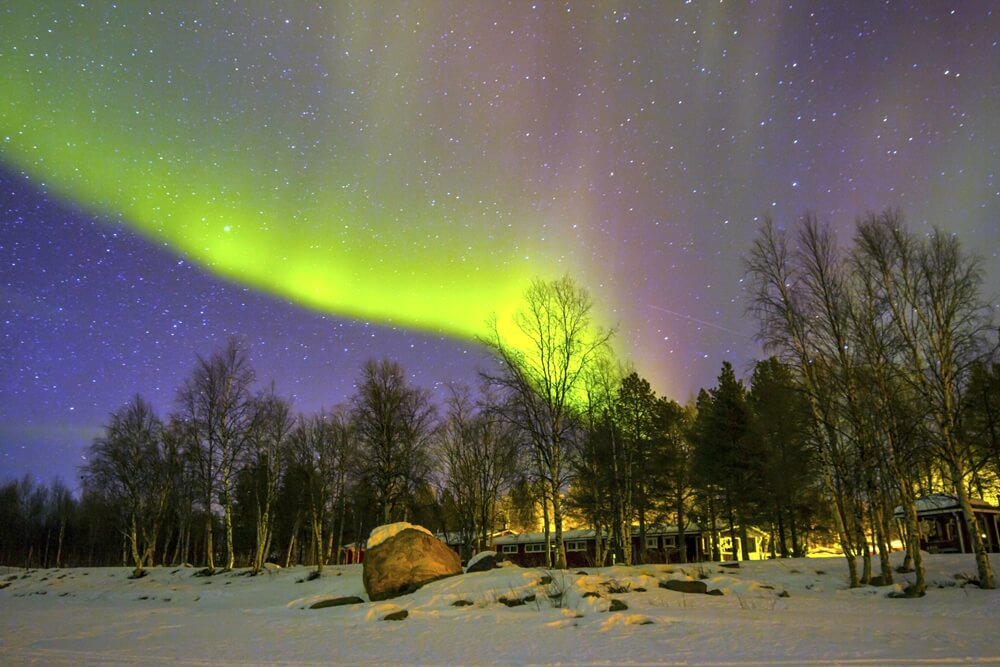
Borealis Basecamp Dome Lodgings: Staying just outside Fairbanks in special accommodations (fiberglass igloos / domes) made for aurora viewing. These give you the luxury of seeing the sky from your sleeping space or nearby without going far every night.
Aurora + Winter Activity Combo Tours: Tours that mix aurora viewings with snowmobiling, dog sledding, hot springs, ice fishing, etc.

Remote Fly-in Wilderness Lodges: For people willing to travel far. For example, Iniakuk Lake Wilderness Lodge (north of Fairbanks, above Alaska’s Arctic Circle) offers fly-in, more isolated aurora viewing with luxury and wilderness combined.
Photography Tours: For aspiring and seasoned photographers alike, a northern lights photography tour is an excellent choice. These tours are led by experienced photographers who will not only take you to the most photogenic locations but also provide expert guidance on how to capture stunning images of the aurora. They’ll help you with camera settings, composition, and other techniques to ensure you come home with incredible photos.
How to Plan a Trip to See the Northern Lights in Alaska
Here are practical tips & experience-based advice so your aurora trip becomes not a gamble, but a smart plan:
- Choose duration wisely
Spending 2-3 nights gives you a chance, but if you can stay 4-6 nights in good aurora season, your odds go way up. One night of bad weather or low aurora activity, and you still have buffer.
- Monitor aurora forecasts & weather
Use tools like the Geophysical Institute of Alaska’s aurora forecast, the Fairbanks aurora tracker, NOAA forecasts. Also regularly check cloud cover forecasts. Even if aurora activity is high, clouds can ruin visibility.
- Pick lodging that helps
Stay places with minimal light pollution. Lodges or camps that are off roads and towns help. Bonus if lodging has features like big windows facing north, accessible viewing decks, warming shelters.
- Time your nights for darkness
Aurora is best seen when skies are dark – usually between ~11 pm. and 2-3 am.
- Pack appropriately
Warm, layered clothing: base layers, insulated jacket, gloves, hats, boots. If you do late nights outside, wind protection matters. Also headlamp, tripod & camera if you plan photography.
- Book in advance
Alaska is a popular destination for aurora viewing, so it’s essential to book your flights, accommodation, and tours well in advance, especially if you’re traveling during the peak season.
- Have backup plans & flexibility
Weather is unpredictable. Plan daytime activities that are good even if aurora doesn’t show. Be ready to move locations if cloud cover is persistent.
- Transport & access considerations
Some remote places require flights, snow travel, or winter road driving. Check road closures, seasonal services. Also check lodging availability way in advance for remote lodges.
Frequently Asked Questions
What is the best month to visit Alaska to see the northern lights?
While the aurora is visible from late August to late April, March is often considered the best month due to the spring equinox, which can lead to more intense auroral displays, and the increased likelihood of clear skies. September is another excellent choice with milder temperatures.
Where is the best place in Alaska to see the aurora borealis?
Fairbanks is widely regarded as the best place in Alaska to see the aurora borealis due to its location under the auroral oval. For a more remote and intense experience, consider traveling north to Coldfoot or Wiseman in the Arctic Circle.
How to plan a trip to see the northern lights in Alaska?
Start by picking your time (see above), then choose a base or bases (Fairbanks is reliable), book lodging in places with good sky view, schedule several nights, monitor aurora/weather forecasts, pack cold-weather gear, and pick tours or lodges that help maximize visibility. Also leave wiggle room for weather changes.
Is Iceland or Alaska better for the Northern Lights?
Both destinations offer terrific northern lights experiences, but they differ in several ways:
| Factor | Alaska | Iceland |
| Latitude & auroral oval location | Parts of Alaska (Interior, Arctic) lie directly under or very near auroral oval, giving very good odds. | Iceland is good, but more southerly; aurora visible often, but sometimes dimmer or more affected by coastal weather/clouds. |
| Weather & cloud cover | Cold winter nights can often mean clearer skies in interior / Arctic. But snowstorms, cloudy nights are still possible. | More maritime climate, more cloud cover, especially on coast; weather can shift rapidly. |
| Accessibility & variety | Alaska is vast. Reaching remote spots may be costlier or more complex; infrastructure varies. But for those who like wilderness, remote beauty, it wins. | More compact; shorter travel distances between sites; fewer wild-north logistics. |
| Other attractions | Wilderness, national parks, hot springs, dog sledding, icy landscapes, forest, wildlife, etc. | Dramatic coastlines, geysers, glaciers, volcanoes, etc. Different kind of scenery. |
If your priority is maximizing aurora visibility under ideal, dark, remote skies, Alaska tends to offer an edge. If you prefer shorter travel distances, milder winter conditions, and combining aurora with geothermal and volcanic features, Iceland might suit better. But for many travelers, combining both or comparing costs & trip styles helps decide.
How much chance do I really have of seeing the northern lights in Alaska?
While nothing is guaranteed (nature is unpredictable!), staying multiple nights during a good season in a good location greatly increases odds. For example, many Fairbanks-based tours and lodging advertise ~90% or higher chance for guests who stay 3+ nights in prime aurora season.




There are no comments.