

The image of Hawaii seems invariably to include swaying palm trees, azure seas and breathtaking sunsets. Yet this “Aloha State” is not a single island, but rather a collection of islands, each with its own personality, landscapes, and travel experiences.
If you’re wondering which Hawaii island is the prettiest or what island to visit for your first or next trip, the answer depends on what kind of vacation you want. This guide breaks down the highlights of each option, complete with practical travel tips.

TOP ISLANDS: Maui | Oahu | Kauai | Big Island
The Best Hawaiian Island for You: A Breakdown
So, what Hawaii island should you visit? Let’s explore the distinct character of each of the main islands, helping you find the one that resonates with your travel style.
Oahu
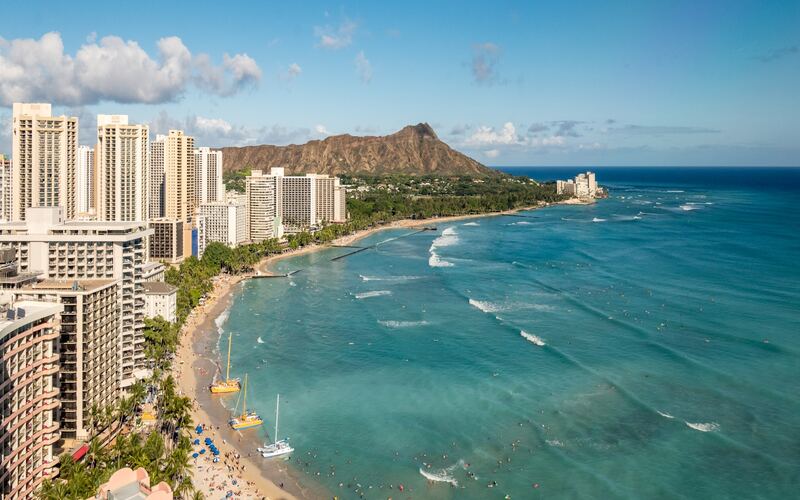
Often called “The Gathering Place,” Oahu is an island of beautiful contrasts, where the bustling energy of Honolulu and the legendary shores of Waikiki Beach meet the laid-back, surf-centric culture of the North Shore. If you crave a vacation that seamlessly blends city comforts with stunning natural beauty, Oahu is your answer.
Things to do:
- Hike Diamond Head for city-meets-ocean views
- Swim with tropical fish at Hanauma Bay, honor history at Pearl Harbor
- Taste local favorites at a shrimp truck on the North Shore
- In winter, watch surfers tackle 30-foot waves at Pipeline
- In summer, the same beaches turn calm and family-friendly
Insider tip: Skip the crowds of Waikiki for a day and head to Kailua or Lanikai Beach, often ranked among the world’s best. Sunrise here is unforgettable.
Best for: First-timers, nightlife seekers, foodies, and anyone who wants variety packed into one island.
Maui
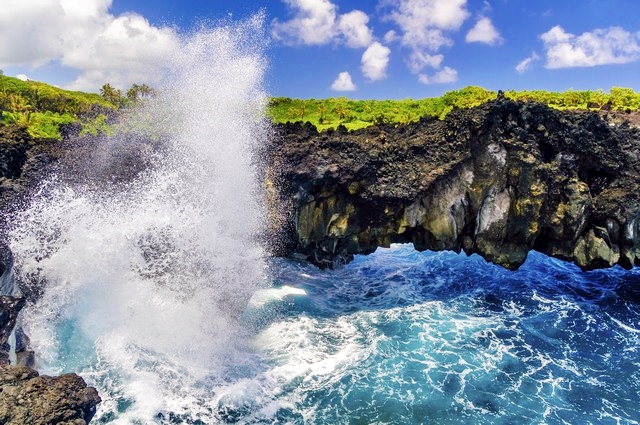
Maui, known as “The Valley Isle,” strikes a perfect balance between the energy of Oahu and the tranquility of the other islands. It is consistently ranked as one of the best islands in the world. Maui is sophisticated yet unpretentious, offering a luxurious feel without losing its authentic island soul.
Things to do:
- Drive the Road to Hana with its 600+ curves, past waterfalls and roadside banana bread stands
- Watch the sunrise from Haleakalā’s volcanic summit, often above the clouds
- In winter, see humpback whales breaching offshore
- Spend lazy afternoons at Wailea’s golden beaches, then dine on fresh ahi poke at a local market
Insider tip: Stay overnight in Hana instead of rushing the Road to Hana. It transforms the drive from a checklist into a soulful journey.
Best for: Couples, families, and anyone seeking equal parts relaxation and adventure.
Kauai
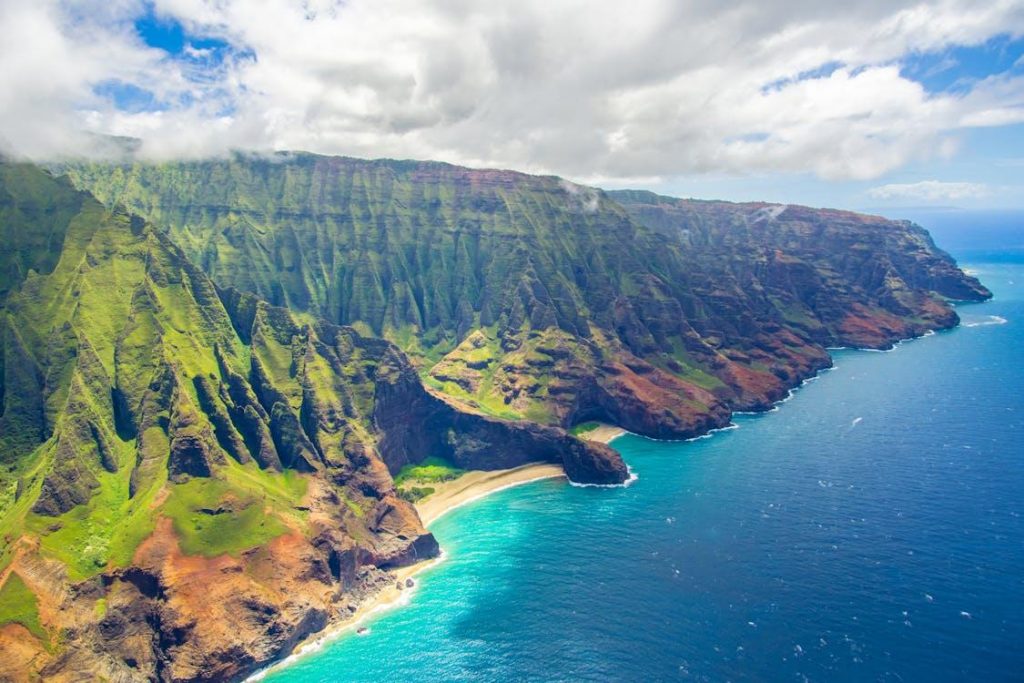
Lush, ancient, and breathtakingly beautiful, Kauai is Hawaii’s “Garden Isle.” As the oldest of the main islands, it has been sculpted by time and the elements into a dramatic masterpiece of nature. This is the Hawaii you’ve seen in movies like Jurassic Park – a land of emerald valleys, jagged cliffs, cascading waterfalls, and pristine, secluded beaches.
Things to do:
- Hike the Kalalau Trail along the Nā Pali Coast, or view it by boat or helicopter
- Explore Waimea Canyon, dubbed the “Grand Canyon of the Pacific,” with fiery red earth against lush green
- Paddle the Wailua River to hidden waterfalls
- Hanalei Bay, with its crescent beach backed by emerald mountains, is postcard perfection
Insider tip: Bring rain gear – Kauai is the rainiest island, but showers are usually brief and create rainbows. Stick to the drier south shore (Poipu) if you want more sun.
Best for: Hikers, photographers, and travelers who prefer serenity over nightlife.
Big Island (Hawai‘i Island)
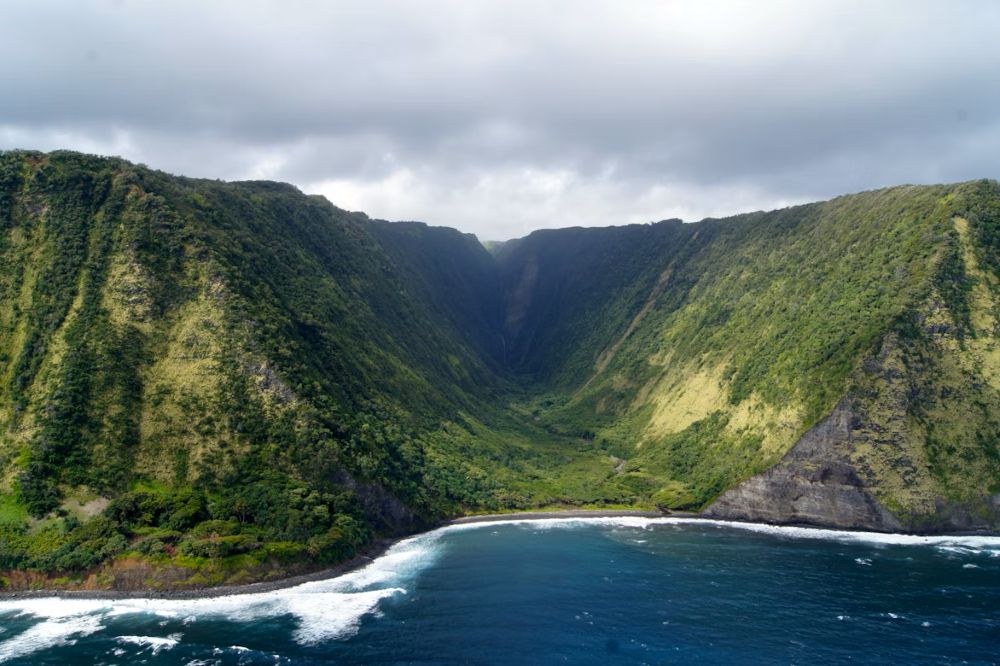
True to its nickname, the Big Island is larger than all the other Hawaiian islands combined, and its diversity is just as vast. It’s an island of fire and ice, home to active volcanoes, snow-capped mountains, black sand beaches, and lush coffee plantations. The Big Island is a world of its own, offering unparalleled adventures for the intrepid explorer and anyone fascinated by the raw power of nature.
Things to do:
- Visit Hawai‘i Volcanoes National Park, where you might see lava flows depending on current activity
- Stargaze from Mauna Kea, home to world-class observatories
- Sample Kona coffee fresh from the source
- Discover beaches of every color: black (Punalu‘u), green (Papakōlea), and even white sands near Hapuna
Insider tip: Plan your trip around either the Kona side (sunny, resorts, snorkeling) or the Hilo side (rainforest, waterfalls). Driving across takes hours, so splitting stays makes sense.
Best for: Adventurers, science buffs, and anyone craving landscapes you won’t find anywhere else.
Lanai
Lāna‘i is small, exclusive, and feels a world apart. With only a couple of luxury resorts (including a Four Seasons), it’s perfect if you want privacy and comfort. But it’s not just about resorts, rent a Jeep and explore Keahiakawelo (Garden of the Gods), a rocky desert-like landscape, or visit Shipwreck Beach with its eerie offshore wreck.
Things to do:
- Hulopoʻe Bay (protected marine life and snorkeling)
- Garden of the Gods (Keahiakawelo) with its bizarre red rock formations
- Shipwreck Beach (wide, windswept, photogenic)
- High-end resort experiences (golf, spas, fine dining)
Insider Tip: The ferry from Maui (Lāna‘i City or Mānele) is an easy day-trip option, but to truly explore rent a 4×4 or Jeep – most of the island’s best scenes are reached via dirt roads.
Best for: Travelers wanting seclusion with comfort, couples seeking quiet luxury, and adventurers who like remote off-road exploration.
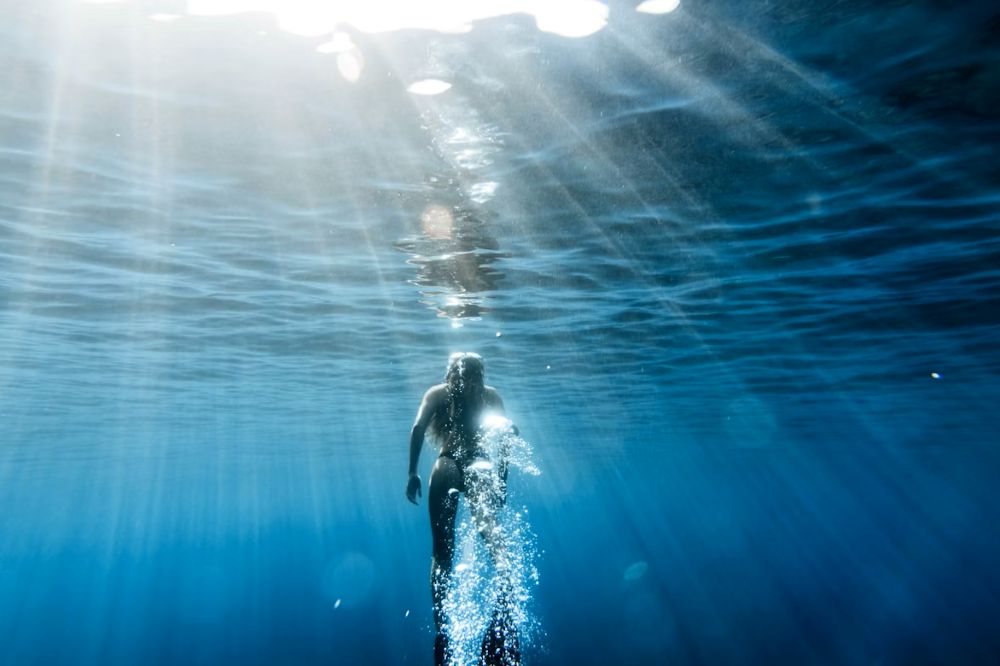
Molokai
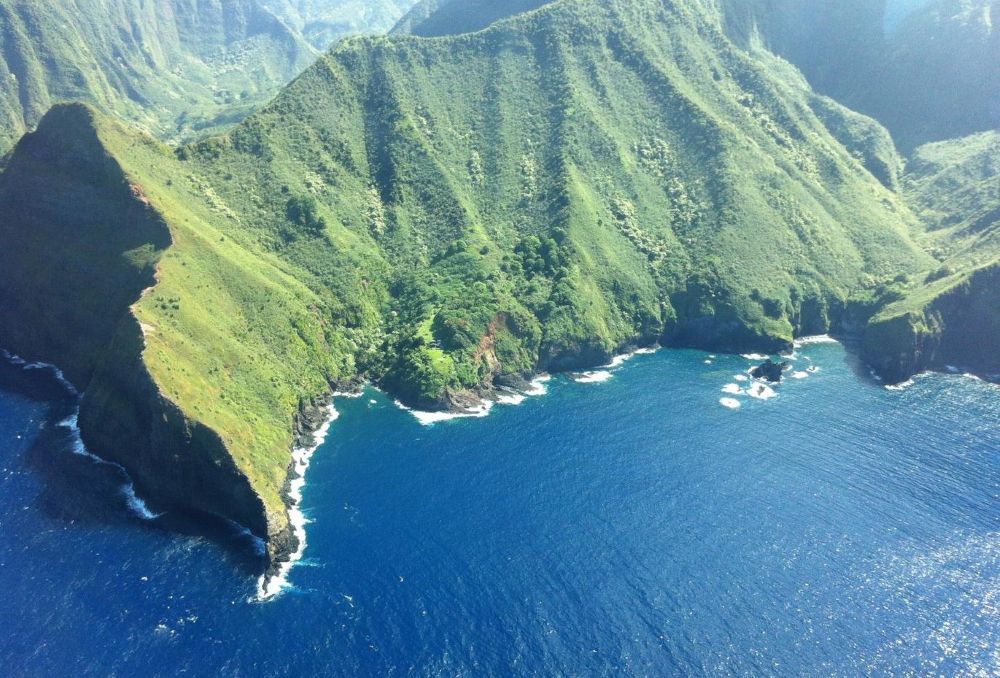
Moloka‘i remains the most traditional of the main islands. With no large resorts or major development, life here moves at a slower pace. Moloka‘i is also one of the best islands to experience real Hawaiian community life – farmers’ markets, fish ponds, and storytelling traditions are still central here. It’s not for everyone – if you want nightlife and shopping, you won’t find it here – but if authenticity and cultural depth matter most, Moloka‘i might be your answer.
Things to do:
- Kalaupapa National Historical Park and its dramatic sea cliffs (guided visits available and deeply moving)
- Halawa Valley hikes with cultural-guided tours and waterfalls
- Papohaku Beach, one of Hawaii’s largest white-sand beaches
- Local ranch experiences
Insider tip: Moloka‘i has minimal tourism infrastructure, there are few big hotels and services close early.
Best for: Travelers seeking authentic Hawaiian culture, history, and quiet reflection; those who prefer low-impact, community-focused travel.
What is the #1 Island in Hawaii?
While “number one” is subjective, Maui often receives the most accolades in travel publications and visitor polls for its ideal mix of stunning beaches, romantic ambiance, and activities that appeal to a wide range of travelers. It offers the resort infrastructure and dining options of a popular destination while still providing ample opportunities to escape into nature on the Road to Hana or atop Haleakalā.
However, for sheer visitor numbers and as a gateway to the islands, Oahu is the undisputed leader, making it the most visited island in Hawaii.
Where Should I Stay for My First Time in Hawaii?
For first-timers, Oahu gives the best sampling of Hawaiian life – easy logistics, a range of hotels, and many iconic sites close by. If you prefer a beach-and-relax vacation with scenic day trips, Maui is an excellent alternative.
Quick match:
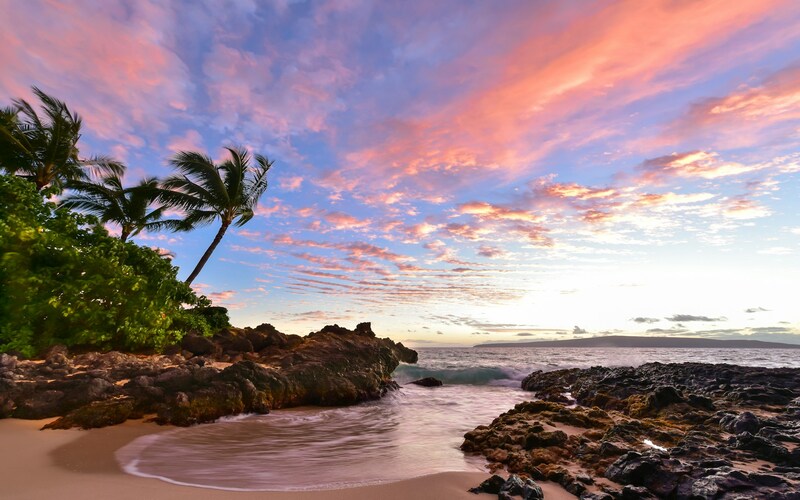
Romantic getaway – Maui (Wailea, Kapalua)
Family-friendly beaches – Maui (Kaanapali), Oahu (Ko Olina)
Active/adventure trip – Big Island
Nature/photography – Kaua‘i
Quiet luxury – Lāna‘i
Cultural immersion/off-grid – Moloka‘i
Is Maui or Oahu Better?
This is a common comparison, and really, which is better depends on what you want. Here are contrasts:
| Feature | Maui | Oahu |
| Pace | More relaxed (outside of major resort areas), less crowded in many places. | More urban, built-up in parts (Honolulu), more tourists. |
| Nature | Gorgeous beaches, whale watching, Road to Hana, waterfalls, Haleakalā sunrise. | Great hikes (Diamond Head, Makapuʻu, Lanikai), beaches, but more mixed with city life. |
| Nightlife | More resort-style dining, quieter evenings in many areas. | More nightlife, more shopping, more museum / historical sites. |
| Cost | Resorts can be pricey; some areas recovering from wildfires though open. Locally, cost of living high. | More options (hostels, mid-price), some cheaper eats & transit; more infrastructure. |
| Best for First Visit | Very strong contender. If you want mix of nature + relaxation + luxury. | Strong for first timer especially if you want mix of culture + beach + city. |
If you want polish + nature + relative calm, go with Maui. If you prioritize culture, history, city plus beach, or have limited time, Oahu may suit you better.
When is the Best Month to Visit the Hawaii Islands?
Hawaii’s incredible weather makes it a year-round destination. However, the best time to visit depends on your priorities: weather, crowds, or price.
The sweet spot for visiting Hawaii is during its “shoulder seasons”:
Spring (April and May): The winter crowds have departed, the summer rush has yet to begin, and the weather is typically fantastic.
Fall (September and October): This period offers some of the best weather of the year with warm ocean temperatures and fewer visitors, leading to better deals on flights and accommodation.
Peak season runs from mid-December through March and again from June through August. Winter is prime time for whale watching, especially in Maui, and big-wave surfing on Oahu’s North Shore. Summer is popular with vacationing families. Expect higher prices and more crowded beaches during these times.
Getting to and Around the Hawaiian Islands
Getting there and moving between and around islands efficiently is important.
Getting to Hawaii:
Most visitors arrive by air at Honolulu’s Daniel K. Inouye International Airport (HNL) on Oahu. It serves as the primary hub for international and domestic flights. However, you can also find direct flights from the U.S. mainland to Kahului Airport (OGG) on Maui, Ellison Onizuka Kona International Airport (KOA) on the Big Island, and Lihue Airport (LIH) on Kauai.
Getting Around the Islands:
Rental car: Renting a car is the most common and recommended way to explore any of the islands, with the partial exception of Oahu. It gives you the freedom to discover hidden beaches, scenic lookouts, and local eateries at your own pace. Book well in advance, especially during peak season. Average costs in 2025 are around $70 per day for a standard car.
Public transportation: On Oahu, TheBus is a fantastic and affordable option for getting around Honolulu and even circling the island. A single fare in 2025 is $3.00, with a daily cap of $7.50. Public transport on other islands is less extensive and not ideal for tourists wanting to explore widely.
Ride-sharing: Uber and Lyft are readily available in the populated areas of Oahu and Maui, but can be less reliable on the Big Island and Kauai, especially in remote locations.
Is Island Hopping in Hawaii Worth It?
Island hopping can be a fantastic way to experience the diversity of Hawaii, but it requires planning.
Is it expensive? It can be, but it’s more accessible than you might think. The cost primarily comes from inter-island flights. Airlines like Hawaiian Airlines and Southwest Airlines offer frequent, short flights (typically 30-50 minutes) between the islands. If you book in advance, you can find one-way fares for as low as $49.
The real cost: The biggest “cost” of island hopping is not always money, but time. A travel day involving packing, checking out of your hotel, driving to the airport, going through security, flying, picking up a new rental car, and checking into your next hotel can easily consume half a day or more of your precious vacation time.
How to plan it: For a trip of 7-10 days, it’s best to stick to one or two islands. If you choose to visit two, a popular and logical pairing is Oahu and Maui, offering a mix of city life and resort relaxation. A sample 10-day, two-island itinerary might look like this:
- Day 1-4: Explore Oahu (Waikiki, Pearl Harbor, North Shore).
- Day 5: Morning flight from HNL to OGG (Maui). Pick up a rental car and settle into your accommodation.
- Day 6-9: Explore Maui (Road to Hana, Haleakalā, beaches).
- Day 10: Fly home from OGG.
Is It Safe to Visit Hawaii?
Hawaii is a very safe destination for tourists. However, like any travel destination, it’s wise to be aware of your surroundings and take common-sense precautions. There are also unique natural elements to consider:
Volcanoes: The Hawaiian Islands were born from volcanoes, and Kīlauea on the Big Island is one of the most active in the world. As of 2025, Kīlauea is actively erupting within the confines of Hawaiʻi Volcanoes National Park, offering safe and spectacular viewing opportunities from designated areas. Always follow the guidance of the National Park Service, stay on marked trails, and never enter closed areas. The air quality can be affected by volcanic smog (vog), which can be a concern for those with respiratory issues.
Hurricanes: Hurricane season in Hawaii runs from June to November, though major storms are rare. If you are traveling during this period, it’s wise to stay informed about any potential storms by monitoring local news and alerts from the Hawaii Emergency Management Agency.
Ocean safety: The Pacific Ocean is powerful and unpredictable. Heed all warning signs and flags on beaches. Never turn your back on the ocean, as rogue waves can appear unexpectedly. Rip currents are a real danger; if you get caught in one, don’t fight it. Swim parallel to the shore until you are out of the current, then swim back to land. When in doubt, don’t go out.
Frequently Asked Questions
Is Maui or Oahu better?
This depends entirely on your travel style. Choose Oahu if you want a mix of city life, history, nightlife, and iconic beaches, and you appreciate the convenience of extensive amenities. Choose Maui if you’re looking for a more relaxed, romantic vibe with stunning natural drives, world-class resorts, and incredible whale watching in the winter.
Where should I stay for my first time in Hawai‘i?
Good idea is staying in Oʻahu (Honolulu / Waikiki) or Maui (Wailea, Kāʻanapali, Kihei). These areas offer a range of lodging (from budget to luxury), access to beaches, good dining, tours, and not too remote. If possible, split stay between two islands (for example 3-4 nights in O‘ahu + 3-4 nights in Maui or Big Island) to see different aspects.
What is the cheapest Hawaiian island to visit?
Oahu is generally the most budget-friendly island. Flights to Honolulu (HNL) are often the cheapest, accommodation options are plentiful and varied (including hostels and budget hotels), and the public transportation system can help you save on rental car costs.
How many days do you need in Hawaii?
A minimum of 7 days is recommended to get a good feel for one island without feeling rushed. If you plan to visit two islands, allow at least 10-12 days to account for travel time between them.
What is the best month to visit Hawai‘i islands?
Aim for April-May or September-October. Lowest crowd pressure, lower hotel prices, good weather, fewer big storms. If you want very specific experiences like whale watching, plan around Dec-Mar (for whales) but accept a trade-off in price / crowds.
Do I need to speak Hawaiian?
No, English is the primary language spoken throughout Hawaii. However, learning a few Hawaiian words like Aloha (hello, goodbye, love) and Mahalo (thank you) is a wonderful way to show respect for the local culture.




There are no comments.