
I still remember the first time I sat in a darkened theater back in 2009, watching the bioluminescent flora of Pandora flicker to life. It was an invitation to a world that felt impossibly vast and yet, strangely familiar. Over a decade later, with the release of Avatar: The Way of Water and the brand-new Avatar: Fire and Ash, that sense of wonder hasn’t faded.
While Pandora exists on a moon light-years away, its bones are buried right here on Earth. Whether it’s the gravity-defying peaks of the Hallelujah Mountains or the crystalline reefs of the Metkayina clan, the “Avatar” saga is deeply rooted in our planet’s most spectacular landscapes.
Where Was Avatar Movies Filmed
One of the most common questions from audiences is, “Wait, where was Avatar filmed? Was it all just a green screen?” The answer is a fascinating blend of high-tech wizardry and old-school location scouting.
For the original Avatar (2009), the filming was split into two distinct worlds. The performance capture – where actors like Sam Worthington and Zoe Saldaña wore those funny suits with dots – took place primarily on a massive soundstage in Playa Vista, California. However, the “soul” of the movie was captured in Wellington, New Zealand, at the legendary Weta Digital studios. But Cameron knew that for the actors to truly feel like they were in a jungle, they needed to touch real bark and breathe humid air. That’s why he took the cast to the rainforests of Hawaii for “sense-memory” training.
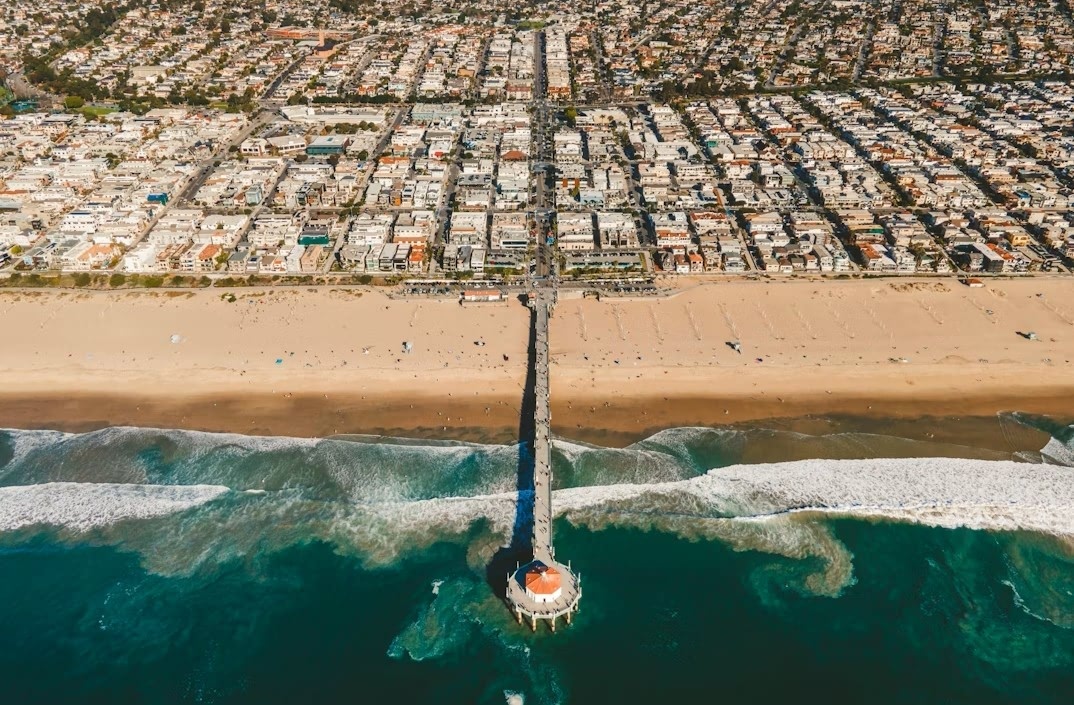
When we moved into the era of Avatar: The Way of Water and Avatar: Fire and Ash, the production moved its home base almost entirely to New Zealand. Most of the live-action sequences were shot at Stone Street Studios in Wellington. However, for the marine-heavy sequel, they built a massive 250,000-gallon water tank in Manhattan Beach, California, capable of mimicking ocean currents. So, while a lot of the final product is “manufactured,” the textures, the light, and the sheer scale are inspired by real-world locations that you can actually visit.
The Real-Life Locations That Inspired Avatar
While you can’t buy a ticket to Alpha Centauri, you can certainly book a flight to the terrains that provided the blueprint for James Cameron’s imagination.
Avatar (2009)
The first film was all about the “Hallelujah Mountains” and the dense, bioluminescent jungles. To find these, we have to head to East Asia and the Pacific.
Zhangjiajie National Forest Park, China
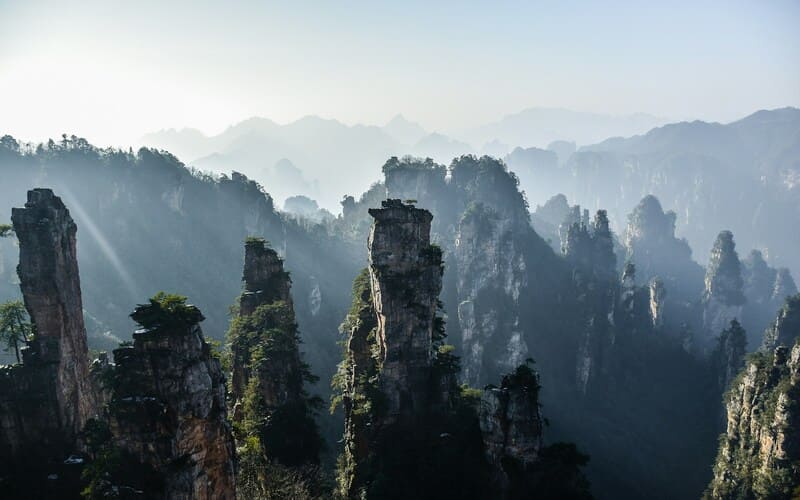
If you’ve ever wondered where are the floating mountains in Avatar, look no further than the Hunan Province. The “Hallelujah Mountains” of Pandora are almost a direct mirror of the Southern Sky Column in Zhangjiajie. In fact, the local government officially renamed the 3,544-foot quartz-sandstone pillar to “Avatar Hallelujah Mountain” in 2010.
When you stand at the “Bridge Under Heaven,” looking out over the 3,000 vertical pillars that rise from the misty valley floor, you’ll feel like you’re waiting for a Banshee to swoop down. The mist here is the key; it settles around the middle of the pillars, making the tops appear to be floating in a sea of clouds. I recommend taking the Bailong Elevator – the world’s tallest outdoor lift – to the top of the Yuanjiajie scenic area. It’s a dizzying, exhilarating way to see the avatar filming locations china has to offer. Make sure to visit on a slightly overcast day, the fog adds that “Pandoran” mystery that clear blue skies just can’t replicate.
Keahua Arboretum, Kauai, Hawaii
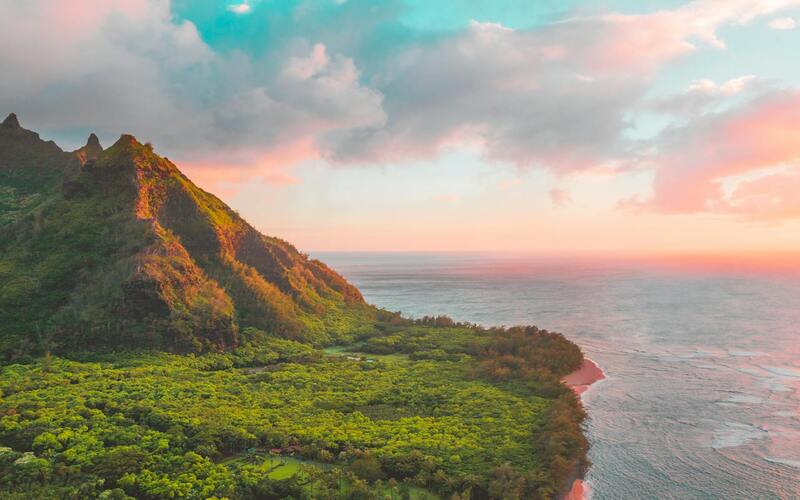
While China provided the mountains, Hawaii provided the jungle. The Keahua Arboretum on the island of Kauai is where the live-action “sense-memory” training took place. The lush, vibrant greens and the ancient ferns of the Wailua River valley served as the primary reference for the Na’vi home world.
Walking through the Arboretum, you’ll recognize the towering rainbow eucalyptus trees and the dense canopy that sheltered Jake and Neytiri. It’s a place of quiet, prehistoric beauty. For a truly immersive experience, you can hike the Kuilau Ridge Trail nearby. The views of Mount Waialeale (one of the wettest spots on earth) are breathtaking and give you that “off-world” feeling of being deep within a tropical wilderness. It’s free to enter, but the memories of standing where the Na’vi “lived” are priceless.
Angel Falls, Venezuela
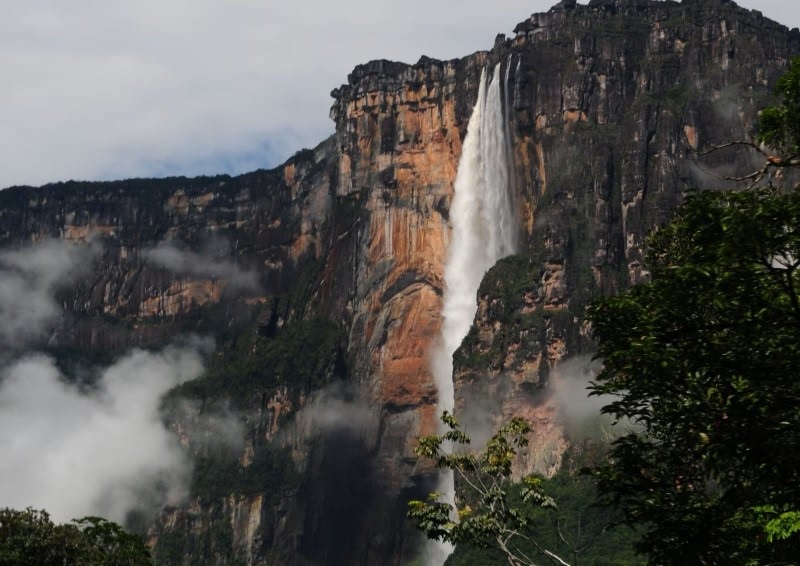
Remember the scene where Jake and Neytiri hunt the Ikran near the massive waterfalls? That sheer drop was inspired by Angel Falls (Salto Ángel) in the Canaima National Park. At nearly 1,000 meters tall, it is the world’s highest uninterrupted waterfall. While the crew didn’t film the actors there, the digital team used extensive footage of the falls to create the “Eye of Eywa” and other majestic water features of the Hallelujah Mountains.
Avatar: The Way of Water
With the second film, the story flows into coastal and oceanic realms, and the creative team tapped a mixture of studio technology and real-world water landscapes for reference.
The North Island, New Zealand
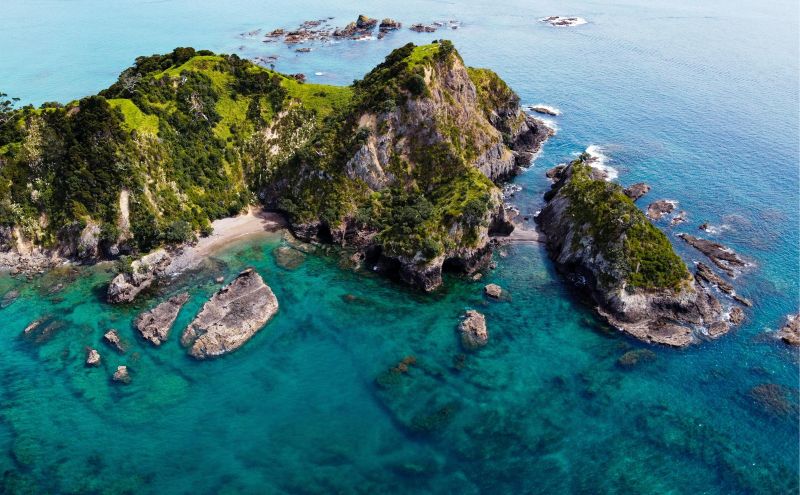
New Zealand is the heart of the Avatar franchise’s production. While the film uses a lot of digital water, the inspiration for the reef villages came from the coastal beauty of the North Island. Places like the Bay of Islands and the Coromandel Peninsula offer the kind of crystal-clear turquoise waters and hidden coves that define the Metkayina’s home.
A “pro-tip” for fans: visit the Waitomo Glowworm Caves. While not a filming location in the literal sense, these caves were a massive inspiration for the bioluminescence seen throughout the franchise. Floating on a boat through a pitch-black cave illuminated by thousands of tiny, glowing creatures feels more like Pandora than any theme park ride ever could. It’s the closest thing to the “Tree of Souls” vibe you can find in the natural world.
Manhattan Beach, California
It might sound less “exotic,” but the MBS Media Campus in California is where the technical magic happened. This is where the massive water tanks were built to allow the actors to perform underwater for minutes at a time. Interestingly, James Cameron insisted the entire production be powered by a $5 million solar array on the studio roof. So, while it’s a “studio,” it’s one with a very Pandoran ethos of environmental stewardship.
Avatar: Fire and Ash
The third installment, which arrives in theaters in 2025, introduces us to the “Ash People” – a more aggressive, volcanic tribe of Na’vi.
Los Angeles, New Zealand & Ukraine
The film’s production was a blend of high-tech studio work and reference visuals drawn from dramatic real-world terrain. Principal performance capture and live-action work took place in Wellington’s studios and in Los Angeles sound stages. For environmental references – especially for the Ash People’s harsh terrain – aerial scans and landscape footage from places like Lviv Oblast in Ukraine helped shape how fire, ash and rugged land would feel on Pandora.
These real landscapes were combined with CGI to build the volcanic regions seen in Avatar: Fire and Ash, giving the world both emotional intensity and visual authenticity.
Is There Going to Be an Avatar 4?
The short answer is: Yes, absolutely. In fact, James Cameron has already filmed a significant portion of Avatar 4. Because the younger cast members were aging rapidly, Cameron shot their scenes for the fourth movie concurrently with The Way of Water and Fire and Ash.
The fourth film is reportedly titled Avatar: The Tulkun Rider (though titles are subject to change), and it is expected to push even further into the geography of Pandora. We’ve heard whispers that it might even take us to different moons or show us a glimpse of a dying Earth. Production is expected to continue primarily in New Zealand, which has become the permanent “hub” for all things Avatar. The release is currently slated for late 2029.
Frequently Asked Questions
Where are the floating mountains in Avatar?
The floating “Hallelujah Mountains” were inspired by the Zhangjiajie National Forest Park in China’s Hunan Province. The specific peak often cited as the main inspiration is the Southern Sky Column, which has since been renamed the “Avatar Hallelujah Mountain.”
Where was avatar filmed in Hawaii?
Most of the jungle inspiration and “rehearsal” filming took place on Kauai (specifically the Keahua Arboretum) and along the Hamakua Coast of the Big Island. These locations helped the actors understand the “sensory” experience of living in a rainforest.
Where was Avatar 3 filmed?
The Avatar: Fire and Ash filming locations are primarily located in Wellington, New Zealand. The movie was filmed concurrently with The Way of Water to save on production costs and maintain the cast’s appearance.
Can you visit the real Pandora?
While Pandora is fictional, you can visit the Pandora – The World of Avatar theme park at Disney’s Animal Kingdom in Florida.





There are no comments.