
There’s a feeling you get when the Pacific Ocean comes into view for the first time, a vast, shimmering expanse that signals freedom, adventure, and the start of something truly epic. It’s this very feeling that draws countless travelers to the United States’ western edge every year. We’re not talking about a quick weekend getaway, but a trip that transforms the way you view America’s most diverse landscapes.
Two weeks is the sweet spot, the perfect amount of time to explore the heart of the West Coast without feeling rushed. We’ve meticulously planned two distinct journeys, ensuring you make the absolute most of your limited time on the road.

Highlights of USA West Coast Trip
The West Coast is a collection of world-class experiences packed into one region. On any given day, you can wake up to the sound of fog horns in San Francisco, spend the afternoon gazing at the raw, wild beauty of the Big Sur coastline, and end your day hiking among the giant sequoias.
The “classic” West Coast trip generally focuses on California, as it packs in the most diversity. The highlights are legendary:
The Cities: San Francisco, with its iconic Golden Gate Bridge and counter-culture vibe; Los Angeles, the sprawling, glamorous heart of the entertainment world; and San Diego, the laid-back surf city with perfect weather.
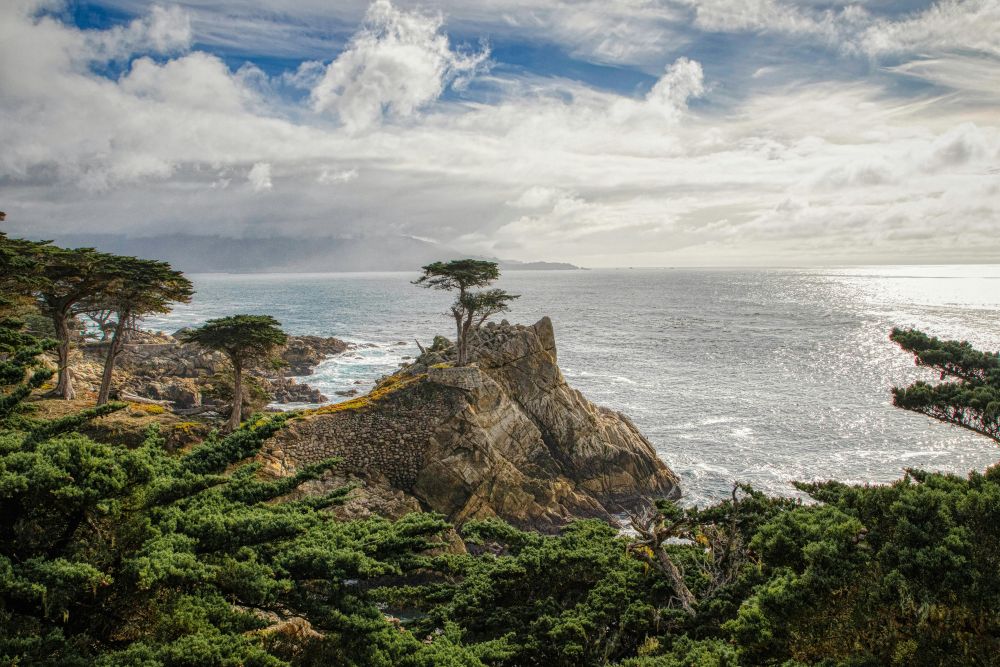
The Coastline: The Pacific Coast Highway road trip (Highway 1) is the main event. This ribbon of asphalt, especially the stretch through Big Sur, is arguably the most beautiful drive in the world.
The Parks: You’re within striking distance of global treasures like Yosemite National Park, with its granite cliffs and thundering waterfalls, and Sequoia & Kings Canyon, home to the largest trees on Earth.
So, what’s the best way to travel? A car, without a doubt. A West Coast road trip is a rite of passage, offering freedom and flexibility. However, if you’re not driving, the region’s main cities are well-connected by planes and scenic trains, with plenty of tour options to get you to the natural wonders.
The best experience comes from not rushing. The biggest mistake I see (and one I’ve made myself) is trying to see five national parks and four cities in 14 days. It’s a recipe for burnout. The itineraries below are designed to be practicable, giving you time to breathe, explore, and actually enjoy the journey.
West Coast 2-week Itineraries
How you tackle your 14 days depends entirely on your travel style. Are you here for the classic driving experience, windows down and music blasting? Or do you prefer to settle into a few key hubs and explore deeply without the stress of navigating? Here are two itineraries for your reference.
The “Best of California” 14-Day Road Trip Itinerary
This itinerary combines the three best parts of California: the iconic city of San Francisco, the granite majesty of Yosemite, and the breathtaking coastline of Highway 1. It’s a one-way trip, which is the most efficient way to see this much.
Route: San Francisco -> Yosemite NP -> Monterey -> Big Sur/Pacific Coast Highway -> Santa Barbara -> Los Angeles (or San Diego)
Best for: First-timers, drivers, photographers, and nature lovers.
Pace: Active, but not rushed.
Day 1-3: San Francisco
Arrive at SFO. Do not pick up your rental car yet. San Francisco is a compact city with notoriously difficult (and expensive) parking. You are far better off using a mix of walking, cable cars, and ride-sharing. Spend your days getting lost in the city’s distinct neighborhoods.

Golden Gate Bridge – Walk or bike across it. The best views are from the Marin Headlands on the other side.
Alcatraz – This former prison is a fascinating tour, but you must book tickets weeks or even months in advance. It always sells out.
The Mission District – Grab a world-famous burrito (my vote is for La Taqueria) and explore the vibrant murals of Balmy Alley.
Day 4: San Francisco to Yosemite (Approx. 4-5 hours driving)
Pick up your rental car in the city (it’s cheaper than at the airport) and head east. The drive will take you from the coast, through the central valley, and up into the Sierra Nevada mountains. Arrive in the afternoon and settle into your lodging (book this far in advance). Get a feel for the park with a short evening walk.
Day 5: Yosemite Valley
This is the day. Get up early to beat the crowds. Spend the entire day in Yosemite Valley, the heart of the park. It’s a 7-mile-long, 1-mile-wide canyon carved by glaciers, and it’s almost overwhelmingly beautiful.
Mist Trail – The park’s signature hike. It takes you right up alongside two massive waterfalls, Vernal and Nevada Falls. You will get wet, and it’s a decent workout, but it’s 100% worth it.
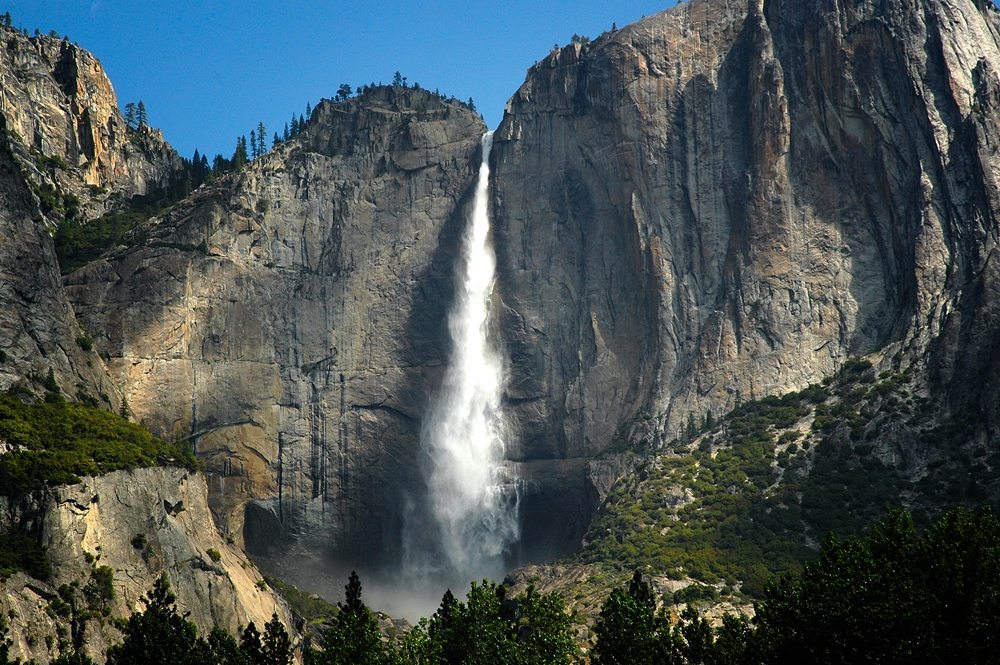
Yosemite Falls – One of the tallest waterfalls in the world. The short loop at the base is easily accessible for everyone.
Tunnel View – This is the iconic, Ansel Adams viewpoint you’ve seen in photos. It provides a stunning panorama of the entire valley, with El Capitan, Half Dome, and Bridalveil Fall all in one shot.
Day 6: Yosemite to Monterey (Approx. 4-5 hours driving)
Enjoy one last morning in the park (perhaps visit Tuolumne Meadows if the Tioga Pass is open, usually June-Oct). Then, begin the long drive back to the coast. You’ll arrive in Monterey in the late afternoon.
Monterey Bay Aquarium – Even if you’re not an “aquarium person,” this one is special. Its exhibits on the local kelp forests and open-ocean life are world-class.
Cannery Row – The historic, tourist-friendly waterfront street made famous by John Steinbeck. It’s a fun place to walk, shop, and grab dinner.
Day 7: The Pacific Coast Highway (Big Sur)
This is it. The main event of your pacific coast highway road trip. From Monterey (technically Carmel) south to Cambria is the “Big Sur” region. Your drive today might only be 90 miles, but it will take all day. You will stop for photos every five minutes.

Bixby Creek Bridge – The iconic, postcard-perfect arched bridge. There’s a turnout just before it (heading south) for the best photos.
Pfeiffer Beach – Famous for its purple-tinted sand and the stunning Keyhole Arch, where the waves crash through a massive sea stack.
McWay Falls – An 80-foot waterfall that drops directly onto a pristine, untouched beach. It’s a very short walk from the road and is an absolute must-see.
Tip: Check CalTrans (the California_Department of Transportation) for road closures before you go. Landslides can close sections of Highway 1 for months.
Day 8: Big Sur to Santa Barbara (Approx. 3-4 hours driving)
Finish the southern stretch of the PCH. The landscape slowly changes from rugged cliffs to the rolling, oak-studded hills of the Central Coast. Stop in the quirky town of San Luis Obispo for lunch before arriving in Santa Barbara, the “American Riviera.”
Hearst Castle – If you have time, this opulent, sprawling estate of newspaper magnate William Randolph Hearst is a fascinating (and bizarre) detour. Tours are required.
Stearns Wharf – Walk along Santa Barbara’s main pier, grab an ice cream, and watch the sailboats in the harbor. The vibe is immaculate.
Day 9-10: Los Angeles (Approx. 2-3 hours driving)
It’s a beautiful, easy drive into LA. Drop your bags and dive into this massive, misunderstood city. My advice: don’t try to see it all. Pick 2-3 neighborhoods and explore them.

Santa Monica & Venice – Rent a bike and ride the “Strand” (the beach path) from the Santa Monica Pier, with its Ferris wheel, down to the quirky, bohemian Venice Beach Boardwalk.
Griffith Observatory – Offers the best views of the city and the Hollywood Sign. Go just before sunset to watch the city’s grid light up below you. It’s pure magic.
The Getty Center – A stunning art museum with incredible architecture and gardens. Even if you’re not an art buff, the views and atmosphere are worth the visit.
Day 11: Los Angeles to San Diego (Approx. 2.5-3 hours driving)
Head south on the final leg of your journey. It’s a straightforward freeway drive. Arrive in San Diego, check into your hotel, and immediately feel your blood pressure drop. This city is all about the laid-back, “sun and surf” lifestyle.
Day 12-13: San Diego
You can finally relax. Spend your last few days enjoying the incredible weather and easy-going attractions.

La Jolla – This upscale seaside neighborhood has stunning coves where you can watch (or swim with) sea lions and seals.
Balboa Park – A massive, 1,200-acre urban park that’s home to the San Diego Zoo, countless beautiful gardens, and a stunning collection of Spanish-Colonial-style museums.
Gaslamp Quarter – The historic heart of downtown, full of restaurants, bars, and nightlife.
Day 14: Fly Home
Enjoy a final breakfast burrito and fly out of SAN.
The 2-Week “City & Coast” Explorer Itinerary Without Driving
Think you can’t see the West Coast without a car? Think again. This itinerary connects the three main cities using planes and scenic trains, then uses day-tour operators to get you to the natural wonders.
Route: San Francisco -> Los Angeles -> San Diego
Best for: Solo travelers, travelers who hate driving or want a more relaxed, hub-based trip.
Pace: Relaxed.
Day 1-4: San Francisco
Arrive at SFO. Spend four full days exploring the city. Without a car, you’ll be on foot or using the MUNI/BART system.

Activities: Do all the city sights from Itinerary 1 (Alcatraz, Golden Gate, etc.).
Day Tour: Use one of your days for a guided tour. Many companies run excellent one-day bus tours to Muir Woods (to see the coastal redwoods) and the charming seaside town of Sausalito.
Day 5: Travel to Los Angeles
You have two great options:
Fly (Fast): A 1-hour flight from SFO to LAX. Quick, easy, and often cheap if booked ahead.
Train (Scenic): Take the Amtrak Coast Starlight. It’s a full-day (10-12 hour) journey, but it’s gorgeous, taking you through coastal sections and rolling hills you’d otherwise miss.
Day 6-9: Los Angeles
Base yourself in a walkable neighborhood like Santa Monica or West Hollywood.

Activities: Use ride-sharing (Uber/Lyft) to get between neighborhoods.
Day Tours: Consider booking a full-day city tour, a “homes of the stars” tour, or a coastal tour that takes you to different beaches. A hop-on, hop-off bus is also a great option here to get the lay of the land.
Day 10: Travel to San Diego
This is the easiest and most scenic leg of the trip.
Train: Take the Amtrak Pacific Surfliner (approx. 3 hours). It’s a beautiful, relaxing ride that hugs the coastline for a large portion of the trip. Sit on the right side of the train (west-facing) for the best ocean views.
Day 11-13: San Diego
You’re in one of America’s most walkable cities.

Activities: Stay in the Gaslamp Quarter or Little Italy. You can walk to most downtown attractions.
Transit: Use the San Diego Trolley system to get to places like Old Town or the border.
Day Tour: Take a ride-share to La Jolla, Balboa Park, or the surf town of Encinitas. You won’t need a car at all.
Day 14: Fly Home
Fly home from SAN.
West Coast Road Trip Tips
After years of making these trips, I’ve learned a few things the hard way. Here are my most essential, non-negotiable tips.
Book Accommodations Months in Advance. This is not an exaggeration. Lodging inside Yosemite National Park sells out a year in advance. Popular hotels in Big Sur and coastal towns sell out 3-6 months ahead. This is the single most important piece of planning.
Rent a Comfortable Car. You will be spending a lot of time in this vehicle. Don’t cheap out on the smallest “economy” car. Get a mid-size sedan or a small SUV. You’ll be glad you have the space and comfort.
Buy the “America the Beautiful” Pass. This is the annual National Parks pass. It costs $80 and gets you (and your car) into all National Parks. With Yosemite and others on the list, it will pay for itself on this trip alone.

Check for Road Closures. The Tioga Pass (Highway 120) in Yosemite is closed for snow from roughly November to late May/June. Highway 1 in Big Sur always has closures. Check the CalTrans and NPS websites constantly.
Pack Layers. Seriously. In San Francisco in July, you will be cold (foggy, 60°F). In Los Angeles, you’ll be hot (sunny, 85°F). In Yosemite Valley, it can be hot during the day and cold at night. You’ll need shorts, a rain jacket, a fleece, and a T-shirt, all in the same 48-hour period.
Don’t Over-plan. This West Coast itinerary guide is a framework, not a strict schedule. The magic of a road trip is pulling over at that random viewpoint, taking a detour to a weird-looking diner, or spending an extra two hours on a beach. Leave room for spontaneity.

Frequently Asked Questions
How many days to visit the West Coast of the USA?
Two weeks (14 days) is a great amount of time for a focused, “best of” trip like the itineraries above. It allows you to see the highlights without being completely exhausted. If you have 10 days, I’d stick to either Northern or Southern California, but not both. Three weeks is ideal if you want to add in more parks (like Sequoia or Joshua Tree) or more cities (like Las Vegas).
Where to visit in the West Coast of the USA?
For a first-timer, the “can’t-miss” trifecta is San Francisco, Los Angeles, and the Big Sur coastline that connects them. The second “can’t-miss” spot is Yosemite National Park. These four locations give you the most iconic West Coast experience.
What is the best route for a 2-week West Coast road trip?
The most popular and logical route is a one-way trip between San Francisco and Los Angeles (or San Diego), going inland to see Yosemite National Park for 2-3 days, and then driving the Pacific Coast Highway for 2-3 days.
What is the best time of year for this trip?
Hands down, Spring (April-May) or Fall (September-October).
- Spring- The waterfalls in Yosemite are at their absolute peak, the hills are green, and wildflowers are everywhere.
- Fall- The crowds are smaller, the weather is still warm and sunny, and the Tioga Pass in Yosemite is still open.
- Summer- This is peak season. It’s fantastic, but it will be very crowded and very hot in the parks. You’ll also face peak pricing.
- Winter – Great for LA/San Diego, but Highway 1 can be rainy and Yosemite is snowy and requires tire chains.
Is driving necessary for the best experience?
While driving gives you maximum freedom, you can absolutely do a non-driving version using flights, buses and guided tours. It changes the feel, but you can still cover great ground.
What’s the best starting point?
It depends on your flight access and interest. San Francisco and Los Angeles are both good hubs. Starting and ending in the same city can simplify logistics.





There are no comments.