
Planning a two-week Southeast Asia itinerary hinges on one core question: How can you see as much as possible without turning your vacation into a marathon? The good news is that with smart route planning, it’s entirely achievable. Most first-time visitors choose Thailand, Vietnam, Cambodia, or Indonesia. With a well-paced schedule, two weeks is ample time to explore one country in depth or comfortably cover two.
This guide keeps things practical: what’s realistic in 14 days, which routes make sense, and how to make your Southeast Asia trip smooth.

Where to Go on a 2 Week Trip to Southeast Asia
Best 2-Week Southeast Asia Itineraries
What’s the Best Time for a Southeast Asia Vacation
How to Plan Your Southeast Asia Trip
Where to Go on a 2 Week Trip to Southeast Asia
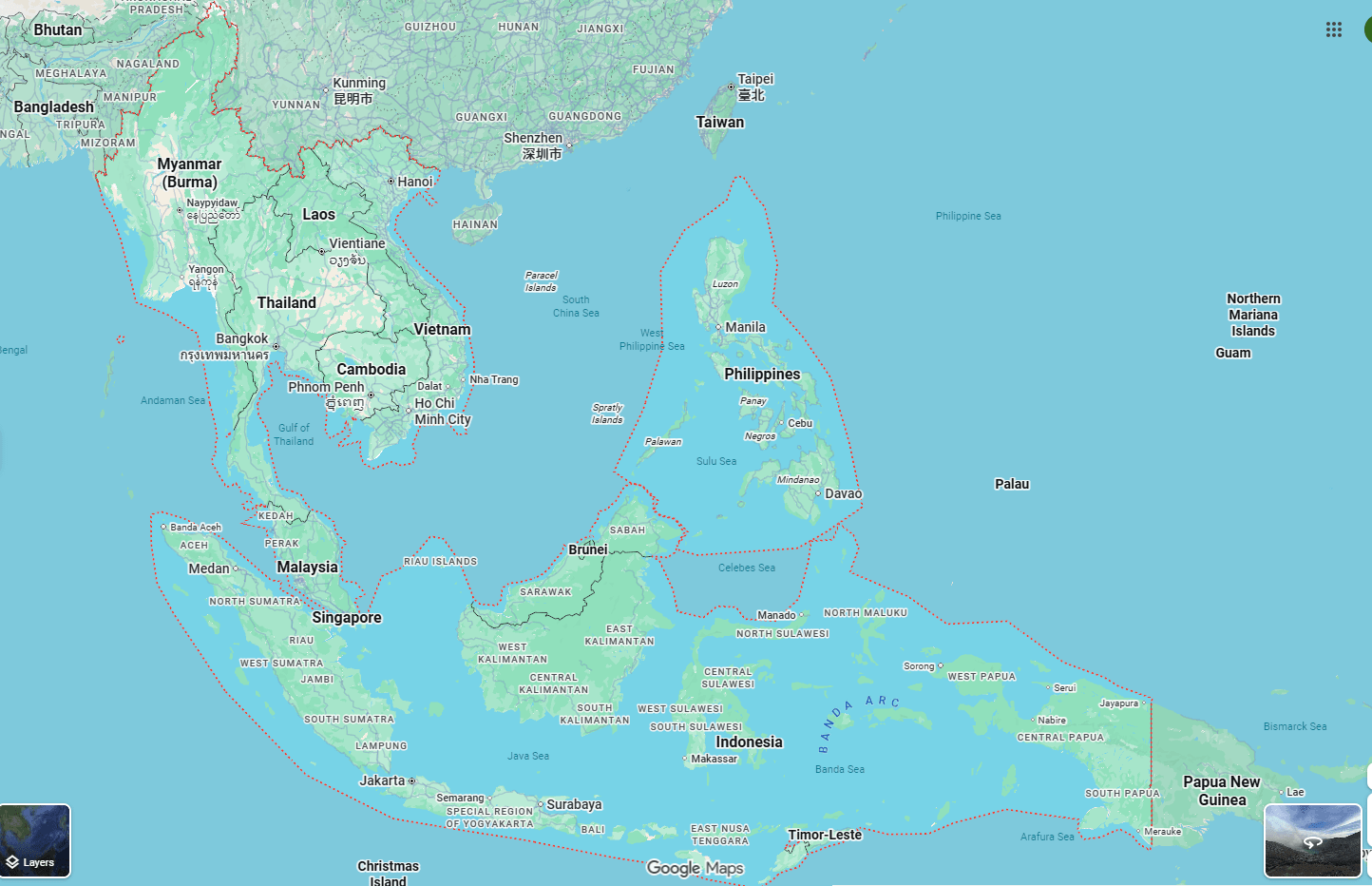
My honest answer would be “everywhere,” but that’s not helpful. Southeast Asia is huge, woven with different cultures, flavors, and landscapes. If you don’t want to feel rushed or overwhelmed, it’s best to stick to two countries or explore one country in a 2-week trip.
Overview of the best countries to travel in Southeast Asia:
| Thailand | The ultimate all-rounder. It’s the gateway to Asia for a reason. You’ve got the frenetic energy of Bangkok, the cultural heart of Chiang Mai in the north, and islands in the south that look like screensavers. It’s easy to navigate, the food is legendary, and the locals are famously welcoming. |
| Vietnam | Vietnam is intense, beautiful, and raw. From the limestone pillars of Halong Bay to the lantern-lit streets of Hoi An and the motorcycle madness of Ho Chi Minh City, it’s a sensory overload in the best way possible. |
| Cambodia | The soul of the region. While Angkor Wat is the star, the warmth of the Khmer people is what makes you stay. It’s a country recovering and thriving, with a rustic charm that feels adventurous and grounded. |
| Indonesia | The adventurer’s playground. You’ll find not only Bali, but also the prehistoric dragons of Komodo, the blue flames of Ijen volcano in Java, and world-class diving. A mix of Hindu spirituality and raw, explosive nature. |
| The Philippines | If your dream involves turquoise water, white sand, and hidden lagoons, this is it. It has over 7,000 islands, and the English proficiency here makes connecting with locals incredibly easy. |
| Laos | The land of “chill.” If you want to slow your pulse, go here. It’s mountainous, green, and spiritual, with the Mekong River serving as its lifeline. |
| Malaysia & Singapore | The modern mix. A melting pot of Malay, Chinese, and Indian cultures. Singapore offers futuristic luxury and cleanliness, while Malaysia offers incredible food diversity, tea plantations, and rainforests. |
Here is a quick cheat sheet based on your travel style:
- For first-timers – Thailand
- For families with kids – Singapore & Bali
- For adventureseekers – Indonesia (Java & Komodo) or Vietnam
- For culture & history buffs – Cambodia & Vietnam
- For beach vacations – The Philippines
Best 2-Week Southeast Asia Itineraries
A 2-week Southeast Asia trip works best when you avoid long detours and choose destinations connected by short flights or straightforward overland routes. Below are some options that can be reasonably arranged within 14 days:
Single-country: Perfect if you want fewer flights and slower pacing (e.g., 2 weeks in Thailand, Indonesia, or Vietnam).
Two-country combos: Thailand + Cambodia, Vietnam + Cambodia, Thailand + Laos, Malaysia + Singapore, or Thailand + Vietnam (only if flying). These give variety while keeping travel times reasonable.
Itinerary 1: Thailand + Cambodia
Days 1–3: Bangkok
- Arrive, check into a centrally located hotel (Riverside or Sukhumvit depending on vibe).
- Highlights: Grand Palace, Wat Pho, evening river cruise, street-food crawl at Yaowarat/Chinatown.
Days 4–6: Siem Reap (Angkor)
- Short flight to Siem Reap (1-5 hours).
- Spend two full days on Angkor complex: sunrise at Angkor Wat, Ta Prohm, Bayon, and quieter temples later in the day.
- Evening: night market and Khmer dinner.
Days 7–13: Phuket or Krabi / islands
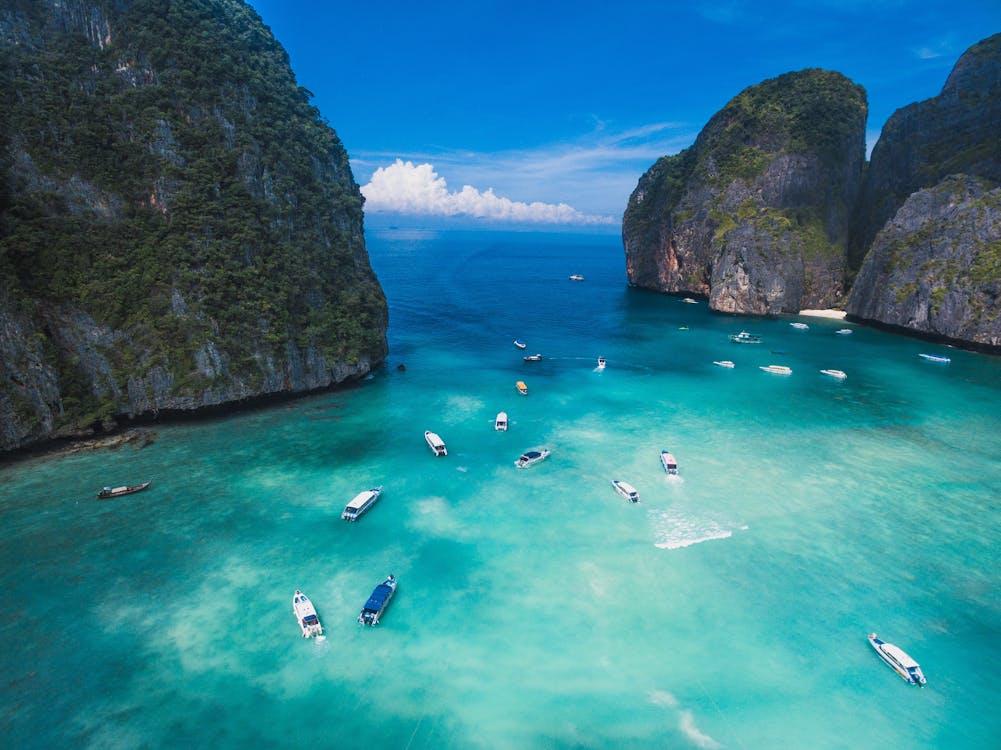
- Fly south to Phuket or Krabi (1.5 hours). Use base plus day trips (Phi Phi, Phang Nga Bay, Railay).
- Alternate: fly to Koh Samui if you prefer the Gulf islands.
- Mix beach days with light water activities; avoid cramming too many island hops.
Day 14: Bangkok
Return to Bangkok for departure or fly home directly from Phuket (depending on flight options).
Itinerary 2: Vietnam + Cambodia
Days 1–3: Hanoi
- Old Quarter, Egg coffee, Temple of Literature
- An overnight on Halong/Lan Ha Bay (or a day cruise if pressed).
Days 4–6: Hoi An & Hue
- Short flight to Da Nang, transfer to Hoi An. Wander the lantern-lit streets, then a day trip to My Son or bicycle to nearby beaches.
- Option: spend a night in Hue to see the Imperial Citadel.
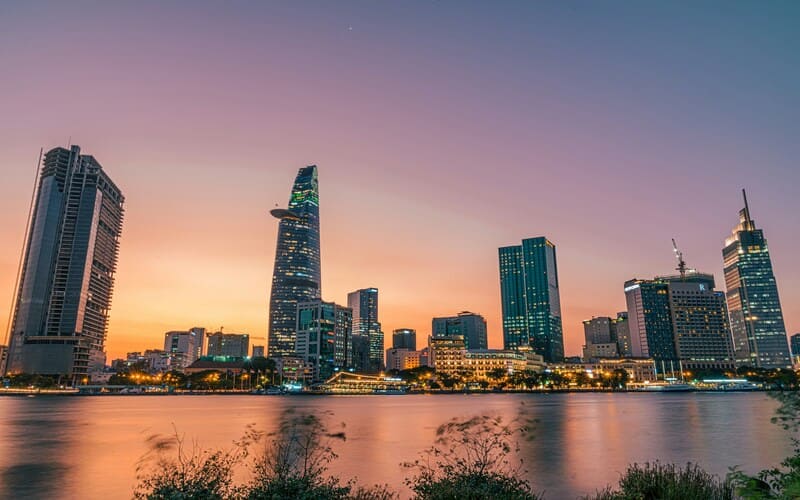
Days 7–9: Ho Chi Minh City
- Fly south to HCMC.
- visit Cu Chi Tunnels, War Remnants Museum, and try southern Vietnamese cuisine.
Days 10–12: Siem Reap
- Fly to Siem Reap for Angkor sunrise and temple days.
Days 13–14: Phnom Penh or beach
- Option A: quick city stop in Phnom Penh (Royal Palace, Killing Fields museum).
- Option B: head to Sihanoukville/Koh Rong for a beach finale (requires extra travel time).
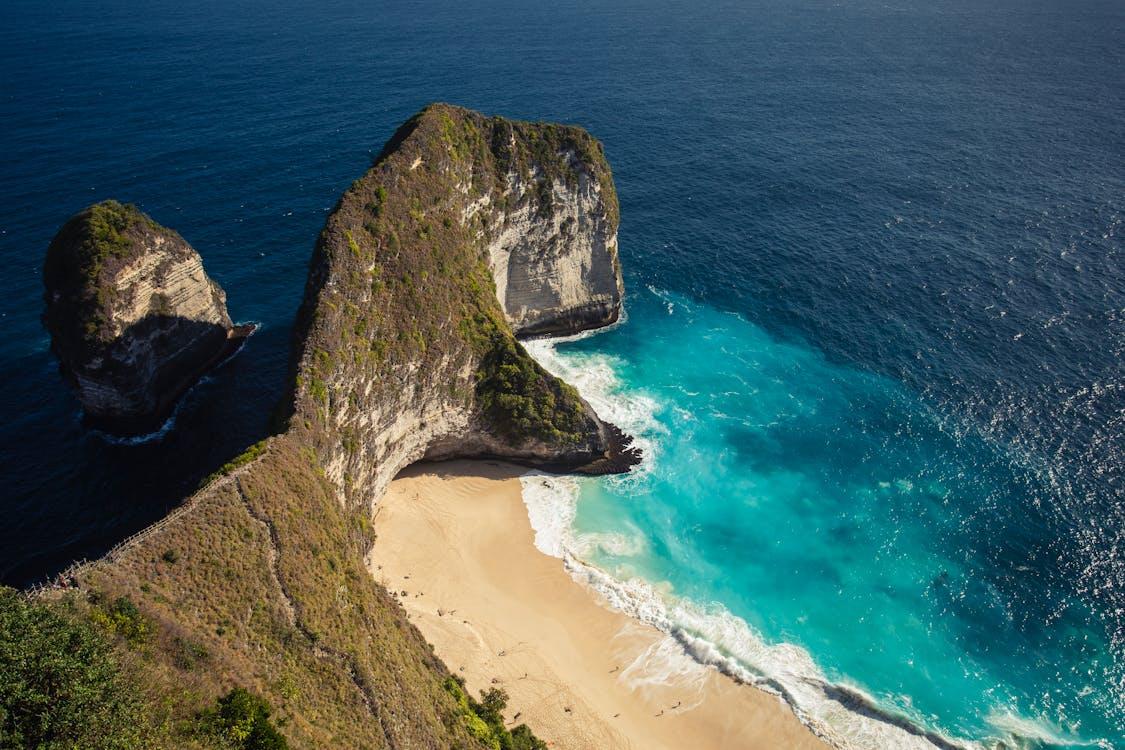
Itinerary 3: Indonesia Focused (Bali + Java + Gili)
Days 1–5: Bali (Ubud & central)
- Arrive Denpasar, base in Ubud for rice terraces, temples, and short treks (Mount Batur sunrise if fit).
- Enjoy local warung food and crafts.
Days 6–8: Java (Yogyakarta & Borobudur)
- Short flight to Yogyakarta.
- Sunrise at Borobudur, visit Prambanan, and explore the kraton (sultan’s palace).
Days 9–12: Lombok & Gili Islands
Fly or ferry to Lombok, then Gili Trawangan or Gili Air for snorkeling/diving and relaxed beaches.
Days 13–14: South Bali or flight home
Return to Bali’s south (Seminyak/Canggu) for cafes and a final beach day before departing.
Why it works: Keeps travel within Indonesia’s western islands, avoids long inter-island transfers, and balances culture, volcano hikes, and beaches.
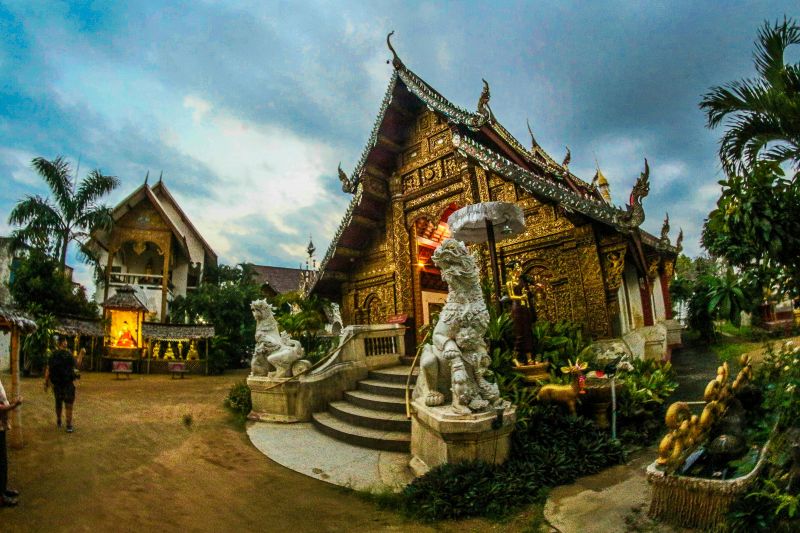
Itinerary 4: Thailand Focused (North + Islands)
Ideal if you prefer slower travel.
Days 1–3: Bangkok
Temples, rooftop bars and canal tours.
Days 4–6: Chiang Mai
Fly north:
- Visit ethical elephant sanctuaries
- Explore mountain temples
- Thai cooking classes
Days 7–9: Krabi or Phuket
Head south by flight:
- Island hopping tours
- Snorkeling and beach time
Days 10–12: Koh Phi Phi or Railay Beach
Relaxed beach days with scenic cliffs and turquoise water.
Days 13–14: Bangkok
Shopping, street food and departure.
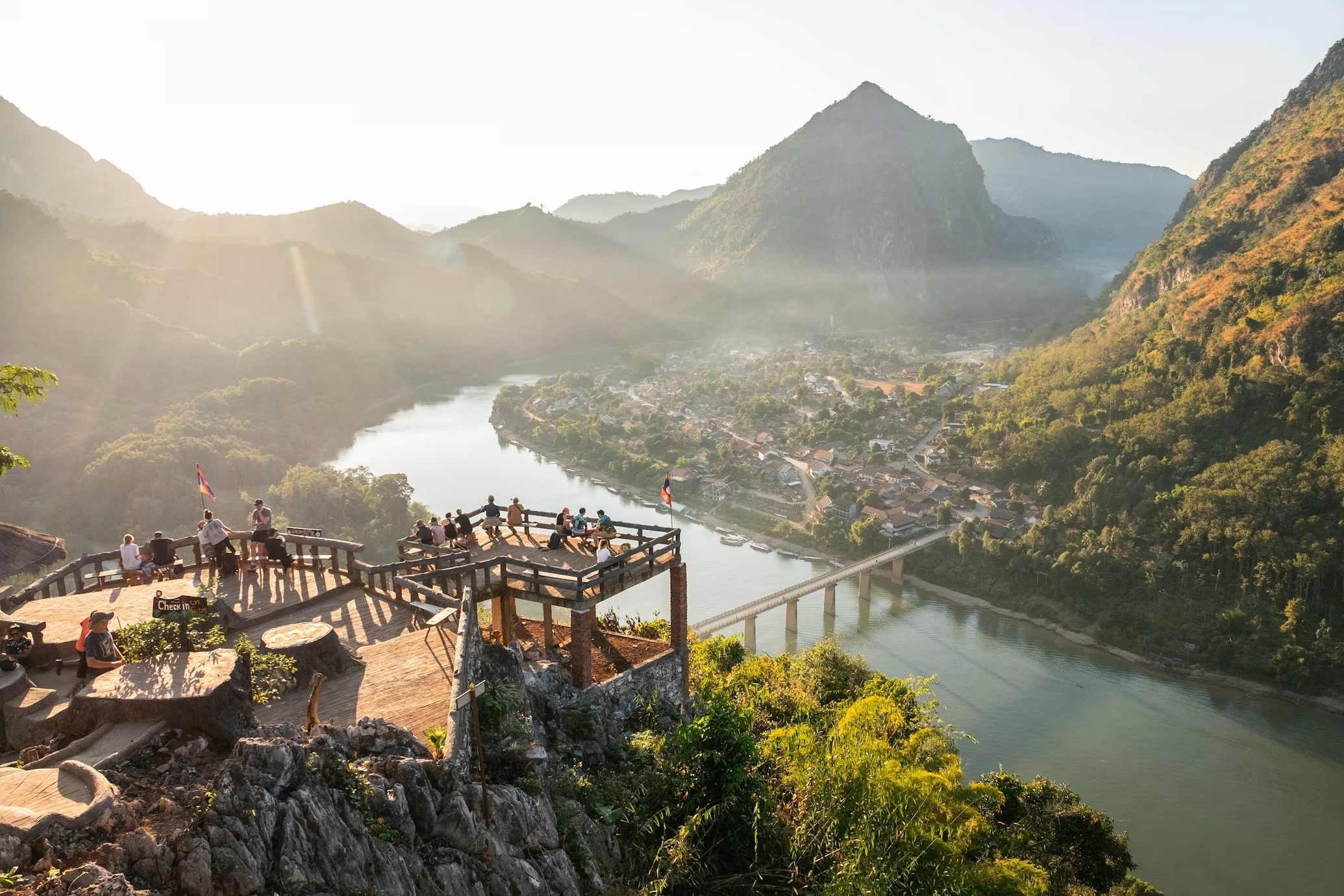
Itinerary 5: Thailand & Laos
If you want to avoid the party crowds and connect with nature, this is the Southeast Asia trip for you.
Days 1-3: Chiang Mai, Thailand
- Fly into the cultural capital- Chiang Mai.
- Visit the Doi Suthep temple on the mountain, chat with monks, and visit an ethical elephant sanctuary (look for “no riding” policies).
Days 4-5: Chiang Rai
- Take a bus north.
- See the surreal White Temple (Wat Rong Khun) and the Blue Temple. It’s artistic and weird in the best way.
Days 6-7: The Slow Boat
Cross the border to Huay Xai and take the traditional 2-day slow boat down the Mekong River to Luang Prabang. It’s meditative, scenic, and a great way to meet other travelers.
Days 8-11: Luang Prabang, Laos
This UNESCO town is a gem.
- Wake up at dawn to see the alms-giving ceremony (observe respectfully from a distance).
- Swim in the turquoise Kuang Si Waterfalls.
- The French colonial architecture mixed with golden temples is stunning.
Days 12-14: Bangkok, Thailand
Fly from Luang Prabang to Bangkok for a final few days of big-city excitement, shopping, and street food before heading home.
Itinerary 6: The Philippines Island Hopping
If you want the bluest water you’ve ever seen, this is the itinerary you need. Note: Travel here takes longer due to ferries and flights.
Days 1-2: Manila to Cebu
- Land in Manila but connect immediately to Cebu.
- Stay in Moalboal.
Days 3-5: Moalboal & Kawasan Falls
- The highlight: The Sardine Run. You can snorkel just meters off the shore in Moalboal and be surrounded by millions of sardines. It’s magic.
- The next day, go canyoneering at Kawasan Falls- a thrill ride of jumping off waterfalls into turquoise pools.
Days 6-9: El Nido, Palawan
Fly from Cebu to El Nido (AirSwift offers direct flights). This is paradise.
- Take the island hopping tours (Tour A and C are the best). You will kayak into secret lagoons surrounded by jagged limestone cliffs.
- Rent a kayak and paddle to a nearby deserted beach to escape the tour boat crowds for lunch.
Days 10-13: Coron, Palawan
Take the fast ferry (approx 4 hours) from El Nido to Coron.
- Coron is distinct from El Nido; it has clearer lakes and incredible shipwreck diving.
- Visit Kayangan Lake (the cleanest lake in Asia) and snorkel at the WWII Japanese shipwrecks which are shallow enough to see from the surface.
Day 14: Manila
Fly back to Manila for your international departure.

What’s the Best Time for a Southeast Asia Vacation
Timing is everything, especially when your vacation days are limited. The last thing you want is to spend your 2 weeks in Southeast Asia wading through floodwaters in a poncho that gave up three hours ago.
Generally speaking, the golden window for most of the region is November to February. This is the cool, dry season for mainland Southeast Asia (Thailand, Vietnam, Cambodia, Laos, and Myanmar). “Cool” is relative here, it’s still tropical and balmy, but you won’t melt into a puddle the second you step outside, and the skies are a brilliant, reliable blue.
The shoulder season (March-May): It gets hot. Like, “fry an egg on the sidewalk” hot, especially in Thailand and Cambodia. But, the crowds thin out, and if you love the heat, the beaches are glorious.
The wet season (June-October): The rains usually come in short, intense afternoon bursts that leave everything lush and green. Plus, prices drop, and you get the temples to yourself.
*The exception: If you’re heading to Indonesia (Bali) or Malaysia’s east coast, their dry season is actually flipped – roughly April to October.
So, if you are looking for that picture-perfect, sunny Southeast Asia trip, aim for the northern winter months. It’s the peak season for a reason!
How to Plan Your Southeast Asia Trip
A local-friendly checklist – what to handle before you leave and how to manage common things on the road.
- Visas & Entry Requirements
Thailand: Most Western nationalities get a 30-60 day visa exemption on arrival.
Vietnam: Most travelers need an E-Visa beforehand. Apply on the official government site at least 1 week before you fly. Do not trust third-party sites.
Indonesia/Laos/Cambodia: Usually offer Visa on Arrival (VOA). Bring crisp, clean US Dollars for the fees (usually $30-$50). If your dollar bill has a tiny tear, they might reject it.
Philippines: Generally visa-free for up to 30 days for many nationalities.
- Getting Around
The Super App: Download Grab immediately. It is the Uber of Southeast Asia. You can book cars, motorbike taxis (cheaper and faster in traffic), and order food. It prevents you from getting ripped off by taxi meters that “don’t work.”
Flights: Budget airlines like AirAsia, Cebu Pacific, VietJet, and Scoot are incredibly cheap. However, they are strict on baggage weight. Pre-book your luggage allowance!
Ferries: In the Philippines and Indonesia, ferries are a way of life. They can be delayed by weather. Always leave a buffer day before your international flight home.
- Money Matters
Cash: While malls and hotels take cards, street food, tuk-tuks, and small shops run on cash.
ATM Fees: Fees for foreign cards can be high (especially in Thailand, approx $6-7 per withdrawal). Withdraw the maximum amount at once to save on fees.
Currency:
- Thailand: Baht
- Vietnam: Dong
- Indonesia: Rupiah
- Philippines: Peso
- Cambodia: Riel (but they use US Dollars for almost everything).
- What to Pack
Clothing: “Loose and light” is the mantra. Linen and cotton. You must cover shoulders and knees when visiting temples, so bring a sarong or a lightweight scarf.
Footwear: You will take your shoes off 20 times a day (entering shops, temples, hostels). Slip-on sandals (like Birkenstocks or flip-flops) are essential.
Health: Sunscreen is expensive locally, so bring it from home. Mosquito repellent with DEET is non-negotiable to prevent Dengue fever.
- Connectivity
Don’t pay expensive roaming charges.
Physical SIM: Buy one at the airport arrivals hall. It’s cheap ($10-$15 for huge data packages).
eSIM: Use an app like Airalo or Holafly. You can install it before you leave home and have data the second you land.
- Accommodation tips
- Book the first 2-3 nights before arrival
- Mix boutique hotels with guesthouses
- Consider location over luxury -being central saves time
Frequently Asked Questions
Is 2 weeks enough for Southeast Asia?
Yes – but choose your pace. Two weeks is great for one country or a pair of neighboring countries. Trying to cover too many countries tightens travel and cuts time at the destinations.
Can I do Thailand and Vietnam in 2 weeks?
Yes, but expect two short internal flights. A workable plan: 4-5 days in Vietnam (north or central), 7-8 days in Thailand (Bangkok + south or north), with efficient flights between hubs.
Is Indonesia worth visiting on a 2-week trip?
Absolutely. Focus on western Indonesia (Bali + Java + Lombok/Gili) to get culture, temples, volcanoes, and islands without long domestic flights.
Do I need visas for Cambodia, Vietnam, Indonesia, Thailand?
It depends on your nationality. Many travelers get e-visas or visa-on-arrival for Cambodia and Indonesia; Vietnam often requires pre-arranged e-visas for some passports. Check official government sites for the latest rules before booking.
How much cash should I carry?
Enough for a few days’ expenses and small vendors; ATMs are common in cities. For remote islands, have extra cash. Credit cards are accepted in many hotels and restaurants.
Are trains a good option?
Yes for comfort and scenery in Vietnam and Thailand. Overnight trains can save a night’s accommodation and move you long distances.
What about safety for solo travelers?
Southeast Asia is generally friendly to solo travelers. Usual precautions: watch belongings, avoid poorly lit isolated areas at night, and check local travel advisories.





There are no comments.