
In the long, storied history of London, few tales are as persistent and captivating as that of the Tower of London’s ravens. For centuries, these intelligent, black-feathered guardians have been a living, breathing part of the city’s ancient fortress.
And in May 2025, the arrival of two new raven chicks, named Henry and Poe in a nod to both royal history and Gothic literature, has reinvigorated the age-old tale.
The Real Raven Tower Location
First things first: Where is the Raven Tower located? The legendary birds’ home isn’t some misty continental castle. They reside firmly within Her Majesty’s Royal Palace and Fortress of the Tower of London, specifically near the Wakefield Tower.
This spot, unofficially dubbed the Raven Tower by generations, features their spacious enclosures (complete with name plaques) and a storeroom for their gourmet meals.
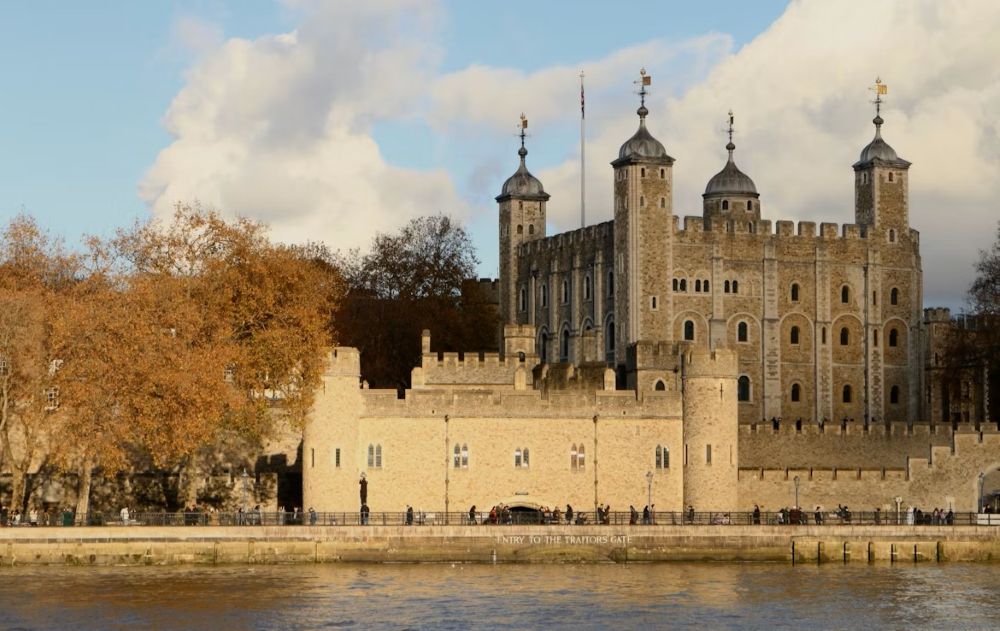
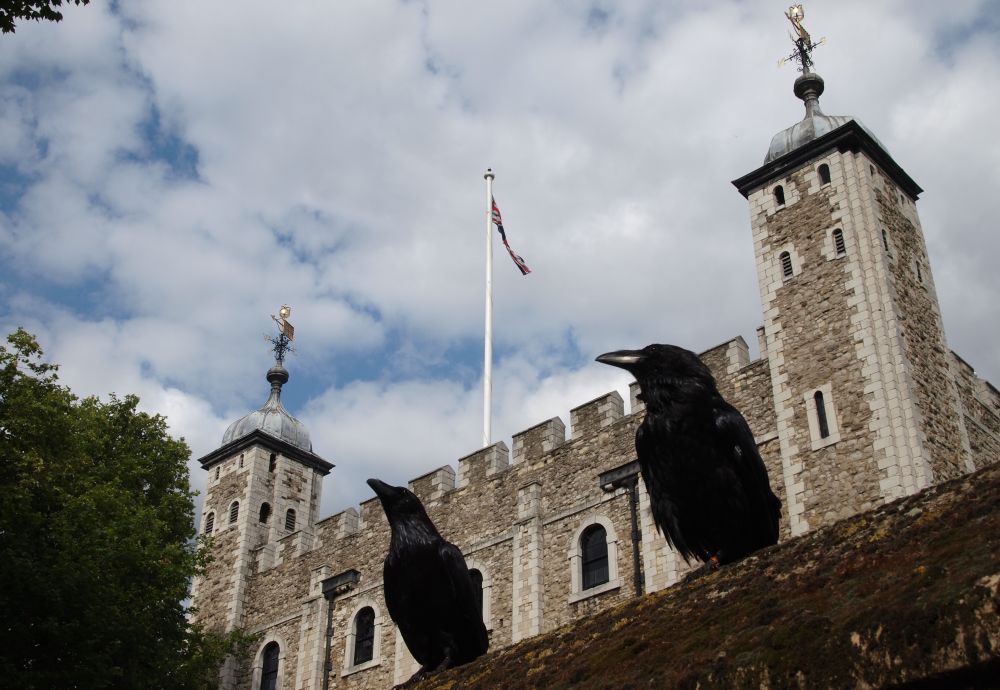
The official raven enclosure is situated on the South Lawn, nestled within the ancient walls of the Innermost Ward. From this home base, the ravens have the freedom to roam the Tower grounds during the day. You might spot one strutting imperiously across the grass, observing visitors with a knowing eye from a centuries-old battlement, or even trying to steal an unguarded snack.
If you plan to see them, it’s wise to check the Tower of London’s opening times.
Summer Hours (approx. March – October):
- Tuesday – Saturday: 9:00 AM to 5:30 PM
- Sunday – Monday: 10:00 AM to 5:30 PM
Winter Hours (approx. November – February):
- Tuesday – Saturday: 9:00 AM to 4:30 PM
- Sunday – Monday: 10:00 AM to 4:30 PM
Meet the Winged Guardians (and Their Human)
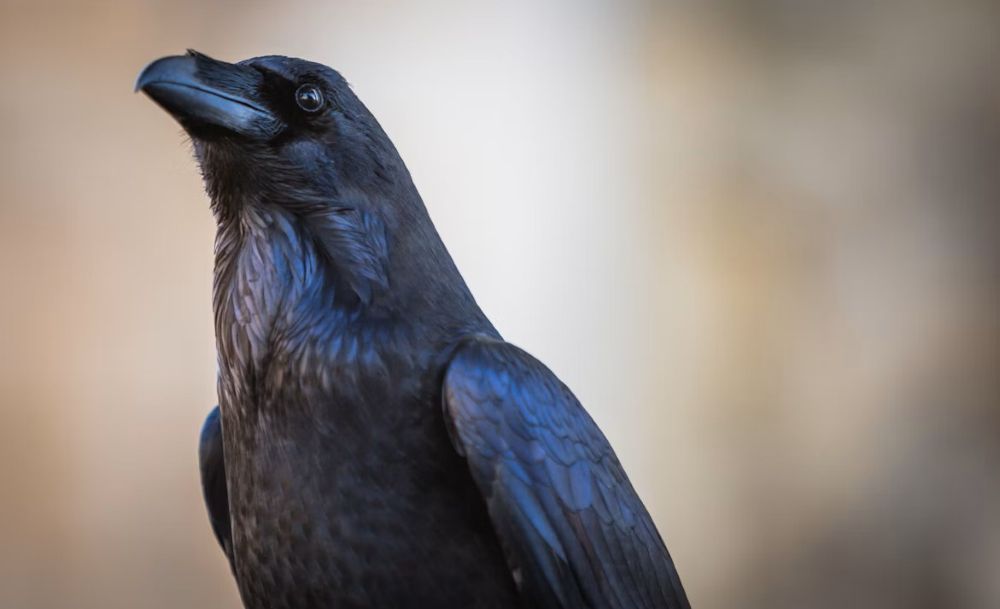
A group of ravens is called a “conspiracy” or an “unkindness”, fittingly dramatic terms for birds of such legendary stature. The famous Tower of London ravens myth dictates that there must always be at least six ravens in residence. For centuries, this decree, said to originate from King Charles II, has been dutifully upheld to safeguard the Crown and the Kingdom.
So, how many ravens at the Tower of London are there today? As of summer 2025, the Tower is proud to be home to eight ravens, providing two spares for good measure. This feathered conspiracy includes:
Jubilee: The seasoned veteran of the group.
Harris and Poppy: A formidable and often mischievous pair.
Georgie and Edgar: Two birds known for their playful and intelligent natures.
Chaos: A raven whose name perfectly captures its spirited personality.
Henry and Poe: The newest arrivals, who joined the flock in the May of 2025, ensuring the legend continues for a new generation.
Caring for these avian celebrities is no small task. It falls to a uniquely titled official: the Ravenmaster. In 2024, this prestigious role was taken over by Yeoman Warder Barney Chandler, a former Royal Marine who now heads a dedicated team responsible for the ravens’ welfare.
The Ravenmaster’s day begins early, providing the birds with their specialized diet of raw meat, mice, and chicks, along with occasional treats like blood-soaked biscuits. He is not just a keeper but a companion to the birds, understanding their individual personalities, quirks, and complex social dynamics. To ensure the ravens don’t decide to abandon their post, their flight feathers are carefully trimmed, a painless process that unbalances them just enough to discourage long-distance journeys. It’s a delicate balance, ensuring they are free enough to feel at home but committed enough to protect a kingdom.
The Raven Tower Myth
Why do they have ravens at the Tower of London? Blame Charles II – or at least, the myth swirling around him.
The tale most famously begins with King Charles II in the 17th century. The King’s Royal Astronomer, John Flamsteed, was working from an observatory in the White Tower. He grew increasingly frustrated with the local ravens, which were constantly flying past his telescope and leaving droppings that obscured his view of the heavens. He complained to the King and demanded their removal.
Charles II, a monarch restored to the throne after a bloody civil war had seen his father executed, was initially inclined to grant the request. But then, a courtier – or perhaps Flamsteed himself, in a different version of the story – warned him of an ancient prophecy.
“Should the ravens ever leave the Tower, the Crown will fall and Britain with it.”
The legend stated that if the ravens ever left the Tower, the fortress would crumble to dust, the Crown would fall, and the Kingdom of Britain would collapse.
Having witnessed firsthand the fragility of the monarchy, Charles was not a man to tempt fate. He immediately countermanded his order and decreed that at least six ravens must be kept at the Tower of London in perpetuity. And so, the fate of an empire was officially placed upon the shoulders of its winged sentinels.
But what does it mean if the ravens leave the Tower of London? According to the legend, it means nothing less than total catastrophe. It signifies the end of the monarchy and the dissolution of the kingdom itself. This powerful superstition is the reason the ravens are treated with such reverence and care. In the eyes of tradition, they are the living embodiment of national stability.
History also offers chilling near-misses:
1941, The Blitz: Bombs shattered the Tower. Only Grog, a battle-hardened veteran, remained. New recruits were swiftly sourced.
1981, Raven Grog (II): Vanished after 21 years service, last seen outside an East End pub. Panic ensued until replacements arrived.
2021, Queen Merlina: The beloved matriarch vanished during lockdown. Searches proved fruitless. “Her absence felt like an omen,” one Beefeater confessed.
Today, clipped wings prevent escape (a painless feather trim). Yet the ravens seem content, spoiled with steak, quail eggs, and adoring crowds.
Echoes of an Older Magic
While the story of Charles II is the most cited origin, the connection between ravens and the Raven Tower may have even deeper roots in the soil of British mythology. Some historians believe the legend is an echo of a much older Celtic tale: the story of Brân the Blessed.
Brân, a mythical giant and King of the Britons, was mortally wounded in a battle against the Irish. Before he died, he commanded his followers to sever his head and bury it beneath the Bryn Gwyn, or “White Hill,” with his face turned towards France. This act was to serve as a powerful talisman, protecting the island of Britain from foreign invasion. The very site of this mythical burial is where the Tower of London now stands.
The Welsh word “Brân” translates to “raven,” suggesting that the birds that flocked to the White Hill were seen as sacred manifestations of the ancient king’s protective spirit long before the Normans ever laid the first stones of the Tower. This transforms the Charles II story from a whimsical superstition into the continuation of a deep-seated cultural memory, linking the raven tower’s significance directly to the soul of the land.
See the Legend for Yourself
While the ravens myth of the Tower of London in its current form might be a Victorian embellishment, its power lies in what it represents. The ravens are a tangible, living link to centuries of history. They embody the Tower’s darker past, its resilience, and the enduring mystique of the British monarchy. They are a unique cultural icon, recognized worldwide.
Seeing the ravens at the Tower of London is a highlight for many visitors. They can often be spotted near their enclosures by the Wakefield Tower, or strutting confidently across the Tower Green, unfazed by the crowds. Listen for their distinctive deep “kronk” calls. The Ravenmaster sometimes gives dedicated talks (check the Tower’s daily schedule), offering fascinating insights into their care, personalities, and the history of the tradition. Respect their space – they are wild creatures at heart, despite their unique situation. Never attempt to touch or feed them.





There are no comments.