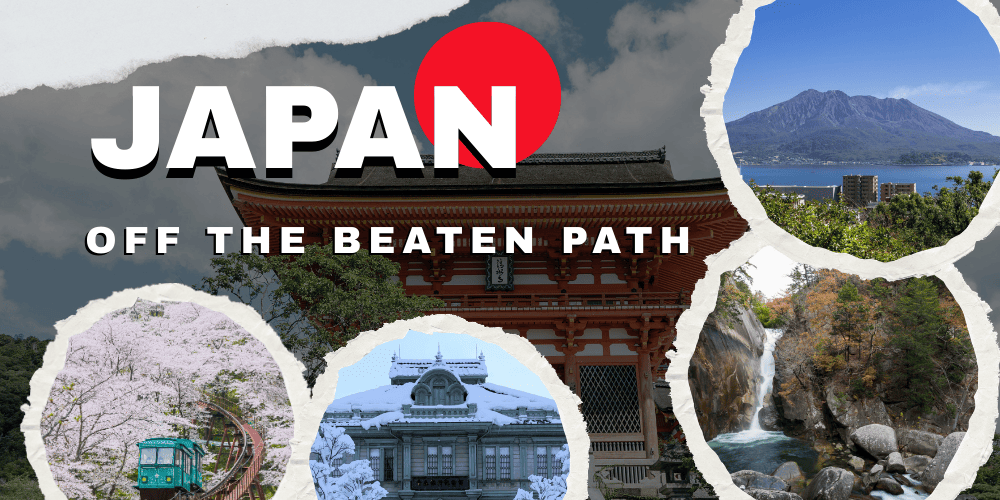

Japan has always been a top tourist destination worldwide, with major cities like Tokyo, Osaka, and Kyoto constantly bustling with visitors from across the globe. Are you tired of standing shoulder-to-shoulder with hundreds of tourists just to take a single photo? You are definitely not alone. While Tokyo and Kyoto get all the attention, the real magic happens when you step away from the major crowds. Finding less touristy places in Japan gives you a chance to breathe, chat with locals, and eat amazing regional food without waiting in line for hours.
If you want to see the authentic heart of the country, you have to look at Japan off the beaten path. Get ready to pack your bags and look at these incredible spots that most travelers miss entirely.

Sendai, Tohoku
Highlights: City of Trees, where urban life and nature harmoniously coexist, boasting historical sites and delicious Gyutan.
Sendai sits in the Miyagi Prefecture, which is also a bustling metropolis, but it’s nowhere near as crowded as Tokyo. You get wide streets, lots of green spaces, and a deep history tied to the famous one-eyed samurai, Date Masamune.
Unique things to do
As the birthplace of gyutan, savoring grilled beef tongue with mashed yams is a must. And you have to walk up the hill to the Zuihoden Mausoleum. The bright, intricate woodwork on this samurai tomb will completely blow you away. Finally, grab a cup of coffee at the Sendai Mediatheque, an architectural marvel made entirely of transparent glass and massive steel pillars.
Aomori, Tohoku
Highlights: The undisputed apple capital of the country, featuring deep mountain forests and huge summer festivals.
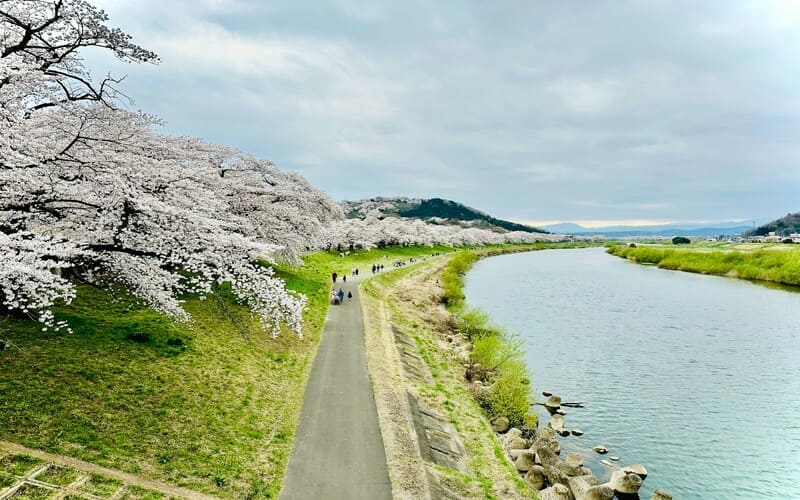
Aomori is the northernmost city in Japan’s main island. This area offers abundant natural scenery, including coastlines, pristine forests, and winter snow landscapes. Moreover, its dense network of national parks provides nature enthusiasts with endless hiking opportunities.
Unique things to do
First, check out the Nebuta Museum Wa Rasse, where you get to see gigantic, brightly illuminated paper floats used in the famous Nebuta Matsuri up close. The fierce samurai faces on these glowing structures look highly intimidating. Next, wander around the moat of Hirosaki Castle, even if you miss the Japanese spring cherry blossoms, the castle grounds offer a beautiful, quiet walk. The ancient stone walls and wooden bridges look like a painting. Make sure you drink fresh apple cider from a local farm; it tastes like nothing you ever buy at a standard grocery store.
Kofu, Chubu
Highlights: Featuring crisp Japanese wines, endless orchards, and a rich samurai history
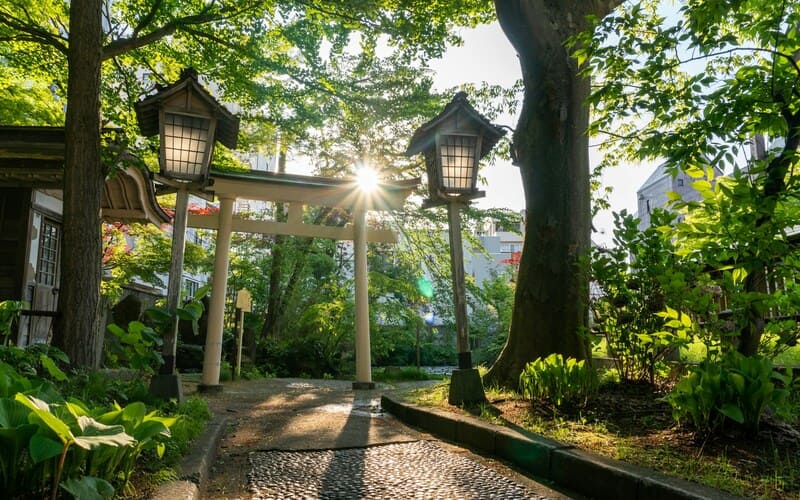
Kofu is an ideal city for leisurely vacations, nestled in Yamanashi Prefecture amidst towering mountains. Its location in a sun-drenched valley creates a climate perfectly suited for grape cultivation. If you seek a remote corner of Japan with a distinct European flair, Kofu fits the bill. From here, you can gaze upon Mount Fuji, faintly visible through the distant clouds.
Unique things to do
You can rent a bicycle and ride from tasting room to tasting room, sipping on Koshu wine. After that, hike through the beautiful Shosenkyo Gorge, where the towering granite cliffs and rushing waterfalls provide a picture-perfect afternoon. For history enthusiasts, a visit to Takeda Shrine offers insights into the stories of local warlords from the Sengoku period. The shrine also features traditional Japanese hot springs, perfect for unwinding and rejuvenating.
Toyama, Chubu
Highlights: Abundant in seafood, it boasts traditional glass artistry and breathtaking natural scenery.
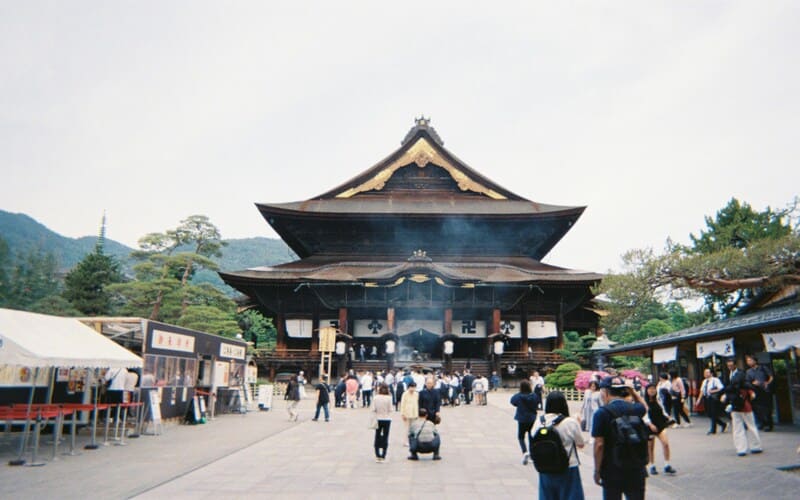
Toyama sits along the Sea of Japan coast, where you’ll be amazed by the majestic Tateyama mountain range rising behind the city. Though it’s a modern metropolis, it attracts few international tourists, making it one of Japan’s hidden gems.
Unique things to do
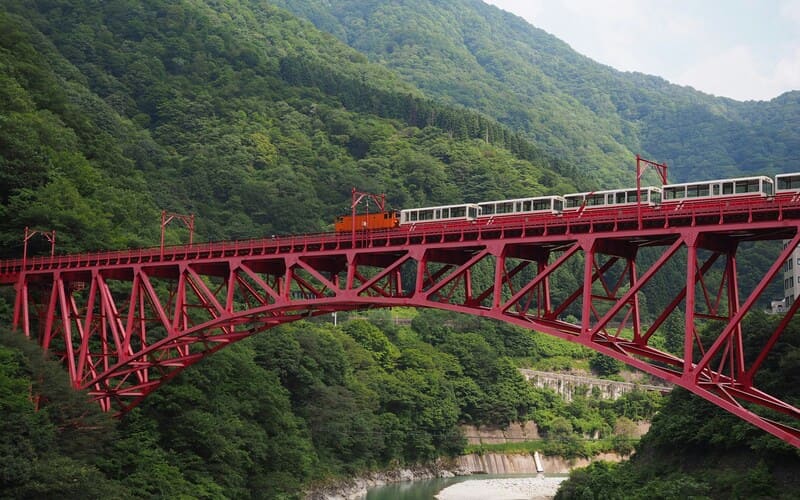
If you wish to admire Japan’s renowned natural landscapes, this is also one of the starting points for the Tateyama Kurobe Alpine Route. For urban exploration, begin at the Toyama Glass Art Museum, designed by Kengo Kuma. The museum’s vibrant and exquisite glass exhibits are truly breathtaking.
Next, you have to eat Shiroebi, or white shrimp. Locals call them the “jewels of Toyama Bay,” and they taste remarkably sweet and delicate over warm rice. You can take a scenic ride on the Kurobe Gorge Railway. The open-air train hugs steep cliffs right over a rushing turquoise river, offering brilliant photo opportunities at every single turn.
Fukuoka, Kyushu
Highlights: Vibrant port town offering a dynamic culinary scene, historic seaside temples, and gorgeous sandy beaches.
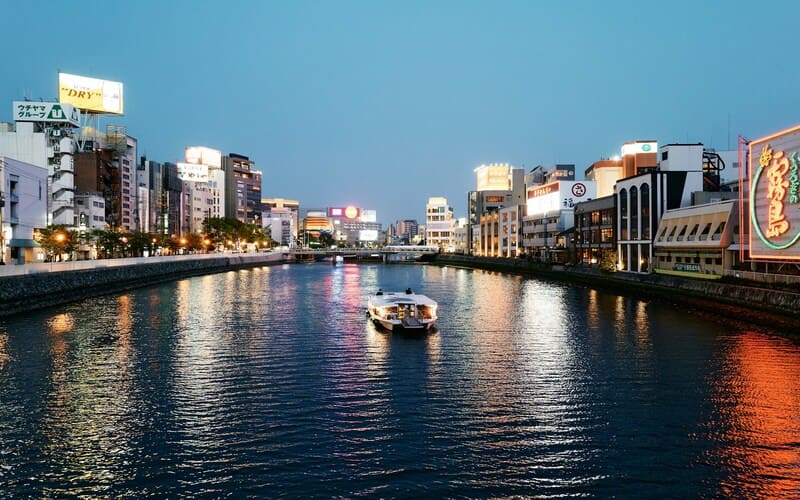
If you love food, Fukuoka might quickly become your new favorite city. Sitting on the northern shore of Kyushu, this busy port town has a young, energetic vibe. It feels much more relaxed than Osaka, yet it still packs a huge culinary punch. Due to its proximity to mountains and the sea, you can also travel from the city center to beaches, parks, hot springs, and other such areas.
Unique things to do
During the day, take a peaceful stroll around Ohori Park. You can rent a swan boat and paddle across the massive pond right in the middle of the city. For a bit of history, check out the ruins of Fukuoka Castle. Walking through the ancient stone foundations gives you a great sense of the city’s samurai past. In the evening, head to Yatai, where you’ll find small open-air food stalls serving authentic Hakata Ramen.
Kumamoto, Kyushu
Highlights: Charming mascots, ancient cities steeped in history, and unique volcanic landscapes.
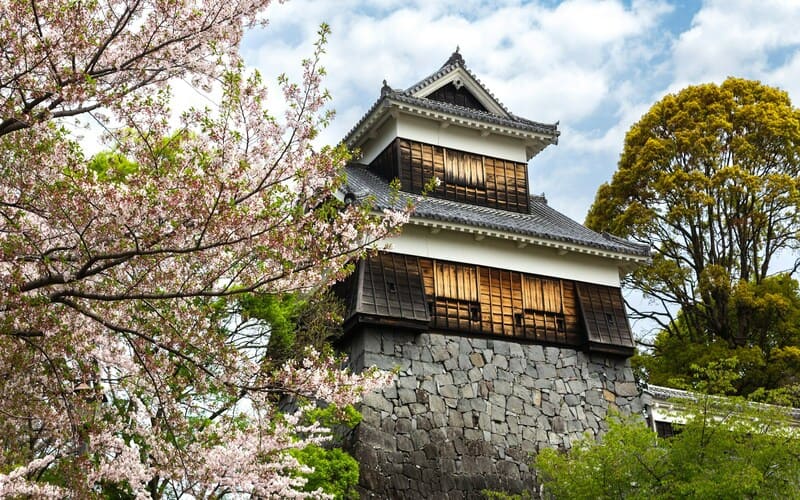
Most people know Kumamoto solely for its rosy-cheeked bear mascot, Kumamon. But this city offers so much more than cute character merchandise. This includes Kumamoto Castle, one of Japan’s Three Great Castle Towns, traditional Japanese gardens, and Mount Aso, one of the world’s largest active volcanoes. It remains an essential stop for anyone wanting to find off the beaten path in Japan while still enjoying modern comforts.
Unique things to do
Spend a few hours walking the grounds of Kumamoto Castle, the black exterior looks highly intimidating and cool, standing as one of the best fortresses in the country. Seeing the heavy stone drops and defensive walls makes you appreciate ancient engineering. Next, find some peace at Suizenji Jojuen, a beautifully manicured landscape garden that features a miniature Mount Fuji made entirely of grass. You can sip matcha tea on a traditional tatami mat while overlooking the koi pond.
Takamatsu, Shikoku
Highlights: Delicious udon noodles, world-class traditional gardens, and quick access to famous art islands.
The Shikoku region is often overlooked by international travelers, yet it offers an ideal setting for a relaxing getaway. Takamatsu, in particular, boasts urban parks and historical sites while serving as a gateway to other scenic islands.
Unique things to do
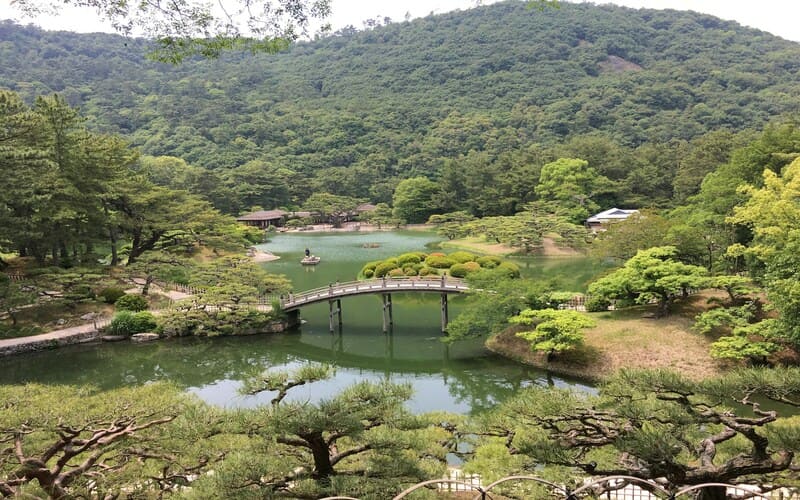
Here lies Ritsurin Garden, widely regarded by landscape experts as one of Japan’s finest gardens, boasting premier views of pine groves, ponds, and tea houses. It also ranks among Japan’s best destinations for enjoying cherry blossoms and autumn foliage away from the crowds. If time permits, take a ferry from the port to Naoshima or Teshima. Don’t forget to try the local specialty udon, which has a wonderfully chewy texture.
Onomichi, Chugoku
Highlights: A nostalgic, cinematic hillside town offering vintage alleys, breathtaking ocean views, and friendly stray cats.
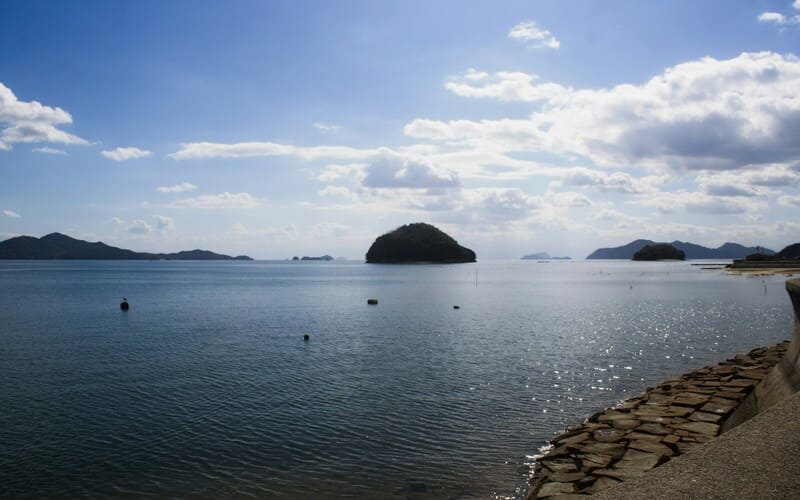
Do you like retro vibes, winding hillside streets, and cats? Onomichi sits in Hiroshima Prefecture and overlooks a beautiful, narrow channel of water. It clings to the side of a steep hill, giving it a nostalgic, cinematic feel. This quaint town is full of unusual places to visit in Japan. Onomichi looks largely untouched by recent modern development; instead of neon signs and huge shopping malls, you find old wooden houses, small independent cafes, and sweeping views of the ocean.
Unique things to do
If you’ve got the stamina, rent a bike and take on the Shimanami Kaido. This cycling route connects six distinct islands, offering ample ocean views. Of course, exploring the towns brings its own rewards—Onomichi boasts a quiet stone path linking 25 ancient temples nestled on hillsides. Along the way, you’ll encounter dozens of friendly stray cats gathered in Cat Alley.
Tottori, Chugoku
Highlights: Uncrowded escape featuring bizarre sand dunes, rugged coastlines, and incredible fresh snow crab.
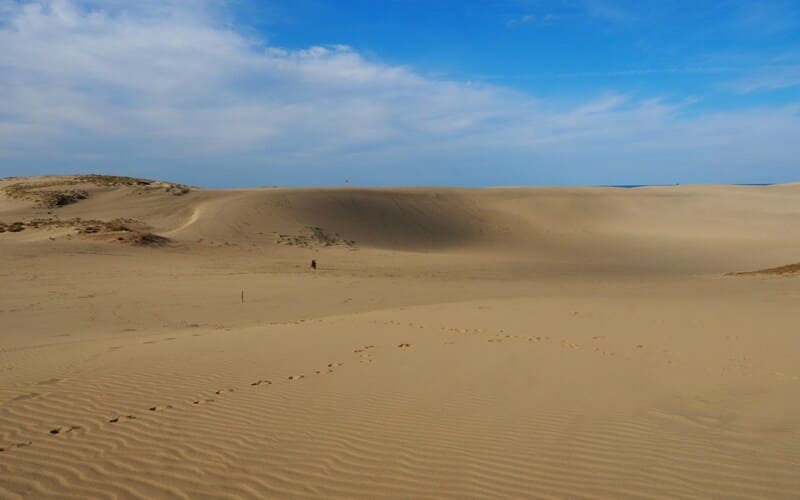
Tottori is arguably one of Japan’s most unusual destinations to visit, boasting vast sand dunes that offer a stark contrast to the typical image of Japan. Despite its sandy landscapes, the region is also rich in seafood, particularly crab and oysters. With its relatively small population, you’ll find it pleasantly uncrowded wherever you go.
Unique things to do
The Tottori Sand Dunes offer Tottori’s most extraordinary scenery, where you can even ride a camel across the sand while gazing directly at the ocean. The contrast between the golden sands and the blue waters creates a completely surreal experience. Right next door, check out the Sand Museum. Artists from all over the world carve large, intricate sculptures out of sand, and the theme completely changes every single year.
Kagoshima, Kyushu
Highlights: A warm, tropical-feeling city sitting across from a huge active volcano, offering epic hot springs.
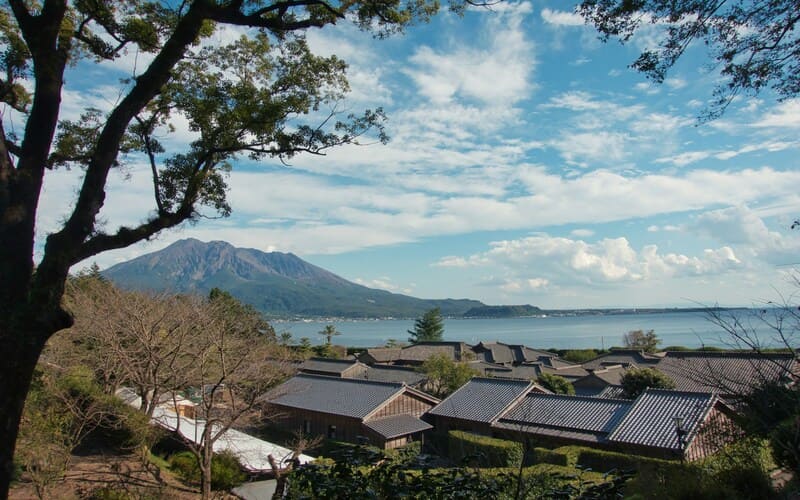
Located at the extreme southern tip of Kyushu, Kagoshima enjoys a warm climate and a laid-back, almost tropical feel. Upon arriving here, you’ll be amazed by the massive smoking volcano across the city center and the volcanic ash drifting down from the nearby mountains. This unique landscape has created abundant hot spring resources, and the distinctive Ibusuki Sunamushi Onsen offers a truly unique hot spring experience.
Unique things to do
Take the quick, 15-minute ferry ride directly over to Sakurajima. You can hike the jagged lava trails and dip your tired feet in free volcanic footbaths while looking back at the city skyline. As this area was once a key historical site of the Meiji Restoration, there are many traditional neighborhoods worth visiting. For dinner, you simply have to eat Kurobuta, whether you get it as a crispy fried tonkatsu or swished through a steaming hot pot, it melts in your mouth.
What You Need When Visiting Japan
You may have visited the Golden Route, but these off-the-beaten-path destinations in Japan differ from major tourist cities. So you’ll need to take some time to prepare your gear for these unique cities.
Essentials Items
- Comfortable walking shoes: When exploring these cities in depth, it’s common to walk over 20,000 steps daily, so pack your most comfortable shoes.
- A Pocket WiFi or an eSIM: Secure this before your plane even lands. Having constant, reliable access to map apps and translation tools saves you from getting lost in rural train stations.
- A coin purse and cash: While credit cards work well in large department stores, cash remains essential in many places. Many small ramen shops, rural bus stations, and local shrines only accept yen. The bills look pretty, but heavy coins pile up quickly, so a dedicated coin purse can help you stay organized.
- A lightweight rain jacket: Sudden showers frequently pop up, especially in the mountainous regions.
- Toiletries: Some rural inns may not provide toiletries or only offer basic items.
- Personal medications: While Japan has a wide variety of medications available, it’s best to bring your own.
Transportation Options
- Regional rail passes: Since the nationwide Japan Rail Pass went up in price recently, targeted regional passes often save you much more money now. Look into passes specifically for Kyushu or Tohoku.
- Prepaid IC cards: Grab a Suica, Pasmo, or Icoca card for getting around cities.
- Takuhaibin luggage forwarding service: You can ship your heavy suitcases from one hotel to the next for a small fee.
Cultural Guidelines
- Take your shoes off indoors: Always remove your footwear when stepping into a home, a traditional inn, or certain temple halls.
- Keep your voice down on public transport: You will rarely hear locals talking on their phones on a train. Save the loud conversations for the dinner table or the local pub.
- Follow basic chopstick etiquette: When eating, never stick your chopsticks vertically into a bowl of rice. This heavily resembles a traditional funeral ritual and makes locals uncomfortable. Just lay them flat across your bowl or on a chopstick rest.
- Do not tip anywhere: The price you see printed on the menu is the absolute final price. Leaving extra money on the table only causes confusion.
FAQ
Where to go in Japan off the beaten path?
If you want true adventure and quiet streets, head straight to the Tohoku region up north or the island of Shikoku. Cities like Sendai, Aomori, and Takamatsu offer brilliant culture without the overwhelming tourist footprint. You get a much more personal, highly authentic experience in these areas. Kyushu also provides amazing escapes. Seeing the hot springs in Kagoshima or the deep valleys near Kumamoto shows you a side of the culture that standard guidebooks completely gloss over.
Which part of Japan is the least populated?
Tottori Prefecture has the smallest population, offering a sense of openness, relaxation, and a close connection to nature. Next are the northern islands of Hokkaido, featuring vast, empty wildernesses that are perfect for those seeking to escape the hustle and bustle of city life.
Where to go in Japan not crowded?
Focus your travel plans on the Chugoku region and the southern island of Kyushu. Places like Onomichi and Kagoshima see far fewer international visitors than standard hubs like Kyoto or Osaka. By sticking to coastal towns and secondary cities, you avoid the heavy tour bus crowds while still finding amazing food and historic shrines. Shikoku Island remains another fantastic option. Because it lacks a Shinkansen line connecting it directly to Tokyo, many travelers skip it entirely.





There are no comments.