

I know the world is in a state of chaos, and this situation is likely to affect your travel plans. If you’re considering traveling to Europe in the near future, asking “Is it safe to travel to Europe now?” is perfectly understandable. Geopolitical tensions dominate our screens every single day, making you wonder what is actually happening on the ground in other countries. Are the romantic streets of Paris, the historic plazas of Rome, or the busy markets of London dangerous? Should you cancel your flights and just stay home?
This comprehensive guide will walk you through everything you need to know before you go. We’ll cover the latest alerts, specific areas to avoid, and the best destinations for your vacation. Let’s break it down.
Recent Hantavirus Outbreak Information
In May 2026, a specific health alert was issued regarding a Hantavirus cluster that had made international headlines. It is important to distinguish between this specific event and the general risk to travelers on the continent.
As of early May 2026, the World Health Organization (WHO) and the ECDC have been monitoring a cluster of Hantavirus Pulmonary Syndrome (HPS) cases.
- The Source: The outbreak originated on a cruise ship (the MV Hondius) traveling through the South Atlantic. Several European passengers were affected.
- Symptoms of Hantavirus: The virus has an incubation period of 8 weeks. Common early symptoms include fever, fatigue, body aches, headache, chills, and dizziness. Within 4–10 days, the condition can rapidly worsen, leading to symptoms such as shortness of breath, pulmonary edema, and hypoxia.
- The Risk Factor: Hantavirus is typically contracted through contact with infected rodent droppings, saliva, or urine. The 2026 cases were specifically linked to the Andes virus (ANDV) strain, which is one of the few hantaviruses where rare human-to-human transmission is possible.
- Status in Europe: While some returning passengers were treated in European hospitals (notably in Switzerland and the Netherlands), there is no evidence of a community outbreak within European cities.
- Travel Advisory: Since this virus is transmitted through prolonged or close contact, we recommend that you avoid crowded places as much as possible. This includes bars and large gatherings. You should also wash your hands frequently and avoid contact with rodents.
Is It Safe to Travel to Europe Now with Iran War
As news of the Iran and Israel conflict updates daily, especially since we already know this war has severely impacted tourism in the Middle East. So, is it safe to travel to Europe now with Iran war tensions dominating the international news cycle?
The answer is yes. Europe’s major tourist cities are thousands of miles away from active conflict zones. Daily life in these places continues as usual. For travelers heading to Europe, this conflict primarily impacts flight routes. If airspace over a specific region in the Middle East becomes risky, commercial flights will reroute around that area. If you’re flying to destinations in the Far East, your flight time may be slightly longer.
Europe Travel Advisory
If you want to know the real facts regarding travel safety in Europe, the U.S. State Department is your absolute best resource. They issue specific, colored safety grades for every single country on the planet. Understanding travel advisories in Europe will save you a massive amount of unnecessary anxiety.
Level 1: Exercise Normal Precautions
This is the lowest risk rating. It indicates that the country is generally very safe, with most of Eastern Europe, Northern Europe, and the Mediterranean currently maintaining this top-tier safety status.
This includes:
- Nordic countries: Iceland, Finland, and Norway.
- Eastern and Central Europe: Poland, the Czech Republic, Hungary, Romania, Bulgaria, and Croatia.
- Baltic countries: Estonia, Latvia, and Lithuania.
- Western and Southern Europe: Switzerland, Ireland, Portugal, and Greece.
Level 2: Exercise Increased Caution
In Western Europe, this is typically due to the potential presence of isolated terrorist threats, sudden outbreaks of civil unrest, or highly organized pickpockets operating in crowded tourist areas.
- Key hubs: France, Germany, Italy, and Spain.
- Northern and Western Europe: United Kingdom, Belgium, Denmark, Sweden, and the Netherlands.
Level 3: Reconsider Travel
Currently, European vacation destinations do not fall into this category. Level 3 warnings are typically only issued for specific, localized border regions, areas near active conflict zones, or during temporary periods of extreme national crisis.
Level 4: Do Not Travel
Currently, the State Council has placed three specific Eastern European countries under a strict Level 4 warning: Ukraine, Russia, and Belarus.
The Safest Countries to Visit in Europe
When you seek answers to “How safe is it to travel to Europe now?”, these European countries will provide them. With exceptionally low crime rates and excellent healthcare systems, they ensure you enjoy a worry-free vacation.
Iceland
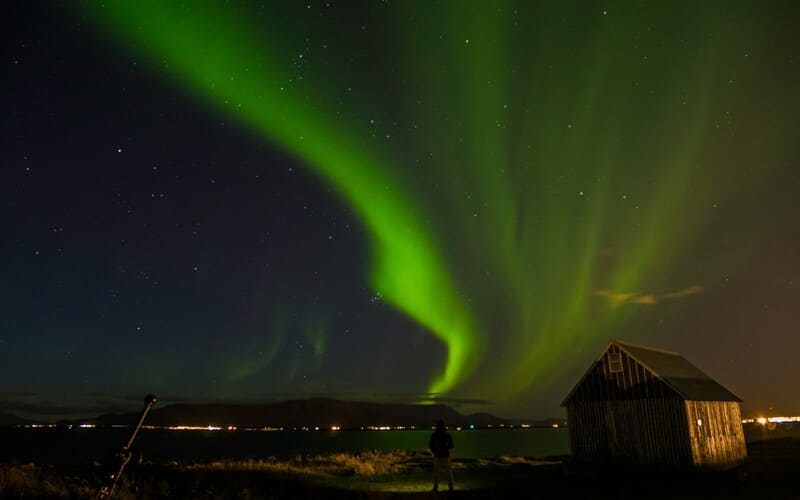
Iceland has long been regarded as one of the safest countries in the world. Isolated from the mainland with a sparse population, it experiences virtually no violent crime. The nation boasts some of the most spectacular volcanic landscapes on Earth and is also an exceptional location for viewing the Northern Lights.
Top Destinations
Reykjavik: Iceland’s capital and the starting point for most trips to Iceland, it’s very walkable. You can see the towering Hallgrimskirkja church, and shop for cozy wool sweaters on Laugavegur street.
Akureyri: Known as the “Capital of the North,” this small city sits at the base of a massive fjord. It serves as the ultimate base camp for viewing the Northern Lights and booking premier whale-watching boat tours.
Key Considerations
Iceland’s greatest safety factor lies in its natural environment, where the weather is extremely unpredictable. “Sneaker waves” are massive, sudden waves that surge high up the beach. They regularly pull tourists into the freezing ocean. Never turn your back to the water here. Additionally, volcanic activity on the Reykjanes peninsula is an ongoing reality. You should always check the local safety website, safetravel.is, before driving anywhere.
Switzerland
As a strictly neutral, affluent, and highly organized nation, Switzerland remains virtually untouched by conflict. Its streets are immaculately clean, and petty theft is exceptionally rare compared to other major European hubs. If you seek an unadulterated Alpine getaway without the constant need to look over your shoulder, Switzerland is your ideal destination.
Top Destinations
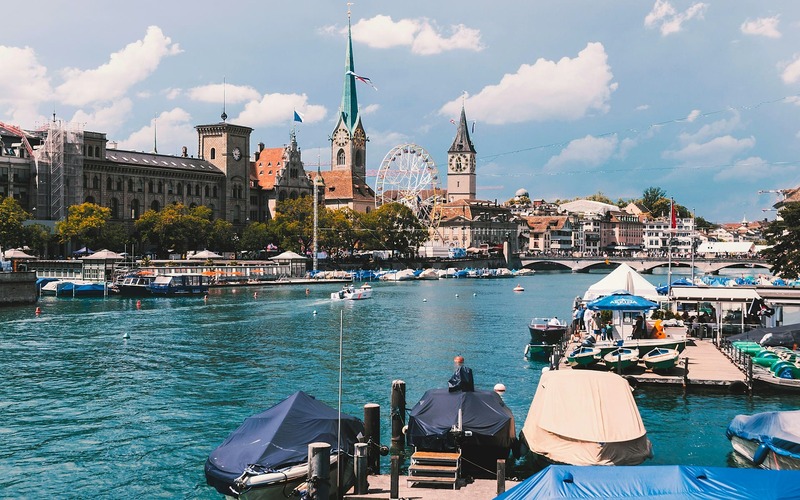
Zurich: This is the main financial hub, but it feels incredibly romantic. You can wander through a gorgeous old town right on the Limmat River, shop on the luxurious Bahnhofstrasse, and take boat rides across Lake Zurich.
Lucerne: This highly photogenic city gives you the iconic Chapel Bridge, a stunning wooden covered bridge lined with flowers. It acts as the perfect gateway city before you head up into the towering central Alps.
Geneva: Located in the French-speaking region, Geneva is the global hub for diplomacy. You can view the massive Jet d’Eau fountain shooting water 460 feet into the air and tour the European headquarters of the United Nations.
Key Considerations
The real local safety precautions involve altitude and alpine sports. If you take a high-speed cable car up to 12,000 feet, you might experience severe altitude sickness. You will feel dizzy, nauseous, and out of breath. You need to drink plenty of water and move slowly. Furthermore, alpine weather is brutal. A sunny morning can turn into a blizzard by noon. Always pack warm layers in your day bag. If you are skiing in the winter, never go off-piste. Avalanches are a constant, deadly threat to reckless skiers.
Finland
Finland is far from the hustle and bustle, where culture revolves around nature and tranquility. With thousands of pristine lakes and a deep-rooted tradition of saunas, you’ll find a relaxing getaway here.
Top Destinations
Helsinki: The capital sits right on the Baltic Sea. It boasts incredible modern architecture, the stunning rock-carved Temppeliaukio Church, and fantastic local food markets right on the harbor.
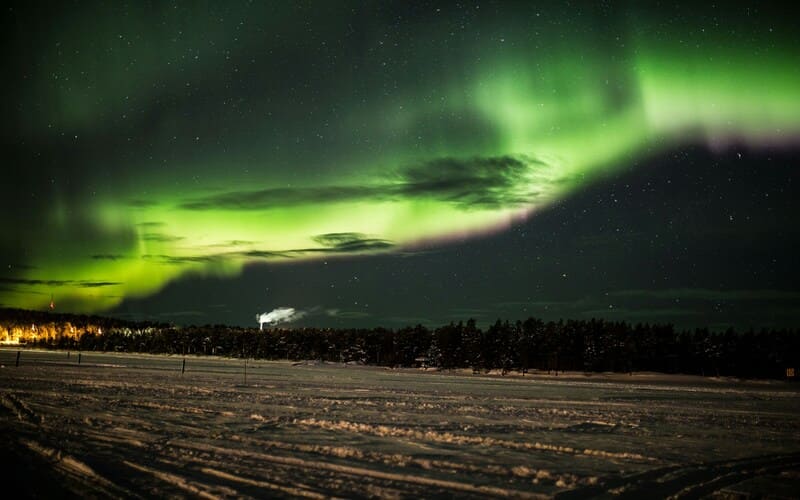
Rovaniemi: If you head north to Lapland, you hit Rovaniemi. This is the official home of Santa Claus. It is the absolute best city on earth to book a glass igloo and watch the Northern Lights dance across the winter sky.
Key Considerations
Similarly, in Finland, nature is the most important factor. If you visit Lapland in January, temperatures drop well below zero. You can get frostbite in minutes if your skin is exposed. You must wear proper thermal base layers. If you rent a car to drive through the countryside, watch out for wildlife. Reindeer and massive moose wander onto the highways constantly.
Denmark
Denmark has consistently been ranked among the safest places for women to travel alone. It boasts not only a rich history and culture but also distinctive natural landscapes and a unique fairy-tale atmosphere.
Top Destinations
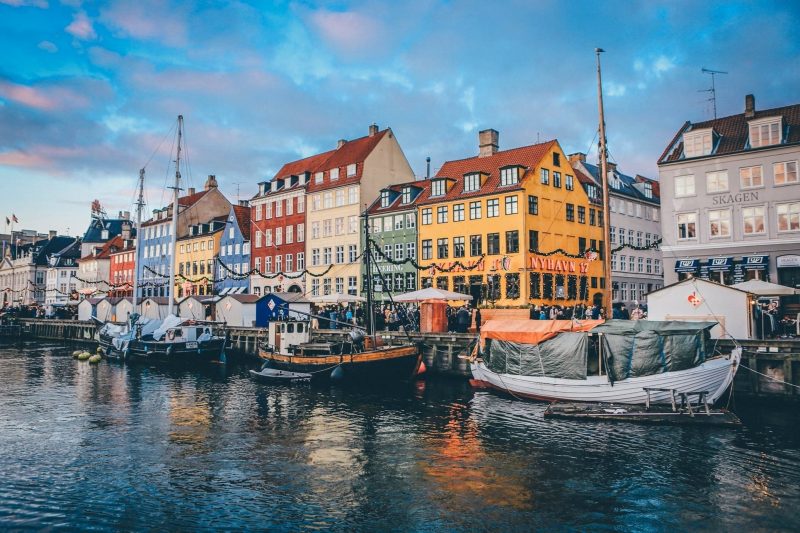
Copenhagen: The capital boasts historic architecture and harbor views. You can walk through the historic Tivoli Gardens amusement park, eat world-class pastries, and see the brightly colored townhouses lining the famous Nyhavn canal.
Aarhus: Denmark’s second-largest city is a fantastic cultural hub. It features ARoS, a massive modern art museum known for its rainbow panorama walkway, and Den Gamle By, a brilliant open-air museum of historic Danish buildings.
Key Considerations
What is the biggest threat to your safety in Denmark? Bicycles. The locals take cycling incredibly seriously. Bicycles are the primary mode of transportation, and the dedicated bike lanes are essentially high-speed highways. Cyclists ride fast, and they will not stop for a tourist who blindly wanders into their path. Always look both ways before stepping across a red asphalt bike lane.
Norway
Norway possesses an impressive social security network, and due to its citizens enjoying an exceptionally high quality of life, the crime rate is extremely low. You will find it very safe to travel through cities and the wilderness countryside.
Top Destinations
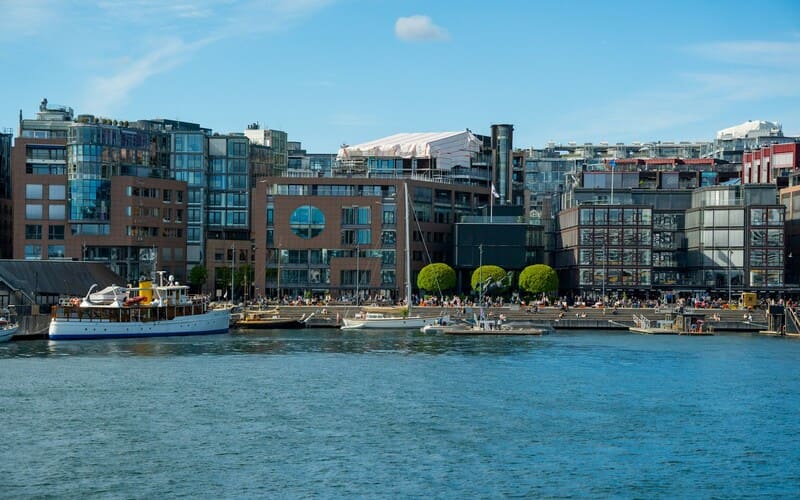
Oslo: This modern capital sits at the head of the Oslofjord. It is filled with incredible museums, including the towering Munch Museum and fascinating exhibits dedicated to polar expeditions and Viking history.
Bergen: Bergen acts as the absolute best gateway to the massive, deep western fjords. You can wander through Bryggen, the historic and colorful Hanseatic wharf, before taking the funicular train up Mount Fløyen for spectacular city views.
Tromsø: Located way up above the Arctic Circle, this snowy city is the premier destination for thrilling dog sledding, midnight sun viewing in the summer, and breathtaking whale watching in the bitter winter cold.
Key Considerations
The main safety issues revolve around hiking. Popular spots like Trolltunga or Preikestolen require grueling, multi-hour hikes. Every single year, rescue helicopters have to save tourists who tried to hike in flip-flops or got caught in a sudden rainstorm without waterproof gear. Stay on the marked trails and know your physical limits. If you are driving, be prepared for incredibly narrow, winding mountain roads with blind corners.
Austria
Austria has a long history, boasts a well-developed public infrastructure, and maintains excellent public safety in its cities. It is an ideal destination for families and older travelers seeking a tranquil, culturally rich experience.
Top Destinations
Vienna: The capital is famous for its massive imperial palaces like Schönbrunn, deep classical music history, and incredible coffee house culture. You can spend days just admiring the grand architecture along the Ringstrasse.
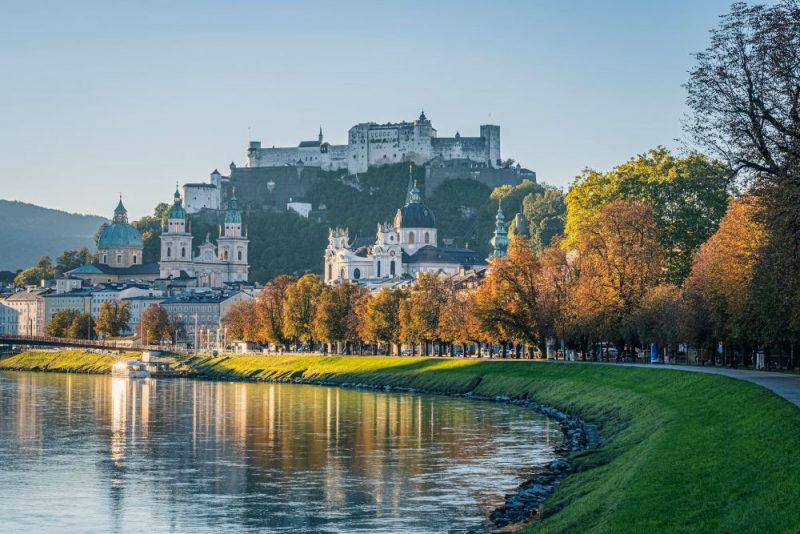
Salzburg: Known as the birthplace of Mozart and the filming location for The Sound of Music, Salzburg features a dominating hilltop fortress, gorgeous baroque architecture, and the beautiful Salzach River.
Innsbruck: Surrounded entirely by the towering Alps, Innsbruck is the ultimate haven for winter sports enthusiasts. Even in summer, the city provides spectacular cable car rides directly from the city center up to the mountain peaks.
Key Considerations
While violent crime is exceptionally rare, pickpockets do operate in Vienna. Keep a close eye on your belongings when watching the street performers near St. Stephen’s Cathedral or walking the crowded grounds of Schönbrunn Palace. If you leave the cities to hike in the pristine Austrian forests, you need to worry about ticks. Tick-borne encephalitis is present in rural areas. You must use strong bug spray, wear long pants, and check your skin after a hike.
Ireland
Ireland is renowned worldwide for its warm and welcoming atmosphere, where locals are exceptionally helpful. It’s an incredibly relaxed and friendly vacation destination, especially with its abundance of pubs.
Top Destinations
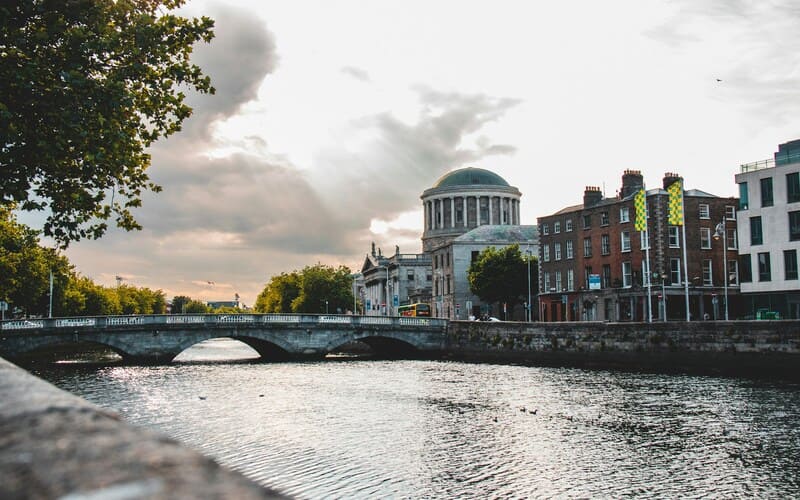
Dublin: As the capital, you can fully experience the atmosphere of the entire country here. View the ancient Book of Kells at Trinity College, enjoy live music in the busy Temple Bar district, and learn how the famous local stout is made at the Guinness Storehouse.
Galway: Located right on the rugged west coast, Galway is the beating heart of traditional Irish folk culture. It features a fantastic bohemian vibe, colorful storefronts, and endless street performers.
Key Considerations
You must drive on the left side of the road. This completely messes with your spatial awareness. Furthermore, rural country roads are shockingly narrow, twisting, and often lined with solid stone walls or thick hedges. Do not rush. Drive cautiously and pull over to let locals pass. When visiting the famous cliffs, especially the Cliffs of Moher, pay close attention to the wind. The gusts coming off the Atlantic Ocean are strong enough to literally blow a grown adult off their feet. Stay well behind the designated safety barriers.
Netherlands
Despite its liberal nightlife policies, the Netherlands is remarkably safe. Its public transportation system is clean and well-lit, making it a reassuring place to travel.
Top Destinations
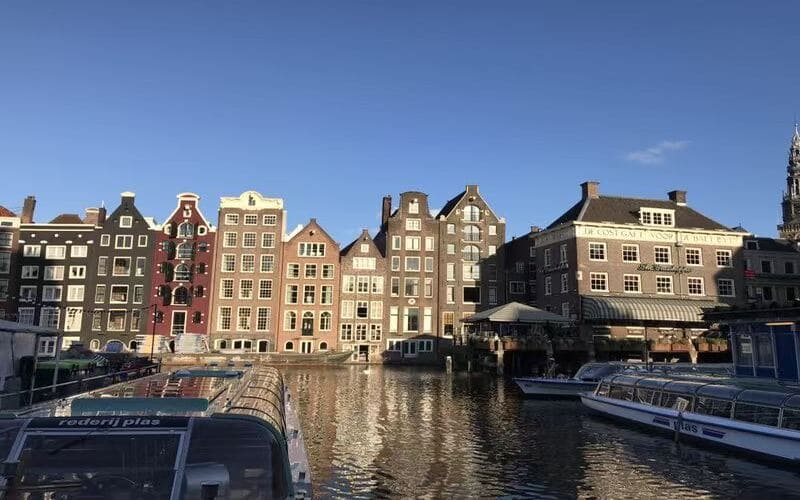
Amsterdam: You can’t miss seeing its vast network of canals here. Learn powerful history at the Anne Frank House, view masterpieces at the Rijksmuseum, and simply enjoy the vibrant, artistic atmosphere of the Jordaan neighborhood.
Rotterdam: Unlike the historic capital, Rotterdam boasts striking, ultra-modern architecture due to rebuilding after WWII. It features a massive, bustling harbor and the incredible Markthal, a futuristic indoor food market.
Key Considerations
Just like in Denmark, the bicycles here are your biggest daily hazard. Dutch bikes are often totally silent. If you walk on the designated bike paths, you will get run over. Keep to the sidewalks. You also need to be careful around the canals. Most of the waterways in Amsterdam do not have fences or barriers. Tourists regularly fall into the freezing water, especially at night after visiting a few bars. If you choose to walk through the famous Red Light District in Amsterdam, employ basic common sense. It is heavily patrolled by police and generally safe, but taking photographs of the workers in the windows is strictly prohibited.
FAQ
Is it safe to go to Europe at the moment?
Yes, it’s very safe. The vast majority of Europe is completely stable and peaceful. Infrastructure is modern, healthcare facilities are world-class, and public transportation networks are closely monitored by security personnel. As long as you maintain basic situational awareness, like keeping an eye on your wallet in crowded squares, you’ll be fine.
Are Americans safe in Europe right now?
Absolutely. Americans are perfectly safe and heavily welcomed across the continent. There are no targeted attacks against American tourists. To ensure the best experience, simply act like a gracious guest. Try to learn a few words of the local language, keep your voice down in restaurants, and respect local customs.
What countries are under Level 4 travel advisory?
Currently, Iran, Iraq, Lebanon, Syria, Yemen, Gaza, Libya, Russia, Ukraine, Belarus, Burkina Faso, the Central African Republic, Mali, Niger, Somalia, South Sudan, Sudan, Haiti, Venezuela, Afghanistan, Myanmar, and North Korea are on the Level 4: Do Not Travel list.





There are no comments.