
If you’re planning a trip to China and will be traveling across multiple cities, taking the train is one of the most efficient, comfortable, and captivating ways to explore the country. China boasts the world’s largest high-speed rail network, capable of whisking you between cities at speeds of 350 kilometers per hour. This means you can spend more time exploring and less time traveling.
No matter which city you’re heading to in 2026, learning about China train travel in advance can help you avoid travel-related issues and hassles.

Table of Contents
Why Choose Train Travel in China
How to Buy China Train Tickets
How to Take Trains in China
Top 10 Most Popular China Train Routes
China Train Travel Tips
Why Choose Train Travel in China
For cities located relatively close to each other, taking the train is more convenient than flying, especially since many airports are situated outside city centers. Furthermore, for many travelers, the train holds special significance as a mode of transportation, offering the opportunity to see more of the local scenery.
Beyond that, taking a train while traveling in China will be a unique experience. Here’s why:
- Punctuality: High-speed trains in China are famously on time. Delays are rare compared to flights, which often face air traffic control holds.
- Comfort: You get more legroom in a Second Class train seat than in most economy airline seats. You can walk around, use your phone, and enjoy the passing scenery.
- Cost: Train tickets are often cheaper than flights, especially when you factor in the cost of getting to and from airports.
- Scenery: Seeing the landscape change from the karst peaks of Guilin to the snowy mountains of the north is an experience you miss when you fly above the clouds.
Different Types of Trains in China
Understanding the different types of passengers on Chinese trains helps you choose the right train and ticket.
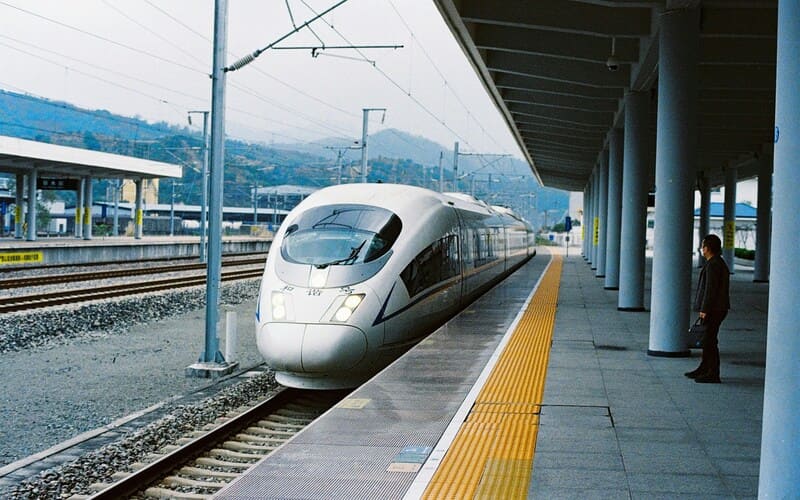
G-Trains: These are the fastest trains, hitting speeds of 300-350 km/h. They stop at major stations only. Facilities are modern, clean, and comfortable.
D-Trains: These are bullet trains but slightly slower, running at about 200-250 km/h. They may stop at more stations than G-trains and are slightly cheaper.
C-Trains: High-speed intercity trains running short distances between neighboring cities like Beijing to Tianjin.
Z, T, and K Trains: These are the classic trains. They run at slower speeds 120-160 km/h and offer sleeper cabins. They are great for budget travelers or those wanting a nostalgic rail adventure, but they take much longer.
How to Buy China Train Tickets
Buying China train tickets is much easier than it used to be. You do not need to speak Chinese or go to the station days in advance. Below are several common ways for foreigners to purchase train tickets in China:
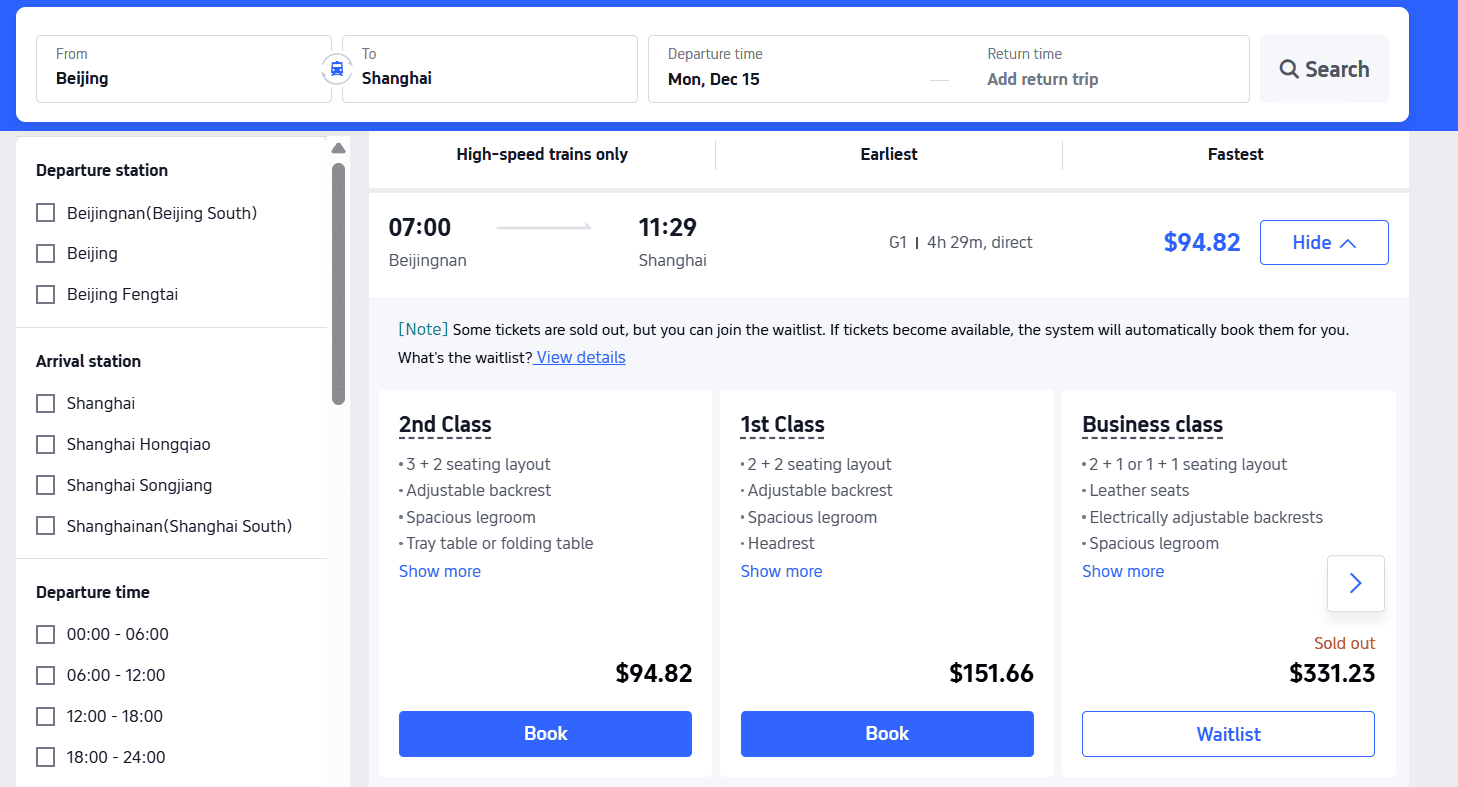
- Online Booking Platforms: For international travelers, the most user-friendly option is Trip.com. It supports international credit cards and multiple languages. You can also use the official railway app Railway 12306, which has an English version, though it may occasionally encounter issues when processing foreign credit cards.
- On-site Purchase: If you’re unfamiliar with the online system, you can still buy tickets at the station’s ticket office. Inform the staff of your travel date, departure station, destination, and train class. Payment can be made in cash or by card. However, expect queues, and popular routes may sell out.
- Purchase Time: Tickets typically go on sale 15 days before departure. For major holidays like Chinese New Year or the October Golden Week, tickets sell out within seconds. If you’re traveling during these periods, it’s best to book as soon as tickets are released.
- Ticket Booking Information: A valid passport is required for ticket purchase. The information on your booking must match your passport exactly.
How to Take Trains in China
Since train stations in major Chinese cities are quite large, familiarizing yourself with the process beforehand will prevent you from feeling overwhelmed at the station.
- Arrive Early: Arrive at the train station approximately 45 minutes before your train’s departure time. After passing through with your passport, you will undergo security screening, which is quite thorough and includes baggage X-ray and personal scanning.
- Ticket: Most routes now use E-tickets. You do not need a paper ticket. Your passport is your ticket.
- Boarding: Boarding typically begins 15 minutes before departure and closes 5 minutes prior. Do not be late, as the train will not wait.
- Entrance: Look for the manual lane at the ticket gate. While some newer machines scan foreign passports, many still require staff to manually verify identification. Hand your passport to them, and they will let you through.
- Finding Your Seat: Colored markings on the platform floor indicate where each car will stop. Please verify your reservation to confirm your car number and seat number.
- Exit: After the train arrives at the station, take your luggage and get off the train. Proceed to the manual exit lane and use your passport to exit the station.
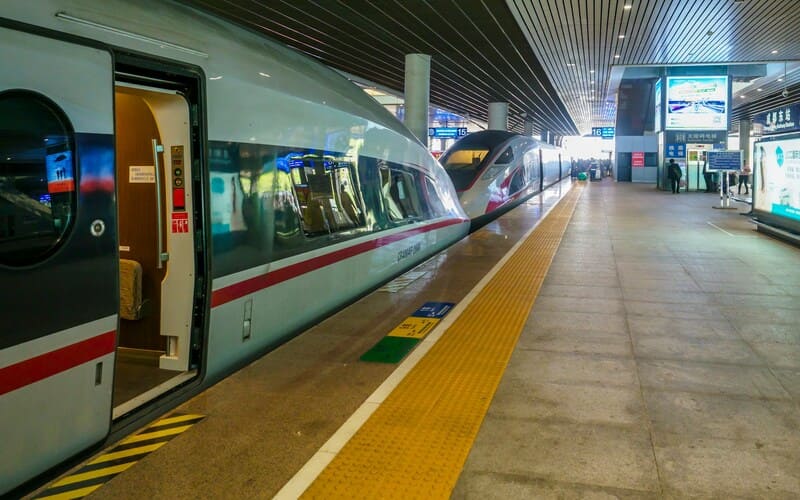
Top 10 Most Popular China Train Routes
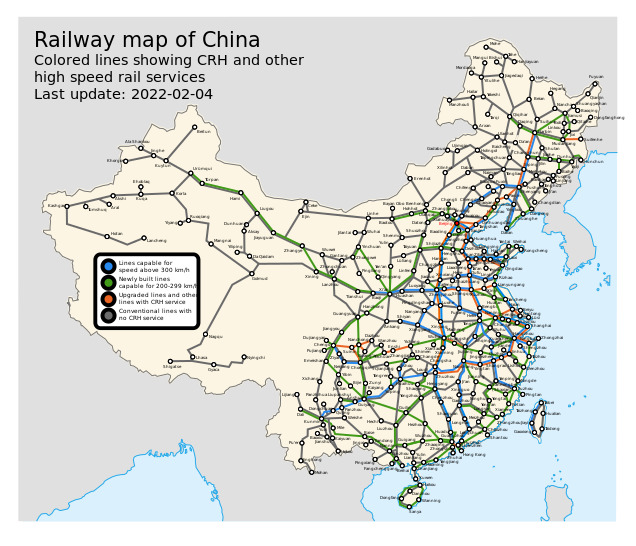
Below are some of the most popular routes and local highlights you may encounter during your travels in China.
1. Beijing to Shanghai
Beijing and Shanghai are the top destinations for many travelers visiting China, connecting the ancient capital with the modern financial metropolis. In Beijing, you can hike the magnificent Great Wall and admire the ancient architecture of the Forbidden City, while Shanghai offers breathtaking views of the Bund and the classical beauty of Yu Garden.
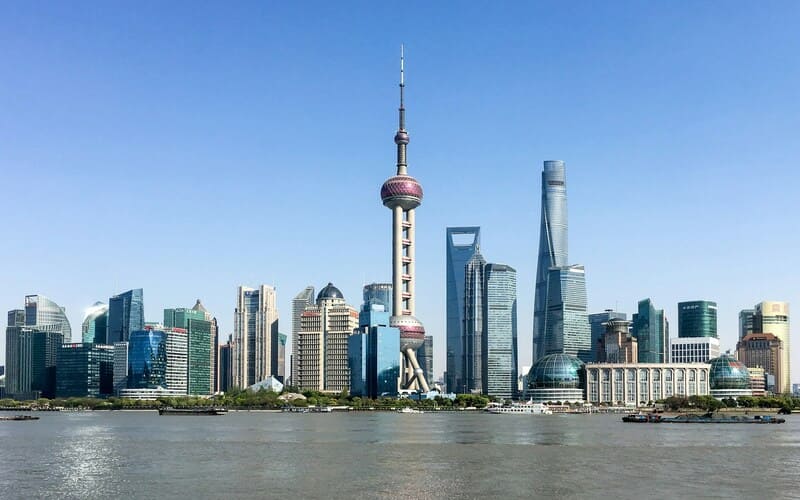
Time: 4 hours to 6 hours 45 minutes
Highlights: As you cross the Yangtze River, the landscape transforms from the arid northern plains to the lush southern wetlands. This route is highly popular due to its connection between two major cities, so be sure to book early.
2. Shanghai to Nanjing
Nanjing also holds a significant position among China’s tourist cities. As one of the ancient capitals, it boasts not only historic architecture but also the Nanjing Massacre Memorial Hall, which bears witness to its tragic history.
After enjoying Shanghai’s cosmopolitan atmosphere, you can arrive in Nanjing to pay your respects at the magnificent Sun Yat-sen Mausoleum or wander through the bustling Fuzimiao area.
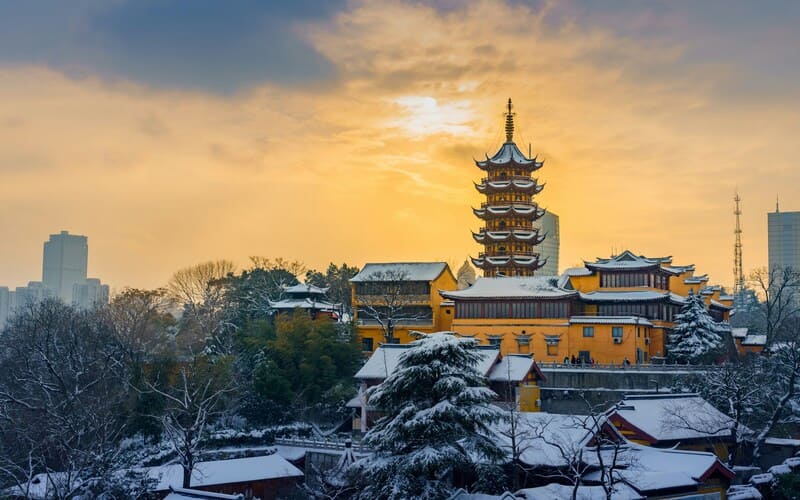
Time: 1 to 1.5 hours
Highlights: This route is extremely frequent, almost like a subway service. You can easily do a day trip to Nanjing and be back in Shanghai for dinner.
3. Lijiang to Dali
This route in Yunnan province is a favorite for backpackers, connecting two of China’s most culturally rich destinations. You can start your morning admiring the Jade Dragon Snow Mountain in Lijiang and be by the shimmering waters of Erhai Lake or cycling through Dali Ancient City by the afternoon.
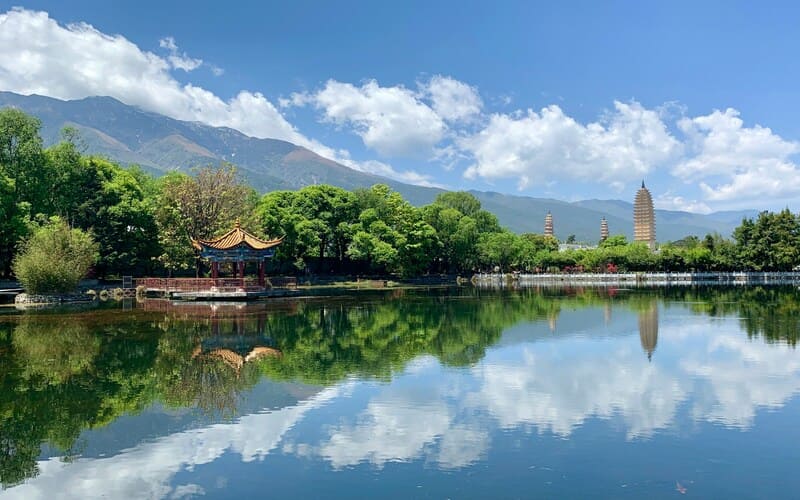
Time: 1 hour 50 minutes to 3 hours
Highlights: If time permits, we recommend taking Train Y762, where the first and second carriages feature local ethnic decorations. This route also offers scenic views of Erhai Lake.
4. Kunming to Shangri-La
This route will take you from the beautiful city of Kunming to the mystical plateau region. In Kunming, you can admire a variety of stunning flowers, feed seagulls at Dianchi Lake, or walk along Cuihu Lake. Once you arrive in Shangri-La, you’ll experience Tibetan culture, visit the breathtaking Songzanlin Monastery, and hike in Potatso National Park.

Time: 5.5 hours to 6 hours
Highlights: As the train climbs higher, you’ll pass through Lijiang and head deep into the mountains. Near Shangri-La, the scenery becomes dramatic, with snow-capped peaks and grasslands dotted with yaks.
5. Xi’an to Chengdu
This is a highly popular route in China, connecting two major tourist cities. Xi’an is home to the spectacular Terracotta Army, while its ancient city walls and Giant Wild Goose Pagoda stand as symbols of its history. You can also savor delicious halal cuisine here. Chengdu’s Giant Panda Breeding Base remains a top destination, you will see many adorable pandas. And don’t forget to try the spicy and flavorful local dishes.
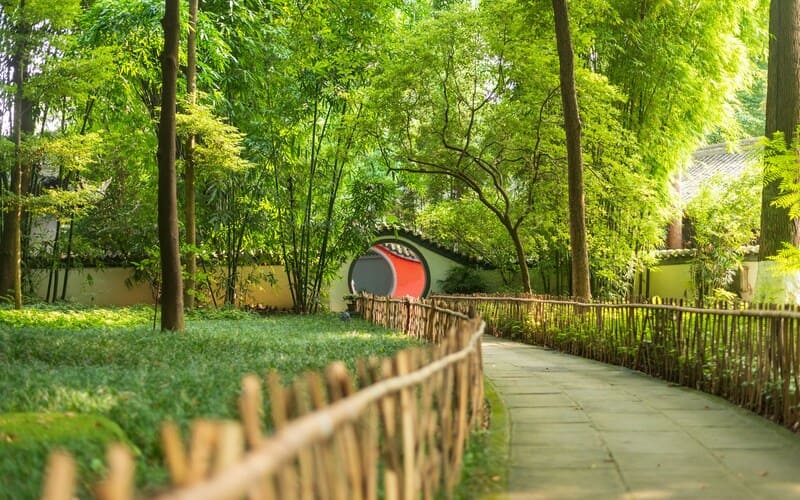
Time: 3 to 4 hours
Highlights: You spend a lot of time in tunnels, but when you pop out, the green valleys are stunning. It connects two top tourist cities previously separated by difficult terrain.
6. Chengdu to Chongqing
These two cities share similar culinary cultures and atmospheres, yet possess entirely different geographical features. Chengdu lies in a basin, allowing you to explore its major attractions without feeling fatigued. Chongqing, famously Cyberpunk city, features undulating terrain where you might find yourself on the 30th floor of a high-rise that appears to be a plaza. Experience the renowned Hongyadong, savor hotpot here, and ride the famous light rail that cuts directly through residential areas.
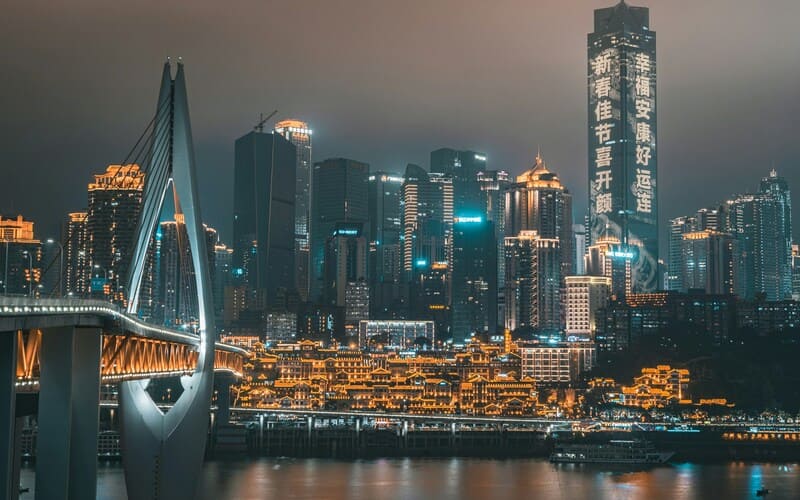
Time: 1 to 1.5 hours
Highlights: The journey is short and smooth. It allows you to effortlessly combine Chengdu’s panda adventure with Chongqing’s “cyberpunk” vertical cityscape.
7. Wuhan to Changsha
These two central hubs are connected by ultra-fast trains, making them ideal for history buffs and food enthusiasts. You can climb Wuhan’s Yellow Crane Tower to overlook the Yangtze River, then head south to Changsha to visit Junzi Island, home to the famous Young Mao Zedong statue. Or explore the Hunan Provincial Museum to see the well-preserved mummified remains of Lady Dai.
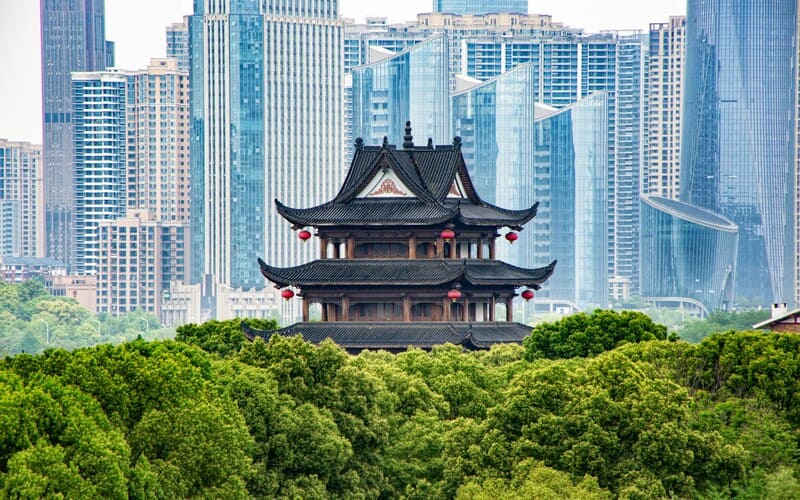
Time: 1.5 hours
Highlights: This route offers frequent departures, allowing you to take a day trip to Changsha. The journey traverses the central mountainous and lake regions, revealing hilly landscapes as you approach the city.
8. Changsha to Zhangjiajie
This route takes you from the bustling city of Changsha to one of Earth’s most surreal natural landscapes. While Changsha has the picturesque Yuelu Mountain, the real highlight is Zhangjiajie, where you can explore the Wulingyuan Scenic Area, the inspiration for the floating mountains in Avatar. Of course, there’s also the spectacular Tianmen Mountain National Forest Park, where you can attempt to climb the staircase to the summit.

Time: 2.5 to 3 hours
Highlights: This route is also one of the most common ways for foreigners to reach Zhangjiajie. After leaving the plains of Changsha, the train quickly enters the hilly and mountainous regions of western Hunan. You’ll see typical ethnic minority villages of western Hunan and the steep terrain as you approach Zhangjiajie.
9. Guangzhou to Hong Kong
The high-speed link connects mainland China directly to downtown Hong Kong. Both cities share similar Cantonese culture and cuisine, but Guangzhou offers a more laid-back atmosphere while Hong Kong thrives as a bustling international financial hub. Start with dim sum, visit the Canton Tower in Guangzhou, then take the train to Hong Kong. Cross Victoria Harbour aboard the Star Ferry or ride the tram up to Victoria Peak.

Time: 45 minutes to 1 hour
Highlights: This route offers a fast and convenient journey, allowing passengers to enjoy views of the Pearl River Delta’s modern urban skyline en route to the underground station in Hong Kong’s West Kowloon city center. Upon arrival, passengers can seamlessly connect to Hong Kong’s public transportation system, including the MTR and buses.
10. Manzhouli to Harbin
This route attracts large crowds of passengers during winter, offering spectacular snowy landscapes. In the border city of Manzhouli, you can visit the Matryoshka Square featuring giant nesting dolls, then proceed to Harbin to admire Saint Sophia Cathedral or Harbin Ice and Snow World, the world’s largest ice and snow theme park. In both cities, you’ll encounter architecture influenced by Russian culture.
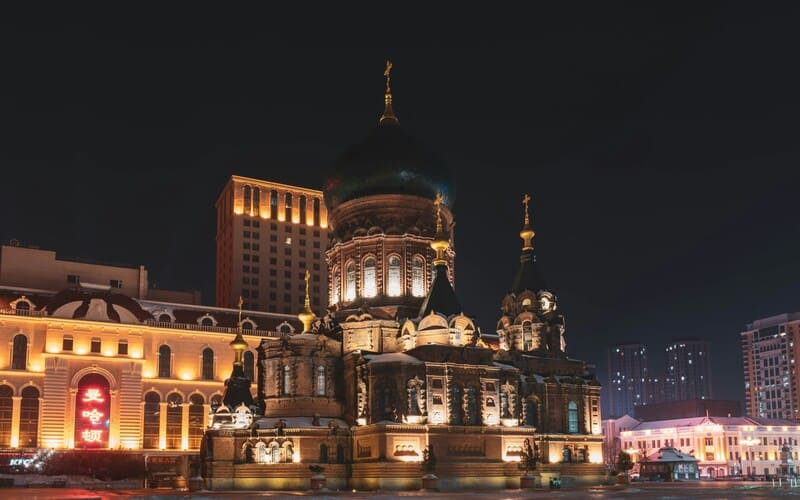
Time: 12 to 14 hours
Highlights: We recommend taking Train K7092. In winter, this region transforms into a magical wonderland of snow and ice. The train will traverse the vast Hulunbuir Grasslands before entering the Greater Khingan Range, offering scenic views of grasslands, lakes, and more along the way.
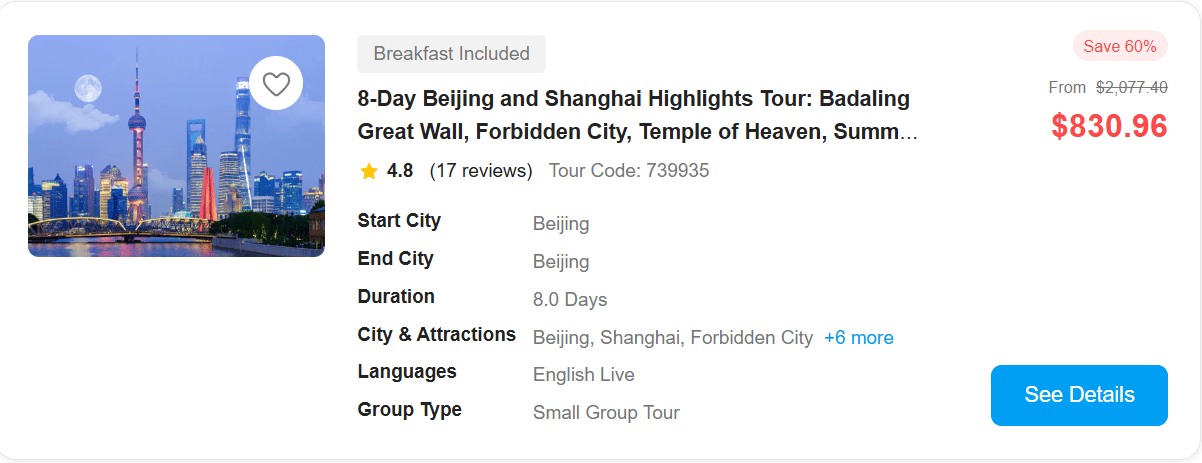
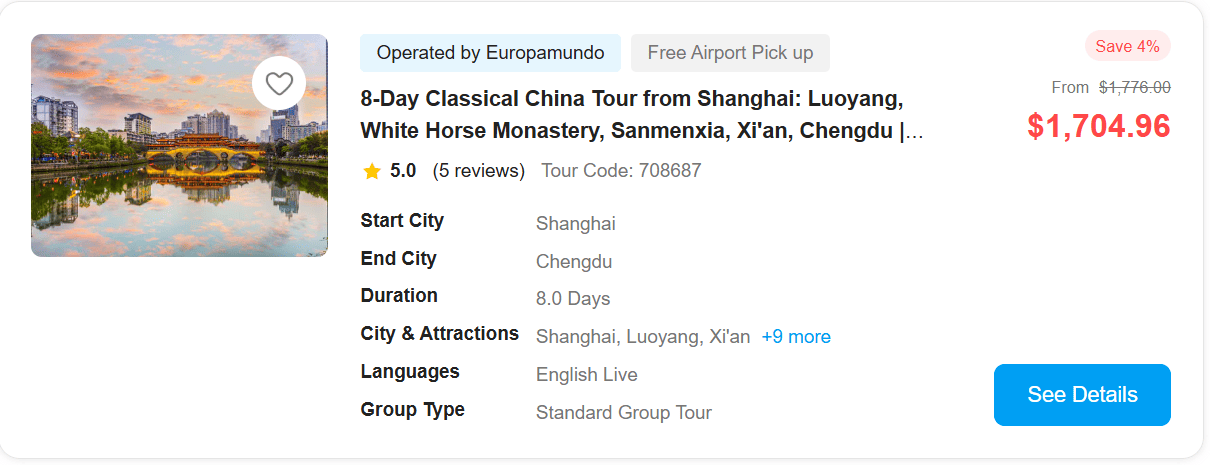
Tours4fun Product Recommendations Include Train Trips

China Train Travel Tips
For those taking their first train trip in China, these additional tips for riding the trains will make your journey go more smoothly.
Differences in Train Seat Classes
Second-class Seats: The most common and plentiful seating option, offering affordable pricing with a 2+3 seat configuration and moderate legroom.
First-class Seats: 2+2 seating arrangement, featuring wider, more comfortable seats and a quieter environment. Prices are higher than second-class seats.
Business Class: Seating designed similarly to airline business class, the most expensive option, featuring snacks, beverages, and spacious accommodations. Each car may contain 4 to 8 seats.
Luggage Allowance
Weight: Adults can carry up to 20kg (44 lbs) of luggage for free.
Size: The total dimensions should not exceed 130cm for high-speed trains, though this is rarely strictly measured unless the bag is obviously huge.
Storage: There are overhead racks for smaller bags and designated spaces at the end of each carriage for large suitcases. If you have a large suitcase, board early to grab a spot in the luggage rack.
Food & Drink
Hot Water: Every carriage has a hot water dispenser. This is why you will see many locals bringing instant noodles and tea. Bring your own travel mug!
Dining: High-speed trains have a dining car serving simple microwave meals. Attendants also push carts with snacks, drinks, and fruit. The choices are limited, so bringing your own snacks is a good idea. Some trains feature QR codes on seats. Scanning these codes allows passengers to purchase meals or even order takeout, with food delivered directly to their seats afterward.
Alcohol: You can bring a limited amount of alcohol, like a bottle of wine or a few beers, but high-proof liquor restrictions are tighter.
Facilities
Toilets: Trains have both western-style toilets and squat toilets. They are generally kept clean on high-speed trains. Toilet paper is usually provided, but it is always wise to carry a small pack of tissues just in case.
Power: Most seats on G-trains have a power outlet under the seat or in front of you to charge your phone.
Safety Rules
Smoking: Smoking is strictly prohibited on all high-speed trains. It can trigger alarms and result in fines.
Prohibited Items: Flammable materials, aerosol sprays in pressurized containers, excessive liquids, knives, and other hazardous items are not permitted on trains.
FAQ
Is it easy to travel around China by train?
Yes, it’s very easy. Station signage is almost always in both Chinese and English. The train network covers nearly all major destinations, with frequent and reliable service.
Can foreigners take trains in China?
Of course. Millions of foreigners travel to China by train every year. All you need is a valid passport to book and board.
What happens if I miss my high-speed train in China?
If you miss your train, please proceed immediately to the ticket window. In many cases, as long as seats are available, you can exchange your ticket for the next available train that day at no charge or for a small fee.





There are no comments.