

Here’s a perfect winter getaway for 2026, filled with passionate samba, glittering costumes, and days of nonstop street parties. Get ready for Brazil Carnival 2026!Brazilian Carnival is celebrated as one of the world’s largest festivals and cultural events. It marks the final week of revelry before the Catholic observance of Lent, signaling the imminent start of the solemn 40-day period of fasting. While retaining its religious roots, modern Carnival has evolved into a celebration of life, freedom, music, and national identity. Regardless of status, everyone gathers in the streets to celebrate together.
Brazil hosts spectacular carnivals in multiple cities, with Rio Carnival being the most popular, attracting numerous tourists every year. From iconic parades to unique street celebrations, you’ll need insider knowledge before embarking on your journey. To help you plan your trip more efficiently, this article provides detailed information about Carnival, including event dates, destinations, and travel tips.

Table of Contents
When Is Carnival in Brazil
Best Places to Experience Brazilian Carnival
Brazilian Carnival Clothing Ideas
Essential Tips for Brazilian Carnival
When Is Carnival in Brazil
The dates for Brazil’s Carnival are not fixed, as it is scheduled to begin 47 days before Easter Sunday. The official dates for Brazil Carnival 2026 are:
- Official Start Date (Friday): February 13, 2026
- Main Parade Dates (Sunday, Monday, Tuesday): February 15, 16, and 17, 2026
- Champions Parade (Saturday): February 21, 2026
Best Places to Experience Brazilian Carnival
Rio de Janeiro is undoubtedly the main city hosting Carnival, but several other cities in Brazil also hold their own exclusive Carnival celebrations. You can choose your destination based on your interests.
Rio de Janeiro
For first-time carnival visitors, we highly recommend heading to Rio. Among Brazil’s carnivals, the Rio Carnival stands as the world’s most renowned and captivating celebration. Particularly renowned for its scale and opulence are the Sambadrome Parades.
Sambadrome Parades
Held at the Sambadrome, a stadium built specifically for Carnival. The parade is divided into the Access Group and the Special Group.
- Access Group: Represents the secondary competition for 16 samba schools. The winner of this group will advance to the Special Group the following year, replacing the school that was relegated. The event takes place on February 13 and 14.
- Special Group: An elite league comprising 12 top samba schools will perform on February 15, 16, and 17. Their shows are truly spectacular, culminating in the Champions Parade on February 21, where dazzling floats and thousands of dancers will leave you spellbound.
For Sambadrome Parades, purchase tickets in advance as special group tickets sell out quickly. Starting at 10 PM, you may enter two hours early, and the event continues until sunrise.
Blocos
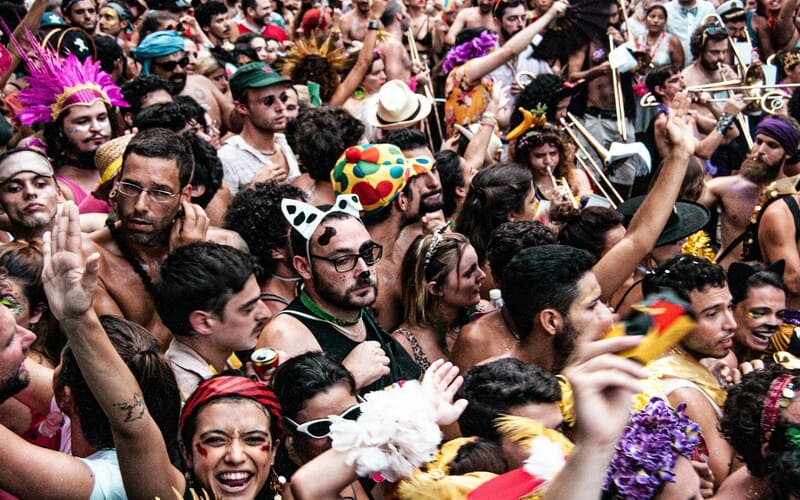
However, Rio Carnival is more than just the Sambadrome. For ordinary people, the heart of the celebrations lies in the Blocos. These are free, spontaneous street parties organized by community groups, sometimes drawing crowds of hundreds of thousands. Examples include the famous Banda de Ipanema or Cordão da Bola Preta.
For tickets to the Sambadrome and locations of the Blocos during Rio Carnival 2026, visit Riocarnaval.org.
Other Things to Do
Beyond the carnival, Rio itself has many places worth visiting.
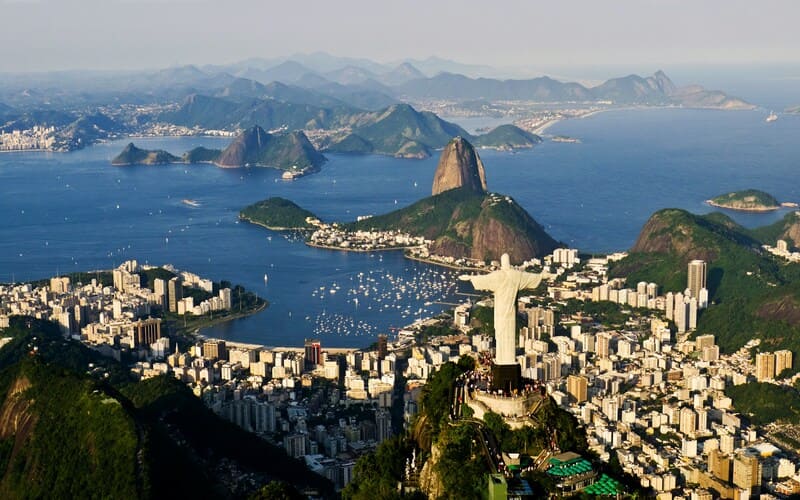
- Christ the Redeemer: Rio’s iconic landmark, this 38-meter statue of Jesus stands atop Corcovado Mountain, overlooking the entire city. Take the cable car up to enjoy breathtaking views of the city and coastline. Visit at dawn or sunset to avoid crowds and capture stunning photos.
- Copacabana & Ipanema Beaches: Rio’s two iconic beaches, lined with bars and beach volleyball courts. Catch the sunset at Ipanema. Swim, surf, and sip Brazilian coconut water here.
- Sugarloaf Mountain: This 396-meter peak on the peninsula offers breathtaking views of Guanabara Bay and the city skyline when accessed by cable car.
- Escadaria Selarón: This colorful tile staircase, created by artist Jorge Selarón, connects the Santa Teresa and Lapa neighborhoods. Each level of the staircase features a distinct design, showcasing the vibrant artistry of mosaic work.
Salvador
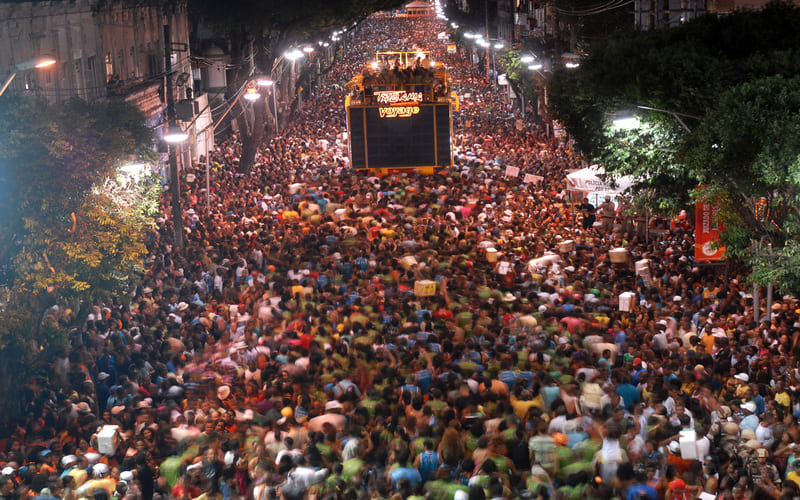
If Rio de Janeiro is a visual feast for spectators, then Salvador in Bahia is a dream for participants. Salvador’s street parties know no barriers or grandstands, where millions dance along designated routes amidst massive crowds. Salvador’s Carnival is deeply rooted in Afro-Brazilian culture, focusing more on the rhythms of the axé music, the pounding of drums, and moving with the masses than on the organized performances of the samba schools.
Trio Elétrico
This is the most iconic event of Salvador’s Carnival: the Trio Elétrico, which is a massive truck equipped with sound systems and a stage, featuring performers on board. Bahia’s Carnival is celebrated along three main routes: Barra Ondina, Campo Grande, and Batatinha.
As a participant, you have two options.
- Camarote: Elevated viewing areas along the main route offering food, drinks, live music, and a party atmosphere. Think of it as a VIP viewing platform, offering greater safety and comfort.
- Blocos de Rua: Each Bloco is a themed parade group featuring music and dancers. You can join for free or purchase a T-shirt to gain access. This allows you to dance along with the crowd near the floats and experience the authentic Salvador carnival atmosphere.
Other Things to Do
El Salvador has a unique and vibrant cultural atmosphere where you can discover music, religion, beaches, and street life seamlessly intertwined.
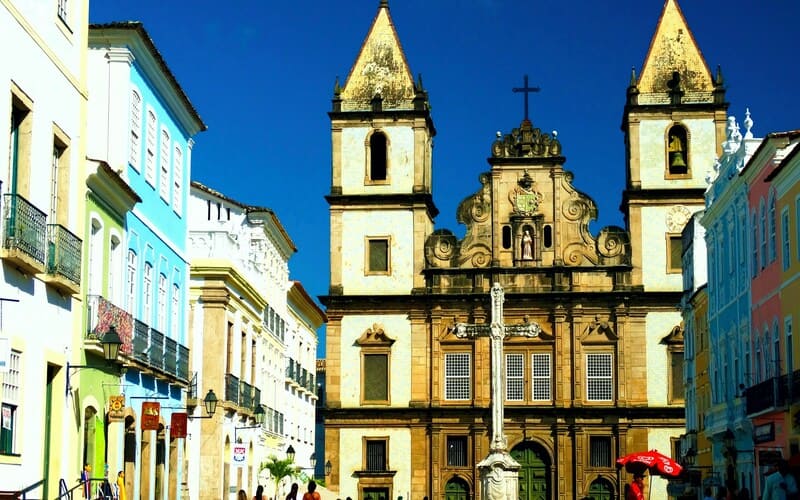
- Pelourinho: Salvador’s historic center and a UNESCO World Heritage Site. Visitors can explore the glittering São Francisco Church and various Baroque-style buildings, as well as the vibrantly colored architecture lining Largo do Pelourinho.
- Elevador Lacerda: This elevator connects Cidade Alta and Cidade Baixa, rising approximately 72 meters, and is also one of the world’s oldest urban elevator systems.
- Basílica do Senhor do Bonfim: One of Salvador’s most revered religious sites. You can tie a fitas do Bonfim at the entrance to wish for good fortune.
- Mercado Modelo: The best place to buy souvenirs, offering the most representative handicrafts and traditional clothing, along with local snacks.
São Paulo
São Paulo now hosts its own massive parade and is emerging as a major competitor to Rio. The São Paulo Carnival runs from February 13 to February 18. Like Rio, the city’s Sambadrome is a professional, well-organized event.
Anhembi Sambadrome
This is the official venue for the Sambadrome Parades in São Paulo, the second-largest performance space after Rio de Janeiro. 14 samba schools and two groups participate in the carnival, with the most significant days being the parades on February 13th and 14th. Visitors can enjoy the spectacular parades of top samba schools such as Vai-Vai, Gaviões da Fiel, and Mocidade Alegre.
Tickets for the Sambadrome Parades in São Paulo are cheaper than those in Rio, so be sure to book in advance.
Blocos
Beyond the parades, São Paulo also hosts massive Blocos, with Bantanta and Banda do Trem being the most popular. Their musical styles are even more diverse, encompassing Samba, Axé, Funk, Pop, and electronic dance music. São Paulo’s Blocos are primarily concentrated in areas such as Avenida Faria Lima, Centro, Vila Madalena, Pinheiros, and Ibirapuera Park.
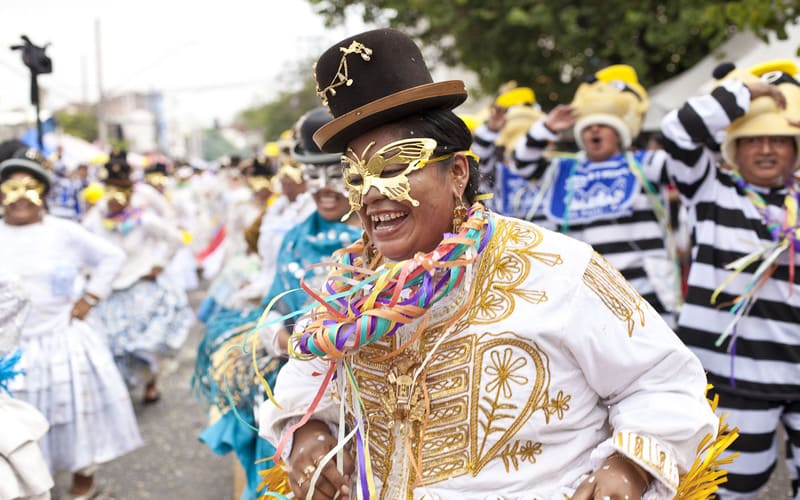
Other Things to Do
São Paulo is Brazil’s largest city, and with its skyscrapers, art museums, and diverse cuisine, you’ll always find something to do.
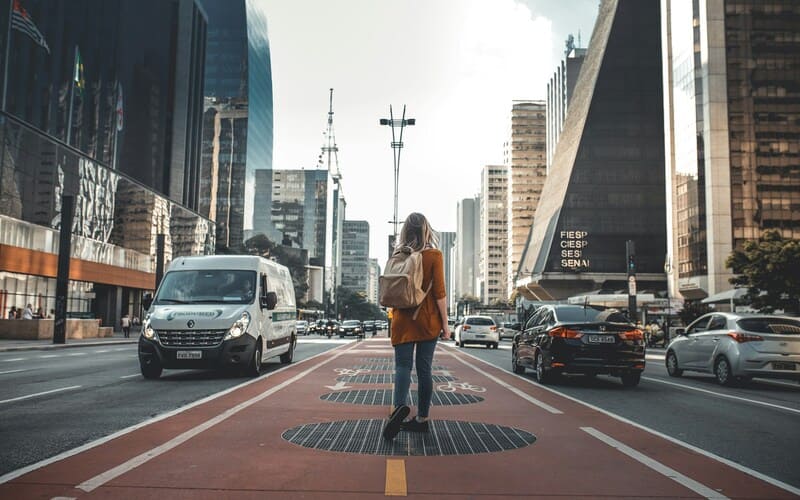
- Paulista Avenue: São Paulo’s bustling thoroughfare lined with modern buildings, shopping malls, cafés, and art galleries. Every Sunday, the avenue closes to traffic for pedestrians to stroll and enjoy street performances.
- Ibirapuera Park: A sprawling urban park featuring museums, a planetarium, and sports fields. It’s a popular spot for locals to relax, jog, and host music festivals, making it perfect for a peaceful afternoon.
- Museum of Art of São Paulo Assis Chateaubriand: This museum features a cantilevered structure and houses an important art collection, including works by renowned artists such as Van Gogh, Picasso, and Botticelli.
- São Paulo Municipal Market: This renowned food hall is housed in a historic building and now sells a wide variety of fruits, vegetables, and dairy products.
Recife
The Recife Carnival, which will be held from February 13 to February 21, offers a unique cultural experience. Unlike Rio de Janeiro’s samba or Salvador’s axé, the celebrations here center around Galo da Madrugada and Frevo.
Galo da Madrugada
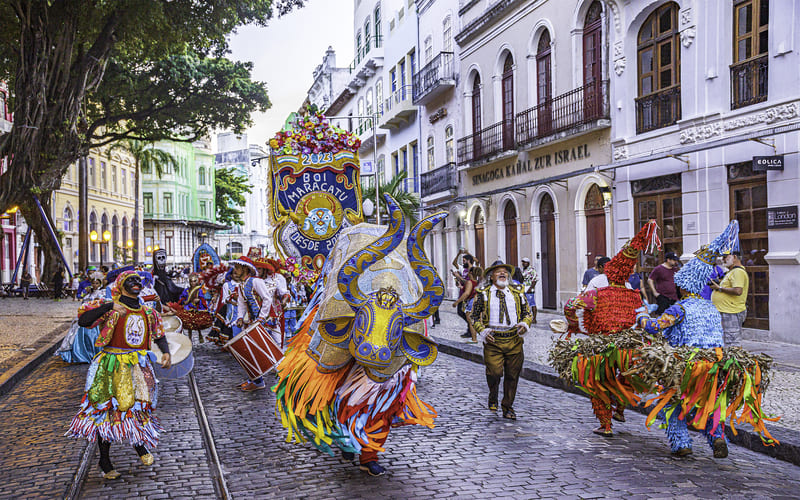
This is one of the world’s largest street carnival parades, marking the start of Recife Carnival and attracting over 2 million tourists and locals annually. The parade begins at dawn, winding through the main thoroughfares of downtown Recife. Bands perform frevo, a fast-paced, energetic musical style. Participants can join the parade by wearing themed costumes.
Blocos
Recife also hosts hundreds of Bloco street parade groups, dancing to music and celebrating Carnival. You can buy T-shirts or simply join the free street festivities.
If you have enough time, we welcome you to visit Olinda in the neighboring state of Recife for the Night of the Silent Drums. This event features powerful drumming in styles like samba and reggae. And Olinda hosts the Bonecos de Olinda, where giant papier-mâché puppets parade throughout the city.
Other Things to Do
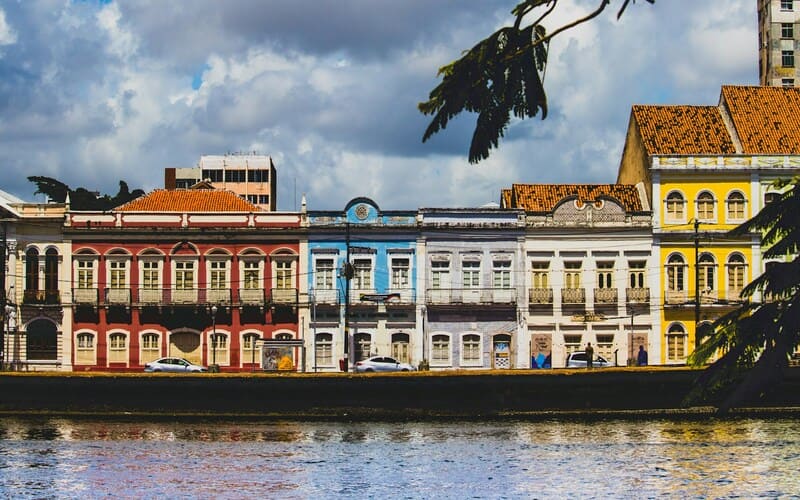
Recife, located in northeastern Brazil, has a lively street life and multicultural atmosphere. With its many rivers, canals, and bridges, it offers a variety of distinct experiences.
- Recife Antigo: Located in the heart of Recife, this area preserves colonial-era architecture and cobblestone streets. Here you’ll find numerous museums and charming boutiques to explore. Remember to visit Praça do Marco Zero.
- Boa Viagem Beach: One of the most popular beaches locally, featuring white sands and crystal-clear waters.
- Instituto Ricardo Brennand: This is a private museum housing collections of European medieval art, armor, and artifacts from Brazil’s colonial period.
Brazilian Carnival Clothing Ideas
First, let’s talk about the weather. February in Brazil is hot and humid. Your Brazilian carnival clothing needs to be lightweight, breathable, and comfortable enough to dance in. Skip heavy, restrictive fabrics. Consider cotton, linen, or athletic wear. As for shoes, wear comfortable sneakers that you don’t mind getting dirty.
Of course, you won’t want to dress plainly at Carnival, so let’s make a statement with the details. Apply glitter to your face and body, pairing it with simple yet elegant headpieces like flowers, feathers, or plastic fruit. Or coordinate outfits with your friends around themes like superheroes or cartoon characters.
When it comes to key accessories, Brazilian carnival masks add a fun and traditional touch to street style. Look for Venetian-style eye masks, often adorned with feathers, jewels, or bright colors. This will complete your look perfectly.
Essential Tips for Brazilian Carnival
Attending a major international festival like Carnival requires thorough preparation. Here are some essential tips to help you:
How to Stay Safe
The sheer number of people during Carnival actually makes the main Bloco routes feel generally safe overall, thanks to the heavy police presence. However, pickpocketing is rampant, so you need to:
- Leave valuables at home: Avoid wearing real jewelry or expensive watches.
- Carry only essentials: Bring a photocopy of your ID, a small amount of cash, and one credit card. Lock your passport in the hotel safe.
- Protect your phone: Never place your phone in your back pocket. Purchase a phone lanyard or a secure crossbody bag, and keep your phone tucked under your clothing.
- Avoid traveling alone: Especially at night. Stay with your group and ensure everyone returns safely to the hotel.
What to Bring
- Lightweight clothing: Brazil’s summers are hot and humid, so T-shirts, tank tops, and shorts are essential.
- Comfortable footwear: Sneakers or slip-resistant sandals are a must for street dancing or long walks.
- Sun protection: Sunscreen, hats, and sunglasses, as the February sun in the Southern Hemisphere is intense.
- Rain gear or lightweight waterproofs: Tropical rains occur occasionally, especially in northeastern cities like Salvador and Recife.
- Fanny pack: A small, secure crossbody bag or waterproof waist pouch worn under your shirt is the best way to carry essentials.
- Water bottle: Stay hydrated, as street celebrations can easily lead to dehydration.
- Cash: Small bills are more convenient for street food or souvenirs, which often require cash.
- Hand sanitizer: Stay clean while eating street food or navigating parades.
How to Get Around During Carnival
Transportation during Brazil’s Carnival is disastrous, with many streets completely closed off, making it often difficult to get around by car or bus.
Subway: If your destination is near a subway station, the subway is your best option. In Rio de Janeiro, the subway system is clean and safe, often operating 24 hours a day during Carnival. Purchase passes in advance to avoid long lines.
Walk: The best way to get around between neighborhoods is on foot. So put on some comfortable sneakers.
FAQ
What does the Brazil Carnival celebrate?
Brazilian Carnival primarily celebrates the period of indulgence and feasting preceding the 40 days of Lent, a period of fasting observed by the Catholic Church. Historically, it represented the last opportunity to consume perishable foods before the onset of the religious season. Today, it has evolved into a massive cultural celebration of music, dance, and national identity, blending strong influences from African and indigenous Brazilian cultures.
How far in advance should I book for Rio Carnival?
If you plan to attend the 2026 Rio Carnival, you should book your flights, accommodations, and parade tickets at least 6 to 12 months in advance.
Is Rio safe during Carnival?
Rio de Janeiro is safe during Carnival, but vigilance and common sense are essential. Large crowds create opportunities for pickpockets, so avoid carrying expensive items. Stay in well-lit, populated areas, and always arrange transportation or walk with friends. Refuse drinks and food from strangers.






There are no comments.