
Do you want to begin a journey through majestic natural landscapes with towering red rock formations, gemstone lakes, and serene woods? Tours of western national parks can fulfill your desire for these scenes. These national parks on the west coast of the United States attract adventurers, families, and solo travelers.
Picking a suitable Western US national parks itinerary can make your adventure more memorable. Whether you have a few days or almost two weeks, there is always an itinerary for you. We’ll take you on a tour of some of the most popular parks and offer trip ideas for different durations. Helping you decide on the adventure that best suits your travel style and schedule.
Table of content
Western US National Parks Itinerary
- 2–3 Day National Park Getaways
- 4–7 Day Classic Western National Parks Tours
- 8–11 Full West National Parks Explorations
Where To Stay During a Tours of Western National Parks
What To Pack For a Western National Park Trip
Most Popular Western National Parks
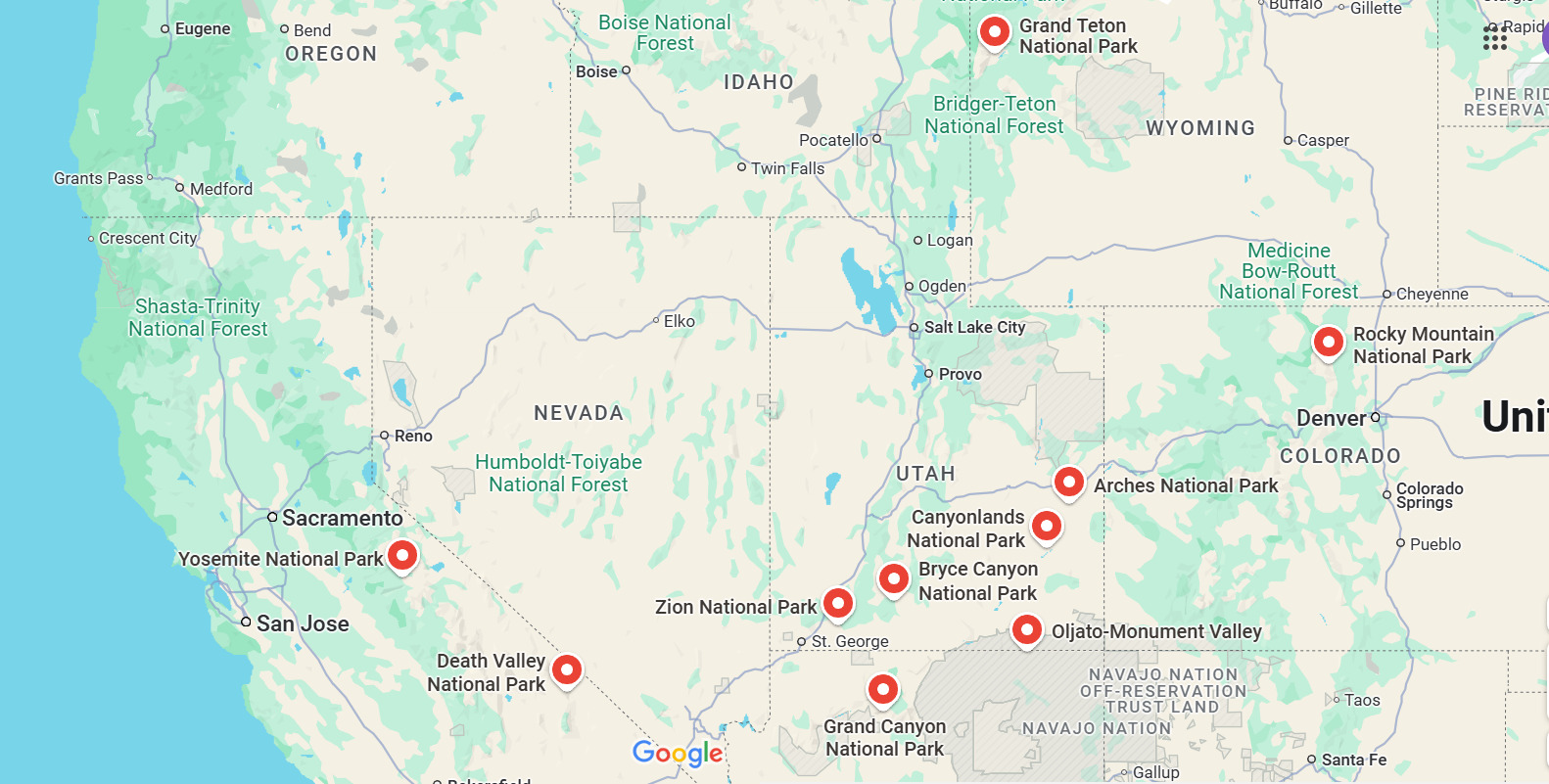
When we talk about national parks in western US, some parks have popped into your mind. These popular locations offer diverse ecosystems, unique natural beauty, and different experiences to explore. They attract millions of visitors every year:
- Zion National Park (Utah): Prepare to be blown away by Zion’s massive sandstone cliffs, narrow canyons, and the Virgin River that winds through its center. It’s a hiker’s paradise, with everything from river walks to challenging climbs like Angel’s Landing.
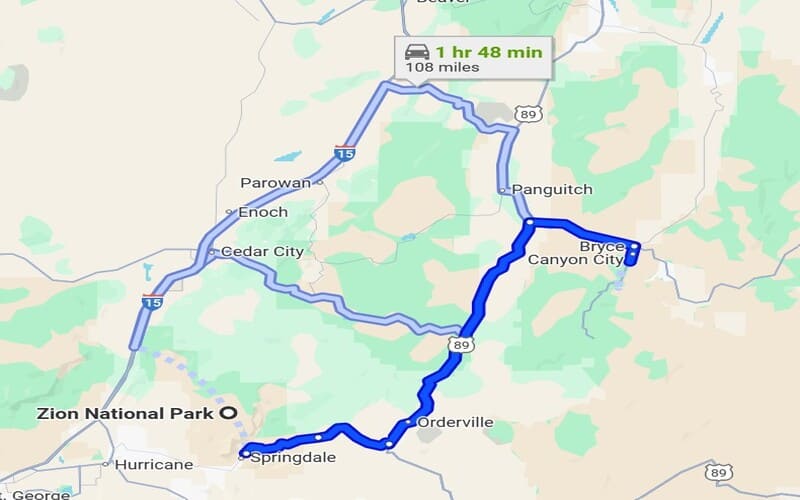
- Bryce Canyon National Park (Utah): An almost two-hour drive from Zion, Bryce Canyon presents a completely different landscape. It’s Sunset Point with its spire-like rock formations that presents a unique view, especially at sunrise or sunset.
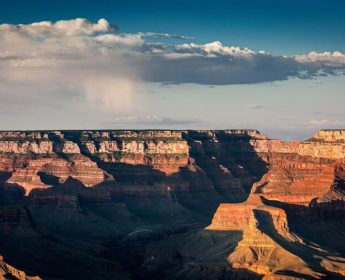
- Grand Canyon National Park (Arizona): Has massive rock formations, with Mather Point giving the best rock viewpoints.
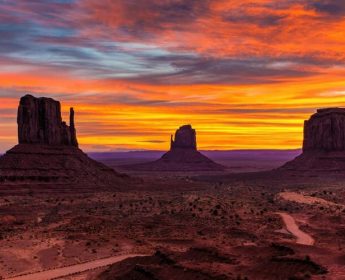
- Monument Valley (AZ/UT): Though not a national park, Monument Valley is a must-see for anyone exploring the American West. Its iconic sandstone hills and tablelands are common in countless movies and embody the spirit of the Old West.
- Yellowstone National Park (Wyoming/Montana/Idaho): Yellowstone, the world’s first national park, is a geothermal wonderland. Think Old Faithful, hot springs, and bubbling mud pots, all surrounded by vast forests. You’ll also have the chance to see wildlife like bison, elk, and even wolves.
- Grand Teton National Park (Wyoming): Grand Teton is so close to Yellowstone that you can see jagged, snow-capped peaks rising from the valley floor. It is a haven for hikers, photographers, and wildlife enthusiasts.
- Rocky Mountain National Park (Colorado): With towering peaks, alpine tundra, and abundant wildlife, Rocky Mountain National Park offers a classic alpine experience. Among them is Trail Ridge Road, the highest continuous paved road in North America, with views of the rolling hills.
- Wrangell St. Elias National Park (Alaska): This is the largest national park in the U.S., with huge glaciers, towering mountains, and a rich mining history.
These are just a few highlights of the western national parks, each one offers a unique view. Pick what interests you, and start planning your travel itinerary.
Western US National Parks Itinerary
The period from 2 days to 11 days may leave you feeling overwhelmed. The key is to match your travel time to the depth you want to explore. Do you prefer to explore one park or go deeper into several? Let’s take a look at some popular trip lengths and what they offer.
2–3 Day National Park Getaways
Even if all you have is a long weekend, there is still plenty of time to experience the national parks. These shorter trips to western national parks allow you to focus on seeing the park’s top attractions.
2-Day Zion + Bryce National Park Tour 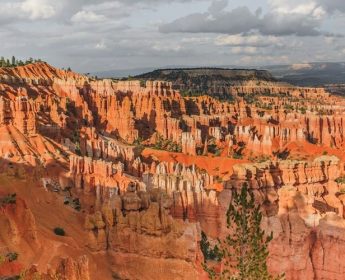
Day 1: Start your 2-day trip in Bryce National Park, which is traversed by a road. You can start by going to Rainbow Point at the end, where you can see the red and pink cliffs. Follow the same road back to Natural Bridge, which has a natural arch of rocks and is a must-photograph spot. Afterward, Bryce Canyon National Park’s Sunset Point is a must-see. There are two trails to choose from here, with views of the park’s massive rocky cliffs along the way.
Day 2: Travel from Bryce to Zion National Park, which is about a hour and 30 minutes drive. Zion’s natural scenery is characterized by huge red sandstone canyons and challenging outdoor activities. Make it a priority to try the famous wading trail, The Narrows, which ends at Big Spring, and finish the day with a panoramic view of the canyon from an observation point.
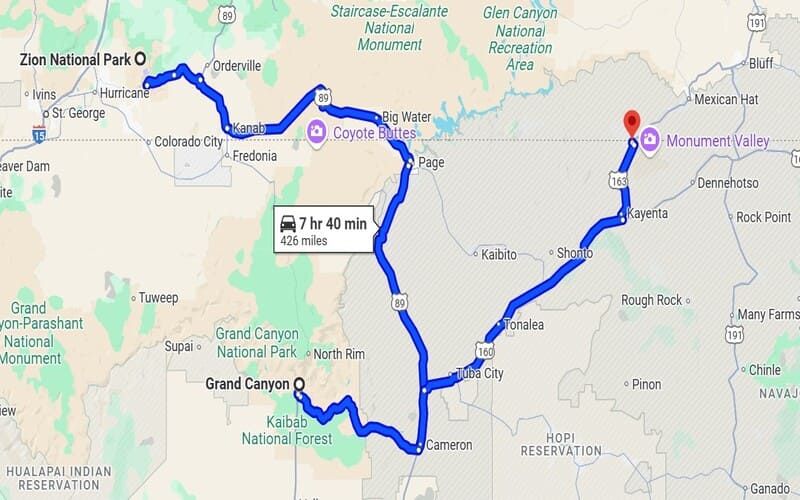
3-Day Zion, Grand Canyon, and Monument Valley
Day 1: Make your way to Zion National Park and check out its famous attractions such as the Great White Throne and Weeping Rock. Of course, you can also take on the exciting trails, Angel’s Landing or The Narrows.
Day 2: Arrive in Monument Valley via Lake Powell. Spend some time at the visitor center’s observation deck and enjoy the view from a distance. Take time to walk on the Wildcat Trail. The nearby highway is home to Forrest Gump’s set, Forrest Gump Point, which is perfect for photo ops.
Day 3: Come to Grand Canyon National Park, where we can see more at the South Rim. Mather Point is the best viewpoint to see the diverse canyons here along Hermit Road.
These shorter trips are perfect for catching a glimpse of the scenery of the West. They are often designed to maximize your time in the park, focusing on key viewpoints and accessible trails.
4–7 Day Classic Western National Parks Tours
For many people, a 4 to 7-day trip can be the perfect balance. This time allows you to either combine multiple destinations or spend more quality time in one or two major parks.
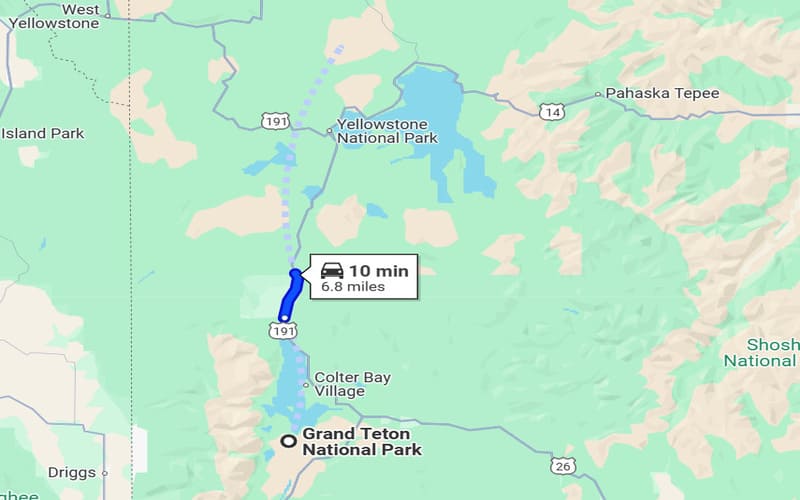
4-5 Day Yellowstone & Tetons In-Depth Tours 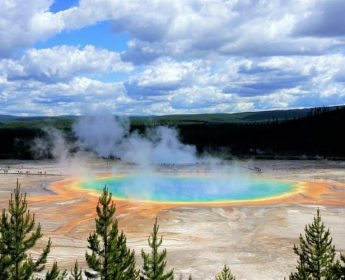
Days 1 & 2: The pristine lakes and peaks of Grand Teton Park, Inspiration Point, and Jenny Lake are great places to get a taste of nature. There are also plenty of outdoor activities to try, such as hiking, boating, and rock climbing.
Days 3 & 4 or 5:
Yellowstone is right next to Grand Teton Park, and you can spend 2-3 days here exploring the area in depth. This will give you enough time to visit famous attractions like Grand Prismatic Pool, Yellowstone Canyon, Mammoth Hot Springs, and many more. You will also be able to take a closer look at the volcanic features of the place. Finally, the Yellowstone Grizzly Bear and Wolf Discovery Center offers an up-close and personal look at wildlife.
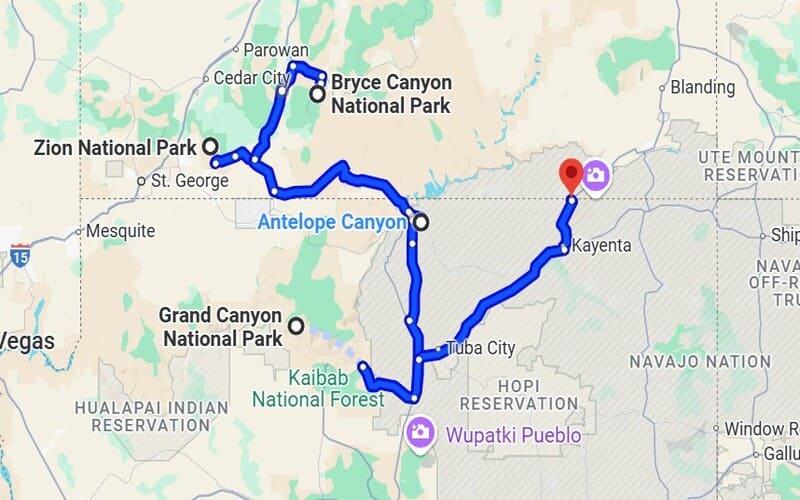
7 Days Zion, Bryce, Antelope, Grand Canyon, and Monument Valley
Day 1 & 2: Spend two days exploring the park’s stunning sandstone cliffs and scenic vistas. Enjoy iconic hikes such as Angels Landing and The Narrows. You’ll have plenty of opportunities for photography, hiking, and wildlife viewing.
Days 3 & 4:Next, head to Bryce Canyon National Park to discover its unique rock forests and spectacular rock formations. Hike the Navajo Loop and Queen’s Garden to see the park’s famous spires and pillars up close.
Day 5: Visit Antelope Canyon to see the beautiful Slot Canyon with its swirling patterns and beams of light. In the afternoon, visit Horseshoe Bend, an iconic location for photographing the Colorado River Bend.
Day 6: Travel to Monument Valley, where your optional valley drive will provide a deeper understanding of the landscape and Navajo culture.
Day 7: On your final day, visit the majestic Grand Canyon and explore its South Rim viewpoints such as Mather Point and Yavapai Observation Point. Hiking options include the South Kaibab Trail for an unforgettable trek through the canyon.
4-7 days allows for a holistic style of exploration with plenty of time to try different outdoor activities in the park. Examples include wildlife viewing, stargazing, and exploring different trails.
8–11 Full West National Parks Explorations
For those who want to embark on a full-blown adventure and have plenty of time, an 8-11 day itinerary allows for travel to more distant national parks or a combination of several.
11-Day Zion, Bryce, Arches, Canyonlands, Grand Canyon, Death Valley, Yosemite, and Monument Valley
Day 1: Come to Zion National Park and observe its spectacular canyons and red cliffs. Explore the Great White Throne, Emerald Pool, Scout Lookout, and The Narrows.
Day 2: Drive a short distance to Bryce National Park, Bryce’s famous hoodoos (tall, thin spires of rock) are a stunning sight. Visit Sunrise Point and Sunset Point for the best views.
Days 3 & 4: Arrive at Arches National Park, home to more than 2,000 arches, and hike to Delicate Arch. The next day, head to Canyonlands National Park for some of the most spectacular scenery in the Southwest.
Day 5: Heading south, we come to Monument Valley, which has been featured in several movies and is home to the Navajo Indian Tribe.
Day 6: Come to Antelope Canyon and Grand Canyon Park for a morning visit to Slot Canyon and Horseshoe Bend, followed by a walk in the deepest canyon in the world.
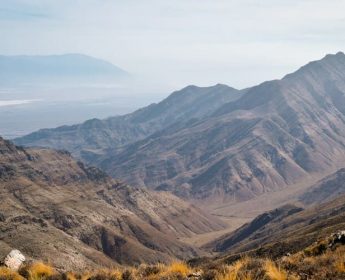
Days 7 & 8: You can stop in Las Vegas for a day of rest on the way west before kicking off the tour in Death Valley. Zabriskie Point, Artist’s Palette, and Badwater Basin are some of the famous attractions here that cannot be missed.
Day 9-11: Pass through Olmsted Point, Lake Tenaya, Tuolumne Meadows, and other attractions on the way to Yosemite National Park. Then get ready to explore the park’s Bridalveil Falls, Lower Yosemite Falls, views of Half Dome, and El Capitan. Three days is plenty of time for hiking, biking, and picnicking in Yosemite.
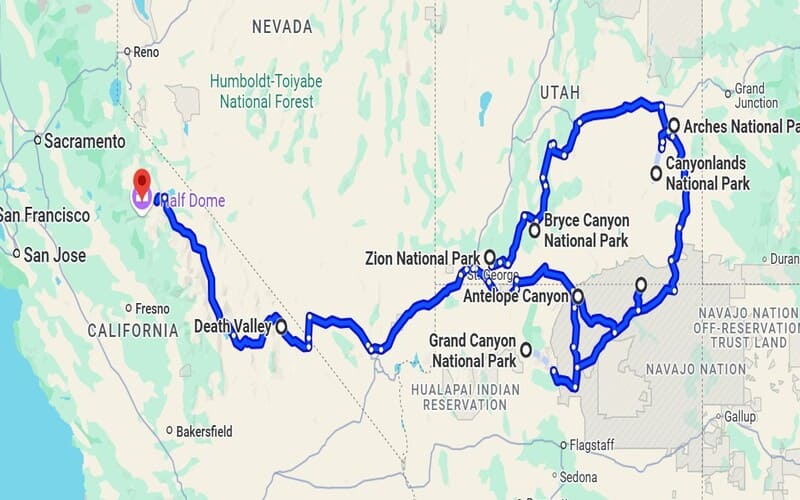
Such extended national park trips may include more remote parks that offer a richer variety of outdoor activities, as well as plenty of time to simply relax and explore the surroundings.
Where To Stay During a Tours of Western National Parks
Depending on the type of trip, such as lodging tours or camping tours, choose the right place to stay.
| National Park | Lodging | Camping |
| Zion National Park | The towns of Springdale and Rockville | Watchman Campground, South Campground |
| Bryce Canyon National Park | Bryce Canyon City | North Campground (open year-round), Sunset Campground (closed in winter) |
| Monument Valley | Several accommodations along Highway 163, or to Page | The Goulding’s Campground (closer to the entrance) |
| Grand Canyon National Park | Lodging options near the South Rim | Mather Campground, Canyon Campground |
| Yellowstone National Park | West Yellowstone with convenient dining | Madison Campground, Canyon Campground |
| Grand Teton National Park | Jackson Town | Jenny Lake Campground, Colter Bay Campground (with excellent facilities) |
| Arches National Park | Moab | Devils Garden Campground |
| Canyonlands National Park | Moab | Grand View Point Campground |
| Death Valley National Park | Amargosa Valley and Furnace Creek areas | Furnace Creek Campground, Texas Springs Campground, Stovepipe Wells Campground |
| Yosemite National Park | Yosemite Valley, El Portal | North Pines Campground, Upper Pines Campground |
Notes:
- Zion National Park and Bryce Canyon: Reservations are recommended for campgrounds, especially during peak seasons (spring and fall).
- Monument Valley: Camping is basic, but Goulding’s Campground near the entrance is highly recommended for its proximity to the viewpoint.
- The Yellowstone and Grand Teton: These parks are close to each other. Madison Campground and Canyon Campground are popular camping choices.
- The Arches and Canyonlands: Moab offers a variety of accommodations for both parks. Devils Garden Campground and Grand View Point Campground are popular camping options.
- Yosemite: Accommodations in Yosemite Valley are highly sought after, so reservations are essential.
What To Pack For a Western National Park Trip
Before you get ready to head to any national park, you need to have these 10 essentials on hand. This is the classic list of items that the National Park Service and outdoor experts recommend for any wilderness trip, even a short day hike.
- Navigation: This includes paper maps of the parks, as cell phone reception will be non-existent in many parks. Compasses and GPS devices will also play an important role.
- Sun protection: Sunscreen, SPF lip balm, sunglasses, and hats will protect you from the western sun.
- Insulation: moisture-wicking undershirts, lightweight jackets, and waterproof raincoats for outer layers.
- Lighting: Flashlights and headlamps are essential in the early morning and after dusk.
- First aid supplies: including bandages, antiseptic wipes, blister treatments, painkillers, and any personal medication.
- Lighter: matches or lighters, which can be useful for cooking while camping. Or to deal with some emergencies.
- Maintenance set: multi-function utility knife, tape, and small rope. All can cope with all kinds of emergencies that occur.
- Nutrition: Bring some extra food, such as energy bars and snacks, to keep yourself energized.
- Hydration: water bottles and water storage bags. It is important to stay hydrated for a day of outdoor travel.
- Emergency Shelter: Lightweight tarp, Bivy bag, or emergency blanket. Even on day hikes, unforeseen circumstances can lead to unplanned overnight stays.
If you’re on a camping trip, we also recommend bringing these things: a 3-season sleeping bag, a backpack, a towel, flip-flops, portable power, hiking shoes, hiking poles, hand sanitizer, mosquito repellent, cash, and any camping supplies you need.
FAQ
How many national parks are there on the West Coast?
On the West Coast (California, Oregon, Washington), there are 13 national parks. If Alaska and Hawaii are included, there are 23 national parks in total.
What national parks are in the West road trip?
Western road trips can pass through the Grand Canyon, Zion, Bryce Canyon, Arches, Canyonlands, Yellowstone, Grand Teton, Rocky Mountain National Park, Glacier National Park, as well as Yosemite and Death Valley.
How many days should you spend at a national park?
Depending on the size of that park, like Bryce Canyon and Arches, you can stay for two days. Zion and Grand Teton, on the other hand, can take up to three days. Vast parks like Yellowstone and Yosemite take 3-5 days to explore.





There are no comments.