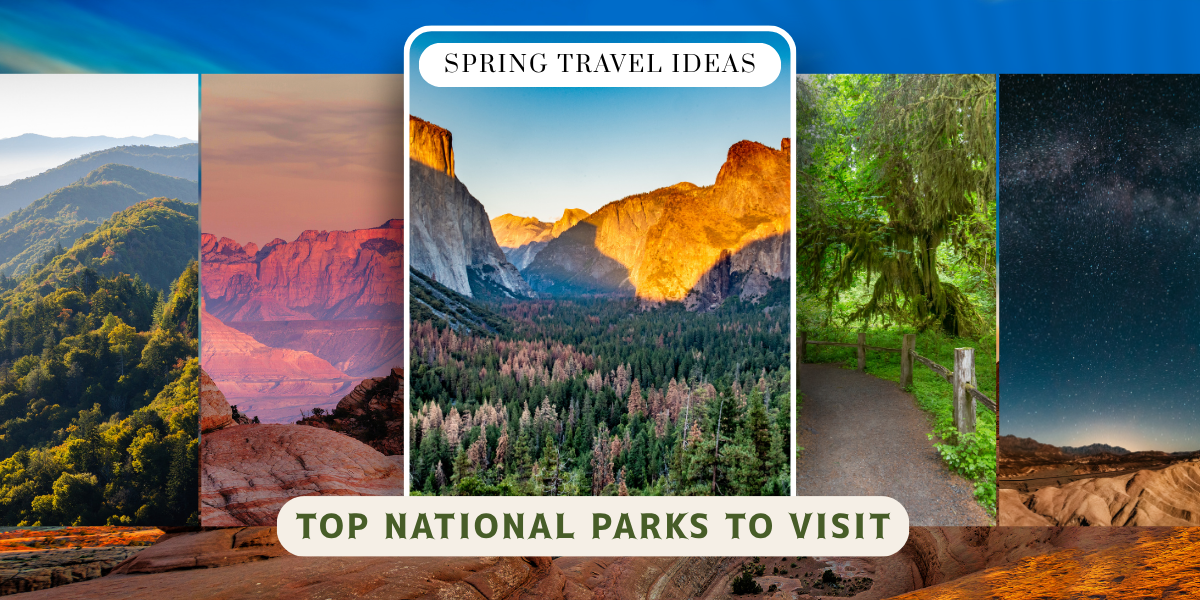

Spring is truly the golden season for exploring national parks. Forget the sweltering heat and crowds of midsummer; from March to May, you can look forward to pleasant weather, cascading waterfalls, vibrant wildflowers, and, crucially, a little more elbow room on the trails.
Yet spring is not uniform across the board. A March trek to the mountain peaks offers a stark contrast to a desert hike during the same month. We’ve crafted this spring national park guide, breaking down the best parks by month – from Washington State’s lush coastal rainforests to Utah’s breathtaking red rock canyons. Prepare to kick off your next adventure!
20 Best National Parks to Visit in Spring
Here’s a list of twenty parks that genuinely shine when the calendar flips to March, providing ideal conditions for hiking, photography, and wildlife spotting before the summer rush arrives.
Zion National Park, Utah
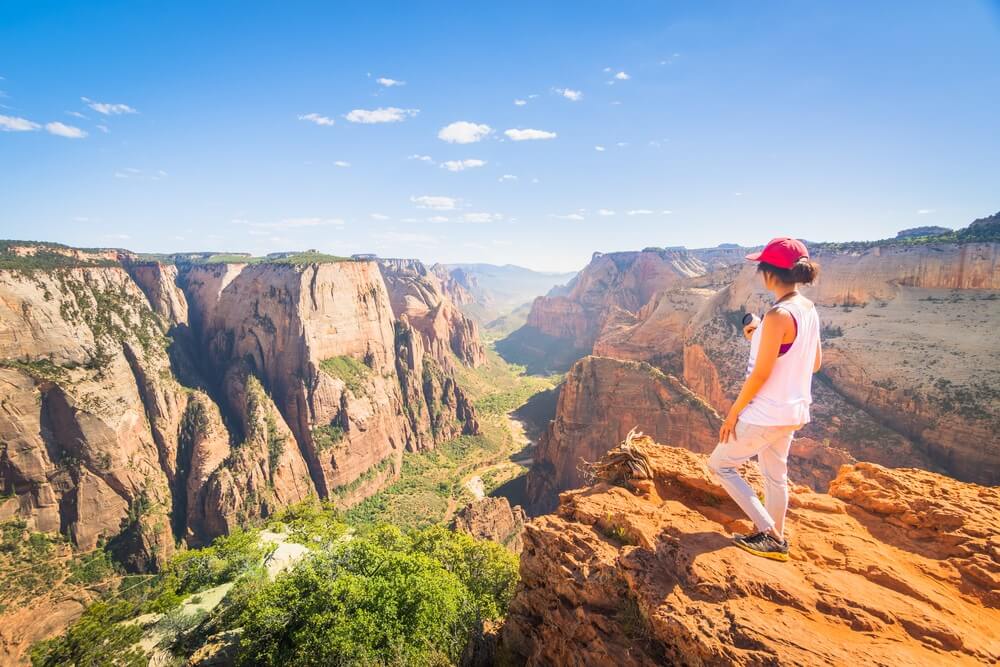
As the gateway to Utah’s iconic “Mighty 5,” Zion National Park truly comes into its own during the spring. The intense summer heat that makes valley hikes unbearable hasn’t yet settled in, allowing you to comfortably tackle iconic trails beneath the towering Navajo sandstone cliffs. Early spring visitors enjoy moderate temperatures, while late April and May bring lush greenery and perfect wading conditions in the river for sections of The Narrows.
Visiting Zion in the spring means you benefit from manageable crowd sizes before the peak season shuttle system overload hits. The unique combination of hanging gardens dripping with water, soaring cliff faces painted red and white, and the Virgin River’s vibrant path through the canyon makes this one of the most compelling national parks to visit in spring.
Things to do:
- Hike the iconic Angels Landing (with a permit) or the strenuous Observation Point trail for stunning canyon views.
- Wade through the cooling waters of The Narrows (be sure to check flash flood potential and water temperatures).
- Cycle the scenic Zion Canyon Scenic Drive before the mandatory shuttle season ramps up.
- Photograph the Emerald Pools Trail, where the waterfalls are often at their peak flow.
Where to stay: The historic Zion Lodge, nestled directly within the main canyon, offers unparalleled convenience and immersion. For budget-conscious travelers, Springdale, located right outside the south entrance, is packed with quality hotels and accessible dining options.
Yosemite National Park, California
Yosemite Valley is transformed in the spring, often cited as the best national park to visit for peak waterfall viewing. While crowds start to pick up in May, the sheer volume of water cascading over landmarks like Yosemite Falls, Bridalveil Fall, and the seasonal Ribbon Fall is spectacular and unmatched.
The valley floor is lush, green, and wonderfully temperate for cycling and valley walks. Keep in mind that high-elevation roads, like Tioga Pass and Glacier Point Road, typically only open in May or June, but the energy of the park in spring makes it a must-see.
Things to do:
- Hike the Mist Trail to witness the full power of Vernal Fall and Nevada Fall.
- Cycle the flat valley loop trail past meadows and rivers.
- Visit the famous Tunnel View at sunrise for the iconic valley perspective.
- Look for bears and other wildlife that are active after their winter slumber.
Where to stay: The historic Ahwahnee Hotel (formerly Majestic Yosemite Hotel) is the most luxurious option. For convenience, stay at Yosemite Valley Lodge or check out the lodging options in the nearby community of El Portal.

Great Smoky Mountains National Park, Tennessee/North Carolina
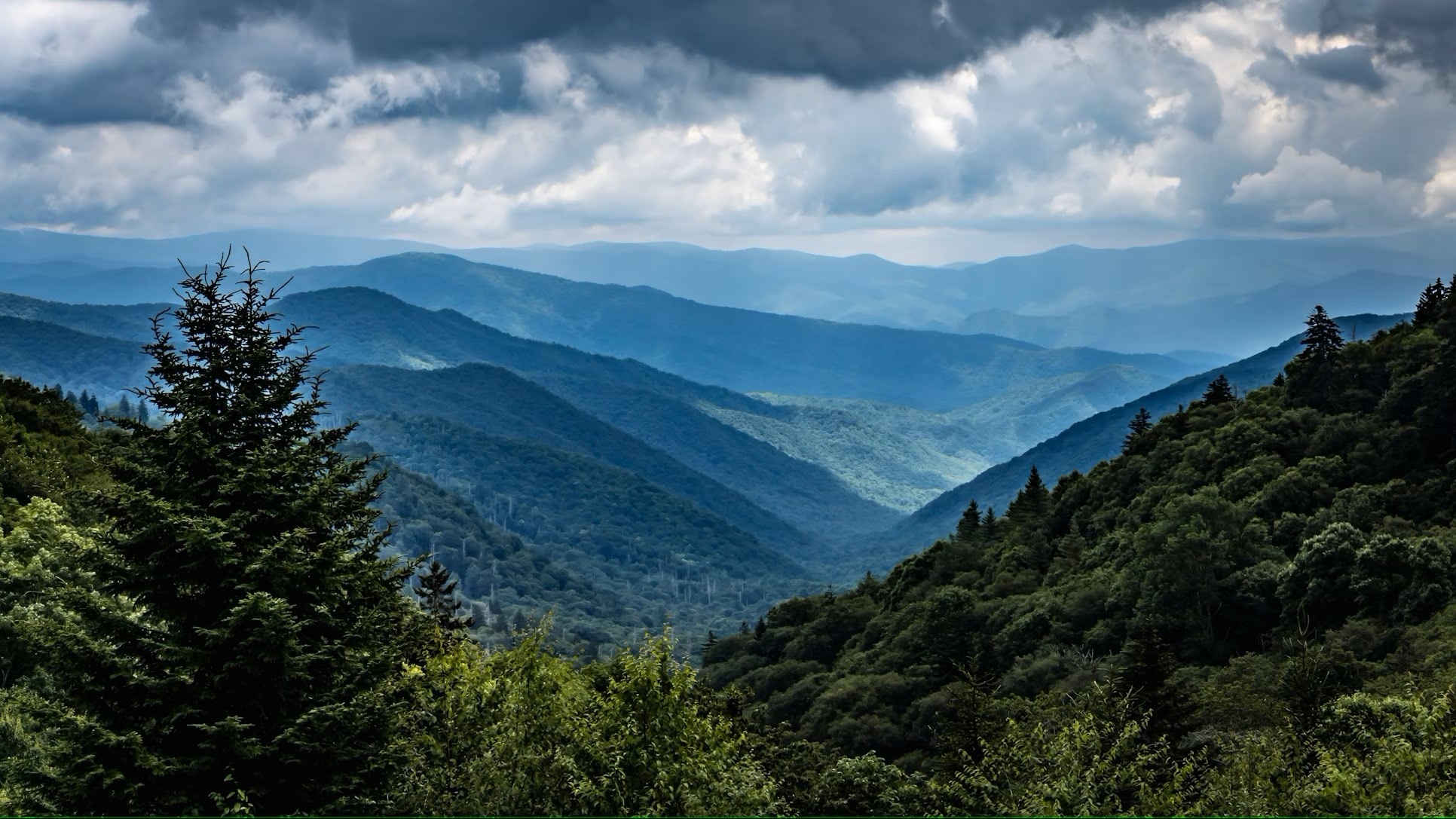
If your idea of the perfect spring escape includes vibrant color, the Great Smoky Mountains should top your list. Known as the “Wildflower National Park,” this park bursts into life from March through May with a spectacular display of ephemeral wildflowers like trillium, lady’s slippers, and phacelia. It’s a botanical spectacle that makes every forested walk feel like a discovery.
Beyond the blooms, spring is when the waterfalls fed by winter snowmelt are truly roaring, and the famous morning fog settles beautifully into the valleys like Cades Cove. While you’ll encounter some regional spring break traffic, visiting mid-week in April offers pleasant temperatures – much milder than the stifling humidity that defines the park’s summer months. It’s an essential stop for anyone wondering where to find the absolute best national parks to visit in April for lush, temperate hiking.
Things to do:
- Drive the 11-mile Cades Cove Loop at sunrise for incredible wildlife viewing (bears, deer, and turkeys) and photography.
- Hike the moderate Grotto Falls trail to walk behind a waterfall.
- Explore the Roaring Fork Motor Nature Trail for stunning forest views and historic sites.
- Attend the annual Spring Wildflower Pilgrimage, typically held in late April.
Where to stay: Stay in Gatlinburg or Pigeon Forge for endless dining and entertainment options, or opt for a cozy, authentic cabin rental near Townsend, the “peaceful side of the Smokies.”
Grand Canyon National Park, Arizona
While the Grand Canyon is magnificent year-round, spring offers the ideal climate for exploring its depth without risking heatstroke. March can still be chilly, but April and May are nearly perfect, especially for inner canyon hiking – a task that is actively discouraged by rangers in the peak summer. You’ll find the South Rim roads are clear of snow, yet the crowds haven’t reached their summer peak, making for easier access to those stunning overlooks.
For serious hikers or those simply seeking the best views, the comfortable daytime temperatures of 50 to 70°F (10 to 21°C) make the Bright Angel and South Kaibab trails truly enjoyable. If you’re deciding where to visit in the US in spring, the dramatic scale and favorable weather of the Grand Canyon firmly place it among the premier national park destinations.
Things to do:
- Hike below the rim early in the morning via the South Kaibab Trail (day trips only for most).
- Walk or bike the scenic Rim Trail between the various viewpoints.
- Visit Desert View Watchtower for panoramic eastern views of the canyon.
- Take a mule ride down to Plateau Point or stay overnight at Phantom Ranch (requires advanced booking).
Where to stay: Inside the park, the historic El Tovar Hotel on the South Rim provides a classic, upscale experience. Alternatively, the nearby town of Tusayan has numerous motels and services a short drive from the entrance.

Joshua Tree National Park, California
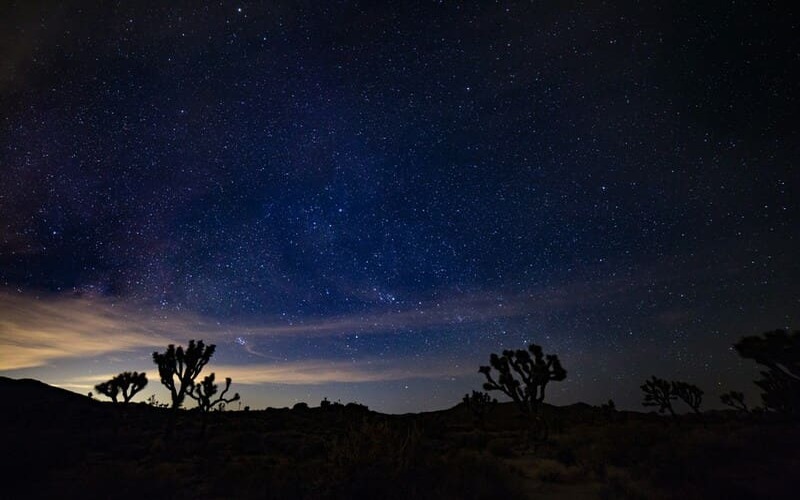
Spring is the definitive season for Joshua Tree, transforming the desert landscape from stark to stunning. This is the prime time to witness the legendary desert super blooms, where fields of goldfields, desert poppies, and the spiky crowns of the Joshua trees themselves come into flower. Temperatures in March and April are incredibly manageable, often sitting comfortably in the 70s during the day.
As one of the best national parks to visit in March, Joshua Tree offers endless opportunities for rock scrambling, hiking, and photography before the scorching summer sun drives visitors away. It’s a truly unique environment, combining the Mojave and Colorado desert ecosystems, providing a playground for climbers and stargazers alike.
Things to do:
- Hike to the scenic viewpoint at Keys View for panoramic vistas of the Coachella Valley.
- Explore the Cholla Cactus Garden, especially at sunrise or sunset.
- Go rock climbing or bouldering among the park’s famous quartz monzonite monoliths.
- Hike the popular hidden oasis trail to Forty-Nine Palms Canyon.
Where to stay: Consider camping within the park for the best stargazing experience, or find eclectic and charming boutique accommodations in the nearby desert towns of Yucca Valley or Twentynine Palms.
 Everglades National Park, Florida
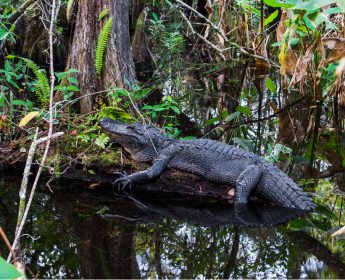
For those chasing warmth in the early part of the season, Everglades National Park is easily one of the national parks to visit in March. While the summer brings intense humidity and swarms of mosquitoes, the dry season (December to April) provides ideal wildlife viewing opportunities and comfortable temperatures.
As water levels recede, animals like alligators, wading birds, and manatees congregate around permanent water sources, making them much easier to spot. This unique subtropical wilderness is unlike any other park in the US, offering airboat tours, kayaking, and hiking through mangroves and pinelands, making it ideal for spring break if your goal is warmth and wildlife.
Things to do:
- Take a thrilling airboat tour to explore the “River of Grass.”
- Walk the Anhinga Trail for reliable alligator and bird sightings.
- Paddle the 99-mile Wilderness Waterway, or a shorter kayak loop in the mangroves.
- Visit the Shark Valley section for bike rentals and a tram tour along the observation road.
Where to stay: Since there is limited lodging inside the park, consider staying in Homestead or Florida City, which offer easy access to the main entrance, or driving down from the greater Miami area.
 Olympic National Park, Washington
Olympic National Park is a massive, diverse park that features mountains, rugged coastline, and temperate rainforests. While the high country mountains are still under snow, spring is the best time to explore the lower-elevation zones.
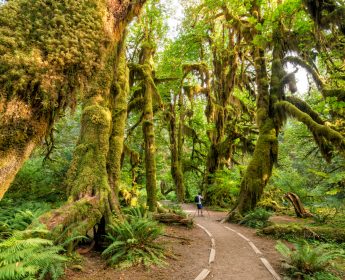
The Hoh Rain Forest is at its most magical in the spring, with mosses and ferns vibrant and saturated by the rain. The coastal beaches, like Ruby Beach, are moody and beautiful, perfect for searching for tide pools. Visiting in late April or May avoids the summer crowds while providing that characteristic Pacific Northwest lushness. This is easily one of the premier national parks for those who appreciate moody, green scenery.
Things to do:
- Walk the Hall of Mosses Trail in the Hoh Rain Forest.
- Explore the wild, driftwood-strewn Pacific beaches like Rialto Beach and Ruby Beach.
- Hike the trails around Lake Quinault or Lake Crescent.
- Check the weather- while rain is expected, sunny days in the spring are brilliant.
Where to stay: Lodging is available within the park at Lake Quinault Lodge and Lake Crescent Lodge, or in the gateway towns of Port Angeles or Forks.
 Death Valley National Park, California/Nevada
Death Valley in the summer is simply brutal, making spring the only truly viable time to visit this vast, otherworldly landscape. Despite its intimidating name, Death Valley offers surprisingly comfortable weather in the early spring months, which is why it’s consistently listed as a top choice among USA national parks.
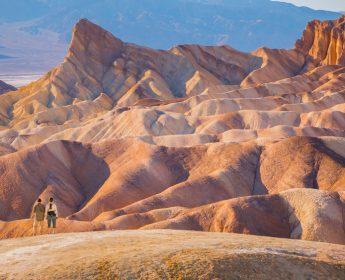
The temperatures in March and early April are perfectly suited for exploring geological wonders like Badwater Basin, Zabriskie Point, and Mesquite Flat Sand Dunes. If conditions are right (a rare event!), you might even catch a glimpse of a spectacular wildflower bloom, covering the low-lying plains in color – an unbelievable contrast to the stark desert environment.
Things to do:
- Stand at the lowest point in North America at Badwater Basin.
- Hike through the stunning, narrow slot canyon of Golden Canyon.
- Catch sunrise or sunset views over the colorful badlands at Zabriskie Point.
- Explore the natural arches and winding wash of Titus Canyon (requires a high-clearance vehicle).
Where to stay: Treat yourself to a stay at The Oasis at Death Valley (which includes the historic Furnace Creek Inn) for an elegant experience, or utilize the extensive, though basic, camping options throughout the park.
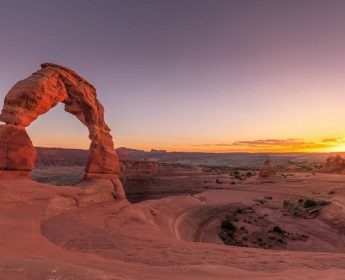 Arches National Park, Utah
As part of the famed Utah desert region, Arches shares the perfect spring weather window with its neighbors. The mild temperatures of April and May are crucial here, as many of the park’s most famous hikes, like Delicate Arch, require long walks in exposed sun.
Spring allows visitors to enjoy these spectacular sandstone formations comfortably, minimizing the risk of heat exhaustion while providing excellent light for photography. While spring break crowds can be significant, the introduction of a timed entry reservation system helps manage traffic flow, ensuring that those who plan ahead can comfortably enjoy the world’s highest concentration of natural stone arches.
Things to do:
- Hike the iconic 3.2-mile round-trip trail to Delicate Arch, ideally for sunset.
- Explore the primitive trail in the Devil’s Garden area to see Landscape Arch and Double O Arch.
- Take the short walk to Double Arch or the Windows Section.
- Stargaze- Arches is an International Dark Sky Park.
Where to stay: The nearby town of Moab is the undisputed adventure capital of Utah, offering every type of lodging from high-end resorts to motels and plenty of excellent dining.
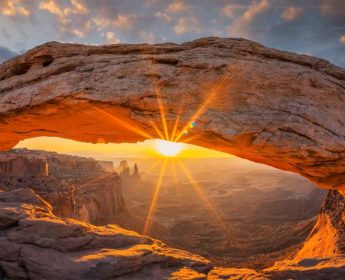 Canyonlands National Park, Utah
Often paired with Arches, Canyonlands National Park is a massive, sprawling wilderness that demands moderate temperatures for enjoyable exploration. Divided into four districts, the Island in the Sky district is the most accessible and offers numerous spring hiking opportunities with sweeping vistas reminiscent of the Grand Canyon, but on a more intimate scale.
The spring temperatures here are simply perfect for long days on the trail or mountain biking, allowing you to explore the stunning mesa top without the intense summer heat radiating up from the canyons below. This is an excellent alternative if Arches or Zion are too crowded, offering immense solitude in the Needles or Maze districts for the truly adventurous spring traveler.
Things to do:
Drive the scenic road in Island in the Sky, stopping at Mesa Arch for sunrise photos.
Hike the short, rewarding trail to White Rim Overlook.
Backpack or mountain bike the 100-mile White Rim Road (requires permit).
Explore the unique rock spires and canyon mazes of the Needles District.
Where to stay: Like Arches, the best base camp is Moab, which sits conveniently close to the Island in the Sky entrance.
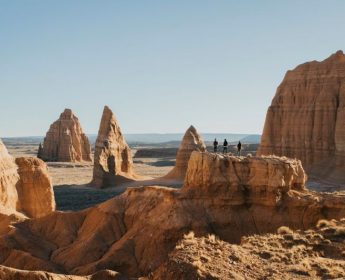 Capitol Reef National Park, Utah
Capitol Reef is the underdog of Utah’s parks, making it a fantastic choice for a quiet, low-key spring adventure. Spanning the 100-mile Waterpocket Fold – a massive wrinkle in the Earth’s crust – the park offers striking geology, but the real spring draw is the historic Fruita district.
Here, heritage orchards burst into bloom in April and May, turning the valley into a beautiful patchwork of pink and white blossoms. You can walk among the fruit trees and even pick fresh produce later in the spring, making this a relaxing and unexpectedly pastoral stop among the rugged desert parks. As one of the quieter national parks in spring, it’s a perfect escape from the crowds of Zion and Arches.
Things to do:
- Drive the scenic road to view the Fold, stopping for short hikes like Hickman Bridge.
- Pick fresh fruit in the historic Fruita orchards (peaches, apples, etc., depending on the month).
- Hike the challenging Golden Throne trail or enjoy the easy walk past the petroglyphs.
- Try the famous homemade pies at the Gifford House.
Where to stay: Torrey, a small town just outside the park’s western boundary, offers simple lodging and dining.
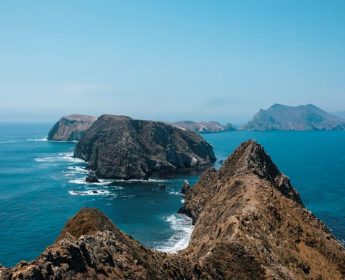 Channel Islands National Park, California
Often called North America’s Galapagos, the Channel Islands are a spectacular, underrated destination accessible via ferry from Ventura or Oxnard. In spring, the islands are covered in vibrant green grass and spectacular wildflower blooms, presenting breathtaking scenery that makes them arguably California‘s finest coastal national park for spring break.
The comfortable, moderate weather makes sea kayaking, snorkeling, and hiking incredibly enjoyable. You’ll see unique endemic wildlife, including the adorable Island Fox, found nowhere else on Earth. The crossing can be choppy, but the reward is a quiet, pristine wilderness far removed from the mainland crowds.
Things to do:
- Take a ferry to Santa Cruz Island and hike to Scorpion Canyon.
- Go sea kayaking through the incredible sea caves along the coastline.
- Spot the endemic Island Fox and the large California sea lion colonies.
- Enjoy the spring wildflower bloom, particularly on Santa Rosa Island.
Where to stay: Camping is available on the islands (reservations essential), but most visitors stay in Ventura or Oxnard on the mainland.
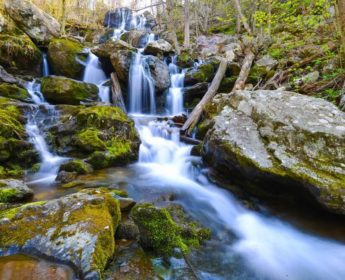 Shenandoah National Park, Virginia
Shenandoah National Park is the perfect spring road trip destination on the East Coast. Skyline Drive, the park’s scenic 105-mile backbone, is often fully accessible in the spring, offering breathtaking views of the rolling Appalachian mountains.
May is the ideal month here, as temperatures warm up, and the forests turn brilliant green. The park is famous for its abundant waterfalls, which are at their peak flow thanks to spring rains. For those looking for a national park in May with lush scenery and moderate hiking, Shenandoah delivers charming views and a pleasant driving experience.
Things to do:
- Drive the 105-mile Skyline Drive, stopping at overlooks to spot blooming dogwood and mountain laurel.
- Hike to Dark Hollow Falls or Overall Run Falls for powerful waterfall views.
- Hike a section of the Appalachian Trail, which runs directly through the park.
- Enjoy birdwatching as migratory species return to the mountains.
Where to stay: Stay at the Skyland Resort or Big Meadows Lodge within the park, or find lodging in the towns of Front Royal or Luray.
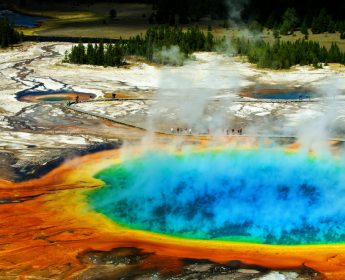 Yellowstone National Park, Wyoming/Montana/Idaho
Is April too cold for Yellowstone National Park? Absolutely, for full access! However, late spring (mid-May onward) is a magical, less-crowded shoulder season for Yellowstone. While many interior roads are just beginning to open, the northern range (Mammoth Hot Springs and Lamar Valley) is typically accessible and is the prime location for wildlife viewing.
Bison calves, elk, and bears are active in the lower valleys, and the geothermal features look spectacular against the backdrop of snow-capped mountains. If you can handle variable weather (expect snow, sun, and rain!), visiting Yellowstone in May is an authentic, crowd-free way to experience the park.
Things to do:
- Drive or take a tour through the Lamar Valley for outstanding wolf and bison viewing.
- Explore the iconic Upper Geyser Basin, home of Old Faithful.
- Visit the beautiful Mammoth Hot Springs Terraces.
- Check out the waterfalls in the Canyon Village area as the roads open.
Where to stay: Stay inside the park at Mammoth Hot Springs Hotel or book accommodations in Gardiner, Montana, the North Entrance gateway town that remains open year-round.
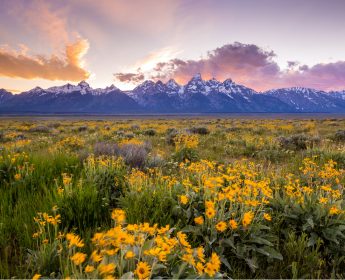 Grand Teton National Park, Wyoming
Often visited in conjunction with Yellowstone, Grand Teton offers stunning, dramatic mountain scenery in the spring. May is the sweet spot: the famous Teton Range is still covered in a pristine layer of snow, creating jaw-dropping contrasts with the green valley floor.
Like Yellowstone, wildlife is active and abundant. The inner park road is often one of the first to open, allowing access to key spots like Mormon Row and the Snake River Overlook. For photographers and nature lovers, the Grand Teton’s spring serenity makes it an essential stop for anyone exploring the national parks to visit in the Mountain West.
Things to do:
- Photograph the iconic barns at Mormon Row with the Teton backdrop.
- Drive the Teton Park Road as it opens for early access.
- Go hiking on the relatively flat trails near Jenny Lake or Leigh Lake.
- Look for moose and elk feeding in the willow thickets near the river.
Where to stay: Jackson Hole, Wyoming, is the primary gateway, offering high-end dining and lodging. The Jenny Lake Lodge or Jackson Lake Lodge within the park are also beautiful options.
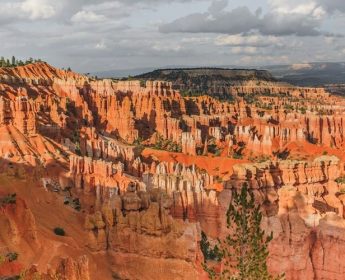 Bryce Canyon National Park, Utah
Bryce Canyon is a higher-elevation park than its Utah neighbors, meaning early spring can still bring snow, which only adds to the magic of the landscape. The contrast of white snow against the orange and pink hoodoos creates a spectacular photo opportunity you won’t get any other time of year.
April and May are the best months for comfortable hiking. As the snow melts, you can descend into the amphitheater on trails like Navajo Loop and Queen’s Garden without facing the blistering heat that makes summer descents so difficult.
Things to do:
- Hike the iconic Navajo Loop and Queen’s Garden combination trail into the hoodoos.
- Catch sunrise at Sunrise Point or Sunset Point for the best light on the formations.
- Go stargazing, as Bryce Canyon has some of the darkest skies in North America.
- Visit the viewpoints along the scenic drive, like Bryce Point and Inspiration Point.
Where to stay: The historic Bryce Canyon Lodge offers the only in-park lodging. Otherwise, look for convenient accommodations in Bryce Canyon City or the slightly further town of Tropic.
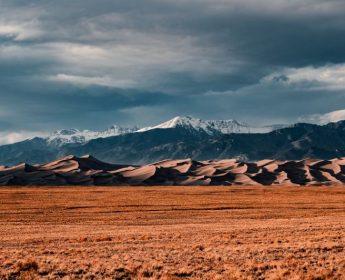 Great Sand Dunes National Park, Colorado
This often-overlooked Colorado park features the tallest sand dunes in North America, set dramatically against the backdrop of the Sangre de Cristo Mountains. Spring is the absolute ideal time to visit for a truly unique phenomenon: the Medano Creek surge flow.
Fed by melting snow, this creek flows right at the base of the dunes in late April and May, creating a shallow “beach” perfect for wading, tubing, and skimboarding. The daytime temperatures are perfect for hiking and sandboarding without risking summertime burning sand. It’s a fun and active park, making it a wonderful choice in May.
Things to do:
- Rent a sandboard or sand sled and hit the slopes (Dunes are hottest in the afternoon).
- Wade or play in the Medano Creek surge flow (typically late April/early May).
- Hike to the top of the High Dune for spectacular views of the mountain range.
- Go off-roading on the Medano Pass Primitive Road (requires 4×4).
Where to stay: Camping within the park is popular (reservations recommended). For hotels, the nearby town of Alamosa offers services and lodging.
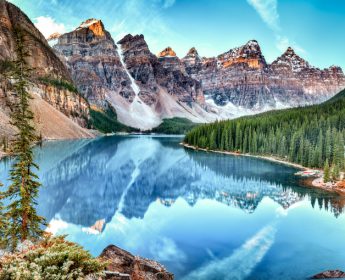 Banff National Park, Alberta, Canada
While the focus remains on the national parks in USA, it would be a shame to miss mentioning Banff, the crown jewel of the Canadian Rockies. Banff in late spring (May) is a perfect shoulder-season escape, offering a unique blend of experiences.
Although high-elevation lakes like Louise and Moraine are still thawing, the lower-elevation Bow Valley is coming to life. You’ll find fewer crowds, lower prices, and excellent opportunities for wildlife spotting as elk and bears emerge. Activities transition from spring skiing into lower-elevation hiking, giving you the best of both worlds before the high-season summer crush.
Things to do:
- Stroll through the town of Banff and enjoy the relaxed shoulder-season atmosphere.
- Drive the scenic Bow Valley Parkway for incredible wildlife spotting opportunities.
- Hike the Johnston Canyon trail to see spectacular waterfalls and gorges.
- Take the Banff Gondola up Sulphur Mountain for panoramic views.
Where to stay: Banff townsite offers endless lodging options, from the iconic Fairmont Banff Springs Hotel to cozy inns. Canmore, just outside the park, is also a great, slightly less expensive base.
Best National Parks to Visit by Month
If you’re organizing a trip based on your calendar, here is a quick guide to help you find the best national parks to visit by month.
| Month | Ideal Parks | Experience |
| March | Everglades (FL), Death Valley (CA), Joshua Tree (CA) | Warmth, Dry Weather, Peak Wildlife (Everglades), Desert Blooms |
| April | Zion (UT), Grand Canyon (AZ), Arches (UT), Channel Islands (CA), Great Smoky Mountains (TN/NC), Capitol Reef (UT) | Comfortable Hiking, Desert Temperatures, Peak Wildflower Blooms, Inner Canyon Access |
| May | Yosemite (CA), Olympic (WA), Grand Teton (WY), Yellowstone (WY/MT/ID), Bryce Canyon (UT), Great Sand Dunes (CO), Banff (Canada) | Peak Waterfall Flow, High-Elevation Road Openings, Lush Greenery, Mountain Scenery, Creek Flow (Sand Dunes) |
Tips for Planning Your Spring National Park Trip
The variable nature of spring means proper preparation is the difference between an amazing trip and a frustrating one.
Embrace the Layering Mentality
Spring weather, especially in the Mountain West (like Yellowstone or Zion), can deliver all four seasons in a single day. You might start your hike in a puffy jacket and end it in a t-shirt. Always pack layers: a moisture-wicking base, a warm fleece or down mid-layer, and a waterproof/windproof outer shell. This is especially true for the higher-elevation parks.
Secure Reservations and Permits Early
Despite being the shoulder season, spring break weeks and weekends can be crowded, especially at bucket-list destinations like Zion and Arches. Check for:
- Timed entry reservations: Parks like Arches and Yosemite may require a timed entry pass for general access during peak hours.
- Backcountry/Day use permits: Permits for iconic hikes like Angels Landing (Zion) or Half Dome (Yosemite) are always competitive and must be secured months ahead of time.
- Lodging:On-site lodging in popular spots like Zion and the Grand Canyon books up incredibly fast.
Understand the Status of High-Elevation Roads
For parks in the Rockies (Yellowstone, Grand Teton, Bryce Canyon), be aware that scenic, high-elevation roads may not open until mid-May or even June, depending on the snowpack. Always check the official NPS website for seasonal road closures before finalizing your itinerary, especially if you plan to visit a park that has high peaks (like Olympic).
Know Your Water
If hiking The Narrows in Zion, the water level and temperature are crucial. The Narrows often closes if the flow rate exceeds 150 CFS. Always check conditions and rent proper gear (neoprene socks, boots, and trekking poles) from local outfitters – it’s worth the cost.
Be Bear Aware
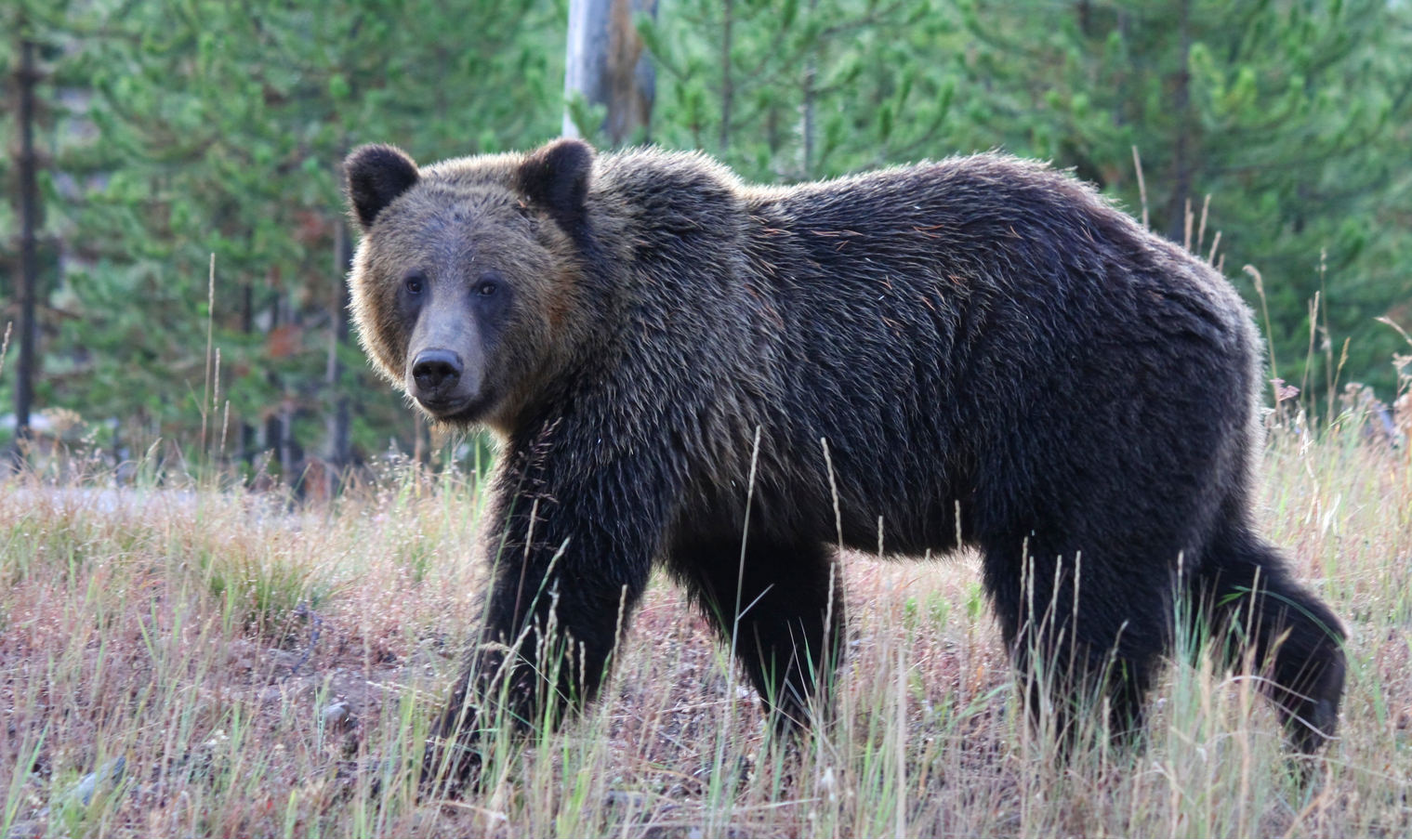
Spring is when wildlife, particularly bears, emerge from hibernation. They are often hungry and active in the lower elevations. Whether you are in the Great Smoky Mountains, Yellowstone, or Banff, carry bear spray, know how to use it, and maintain a safe distance from all animals. Never leave food unattended, even for a moment.
Frequently Asked Questions
What is the best National Park to visit in the spring?
While every park offers something special, the consensus among travelers for the most consistently enjoyable and accessible spring experience is Zion National Park. Its perfect blend of comfortable hiking temperatures, spectacular canyon scenery, and active water flow in The Narrows makes it an ideal choice for spring break. The desert bloom parks like Joshua Tree and Saguaro are also strong contenders for the early spring (March/April).
Where to visit in the US in spring?
If you are looking for pure outdoor adventure, focus on the US Southwest, specifically the parks of Southern Utah and Arizona (Grand Canyon, Arches, Bryce Canyon). If you prefer lush greenery and wildflowers, the Southeast (Great Smoky Mountains) and California (Yosemite, Channel Islands) are excellent options, particularly if you are searching for national parks to visit in April or May.
Is April too cold for Yellowstone National Park?
Yes, generally April is still considered too cold for a full Yellowstone experience. While the North Entrance road to Mammoth Hot Springs is open, most interior park roads remain closed due to heavy snow and melting. For optimal access and activity, the best month for Yellowstone is late May, when more services and roads are open, and wildlife viewing is at its peak.
Which national park has the best April weather?
Arches National Park and Grand Canyon National Park (South Rim) typically offer the best and most reliable weather in April. Temperatures are mild (daytime highs generally 55°F-75°F), with significantly less chance of extreme heat than in May, making it perfect for long hikes and enjoying the iconic scenery comfortably.





There are no comments.