
Thailand‘s sprawling capital is a sensory explosion, a place where ancient traditions meet modern dynamism. It’s a city that captivates millions of visitors each year, drawn by its rich culture, incredible cuisine, and undeniable energy.
However, like any major global destination, planning a trip involves more than just booking flights and hotels. Several recent events may make one hesitant to travel to that country. In particular, the outbreak of conflict between Thailand and Cambodia on July 23, 2025, resulted in multiple civilian and military casualties and mass evacuations along the border between the two countries. While the July 29 ceasefire offered a brief respite, renewed fighting in December 2025 has led to stricter travel bans along the eastern border.
This guide aims to provide a clear picture of what travelers need to know before visiting Bangkok in 2026, helping you to navigate the ‘City of Angels’ confidently.

Is It Safe to Go to Bangkok Right Now?
The short answer is: Yes, Bangkok is generally considered safe for tourists who exercise reasonable caution and stay aware of their surroundings. Millions visit without incident every year, enjoying the city’s incredible offerings.
According to the Thai authorities, the conflict is a border-confined area, with all 50 km of the border with Cambodia closed to tourism and all land crossings between the two countries closed to restrict cross-border activities. Some tourist destinations in the border area such as Khao Phra Wihan, Ta Kwai and Ta Muen Thom temples are currently closed. However, this does not affect the operation of other tourist cities in the country.
-
Border Distance: The conflict is strictly confined to the border provinces. Bangkok is approximately 250+ km away from the active conflict zones.
Compared to major cities around the world, Bangkok has relatively few violent crimes against tourists, but petty crimes such as pickpocketing and purse snatching still occur, especially in crowded tourist areas, markets, and on public transportation. It is recommended that you always check travel advisories issued by your country for Bangkok for potential risks and take reasonable precautions. Don’t let unfounded fears scare you, but don’t travel unprepared either.
Thailand Travel Advisory 2026 Details
So, are there any travel warnings for Thailand recently? Yes, there are specific, geographically limited warnings issued by several governments for Thailand, but they generally do not apply to Bangkok or the vast majority of tourist destinations. Below are some excerpts of important information.
Conflict-Affected Area & Southern Provinces (Yala, Pattani, Narathiwat, Songkhla)
U.S. Advisory: The level of advisory was raised to level 2. And the 50 km range of the border area is level 4, which means do not travel. The U.S. Department of State also urges travelers to reconsider travel to Yala, Pattani, Narathiwat, and Songkhla provinces due to insurgent-related violence.
Canadian Advisory: Canada’s current travel advisory for Thailand is “Exercise a high degree of caution.” The Thai-Cambodian border and southern Thai provinces (such as Narathiwat, Pattani, Songkhla, and Yala) are unstable. Travel to these areas is strongly discouraged.
Australian Advisory: Australia likewise advises its citizens to exercise a high degree of caution in Thailand in general and not to travel to the provinces of Buriram, Si Saket, Sa Kaeo, Surin, Ubon Ratchathani, Chanthaburi, and mainland Trat, which are within 50 km of the Thai-Cambodian land border. Also, reconsider travel to Yala province, Pattani province, and Narathiwat province due to low-level insurgent activities.
UK Advisory: The UK Foreign Office has issued an urgent “Do Not Travel” advisory urging British citizens to avoid certain areas near the Thailand-Cambodia border. It also advises against travel to certain southern Thai provinces bordering Malaysia due to heightened security risks, including Pattani, Yala, and Narathiwat.
Border & Regional Risks
Myanmar Border (Mae Hong Son, Tak): Occasional violence and banditry prompt a high degree of caution near border crossings; checkpoints can close without notice.
Cambodia Border (Preah Vihear Area): Land borders such as Aranyaprathet-Poipet, Chong Sa-Ngam, O’Smach, Choam, have been closed due to war, and a ban on travel to the 50 km area of the border between the two countries.
Laos & Cambodia General: Keep up to date on land-border openings, visa rules, and local security notices when crossing into Laos or Cambodia.
Political Instability & Protests
Thailand’s political landscape remains fluid. Martial-law provisions can be enacted nationwide, empowering authorities to impose curfews, restrict assemblies, and censor media at short notice. Even moderate protests may face forceful dispersal or travel disruptions.
Natural Disasters & Climate
Monsoon Season (June–October): Heavy rains bring flash floods, landslides, and impassable roads—especially in rural and northern areas. Jungle treks are not advised due to mudslides and cave-flooding risks.
Air Pollution: Northern Thailand (Chiang Mai) and Bangkok can experience hazardous smog during dry months, affecting vulnerable groups. Monitor AQI levels and limit outdoor activity when values peak.
Specific Safety Concerns in Bangkok and Thailand
Beyond the official advisory levels, understanding the specific types of risks helps you navigate Bangkok more safely.
Petty Crime and Common Tourist Scams
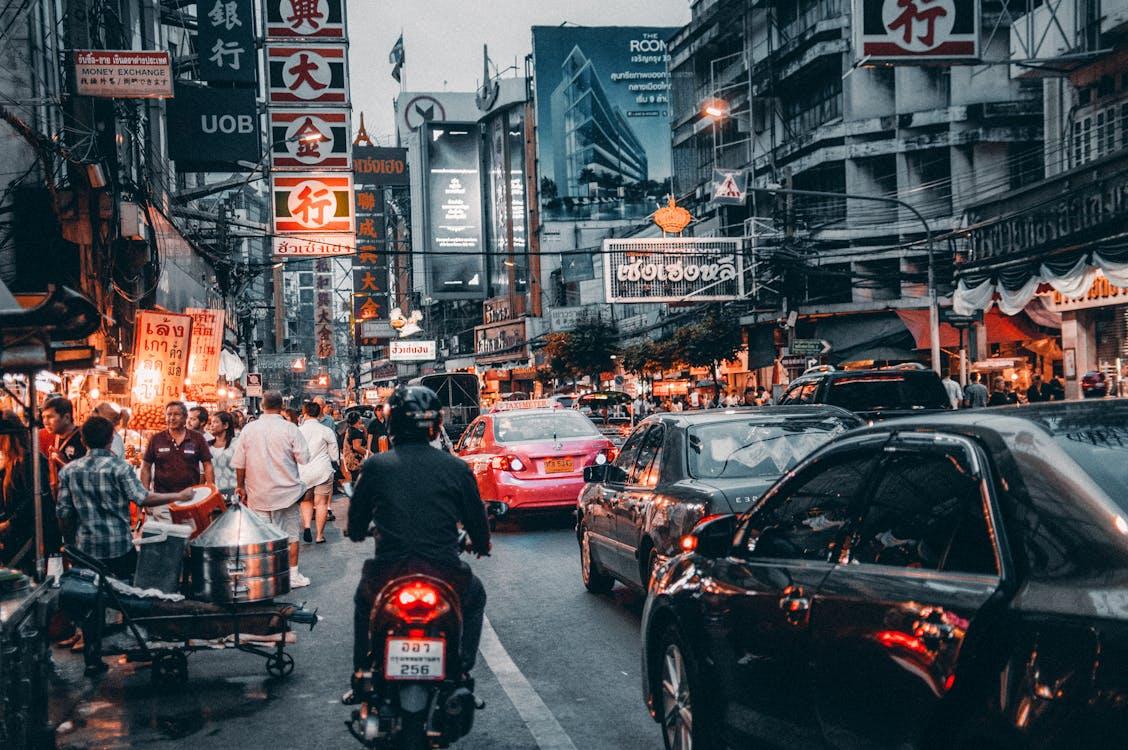
While Bangkok isn’t plagued by violent crime targeting tourists, opportunistic theft and scams are unfortunately common. Awareness is your best defense.
- Pickpocketing and Bag Snatching
Occurs in crowded markets (Chatuchak, Patpong), on public transport (Skytrain, MRT, buses), and popular tourist sites. Keep valuables secure, preferably in front pockets or a money belt. Be wary of distractions, especially groups of children trying to sell items. Motorbike snatch-and-grabs of bags from pedestrians or even tuk-tuk passengers can happen.
- Tuk-Tuk Scams
Drivers, especially near hotels/tourist spots, may refuse to use the meter and demand a high flat fare. Insist on the meter or find another taxi/tuk-tuk. Ride-sharing apps like Grab are often more reliable.
- Shopping Detours
Drivers offer suspiciously cheap rides or tours, but insist on taking you to specific gem shops, tailor shops, or souvenir stores where they get a commission. These shops often sell overpriced or fake goods. Politely but firmly decline these detours and insist on your original destination.
- Gem Scam
A classic. Often starts with a friendly local (sometimes posing with a fake tourism badge) approaching you near a major attraction. They might tell you the attraction is closed (it usually isn’t) and offer to take you to a “special government-sponsored” gem sale, promising huge profits upon resale back home. The gems are typically worthless glass or synthetics. Never buy gems under such circumstances.
- Attraction Closed Scam
Similar to the gem scam setup, someone tells you the Grand Palace or Wat Pho is closed for a special ceremony/holiday (check official hours yourself!) and offers an alternative tour, inevitably leading to commissioned shops.
- Jet Ski/Motorbike Rental Scam
Common in beach areas but can occur with motorbike rentals anywhere. Upon return, the vendor claims you damaged the vehicle and demands exorbitant repair fees, often holding your passport (which you should never leave as collateral) until you pay. Thoroughly inspect vehicles before renting, take photos/videos of any existing damage, and refuse to leave your passport.
- Wrong Change Scam
Familiarize yourself with Thai Baht banknotes and coins. Occasionally, vendors or taxi drivers might give incorrect change, hoping you won’t notice. Count your change carefully.
- Drink Spiking
A serious risk, particularly in nightlife areas (Khao San Road, Sukhumvit Soi 11, Patpong). Never leave your drink unattended, don’t accept drinks from strangers, and stay with trusted friends. Reports also mention risks of methanol poisoning from adulterated alcoholic drinks in some establishments. Party safely.
- Bird Feed Scam
Near landmarks like the Grand Palace, someone might forcefully put birdseed in your hand, encourage you to feed the pigeons, and then demand an inflated payment. Firmly refuse.
- Fake Police/Officials
Be wary of anyone demanding on-the-spot fines for minor infractions. Ask to be taken to the official police station if you suspect something is amiss.
✍️In a word: If an offer seems too good to be true, it probably is. Trust your instincts. The Tourist Police (dial 1155) can assist if you encounter problems.
Other Safety Tips
- Pay attention to your surroundings, especially in crowded places or at night.
- Use hotel safes for passports, extra cash, and valuable items. Carry only what you need for the day. Consider a money belt or secure pouch.
- Use licensed tour guides, official taxis (insist on the meter), and reputable booking platforms for accommodation and activities.
- Enjoy Thailand’s incredible street food, but choose vendors wisely (look for busy stalls with high turnover, freshly cooked food).
- Know the local emergency numbers: Tourist Police (1155 – English speaking), general emergency (191), Ambulance/Medical Emergency (1669). Keep your embassy’s contact details handy.
- Citizens of the US can enroll in the Smart Traveler Enrollment Program (STEP). Similar programs exist for other nationalities (e.g., Canada, UK, Australia). This makes it easier for your embassy to contact you in an emergency.
✍️Remember, starting May 1, 2025, all foreign nationals entering Thailand must complete the Thailand Digital Arrival Card (TDAC) online, typically within 3 days before arrival. Check official Thai immigration websites for the portal and latest details.
Travel to Bangkok, Thailand: Must-See Places
Despite the necessary focus on safety, let’s not forget why you’re considering Thailand! It’s an incredibly diverse and beautiful country.
While exercising caution, you can explore amazing destinations:
Bangkok
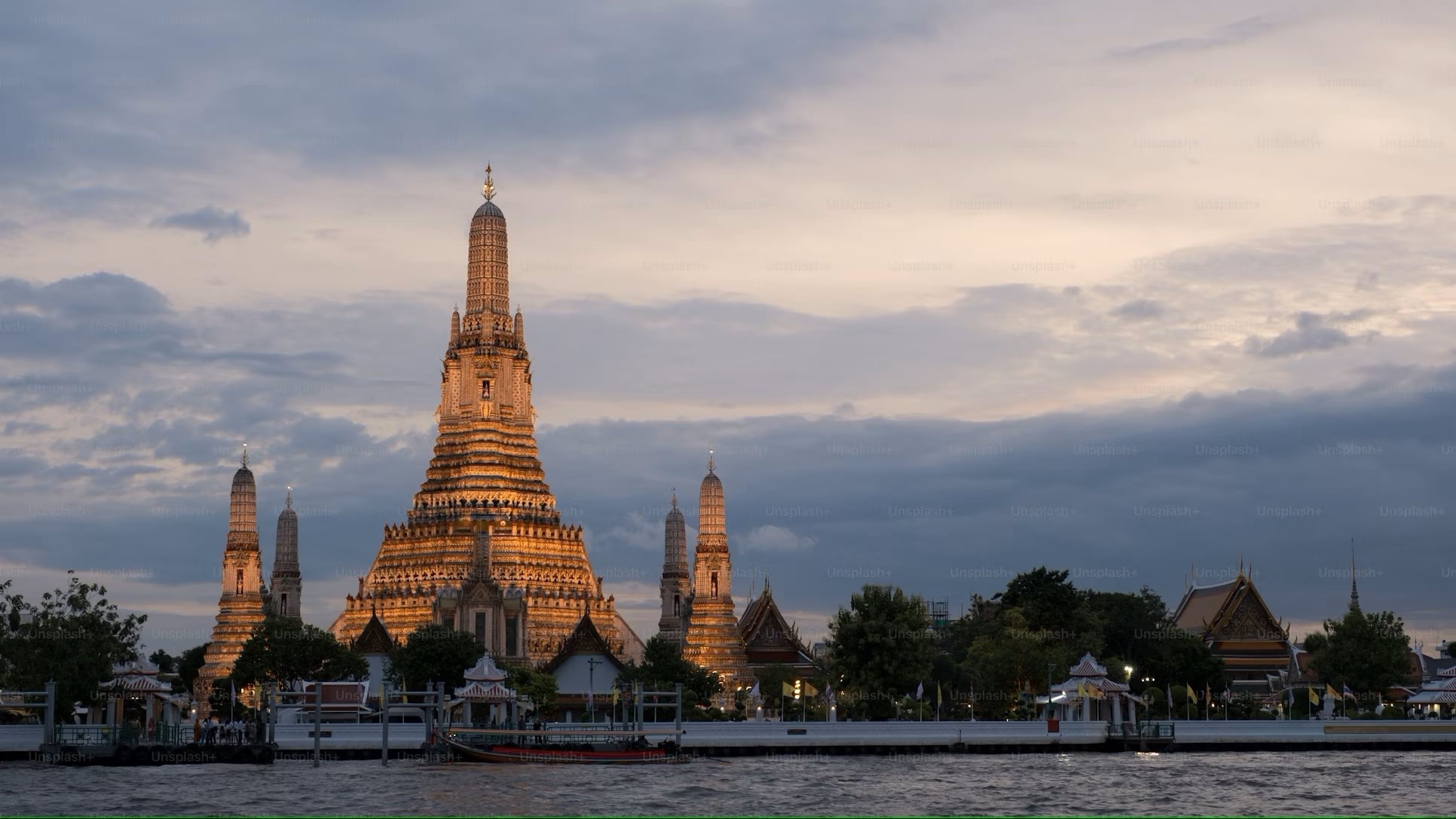
Temples: The Grand Palace and Wat Phra Kaew (Emerald Buddha), Wat Arun (Temple of Dawn), and Wat Pho (Reclining Buddha). Remember respectful attire.
Markets: Immerse yourself in the chaos of Chatuchak Weekend Market, explore the flower market (Pak Klong Talat), or discover unique finds at night markets like Jodd Fairs or Patpong (be mindful in Patpong’s entertainment areas).
River Life: Take a longtail boat trip along the Chao Phraya River and explore the klongs (canals) for a glimpse into traditional life. Enjoy a dinner cruise.
Food: From Michelin-starred restaurants to world-famous street food stalls, Bangkok is a culinary paradise. Try Pad Thai, Green Curry, Tom Yum Goong, Som Tum (papaya salad), and Mango Sticky Rice.
Culture & Shopping: Visit museums like the Jim Thompson House, catch a Muay Thai boxing match, indulge in a traditional Thai massage, or shop ’til you drop in modern malls like Siam Paragon or CentralWorld.
Beyond Bangkok
Chiang Mai: Located in the mountainous north, known for its temples, elephant sanctuaries (choose ethical ones!), craft markets, and cooler climate. A base for trekking and exploring hill tribe villages. Generally very safe.
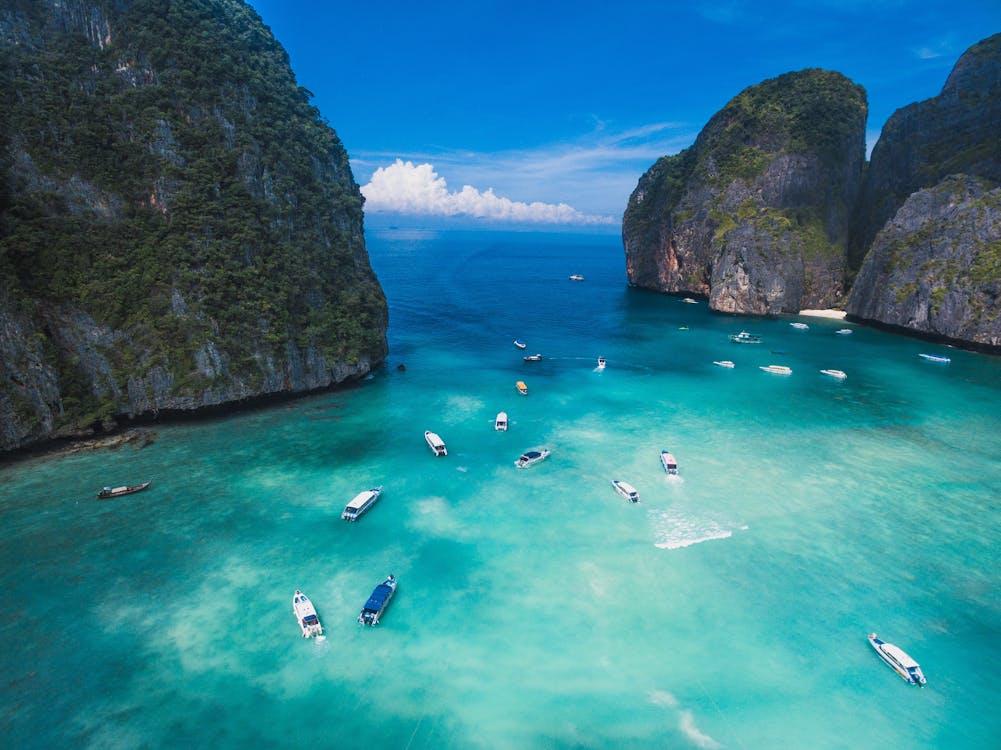
Phuket: Thailand’s largest island, famous for its beaches (Patong, Kata, Karon), luxury resorts, vibrant nightlife (exercise caution), and access to stunning nearby islands like Phi Phi (though heavily touristed). Be mindful of rental scams here.
Krabi Province: Offers dramatic limestone cliffs, clear waters, and access to Railay Beach (accessible only by boat) and the Ao Nang area. Great for rock climbing and island hopping.
Koh Samui: A popular island in the Gulf of Thailand known for beautiful beaches, resorts, spas, and a more relaxed vibe than Phuket in many areas. Neighboring islands like Koh Phangan (famous for Full Moon Parties – be extra vigilant there) and Koh Tao (diving hub) are easily accessible.
Ayutthaya: The former capital of Siam, now a UNESCO World Heritage site with impressive ancient temple ruins. An easy day trip from Bangkok.
Sukhothai: Another former capital and UNESCO site, offering stunning, well-preserved historical ruins in a more tranquil park setting.
Frequently Asked Questions
How safe is Thailand for tourists?
Thailand is generally safe, especially in major tourist destinations like Bangkok, Chiang Mai, and the popular islands, provided you use common sense. Key risks include petty theft, scams, road accidents, and health issues if precautions aren’t taken.
What areas should tourists avoid in Thailand?
Based on official warnings, it is prohibited to travel to the 50 km area along the border between Thailand and Cambodia, which includes the provinces of Buriram, Si Saket, Sa Kaeo, Surin, Ubon Ratchathani, Chanthaburi and mainland Trat. And tourists should avoid non-essential travel to the provinces of Yala, Pattani, Narathiwat, and the southern parts of Songkhla near the Malaysian border. Within cities like Bangkok or Pattaya, exercise caution in certain nightlife districts late at night and be wary of overly deserted areas.
Is the new Digital Arrival Card mandatory?
Yes. The TDAC/ETA system is now fully enforced for 2026. You must complete it online before your trip.
Bangkok, Thailand offer an incredibly rewarding travel experience. Understanding the Bangkok travel advisory landscape isn’t meant to deter you, but to empower you. By staying informed and taking sensible precautions against common scams and risks, you can pave the way for a fantastic and safe adventure in the Land of Smiles.



There are no comments.