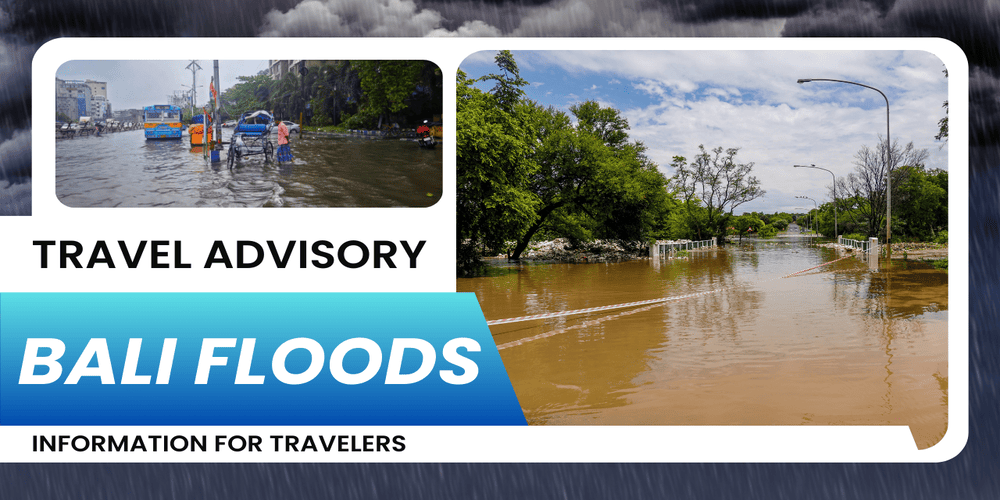

Bali, one of Indonesia’s most popular tourist destinations, has recently faced severe flooding due to persistent rainfall in early September. The Bali floods have caused widespread damage, forcing hundreds of residents to evacuate and presenting travel challenges for tourists. If you are planning to visit Bali or are already on the island, it is crucial to stay informed about the current situation, affected areas, and safe alternative routes.
Table of Contents
What Part of Bali Is Flooded?
Impact of Bali Floods on Tourists
Advice for Travelers
Is It Safe to Visit Bali Now?
What Part of Bali Is Flooded?
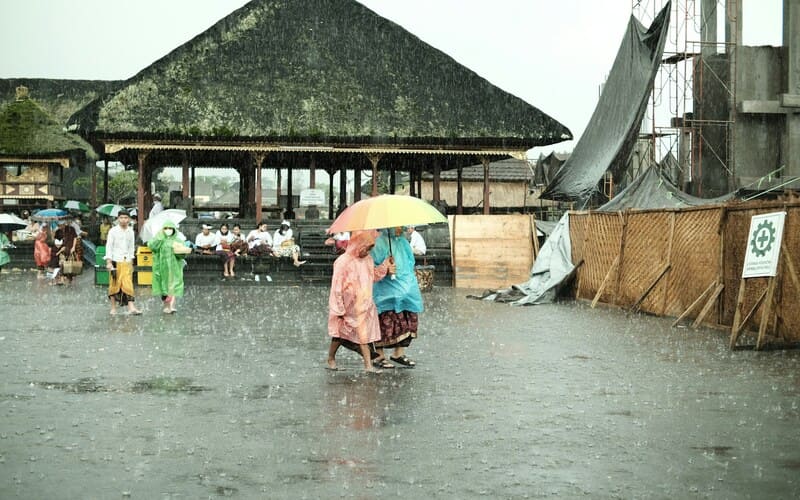
In early September 2025, Bali faced its heaviest rainfall in decades. The recent floods in Bali have primarily impacted the southern and western regions, including Denpasar, Badung, Gianyar, Tabanan, and Jembrana. These areas experienced significant rainfall, leading to overflowing rivers, damaged roads, and power outages. In some locations, water levels rose above two meters, causing widespread disruption.
Impact of Bali Floods on Tourists
Local authorities are currently engaged in intensive repair and cleanup efforts, though tourism has still been impacted to some extent.
- Regarding flights, Ngurah Rai International Airport remains operational; however, access routes have been severely disrupted, resulting in significant delays and disruptions.
- For accommodations, many roads in the heavily affected central and eastern regions are impassable due to flooding and landslides.
- In addition to transportation disruptions, several tourist attractions have been temporarily closed for safety reasons. Power outages and water supply issues have been reported in popular destinations such as Ubud and Seminyak.
Despite these difficulties, local authorities and tourism operators have been working to restore normalcy. Many hotels and resorts have implemented contingency plans to accommodate guests and are working to clear congested roads and restore essential services.
Advice for Travelers
If you are planning to visit Bali or are currently in Bali, please consider the following Bali travel advisory:
- Stay informed: Regularly check official sources for the latest updates on flood conditions and any travel advisories.
- Monitor flight status: Given the possibility of delays and cancellations, stay in touch with your airline for the most current information.
- Avoid affected areas: If possible, postpone travel to regions currently experiencing severe flooding.
- Prepare alternative plans: Southern Bali has been less impacted by flooding, so you may consider changing your destination to locations like Kuta, Jimbaran, or Nusa Dua. Be prepared for potential changes to your travel plans and have contingency arrangements in place.
Is It Safe to Visit Bali Now?
Overall, visiting Bali is relatively safe at present. However, it’s important to note that the situation is still recovering from the recent floods, and risks persist. It’s best to avoid the areas most severely affected.
And according to the 10-day weather forecast, Bali will continue to experience rainfall and thunderstorms. If you do not want your travel plans to be disrupted, consider other destinations in Indonesia that have been unaffected or minimally impacted by the flooding in Bali. Here are some Indonesian travel destinations we recommend that share a similar vibe to Bali and remain unaffected by flooding:
Jakarta
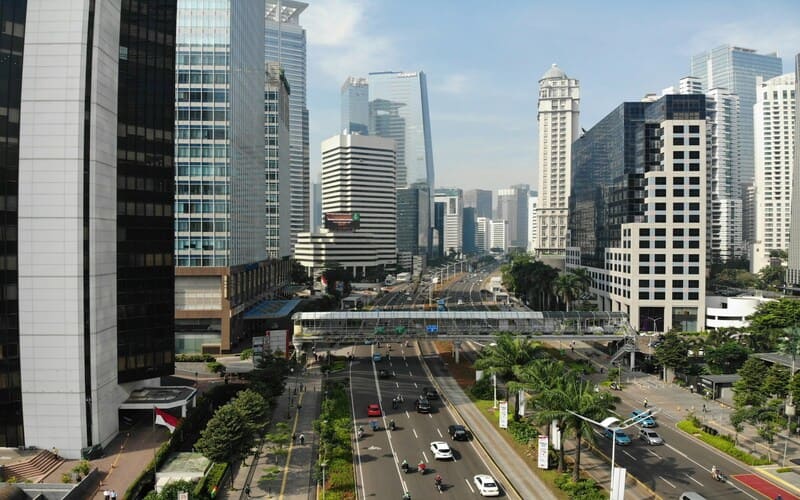
Jakarta, located on the northwest coast of Java Island, is the capital of Indonesia and its political, economic, and cultural center. With its excellent infrastructure and bustling modern cityscape, Jakarta is an ideal destination for first-time visitors to Indonesia.
Best Time to Visit
April through October marks the dry season, generally considered the best time to visit Jakarta. Unlike Bali’s weather, this period features clear skies, comfortable temperatures, and minimal rainfall, making it ideal for sightseeing and exploring the city’s cultural landmarks.
Things to Do
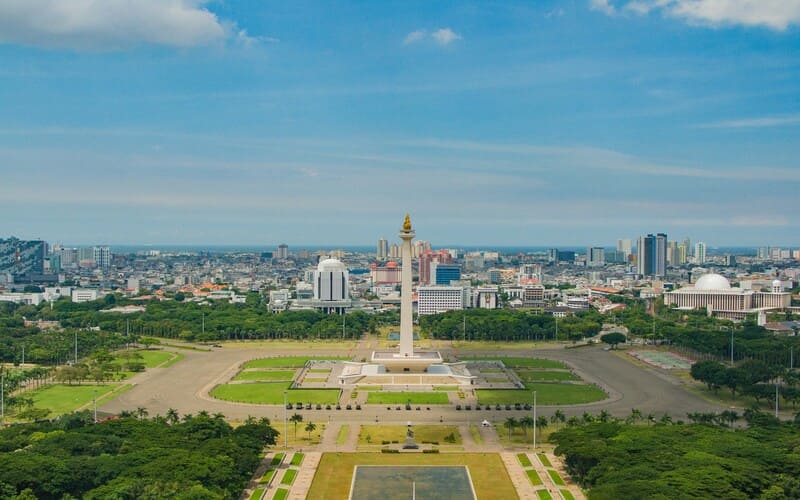
National Monument: Standing 132 meters tall, this Jakarta landmark symbolizes Indonesia’s independence and national pride. Visitors can take an elevator to the observation deck for panoramic city views and explore exhibits at the base museum detailing Indonesia’s struggle for independence.
Kota Tua: This area preserves Jakarta’s Netherlands colonial-era architecture and houses museums such as the Jakarta History Museum. Visitors can rent bicycles to explore the neighborhood, especially along the coastal side, which offers beautiful seaside views.
Suropati Park: A historic park in the city center dating back to the Netherlands colonial era. Featuring a sculpture garden and cultural center, it hosts various events on weekends.
Taman Fatahillah: Here you’ll find well-preserved colonial-era buildings such as the Wayang Museum and the Indonesian Postal Museum.
Where to Stay
Traffic in Jakarta is extremely congested, so choosing an accommodation area with convenient transportation and proximity to your desired destinations is crucial. In Jakarta, we recommend staying in the city center and the Old Town district, as both offer easier access and are close to various attractions.
Surabaya
Surabaya is the largest city in East Java and Indonesia’s second-largest city, ranking among Southeast Asia’s oldest port cities. It is a diverse metropolis blending Javanese, Chinese, and Arab cultures, offering visitors a wealth of historical architecture to explore.
Best Time to Visit
Similar to Jakarta, the dry season from April to October is the best time to visit here. During this period, the weather is dry with minimal rainfall, making it ideal for outdoor activities, exploring city attractions, and visiting surrounding areas.
Things to Do
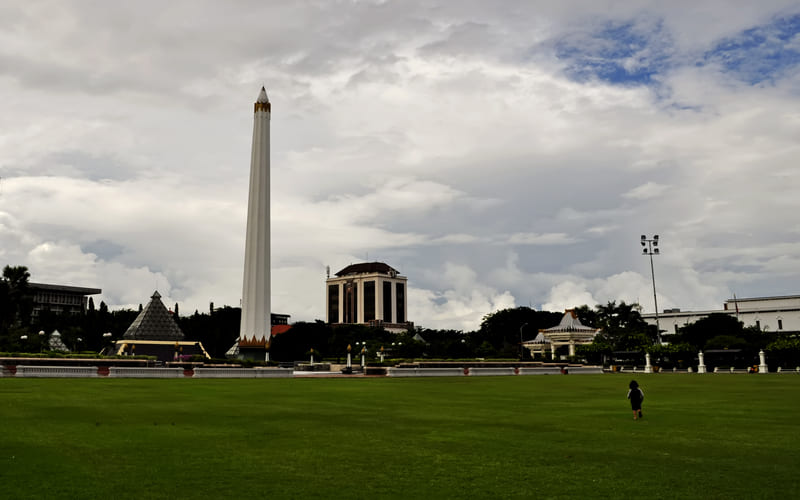
Monumen Tugu Pahlawan: A landmark in Surabaya, erected to honor the heroes of the 1945 Battle of Surabaya. Surrounding it is a museum showcasing the history of that independence war.
Surabaya Submarine Monument: This unique attraction was converted from the decommissioned Russian submarine KRI Pasopati 410. Visitors can enter the submarine’s interior to explore its narrow compartments, torpedo tubes, and control room, experiencing firsthand the underwater life of naval personnel.
Suramadu Bridge: This magnificent bridge connects Surabaya to Madura Island and is Indonesia’s longest sea crossing bridge. At night, the bridge lights up, creating a spectacular view. You can drive across the bridge and enjoy the beautiful ocean scenery.
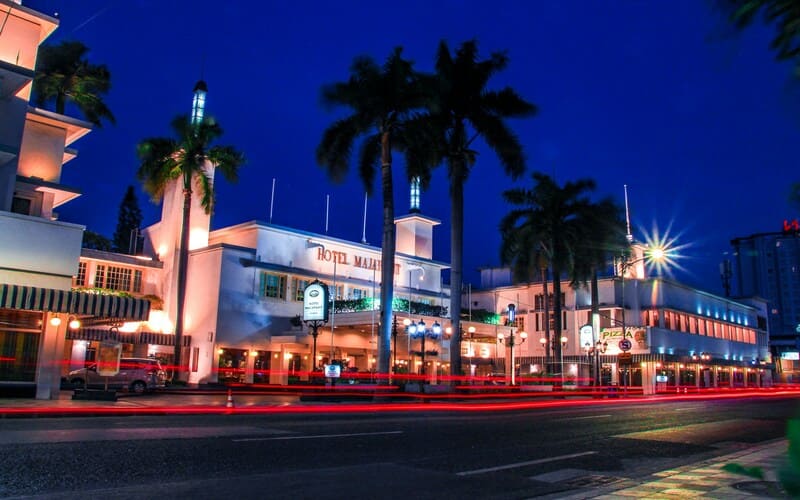
Jl. Tunjungan: This street is lined with numerous shopping malls and serves as the hub for shopping and cultural activities in Surabaya.
Where to Stay
For travelers heading to Surabaya, staying in the city center is the best choice. This area serves as the commercial and administrative hub, offering convenient transportation. The eastern part of Surabaya is also a good option, featuring numerous large shopping malls and restaurants.
Semarang
Semarang is a coastal city located in Central Java and also serves as an important port city in Indonesia. It boasts a rich history and distinctive architectural styles.
Best Time to Visit
The best time to visit is from June to September, when the weather is pleasant and ideal for outdoor sightseeing.
Things to Do
Klenteng Sam Poo Kong: A Buddhist temple built to commemorate Zheng He’s voyages to the Western Seas. The temple complex is magnificent and vibrantly colored, blending Chinese and Javanese architectural styles.
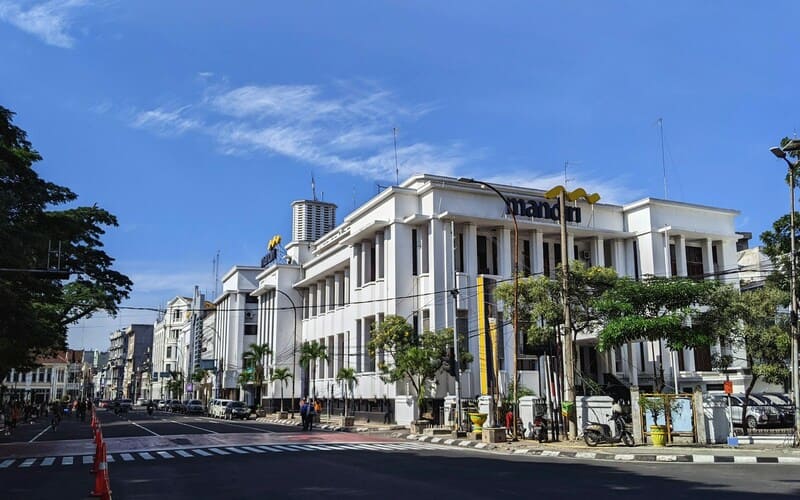
Kota Lama: Semarang’s Old Town preserves numerous colonial-era buildings, including city halls, banks, and office buildings. It also features many converted cafes, boutiques, and art galleries.
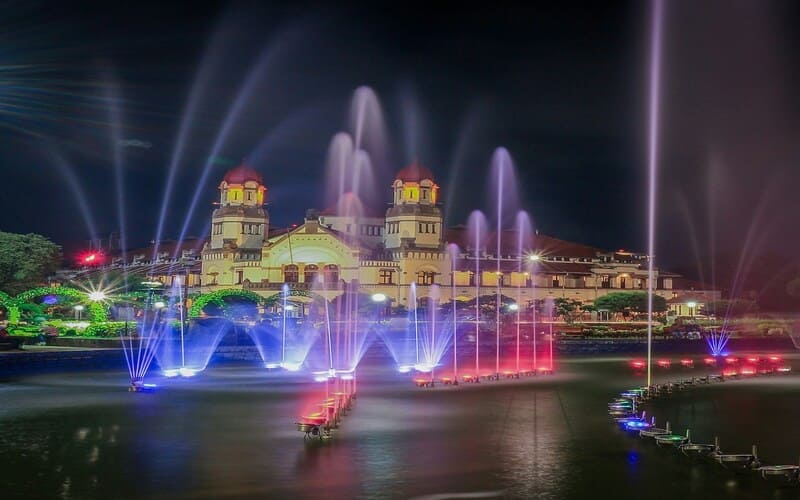
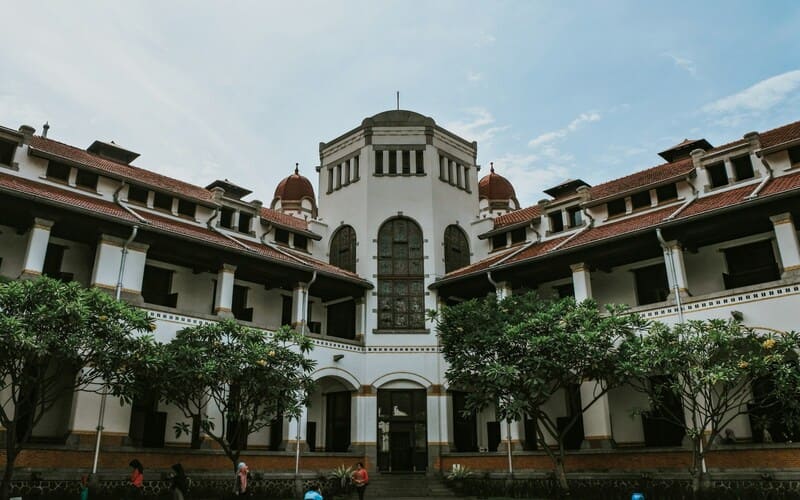
Lawang Sewu: A colonial-era building that once served as the headquarters of the Dutch East Indies Railway Company. During World War II, it was used as a prison by Japanese forces. Today, it functions as a historical site and railway museum.
Masjid Agung Jawa Tengah: One of the largest mosques in Central Java Province, its distinctive architecture blends Javanese, Roman, and Arabic elements. Inside the mosque, nine massive retractable umbrella-shaped structures create a spectacular sight. Visitors can climb the mosque’s minaret for panoramic views of the entire city of Semarang.
Where to Stay
We recommend staying in Semarang’s Old Town, where you’ll find numerous boutique hotels and guesthouses offering a deeper immersion in history and culture. Alternatively, consider the Jl. Simpang Lima area, a bustling hub for locals and tourists alike, features shopping malls, restaurants, and hotels.
Medan
Medan is the capital of North Sumatra Province in Indonesia and the largest city on the island of Sumatra. As Indonesia’s third-largest city, Medan serves as Sumatra’s commercial and transportation hub. This city blends diverse ethnic groups, including Malay, Chinese, Javanese, and Indian, and you can observe its multicultural heritage in its unique architectural styles, cuisine, and religious customs.
Best Time to Visit
The best time to visit Medan is during the dry season from June to September, when the weather is less humid and more comfortable.
Things to Do
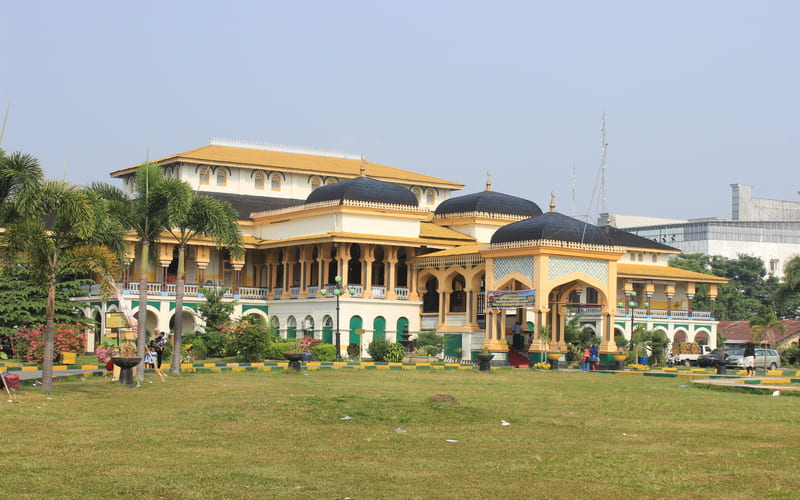
Istana Maimun: This magnificent sultanate palace, built in 1888, stands as a landmark of Medan. Its architectural style blends Malay, Indian, Spanish, and Italian influences, with striking golden facades and distinctive arched designs. Visitors can explore the palace to view the sultan’s personal belongings, throne, and historical artifacts.
Masjid Raya Al-Mashun: Built in 1906, this mosque stands as one of Medan’s most magnificent and oldest structures. It blends architectural styles from Morocco, India, the Middle East, and Europe, featuring lavish interior decorations and soaring domes. This mosque symbolizes Medan’s multiculturalism and religious harmony.
Mariamman Temple: Built in 1884, this Hindu temple is the oldest of its kind in Medan. Its gopuram features intricate carvings of colorful statues depicting numerous Indian deities.
Lake Toba: Located 3 hours and 30 minutes by car from Medan, it is the world’s largest volcanic lake, featuring a massive island at its center called Samosir Island.
Where to Stay
When traveling to Medan, we recommend staying in the downtown area, which is the city’s most vibrant district, featuring numerous hotels and shopping centers.
Lombok
Lombok, located near Bali, is also one of Indonesia’s popular vacation destinations. Compared to Bali, Lombok’s tourism development began relatively later, allowing it to preserve more pristine natural landscapes and a tranquil atmosphere. Here, you’ll find not only majestic volcanoes and vast rice fields but also beautiful white sand beaches and crystal clear waters, making it a paradise for beach lovers, surfers, and hiking enthusiasts.
Best Time to Visit
The best time to visit Lombok is during the dry season from April to September. This period is ideal for beach activities, surfing, and hiking. July and August, in particular, offer the best surfing conditions.
Things to Do
Mount Rinjani: Lombok’s most famous landmark and Indonesia’s second-highest volcano, where visitors can admire spectacular volcanic lakes and waterfalls.
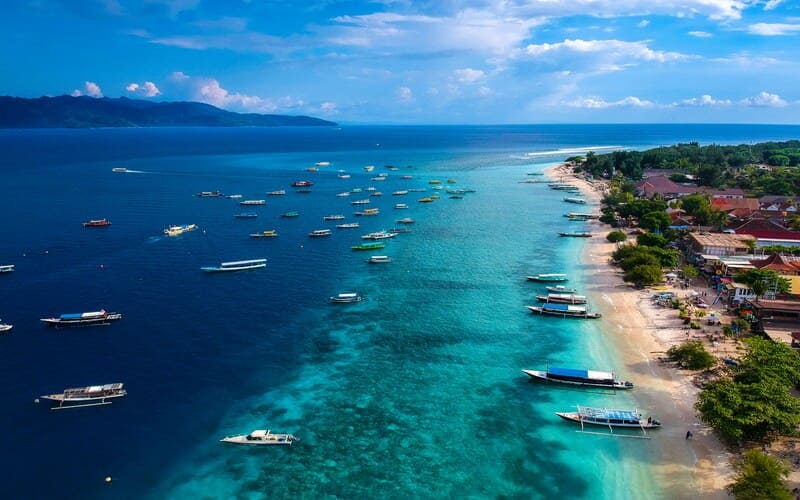
Gili Islands: This archipelago consists of three small islands, Gili Trawangan, Gili Meno, and Gili Air. It boasts crystal clear waters, stunning coral reefs, and abundant marine life. With no motorized vehicles on the islands, only horse-drawn carts and bicycles are available, creating a remarkably tranquil atmosphere.
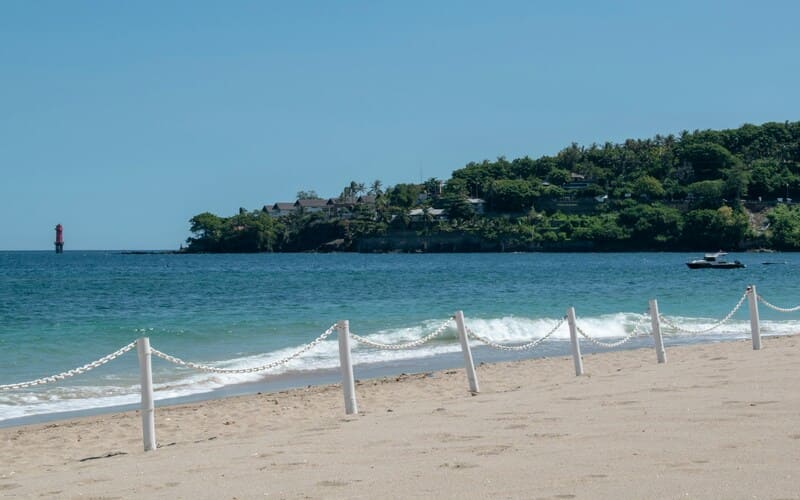
Senggigi Beach: The main tourist hub on Bali’s west coast, featuring beautiful beaches, resorts, and restaurants. It’s an excellent spot for watching spectacular sunsets.
Malimbu Hill: Located about a 20-minute drive from Senggigi Beach, this renowned viewpoint offers sweeping ocean vistas and panoramic hill landscapes.
Where to Stay
If it’s your first time visiting Lombok, Senggigi is the best area to stay. As the main resort zone, it offers relatively complete facilities and greater convenience. For snorkeling, swimming, and more water activities, the Gili Islands are recommended. If surfing is your primary goal, Kuta boasts numerous beaches and surf spots, making it an ideal base.
FAQ
What happened in Bali recently?
As of September 2025, Bali has been severely affected by flooding and landslides following days of torrential rain. This is considered one of the worst floods the island has experienced in decades. The provincial capital, Denpasar, and other districts like Gianyar, Jembrana, and Tabanan have been badly hit. Rivers have overflowed, roads are blocked, and some areas have experienced power outages and contaminated water supplies.
Is Bali expecting a tsunami?
There is currently no immediate tsunami warning or threat for Bali. However, Bali is located within the seismically active region known as the “Ring of Fire,” meaning there is always a potential risk of earthquakes and tsunamis.
Is $1000 enough for a week in Bali?
Yes, $1,000 is sufficient. Bali’s goods and services are affordable, allowing you to enjoy a great travel experience on a smaller budget. With $1,000, you can stay in decent accommodations, eat well, and partake in various activities.






There are no comments.