
From the soaring granite cliffs of Yosemite to the rugged wilderness of the Grand Canyon, these National Parks have some of the most unique natural landscapes on Earth, and these belong to everyone. But when headlines began reporting on the government shutdown, the first question on every traveler’s mind was: Are the National Parks closed?
This question is crucial for travelers planning upcoming trips, but unfortunately, as of mid-October 2025, the answer remains uncertain. Reduced services, understaffing, and widespread chaos across the entire National Park system. What does this political stalemate mean for your travel plans? Let’s share the latest updates and what you need to know about the current state of National Parks.
Table of Contents
Latest Updates on the Government Shutdown
Which National Parks Are Closing
- Yosemite National Park
- Carlsbad Caverns National Park
- Great Basin National Park
- White Sands National Park
- Crater Lake National Park
Other National Parks You Can Still Visit
Tips for Visiting National Parks During a Shutdown
Latest Updates on the Government Shutdown
As of now, the government shutdown has entered its third week with no clear end in sight. This has resulted in thousands of federal employees being furloughed, leaving many public services in limbo. Furthermore, the shutdown has stalled efforts to pass essential funding bills, leaving federal agencies, including the National Park Service (NPS), without the necessary operating budgets.
How Does a Gov Shutdown Affect National Parks?
When the government shut down, over 9,000 National Park Service (NPS) employees were furloughed. This forced the agency to operate with only essential personnel, primarily limited to law enforcement officers and emergency responders.
This means that while most park roads, overlooks, and trails remain open, standard visitor services will be reduced or even canceled. For example, visitor centers will be locked, ranger-led programs will be canceled, and routine maintenance will cease. Moreover, most of the National Parks are free to enter, with no admission fees required.
Which National Parks Are Closing
At present, no National Parks are completely closed, but key facilities at multiple parks have been shut down or suspended. Before you depart, please review this essential list.
Yosemite National Park
Yosemite National Park remains one of America’s most popular destinations, with its gates, roads, most lodging facilities, and free shuttle services still operational.
What’s closed
- The park has suspended its timed entry reservation system, making crowd management impossible.
- The park is experiencing severe delays in releasing campground reservations for multiple locations, including Upper Pine, Lower Pine, and North Pine, leaving countless travelers without a place to stay.
- Visitors can currently enter the park without paying an entrance fee, but staffing levels have been drastically reduced, ranger interpretation programs have been suspended, and visitor centers have closed.

Carlsbad Caverns National Park
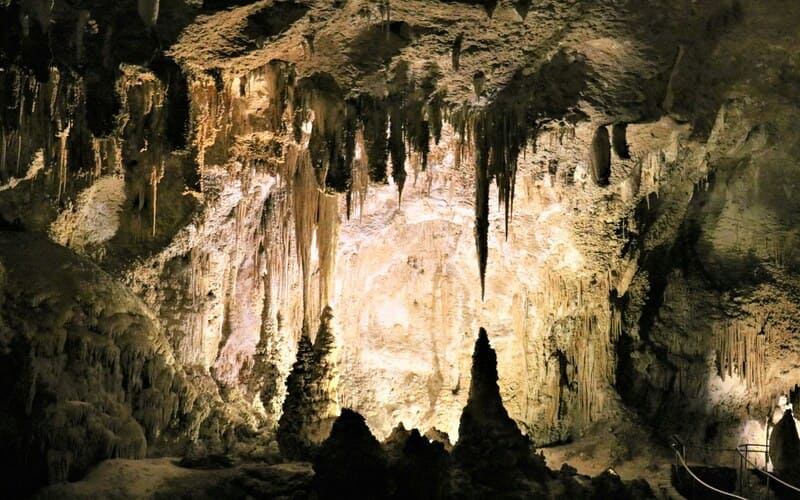
Carlsbad Caverns National Park is located in southern New Mexico and features a spectacular underground cave system. Currently, you can hike into the park from White City.
What’s closed
- All cave entrances, ranger-led tours, and Evening Bat Flight Programs have been completely canceled.
- All roads and visitor centers within the park are also closed.
Great Basin National Park
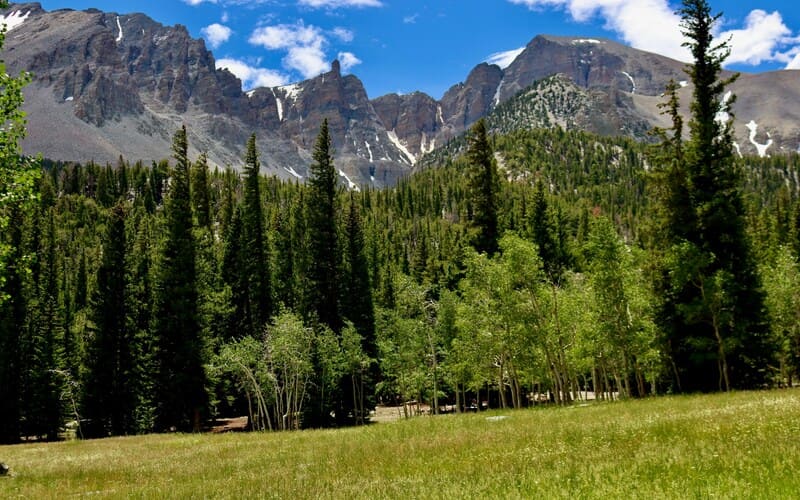
Great Basin National Park is located in eastern Nevada. The park’s Wheeler Peak, standing at approximately 4,000 meters above sea level, is the second-highest in Nevada. It also features ancient bristlecone pine forests and serves as an exceptional location for stargazing. Most park roads and trails are open, including Wheeler Peak Scenic Drive up to Mather Overlook.
What’s closed
- The park’s most famous attraction, Lehman Cave, is facing a long-term closure. The project will begin on October 20, 2025, to undertake necessary electrical replacement work.
- Additionally, the Visitor Center and Astronomy Programs have also closed.
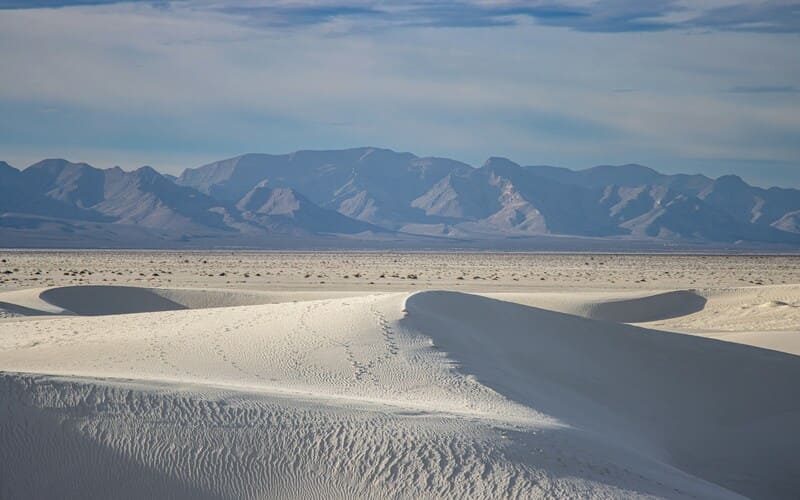
White Sands National Park
White Sands National Park, located in southern New Mexico, is the world’s largest protected area of gypsum sand dunes, renowned for its vast expanse of white gypsum dunes. The park is currently partially open, with the Playa Trail and Dune Life Nature Trail accessible to visitors.
What’s closed
- Some areas have limited opening hours. The Backcountry Camping Loop, Interdune Boardwalk, and Alkali Flat Trail will remain closed. And the Sunset Stroll evening guided tour has been canceled.
Crater Lake National Park
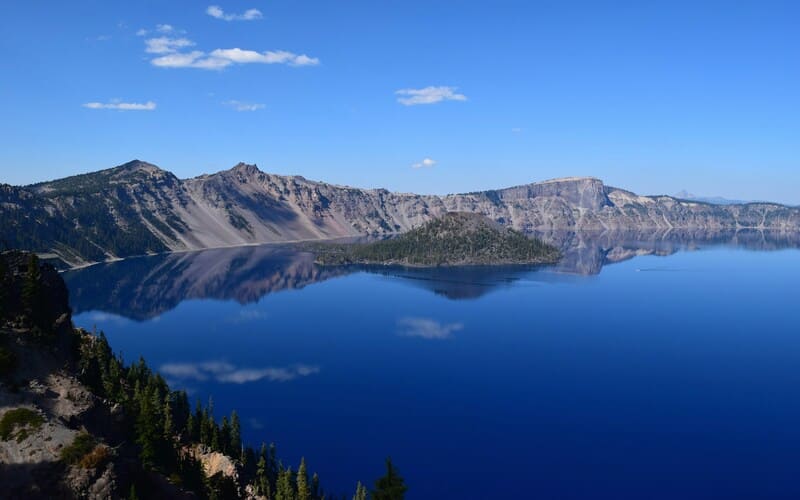
Crater Lake National Park, located in Oregon, is one of the oldest national parks in the United States. Crater Lake within the park is also the deepest lake in the country. Currently, the park’s gift shop and lodging facilities are open, and both the Rim Drive and Cleetwood Cove Trail are accessible.
What’s closed
- The Visitor Center, and North Entrance Road, East Rim Drive, and West Rim Drive are all closed.
Other National Parks You Can Still Visit
Despite the widespread impact of the shutdown, many National Parks remain open to visitors. Notably, those National Parks located in Utah are funded by the state government and thus operate with minimal disruption from the federal government shutdown.
Arches National Park
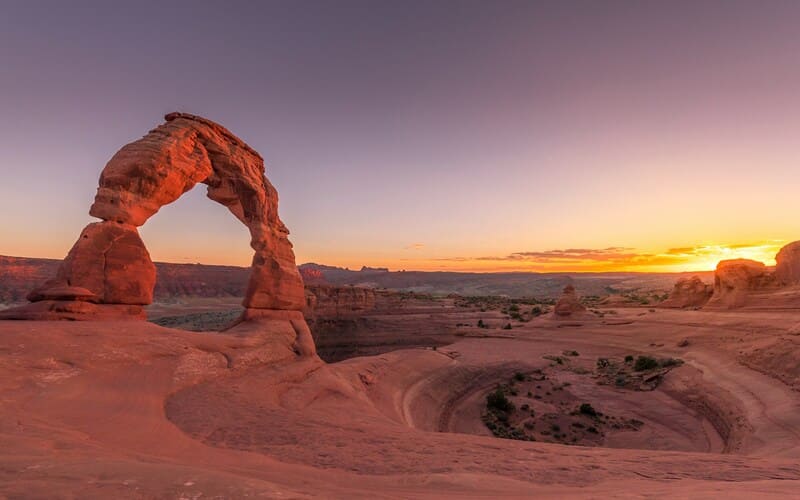
Arches National Park, located near Moab, Utah, features over two thousand natural stone arches. The red sandstone displays striking light and shadow patterns under the sun. Delicate Arch, the most famous freestanding arch, stands as a symbol of Utah. Landscape Arch ranks among the world’s longest natural arches. For hiking enthusiasts, the Devil’s Garden Trail is the most popular choice.
Best Time to Visit: April to May and September to October offer pleasant temperatures, fewer tourists, and allow you to avoid the summer heat.
Bryce Canyon National Park
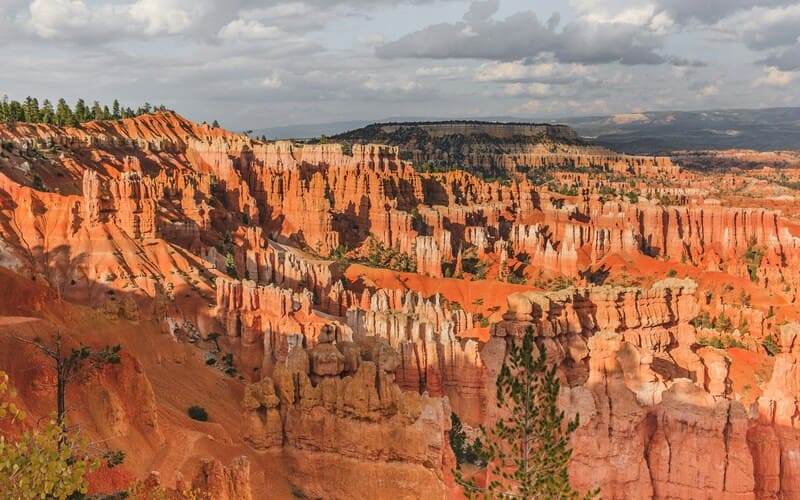
Bryce Canyon National Park is located in southern Utah and is renowned for its unique hoodoo formations. These rock formations display a stunning array of colors that shift dramatically under different sunlight conditions. For first-time visitors, be sure to explore Bryce Amphitheater, the heart of the canyon, which offers multiple viewing points.
The Navajo Loop Trail or Queen’s Garden Trail are popular hiking routes within the park, and winter offers the chance to experience snowy landscapes on these trails.
Best Time to Visit: From mid-May to early October, the weather is pleasant and facilities are open.
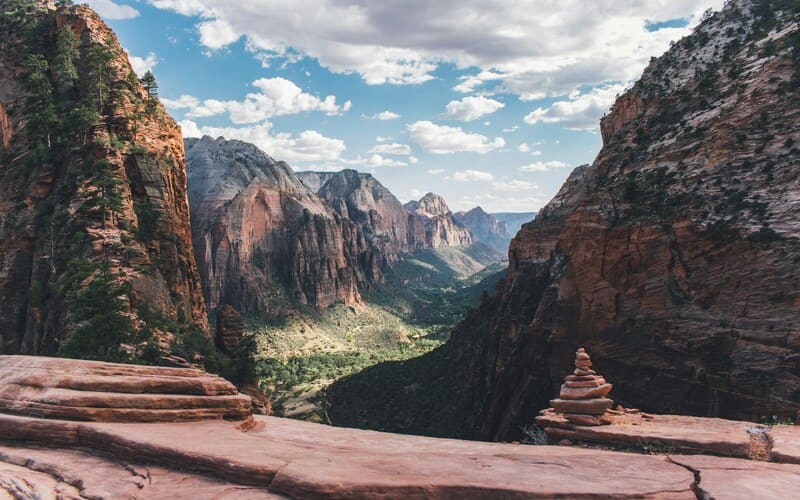
Zion National Park
Zion National Park also located in southern Utah, this area boasts not only canyons but also rock formations and river valley landscapes. For experienced hikers, Angels Landing offers the most thrilling cliff-edge trail with breathtaking aerial views. Or head to The Narrows for a water hike, feeling the river’s force as you wade through the rapids.
For families, the Zion Canyon Scenic Drive provides an easy yet scenic drive option.
Best Time to Visit: From April to November, the climate is more favorable for sightseeing and hiking, and this is also when the park shuttle bus system operates.
Yellowstone National Park
Although it lacks the state funding that keeps Utah’s Mighty 5 parks operating normally, Yellowstone remains open for visitors to enter and explore, with free admission currently available. However, due to staffing shortages, maintenance and cleaning of some facilities may be delayed.
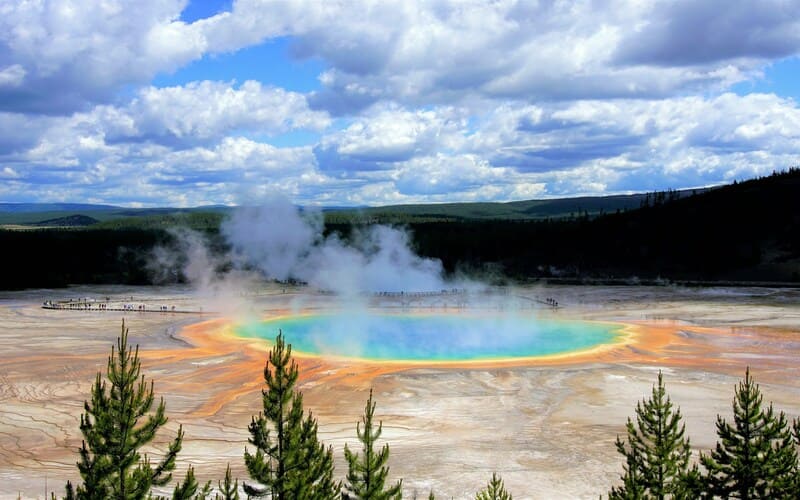
Yellowstone National Park, located at the junction of Wyoming, Montana, and Idaho, is the world’s first national park. It boasts abundant geothermal features and wildlife.
Old Faithful is a must-see geyser in Yellowstone National Park, erupting every 90 minutes. Head to the iconic Grand Prismatic Spring, a massive rainbow colored hot spring. Wildlife viewing is also a great activity, offering chances to spot bison, gray wolves, and elk.
Best Time to Visit: May through September is the ideal time to visit, when the weather is mild and most facilities and roads are open. However, this is also the peak tourist season. For fewer crowds, consider traveling in April or October, though some roads and facilities may be closed.
Grand Canyon National Park
During the government shutdown, Grand Canyon National Park remains open, though visitor centers at the South Rim are closed. The park has also suspended entrance fees, allowing free admission at this time.
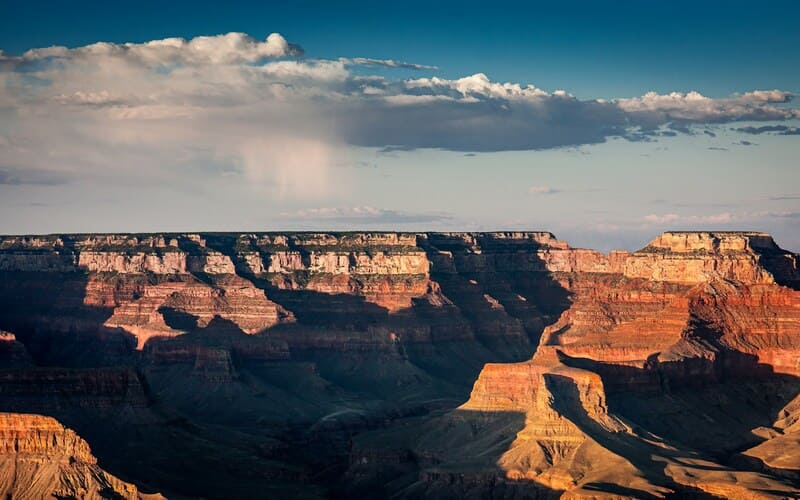
Grand Canyon National Park, located in northern Arizona, is one of the Seven Natural Wonders of the World. The canyon within the park plunges over 1,800 meters deep, attracting vast numbers of visitors each year for hiking, rafting, and sightseeing.
The South Rim and North Rim of the Grand Canyon offer distinct landscapes. Mather Point on the South Rim provides expansive overlooks, while Bright Angel Point on the North Rim attracts fewer visitors. The Bright Angel Trail is a classic hiking route, allowing you to choose between a short hike or the full descent based on your fitness level.
Best Time to Visit: March to May and September to November offer mild temperatures in spring and fall with fewer crowds, making them ideal for hiking and sightseeing.
Tips for Visiting National Parks During a Shutdown
- Plan Ahead and Be Prepared: Research the park’s official website and check local news for road conditions. Be prepared for some facilities and services to be closed.
- Properly Dispose of Waste: Take all items you brought with you, including all trash.
- Be Considerate of Staff and Volunteers: Under the current circumstances, staff and volunteers will face greater challenges. Please be considerate of them.
- Bring Your Own Water and Food: Many facilities may be closed, so being well-prepared is your best bet.
- Plan for Safety: Stick to clearly marked trails and avoid dangerous off-road adventures, as assistance from park rangers may be limited at this time.
FAQ
Do national parks close during a government shutdown?
Not entirely. Most National Parks remain partially open during government shutdowns, but visitor centers, restrooms, and maintenance services are closed or limited, and safety support for park staff may be reduced.
What happens to national parks during government shutdown?
Most employees at the National Park Service are furloughed, resulting in a significant reduction of staff within National Parks. This means park roads, overlooks, and trails will remain open and accessible. However, operational services such as restroom cleaning, trash collection, and guided tours will be reduced or suspended.
Can I travel during a government shutdown?
Yes, you can absolutely travel during a government shutdown, but you’ll need to adjust your expectations. Commercial airports and air traffic control are typically unaffected, but some attractions, such as the Smithsonian Institution in Washington, D.C., close entirely during a shutdown. As well as facilities and services at some National Parks will be closed.





There are no comments.