
The northern lights, also known as the aurora borealis, are the result of charged particles from the sun colliding with gases in Earth’s upper atmosphere. But standing under a dark winter sky, watching slow waves of green or purple light move overhead, the explanation feels almost beside the point.
Seeing the northern lights is less about ticking off a landmark and more about timing, patience, and being in the right place. Latitude matters, but so do cloud cover, daylight hours, and even how far you’re willing to drive away from city lights. February sits at a sweet spot in the winter calendar – long nights, stable weather in many Arctic regions, and better travel infrastructure than the darkest months of the year.
Is February a Good Month to See the Northern Lights?
Yes. February is not just a “still possible” month for aurora viewing, but often one of the most reliable. By February, the extreme “Polar Night” (where the sun doesn’t rise at all) has ended, meaning you get a few hours of beautiful, twilight-heavy daytime to explore, followed by long, deep, and reliably dark nights.
In 2026, we are currently riding the wave of the Solar Maximum, a period in the sun’s 11-year cycle where solar activity is at its absolute peak. This means the auroras are more frequent, more intense, and can often be seen much further south than usual. However, to see them with consistency, you still want to be within the “Auroral Oval” – the high-latitude ring around the magnetic poles.
The weather in the Arctic also begins to stabilize in February. Compared with December and January, February often has fewer storms and slightly clearer skies in places like northern Norway, Finnish Lapland, and parts of Iceland. Snow conditions are usually well established, making it easier to reach remote viewing areas by road or on guided tours.
Where to See Northern Lights in February
February gives you plenty of options, but not all aurora destinations are equal. Latitude alone is not enough; infrastructure, weather patterns, and light pollution all play major roles.
Below are some of the best places to see northern lights in February.
Tromsø, Norway
February average temperature: 14°F to 26°F (-10°C to -3°C)
If there were a capital city for aurora chasers, it would be Tromsø. Often called the “Paris of the North,” this city sits right in the middle of the auroral oval, making it the best place to see northern lights in February for those who want a bit of “civilization” with their wilderness. The city itself is surprisingly lively, filled with cozy cafes and a legendary nightlife, but the real magic happens just a short drive away.
In February, Tromsø is a hub of activity. You can spend your morning dog sledding across the Lyngen Alps or visiting a Sámi reindeer camp, and by 7 PM, you’re heading out into the dark on an aurora chase. Because the city is surrounded by fjords and mountains, microclimates are everywhere; if it’s cloudy in one valley, a 30-minute drive might reveal a perfectly clear, star-studded sky. It’s this reliability and accessibility that keeps Tromsø at the top of every list.
Abisko, Sweden
February average temperature: 7°F to 14°F (-14°C to -10°C)
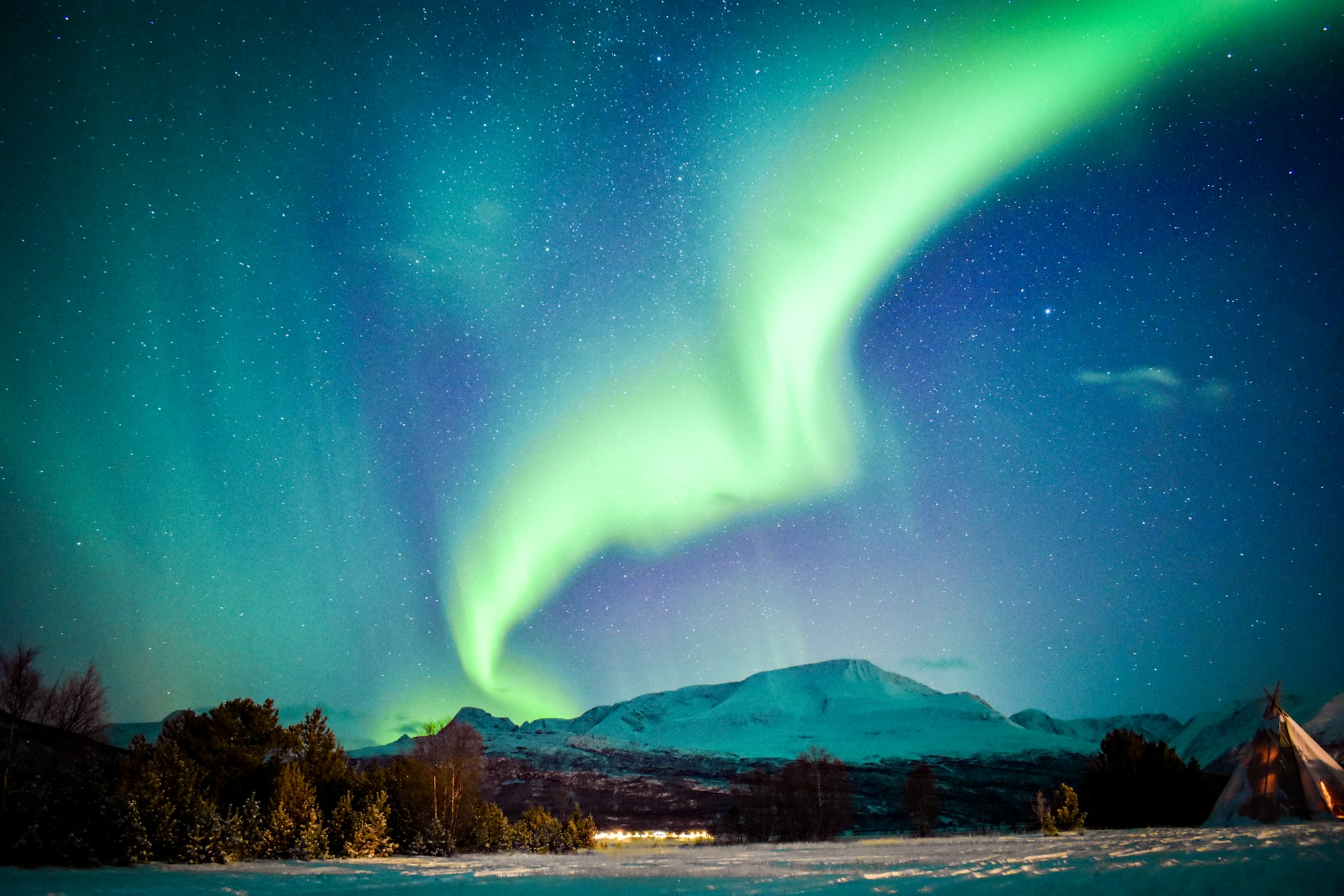
Abisko is frequently cited as one of the most reliable locations for viewing the northern lights in February. Why? Because of a unique meteorological quirk known as the “Blue Hole.” The surrounding mountains tend to trap clouds, leaving a patch of clear sky directly over Abisko National Park even when the rest of Scandinavia is overcast.
The experience here is raw and intimate. You can take a chairlift up to the Aurora Sky Station, where you’ll be served a four-course Nordic dinner before stepping out onto the deck to watch the lights dance over Lake Torneträsk. The lack of light pollution here is staggering. In February, the snow is deep and pristine, making the green glow of the aurora reflect off the ground, surrounding you in a 360-degree light show that feels almost hallucinogenic.
Fairbanks, Alaska
February average temperature: -15°F to -5°F (-26°C to -21°C)
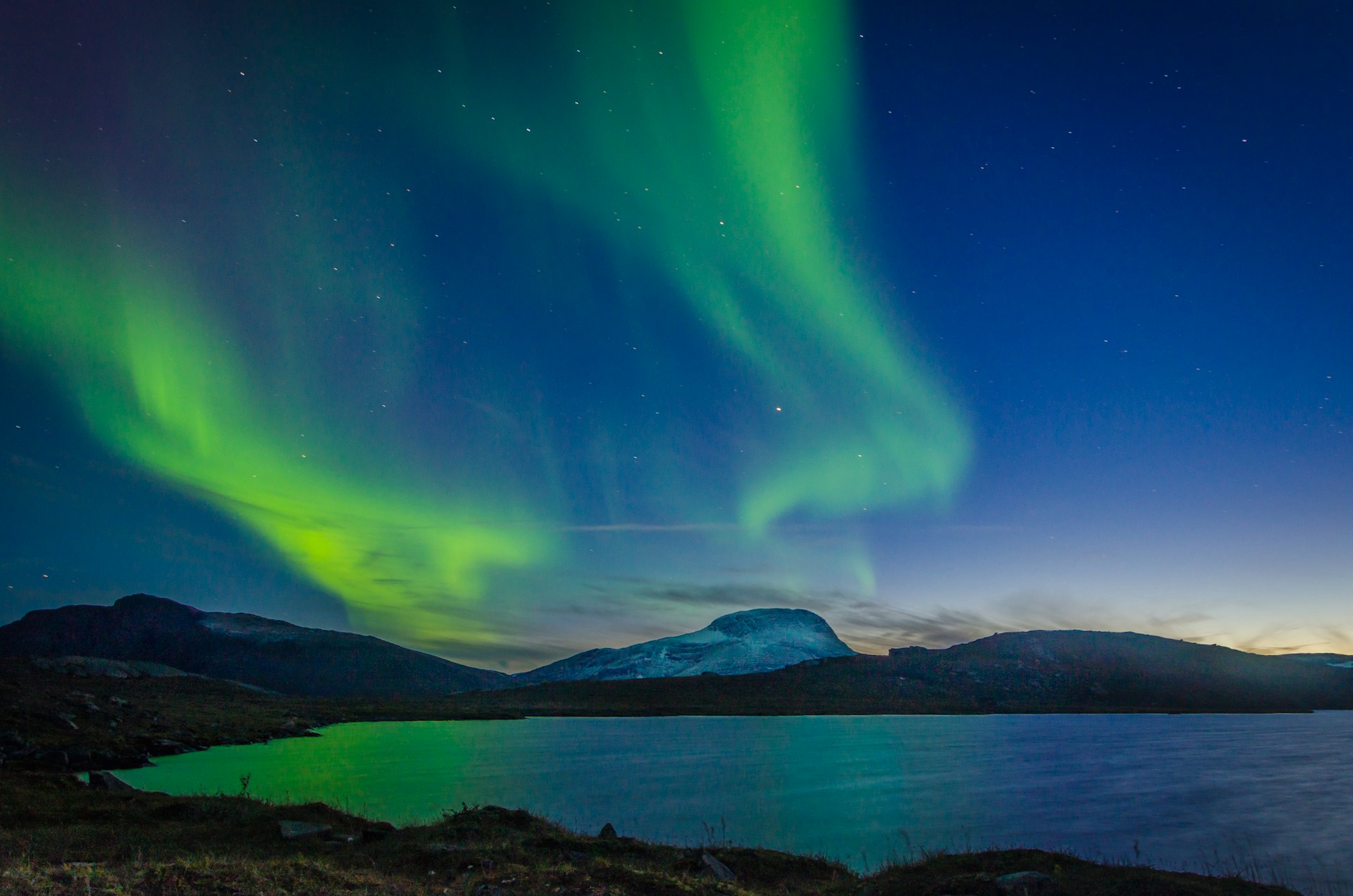
For those in North America, Fairbanks is the undisputed heavyweight champion. It’s located directly under the auroral oval, and because it’s situated inland, away from the coastal moisture, it boasts some of the clearest winter weather in the world. If you stay in Fairbanks for at least three nights and actively look, your statistical chance of seeing the lights is over 90%.
The Alaskan experience is raw and beautiful. February in Fairbanks means the World Ice Art Championships are often in full swing, where you can see massive, glowing sculptures carved from “Arctic Diamond” ice. For a truly “Alaskan” night, head to Chena Hot Springs. There is nothing quite like soaking in a 104°F natural mineral pool while the temperature of the air is -20°F and the green lights are swirling above your head. Just be prepared for your hair to freeze into white icicles – it’s a local rite of passage!
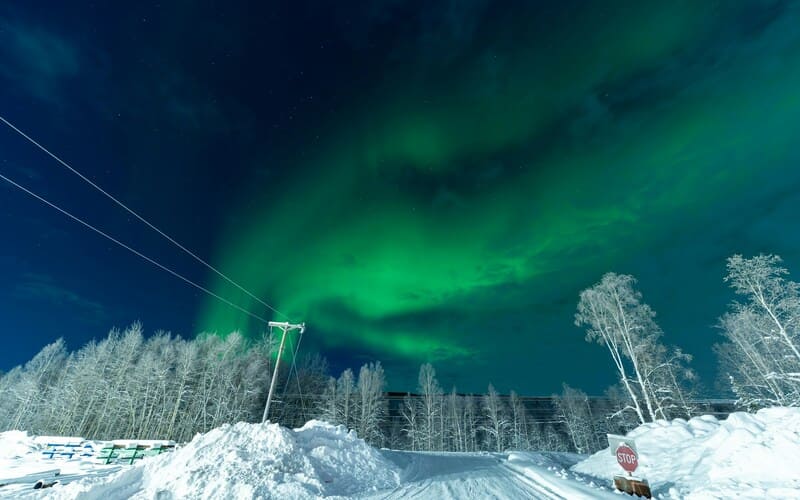
Yellowknife, Canada
February average temperature: -14°F to -4°F (-25°C to -20°C)
Yellowknife is flat, remote, and perfectly positioned under the aurora belt. Because there are no mountains to block the view, the horizon-to-horizon vistas are unparalleled. In February, the “Great Slave Lake” is frozen solid, allowing you to drive on ice roads and watch the lights from the middle of a vast, white expanse.
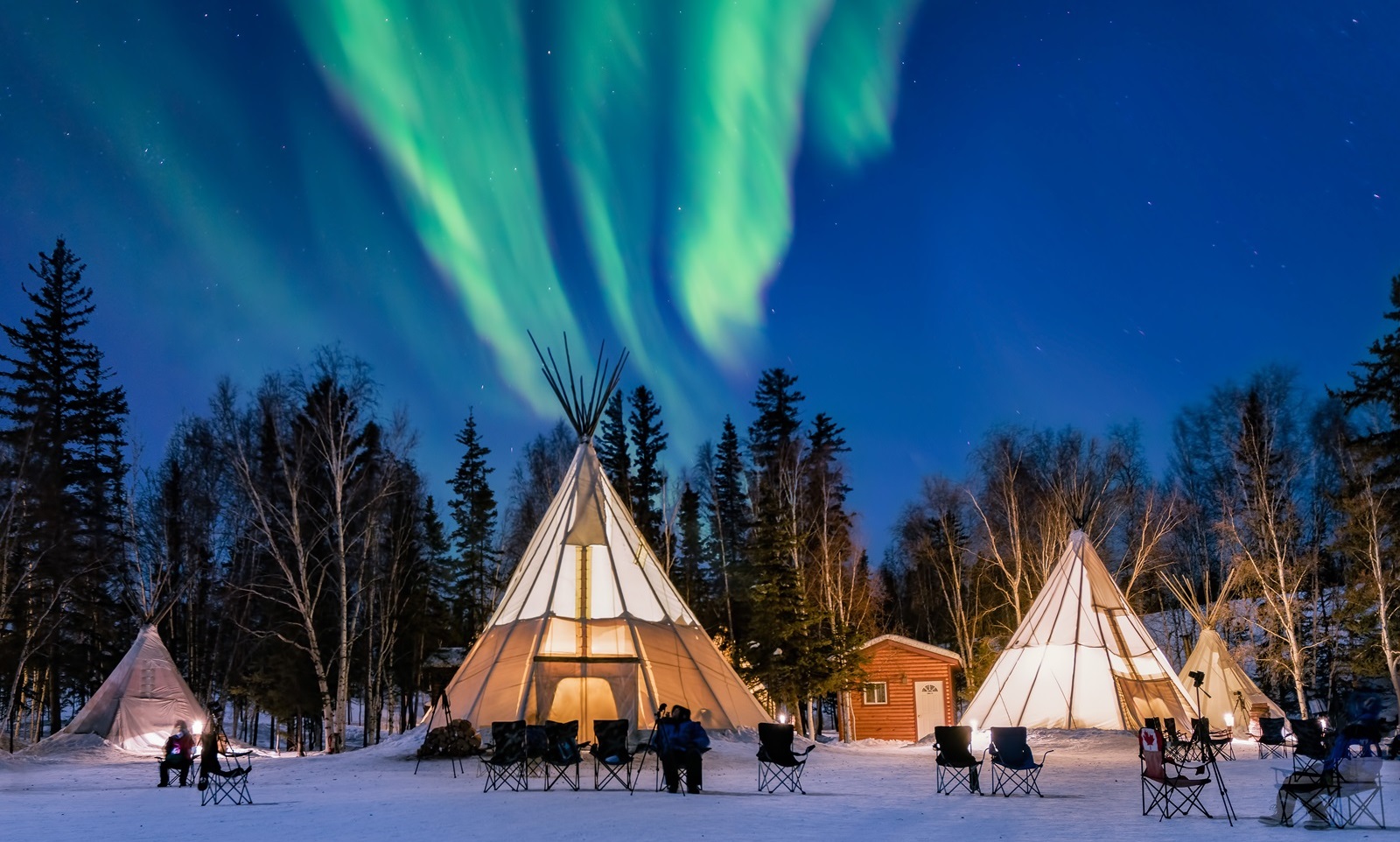
The local “Aurora Village” is a highlight here, offering heated teepees where you can stay warm between sightings. The hospitality in the Northwest Territories is legendary, and the sheer frequency of sightings – statistically over 90% for a three-night stay – makes it a very safe bet for your February trip.
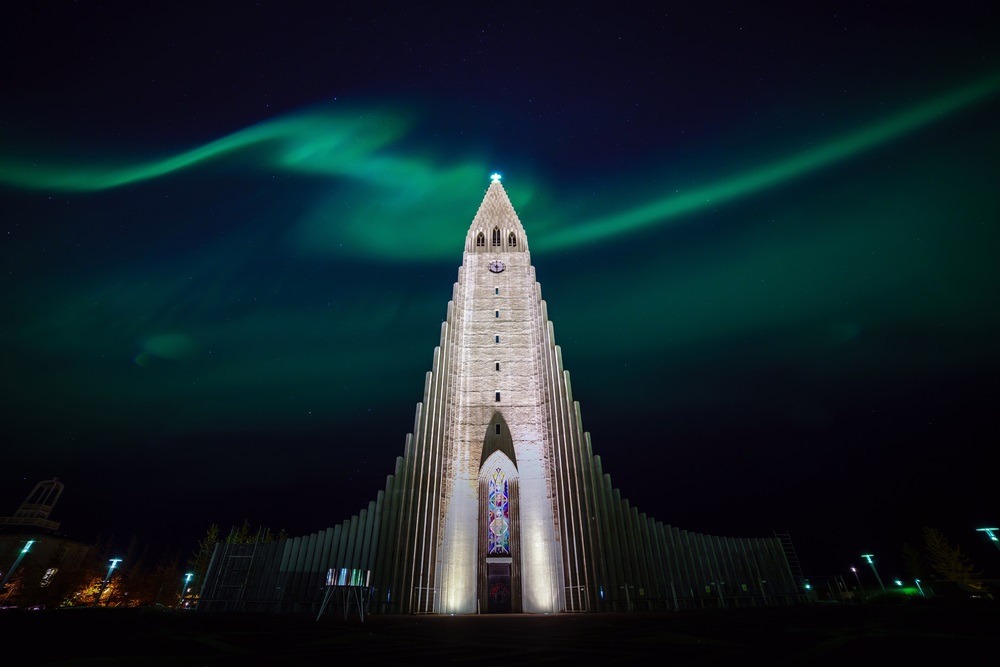
Reykjavík and beyond, Iceland
February average temperature: 28°F to 35°F (-2°C to 2°C)
Iceland is a wildcard. It is undeniably one of the most beautiful places on Earth, with black sand beaches, frozen waterfalls like Skógafoss, and the stunning Jökulsárlón Glacier Lagoon. Seeing the aurora reflected in a lagoon filled with icebergs is a visual experience that no other place can match.
However, Iceland’s weather is notoriously “moody.” In February, you might experience a blizzard, a rainstorm, and a clear sky all within the same two hours. It’s the best place for northern lights in february if you want a diverse road trip where the lights are the “cherry on top” rather than the sole focus. If the clouds don’t part, you still have volcanoes, hot springs, and tectonic plates to explore. But if the sky does clear? The combination of the aurora and Iceland’s dramatic volcanic landscape is unbeatable.
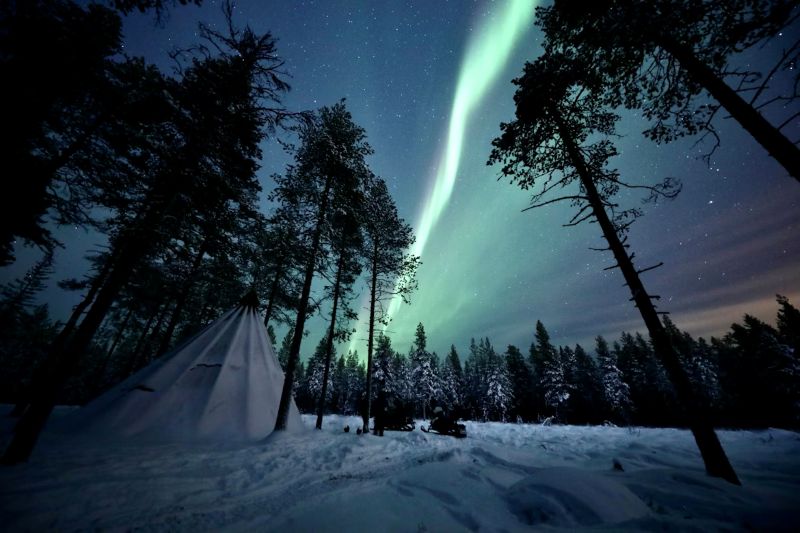
Lapland, Finland
February average temperature: -2°F to 7°F (-18°C to -14°C)
Finland has mastered the art of “comfortable chasing.” This is the home of the famous glass igloo resorts (like those in Levi or Rovaniemi). There is a specific kind of luxury in lying in a warm bed, under a heated glass dome, watching the northern lights drift by without ever having to put on a coat.
February in Finland is also peak “winter wonderland” season. You can spend your days mushing a team of huskies through snow-covered pine forests or visiting a reindeer farm to learn about Sámi culture. It’s the most “fairytale” of all the destinations. While the frequency of the lights is slightly lower in Rovaniemi than in Tromsø, moving further north to Inari or Utsjoki puts you right back in the heart of the action.
Plan Your Aurora Chasing Trip in February Smartly
Planning a trip to the Arctic isn’t like a weekend in London. It requires a bit of strategy to ensure you actually see the lights.
Follow the forecast. Use apps like “Aurora Forecast” or “My Aurora Forecast.” They track the Kp-index, which measures geomagnetic activity. A Kp of 3 or higher is usually great for most Arctic locations.
Stay longer. Don’t book a one-night trip. The weather is unpredictable. Aim for at least 3 to 5 nights to give yourself the best “statistical window.”
The New Moon is your friend. Try to time your trip during a New Moon. A bright Full Moon can wash out the colors of a faint aurora, though a strong display will still shine through.
Dress in layers. This cannot be overstated. You will be standing still in the dark for hours. Wool base layers, a down mid-layer, and a windproof outer shell are essential.
Book a tour. Even if you have a rental car, local guides know the “micro-holes” in the clouds and have radio networks to alert each other when the lights appear.
Manage expectations. Not every aurora looks like a long-exposure photo. Many displays are subtle, especially during low activity periods.
Frequently Asked Questions
Can you still see the northern lights in February?
Yes! February is actually one of the peak months for viewing the northern lights. The nights are still very long, providing plenty of darkness, and the weather in many northern regions tends to be clearer than in mid-winter.
What is the best month to see northern lights?
While the season runs from September to April, many experts consider February and March to be the best months. This is because of the “Russell-McPherron effect,” where the Earth’s magnetic field and the solar wind are more likely to align during the equinoxes, leading to more frequent displays.
Where is the best place to see the northern lights in February?
Tromsø, Norway and Fairbanks, Alaska are incredibly reliable choices. With the solar cycle nearing its peak, destinations slightly further south, like Southern Iceland or even parts of Northern Scotland, may also see spectacular displays this year.
Is it too cold to see the aurora in February?
It is definitely cold, often reaching -20°C or lower in places like Alaska or Lapland. However, the “dry cold” of the interior is often more bearable than the “wet cold” of coastal areas, provided you have the right gear. Plus, most viewing spots offer heated cabins or tents!
How many nights should I plan for aurora viewing?
A minimum of three to four nights is recommended, but five to seven nights significantly improves your chances.
Can I see the Northern Lights from a city?
Yes, if the aurora is strong (Kp 4+), you can see it even with city lights. However, for that “dancing” green and purple look you see in photos, you need to get away from light pollution. The darker the sky, the more detail you will see with your naked eye.
Will the 2026 Solar Maximum make a difference?
Absolutely. During a Solar Maximum, the sun is more active, meaning “coronal mass ejections” (solar storms) happen more frequently. This leads to more intense auroras that last longer and can be seen with more vivid colors.





There are no comments.