
If your New Year’s plan involves exploring South America, Peru is a country well worth visiting. Here you’ll find the towering peaks of the Andes and the dense canopy of the Amazon rainforest. But for those unfamiliar with Peru, the first question that often arises is: Is Peru safe to travel to?
Let’s break down the current situation so you can plan your 2026 trip with confidence.
Table of Contents
Is It Safe to Travel to Peru
Latest News from Peru
Peru Travel Advisory
Places to Avoid in Peru
Top Peru Travel Destinations
Peru Travel Tips
Is It Safe to Travel to Peru
Yes, Peru is generally a safe and tourist-friendly place. But only if you’re prepared and stick to major tourist hubs rather than wandering aimlessly.
While traveling in Peru is considered relatively safe, you’ll still encounter local issues such as petty theft, occasional strikes, and sporadic political protests. The key is knowing where to go and what to avoid.
Latest News from Peru
In Peru, the current focus remains on maintaining security in the capital.
- Starting October 22, 2025, parts of Lima and Callao entered a State of Emergency to address crime and unrest. On November 20, the State of Emergency will be extended for another 30 days.
In Peru, a “State of Emergency” is often a tool the government uses to give police extra powers to crack down on local crime in specific neighborhoods. It rarely affects the tourist zones like Miraflores or Barranco, but it does mean you’ll see more officers on the street, which can actually feel quite reassuring.
Peru Travel Advisory
Before deciding to travel to Peru, it is always wise to check your home country’s travel advisory for Peru. Currently, most countries classify Peru as Level 2, which means Exercise Increased Caution. Here is a quick look at the Peru travel advisory updates from around the world.
United States: The U.S. State Department usually keeps Peru at Level 2. Their main concerns are petty crime in big cities and civil unrest. They are very clear about staying away from the “VRAEM” region, the Valley of the Apurímac, Ene, and Mantaro Rivers, and the border with Colombia due to drug trafficking.
United Kingdom: Advise travelers to avoid any large gatherings and to keep an eye on local media. If a protest breaks out in Lima or Cusco, it can sometimes lead to road closures or train delays.
Australia: The Australian government has issued a High Degree of Caution advisory, emphasizing the risk of violent crimes such as robbery, particularly in sparsely populated areas or late at night. Travelers should also exercise caution regarding “spiritual” tourism activities like Ayahuasca ceremonies, as these unregulated practices pose significant dangers.
Canada: Canada has labeled Peru as requiring a high degree of caution, particularly regarding political and social unrest, as well as crime risks.
France: The French authorities often mention the risk of theft on public transport and the importance of only using authorized taxi apps. Like the others, they warn against traveling to the remote border regions.
🚫Places to Avoid in Peru
Certain areas should be avoided or approached with extreme caution when traveling due to risks related to safety, crime, or natural disasters. Below are some regions in Peru that require avoidance or careful consideration:
- Certain areas of Lima: specific neighborhoods within the Historic Center, as well as some shantytowns (such as San Juan de Lurigancho, Comas, etc.). Street crimes are relatively common in these areas, including robbery, theft, and fraud.
- Amazon rainforest region: Infrastructure is inadequate, natural disasters occur frequently, and sanitary conditions are poor, posing risks of infectious diseases.
- Border regions: Particularly in areas bordering Bolivia and Chile, there have been instances of drug trafficking and armed conflict.
Top Peru Travel Destinations
As the third-largest country in South America, Peru certainly has many favorite and safe destinations. And the atmosphere varies from place to place. Let’s explore the most popular Peru travel spots and the unique experiences they offer visitors.
Lima
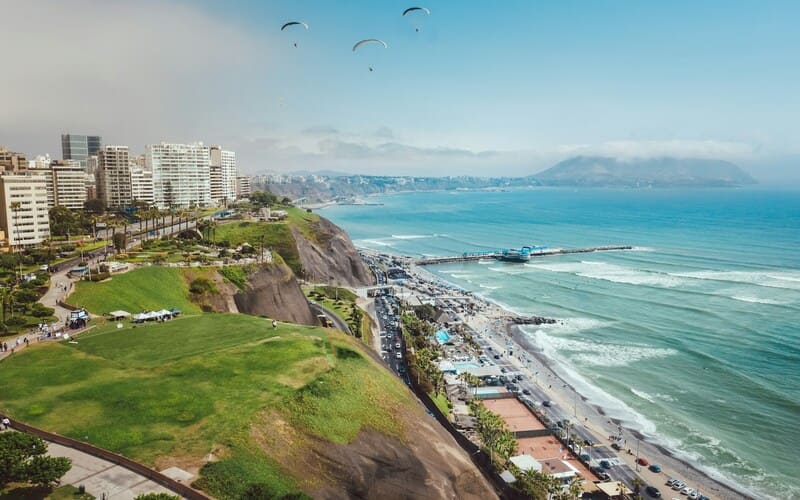
Lima is the capital and largest city of Peru, situated along the coastline and offering abundant natural scenery. It also boasts numerous historical buildings, particularly those from the Spanish colonial era, including museums, theaters, and art galleries.
Best Places to Visit
The Larco Museum is a must-visit museum in Lima, offering an in-depth exploration of pre-Columbian history. Also in the Centro Histórico is the Catedral de Lima, one of Peru’s most important churches, decorated with lavish interior ornamentation.
For couples visiting, don’t forget the romantic Puente de los Suspiros. Legend has it that if lovers embrace and cross the bridge while making a wish, they will enjoy lifelong happiness.
For cultural sites, Huaca Pucllana in the city center is an important part of Lima’s cultural heritage. This massive earthen pyramid once served as a significant religious center.
How to Get Around
As Peru’s capital, Lima offers relatively diverse and convenient public transportation:
Microbuses are the most common mode, especially along major city roads.
The Lima Metro is the newest option, with Lines 1 and 2 currently operational. The subway system is relatively modern, clean, and punctual.
Taxis are also common in Lima, but due to the lack of meters, negotiating fares is crucial. They are not recommended for tourists.
Recommended Accommodation Areas
Miraflores is an excellent choice, boasting the finest hotels and restaurants, with ample police and security personnel ensuring a high level of safety. Next is the Barranco district, conveniently located near the main square and offering numerous cafes.
Tours4fun Recommended Products
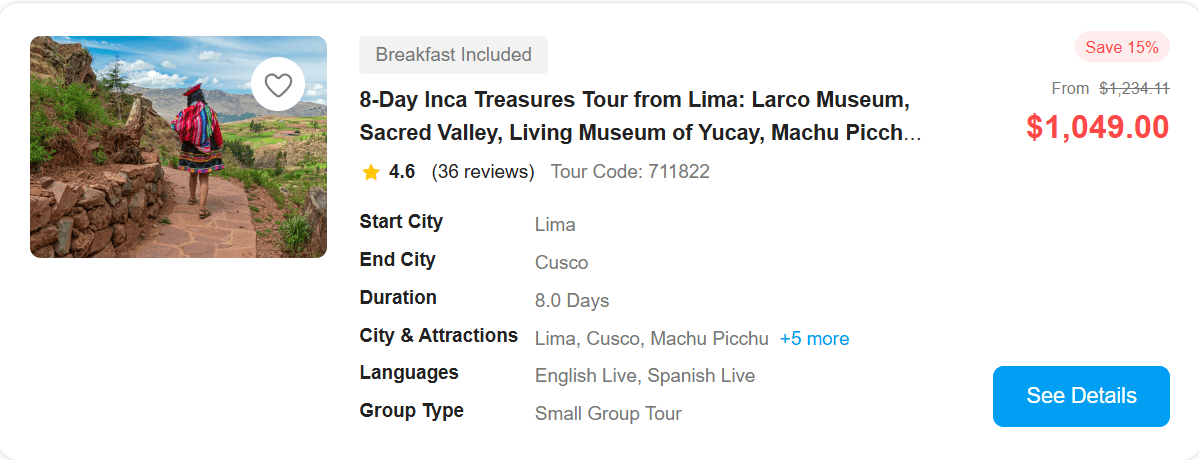
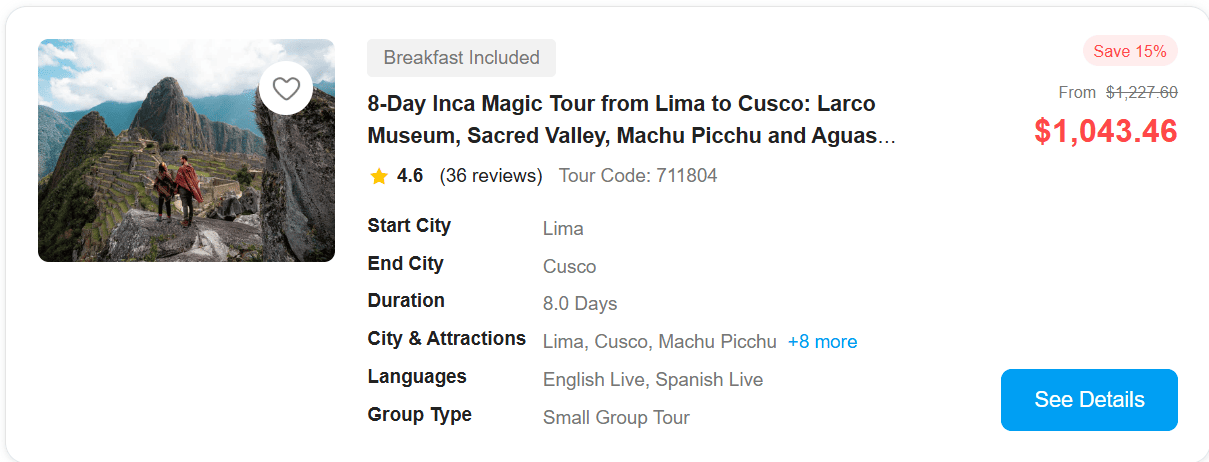
Machu Picchu
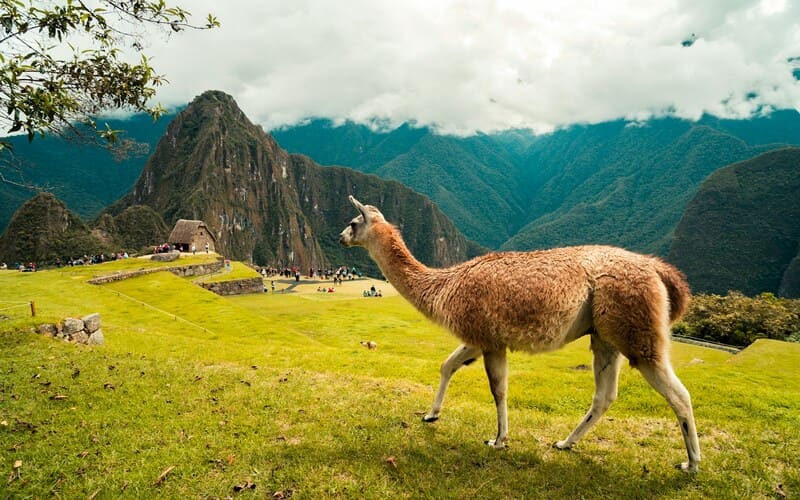
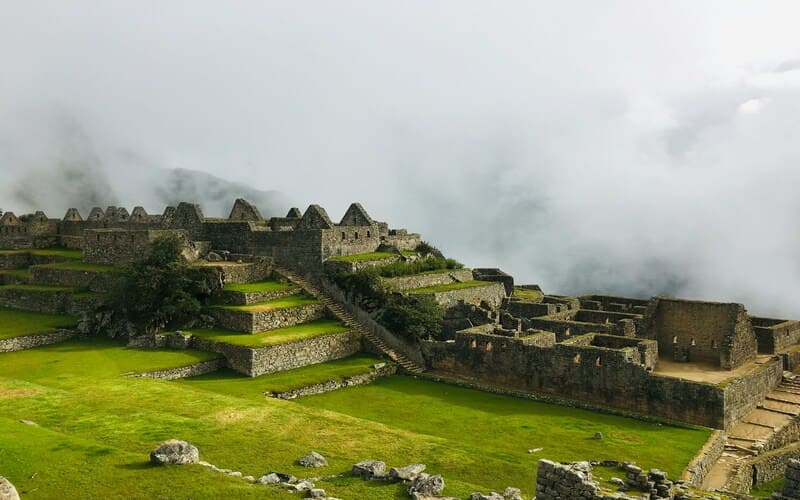
Machu Picchu, nestled in Peru’s Andes Mountains, is a world-renowned ancient Inca city ruin. As one of Peru’s most famous tourist attractions, it draws visitors from around the globe each year. Here, you needn’t worry about safety concerns, as security measures are exceptionally robust.
Best Places to Visit
Machu Picchu itself is a vast archaeological site with numerous areas to explore. The classic view of the ruins is best captured from the Guardhouse, where you can see the entire citadel spread out below. For those with a permit and plenty of energy, climbing Huayna Picchu offers a spectacular bird’s-eye view of the ruins and the surrounding Urubamba River.
The Inti Punku is another essential spot, traditionally the final point on the Inca Trail, where hikers get their first glimpse of the city. Within the ruins themselves, the Temple of the Condor showcases the Incas’ incredible ability to blend natural rock formations into their sacred architecture.
How to Get Around
Typically, the journey begins with a scenic train ride from Cusco or Ollantaytambo to the town of Aguas Calientes. From the town, a dedicated shuttle bus fleet runs a zig-zag route up the mountain to the entrance every few minutes. Walking up the mountain path is an option for the very fit, but most tourists find the bus to be the most practical choice.
Recommended Accommodation Areas
Aguas Calientes is the primary base for visitors, offering a wide range of hotels and restaurants centered around the train station. It is a safe, pedestrian-only town that exists almost entirely for tourism. For a luxury experience, the Sanctuary Lodge is the only hotel located right at the entrance to the ruins, offering unparalleled access and safety.
Tours4fun Recommended Products
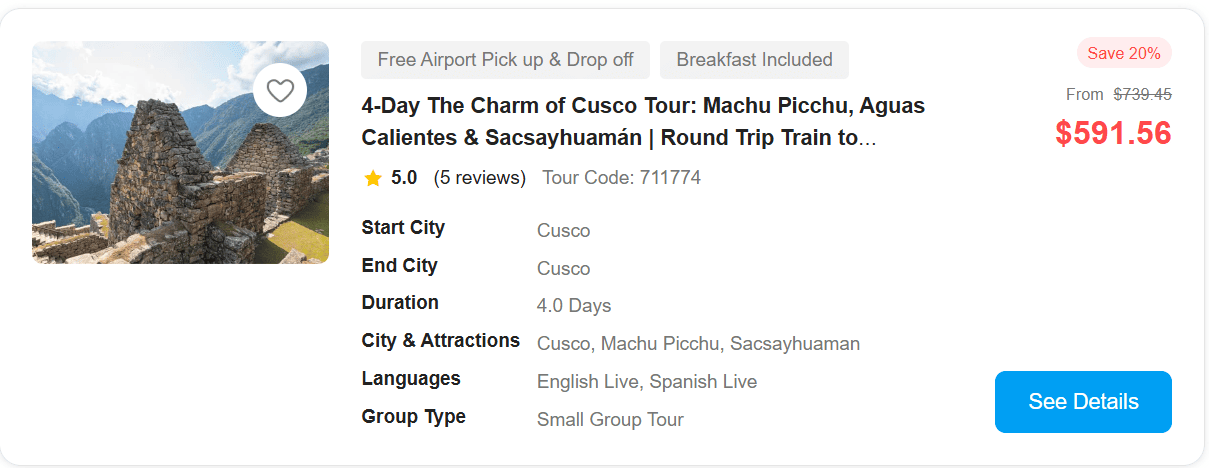
Cusco
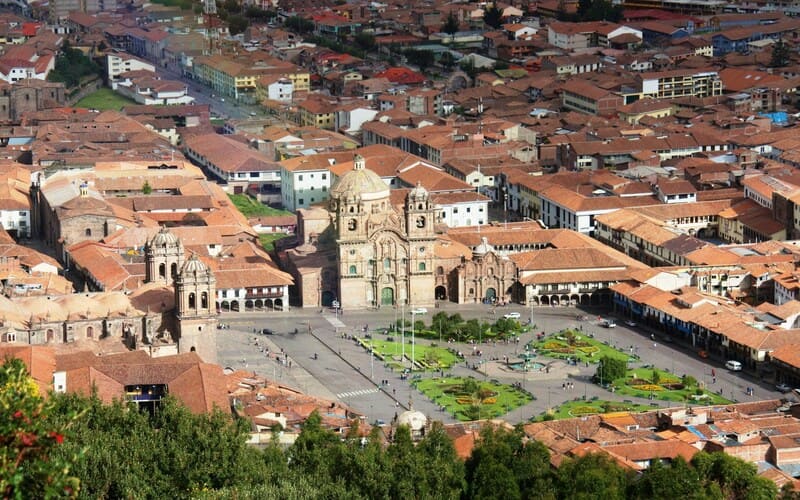
Cusco, the historic capital of the Inca Empire and a vibrant hub in the Andes region, often serves as the starting point for journeys to Machu Picchu. Consequently, it blends Spanish and Inca architectural styles, creating a distinctive urban landscape.
Best Places to Visit
The Plaza de Armas is the bustling heart of the city, surrounded by colonial arcades and the majestic Cusco Cathedral. For a true local experience, the San Pedro Market offers a sensory overload of Andean produce, textiles, and traditional snacks. History buffs should not miss Qorikancha, also known as the Temple of the Sun, which was the most important temple in the Inca Empire. For those who enjoy a bit of mystery, the Twelve-Angled Stone on Hatunrumiyoc Street is a masterpiece of ancient masonry that remains a symbol of the city’s enduring strength.
How to Get Around
The historic center of Cusco is easily explored on foot, and taxis are plentiful here, but for first-time visitors, apps like Uber are recommended. For a leisurely exploration of the city, shared bicycles and electric scooters are both excellent options.
Recommended Accommodation Areas
The Historic Center is the most convenient area, keeping you within walking distance of major sights and well-lit plazas. For a more artistic and quiet vibe, the San Blas neighborhood is highly recommended, known for its boutique hotels and artisan workshops, though it requires a bit of an uphill walk from the main square.
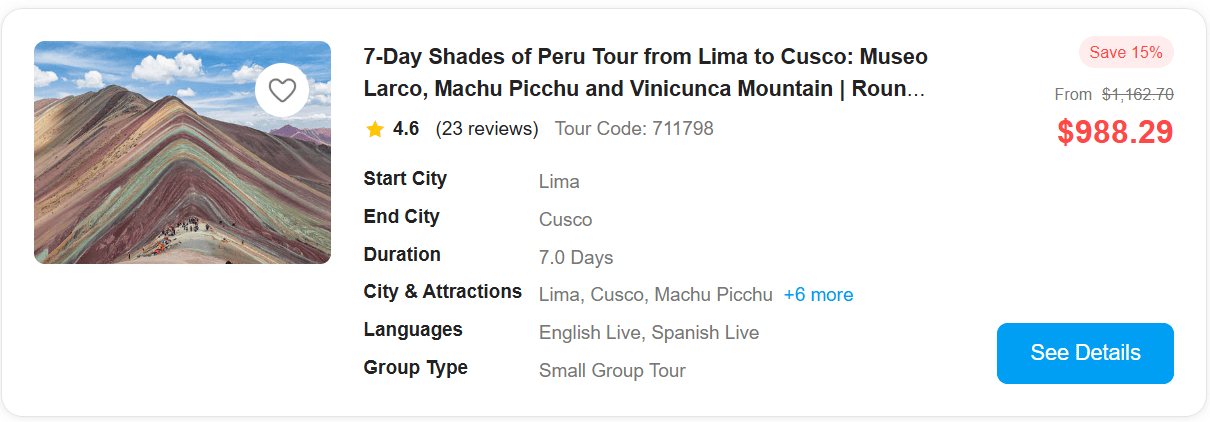
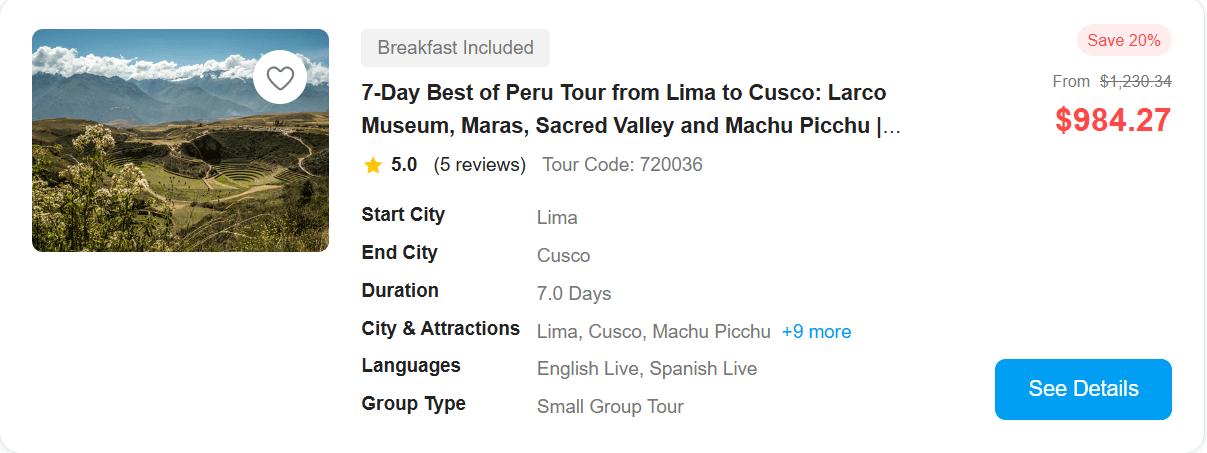
Tours4fun Recommended Products
Iquitos
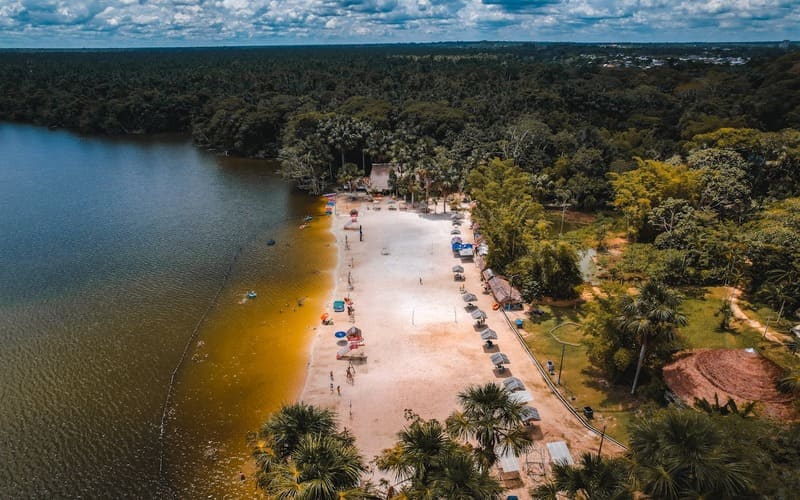
Iquitos, located in northern Peru, is the world’s only major city inaccessible by road to other cities. It serves as the primary hub of the Amazon region and the gateway to the Amazon rainforest, brimming with tropical charm.
Best Places to Visit
The Belen Market is a floating district where you can find everything from exotic jungle fruits to traditional medicines (best visited with a guide). To see the region’s unique wildlife up close, the Manatee Rescue Center is a heartwarming stop where injured aquatic mammals are rehabilitated. A boat trip to Monkey Island provides a chance to interact with rescued primates in a natural setting.
How to Get Around
The most iconic and common way to get around the city is by Mototaxi, which are loud, fun, and very affordable. For exploring the surrounding jungle and reaching remote communities, Peque-peques are the standard mode of water transport. Larger motorized boats and ferries are used for longer journeys deep into the Amazon basin.
Recommended Accommodation Areas
Staying near the Riverfront is the best choice for tourists, as it is close to the best restaurants and museums. However, most visitors spend only one night in the city before moving to Jungle Eco-Lodges located several hours downriver, which offer secure, all-inclusive packages within the rainforest.
Tours4fun Recommended Products

Puerto Maldonado
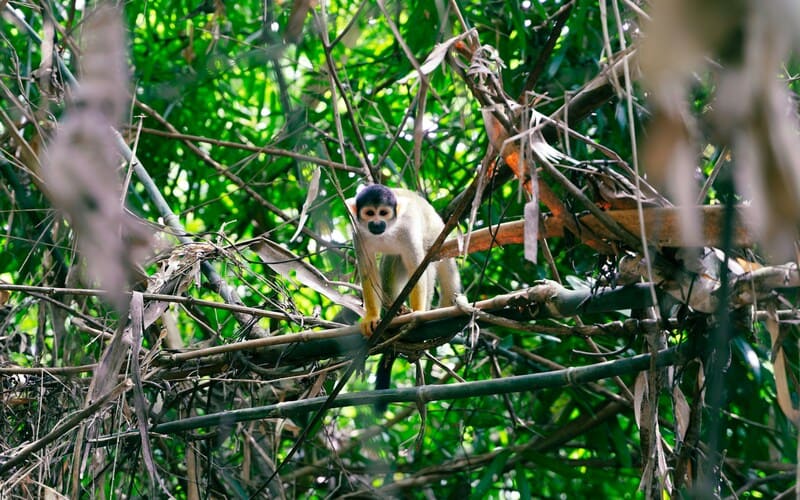
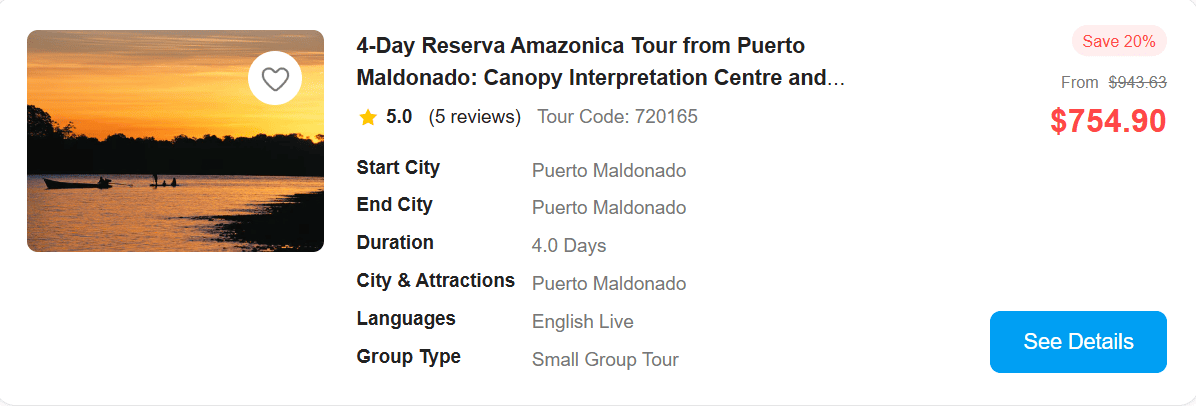
Located in southeastern Peru near the borders of Bolivia and Brazil, Puerto Maldonado is the gateway to some of the most biodiverse regions on Earth. It serves as the entry point for the Tambopata National Reserve, where the primary focus is on conservation, wildlife spotting, and sustainable eco-tourism.
Best Places to Visit
Lake Sandoval is widely considered the most beautiful oxbow lake in the Peruvian Amazon, famous for its resident family of giant river otters and black caimans. For a spectacular morning show, visit the Macaw Clay Licks, where hundreds of colorful parrots gather to eat mineral-rich clay. The Obeliskin the city center offers a panoramic view of the jungle canopy and the meeting of the Madre de Dios and Tambopata rivers. Adventure seekers should try a Canopy Walkway, which allows you to walk among the treetops on suspended bridges.
How to Get Around
Within the town, Mototaxis are the primary way to move between the airport and the river docks. Most travel beyond the town limits is done via motorized river boats, which are managed by the various lodges to transport guests into the heart of the reserve.
Recommended Accommodation Areas
While there are hostels in the City Center near the Plaza de Armas, the most recommended way to experience the area is by staying in Reserve Lodges located along the Tambopata River. These lodges provide security, expert guides, and a direct connection to nature that you simply cannot get within the city limits.
Recommended Accommodation Areas
Peru Travel Tips
To ensure a worry-free journey and a successful trip to Peru, these travel tips should be carefully reviewed before departure.
Common Criminal Acts in Peru
- Theft: Pickpocketing is the most common crime, particularly in crowded areas, public transportation, and tourist attractions. In busy locations such as markets, plazas, and packed buses, incidents of pickpocketing, bag snatching, and wallet theft are frequent occurrences.
- Motorcycle Robbery: Criminals on motorcycles approach pedestrians or occupants of vehicles, snatch wallets, bags, cell phones, or valuables, and then quickly flee the scene.
- The “Distraction” Scam: Someone might “accidentally” spill mustard or water on your bag. While one person helps you clean it up, another grabs your wallet.
- Unlicensed Taxis: This is a big one. Never just hail a car on the street, especially at night. Use apps like Uber or Cabify, or have your hotel call a taxi for you.
- Fake Money: Yes, counterfeit bills exist. When you get change, feel the texture of the paper. If it feels like regular printer paper, it’s probably fake.
- ATM Fraud: Fraudulent machines or card skimming can occur at ATMs, where criminals steal card details to make unauthorized withdrawals.
Safety Notes
- Keep a low profile: Avoid carrying large amounts of cash, keep valuables in front pockets or a secure bag, and remain vigilant in crowded areas.
- Copies of documents: Keep your actual passport in the hotel safe and carry a printed copy while you’re out and about.
- Keep an eye on your phone: Avoid using your phone while walking, as you are highly likely to become a target for pickpockets or motorcycle snatchers.
- Travel in pairs: Avoid walking alone at night in unfamiliar or poorly lit areas.
- Drink bottled water: Don’t drink the tap water. Ever. Even for brushing your teeth, it’s safer to use bottled water.
- Vaccinations: Before traveling to Peru, ensure you have received relevant vaccinations such as yellow fever, hepatitis B, and typhoid. Certain regions of Peru carry risks of infectious diseases like dengue fever and malaria, particularly in tropical rainforest areas.
- Note on high altitude: Many tourist destinations in Peru are located at high altitudes. Before traveling to high-altitude areas, it is recommended to stay at lower elevations for one or two days to acclimate to the climate. Drink plenty of water and avoid strenuous physical activity.
- Purchase travel insurance: Purchase comprehensive travel insurance to ensure coverage for medical expenses, trip cancellation, lost luggage, and other situations.
Peru Entry Requirements
Visitors from the United States, the United Kingdom, Canada, Australia, and European Union countries may enter Peru for stays of up to 90 days without a visa.
Upon arrival in Peru, all foreign visitors must complete an entry card. This document is obtained at entry and must be retained throughout the entire stay. The entry card must be surrendered upon departure.
FAQ
Is it safe to travel to Peru right now?
Yes, compared to the political turmoil Peru experienced earlier, the situation has now calmed down. While small-scale protests still occur, they rarely target tourists. The main tourist circuit, Lima, Cusco, Sacred Valley, and the Amazon, is fully open and functioning.
What month is best to visit Peru?
The dry season from May to September is the best time to visit, when the skies are azure and the mountains crystal clear, making it ideal for hiking. If you wish to avoid crowds, April and October are excellent off-peak months. If you plan to hike the Inca Trail, it’s best to avoid February, as it closes annually for maintenance.
Can girls wear shorts in Peru?
Wearing shorts is perfectly acceptable and common in coastal cities like Lima or Paracas. However, in inland cities such as Cusco or Puno, the local culture tends to be more conservative. Plus, long pants protect you from the tiny sandflies at Machu Picchu that love to feast on exposed ankles.





There are no comments.