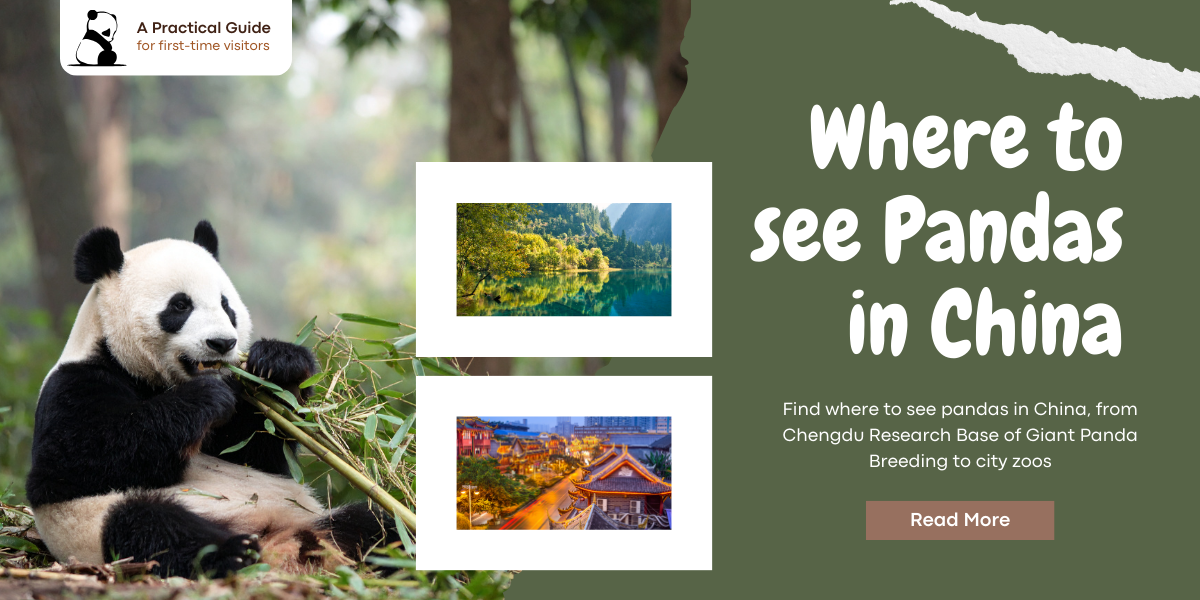

China’s panda conservation story is long, complex, and surprisingly impressive. Over the past few decades, breeding programs and habitat protection have helped the species bounce back from the edge of extinction. That means travelers today can easily encounter pandas at sanctuaries, research centers, and zoos across China.
For first-time visitors planning a panda trip in China, the choices can be overwhelming: Should you head straight to the renowned Chengdu Research Base of Giant Panda Breeding? Is it worth heading into natural reserves like Wolong? Can you see pandas in Shanghai on a tight schedule? This guide breaks everything down clearly.
Where Can I See Pandas in China?
China’s wild panda population is mainly distributed across the mountainous areas of Sichuan, Shaanxi, and Gansu. But when it comes to places where travelers can reliably see pandas, Sichuan remains the center of the universe. Most panda bases are clustered around Chengdu and its surrounding valleys.
Outside Sichuan, you’ll also find pandas in several major city zoos. While these experiences are more “urban zoo” in feeling, they remain convenient options for travelers with tight itineraries.
Quick Conclusion
| Want lots of pandas, easy access, panda cubs, and good educational exhibits | → Go to the Chengdu Research Base of Giant Panda Breeding (the classic choice) |
| For a Zen experience & red pandas | → Choose Dujiangyan Panda Valley. It is quieter, greener, and offers a “semi-wild” experience |
| For true nature & the “real” habitat | → Head to Wolong Shenshuping Panda Base |
| For volunteering programs | → Look into Dujiangyan or Bifengxia. These bases often run volunteer programs (keeper experiences) |
| If you can’t make it to Sichuan? | → Consider Beijing Zoo, Chongqing Zoo, or Shanghai Wild Animal Park |
With that in mind, let’s look at the best places in more detail.
Best Panda Zoos & Sanctuaries in China
Now that you have an idea of the landscape, let’s explore the specific locations to see Pandas in China. I have visited some of these spots multiple times, and each has a distinct personality.
Chengdu Research Base of Giant Panda Breeding
If you have seen a viral video of a zookeeper trying to rake leaves while baby pandas roll around his ankles, it was likely filmed here. Located just on the outskirts of Chengdu, this is the most famous facility in the world.
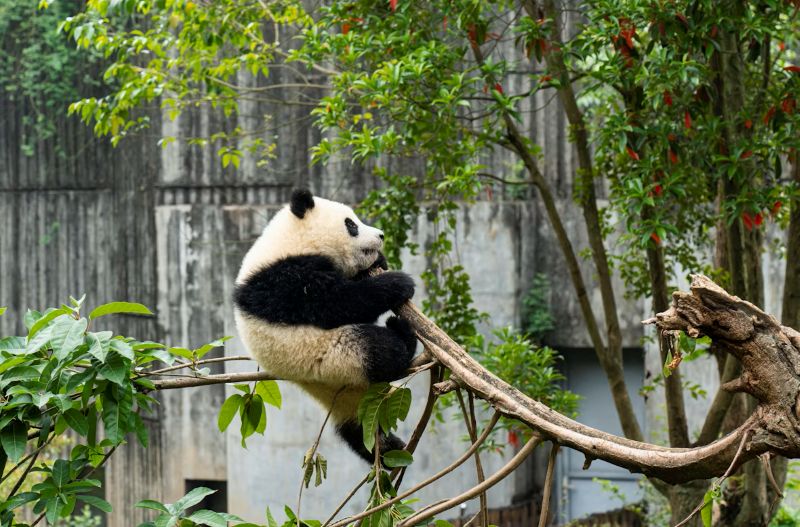
The Chengdu Research Base of Giant Panda Breeding is world-class. It is designed to mimic the natural habitat, feeling more like a botanical garden than a zoo. Wide bamboo-lined paths link various outdoor enclosures, nursery rooms, and educational halls. The highlight here is undoubtedly the breeding center. Depending on the season (usually late summer/autumn), you might see newborns in incubators or toddlers in the “kindergarten” enclosure. The “Moonlight Delivery House” and “Sunshine Nursery House” are where the magic happens.
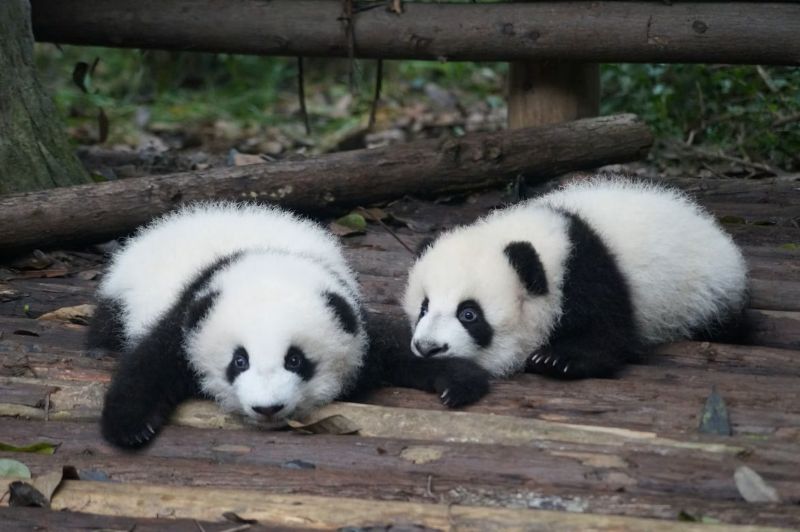
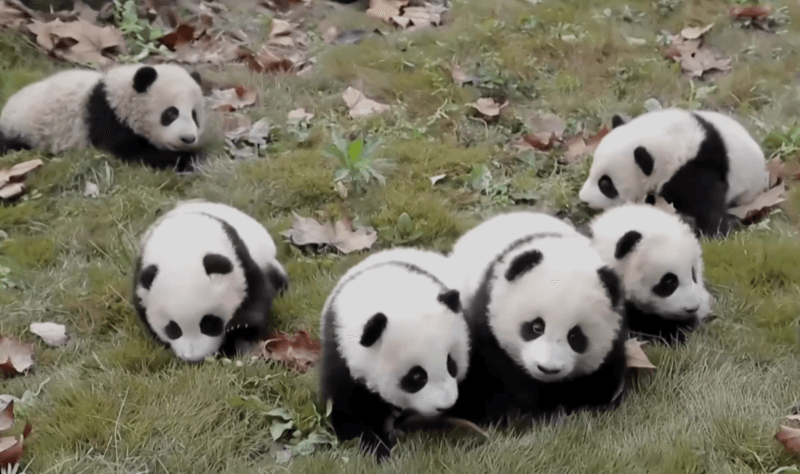
However, a word of caution: “Famous” means “Crowded.” If you don’t arrive when the gates open at 7:30 AM, you will be fighting through a sea of people. But, seeing ten adolescents playing on a wooden structure simultaneously is a sight worth the early wake-up call.
Programs: While the famous “panda holding” programs have been suspended since roughly 2020 for disease control (don’t believe old blogs that say otherwise!), the base offers excellent educational tours. The museum on-site is actually world-class, explaining the evolutionary history of the panda in a way that isn’t dry or boring.
Gateway city: Chengdu – about 10 km (6 miles)
Transport: It is incredibly accessible. You can take the Chengdu Metro Line 3 to Dongwuyaun Station and catch a connecting bus, or simply take a taxi/DiDi (Chinese Uber) which takes about 30-40 minutes from the city center and costs roughly 40-50 CNY ($6-7).
More than just pandas: Chengdu is the UNESCO City of Gastronomy. After the pandas, head back to town for authentic Sichuan Hotpot (try the “mild” if you aren’t brave). Visit Jinli Ancient Street or the Wide and Narrow Alleys to see tea houses where locals get their ears cleaned (a distinct Chengdu tradition!). The vibe in Chengdu is incredibly laid back; the locals say, “Sunny days are for tea, rainy days are for sleeping.”
Dujiangyan Panda Base (Panda Valley)
If the Chengdu Base is a bustling city, Dujiangyan Panda Valley is a quiet suburb. Officially known as the “Chengdu Field Research Center for Giant Pandas,” this spot focuses on preparing pandas for potential release into the wild.
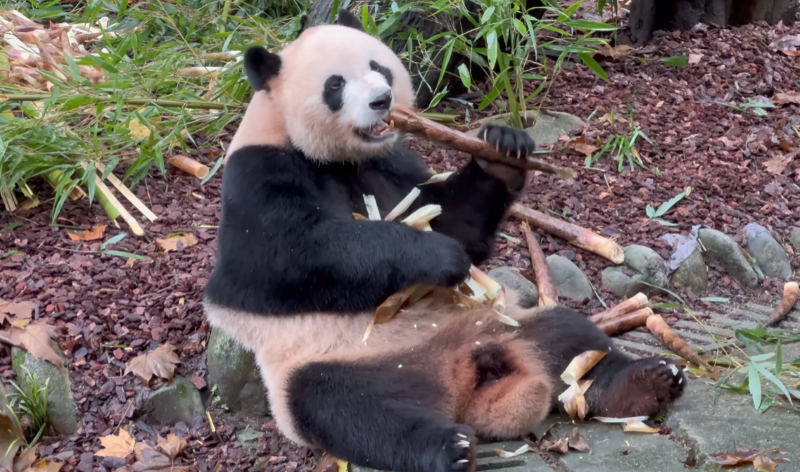
I personally prefer this over the main Chengdu base for a relaxed morning (especially if this isn’t your first time to see pandas). The crowds are significantly thinner here. You can walk through the park at a leisurely pace without being jostled. The enclosures are spread out over hillsides, requiring a bit of hiking, which filters out the casual tourists.
A massive bonus here is the Red Panda habitat. You can walk inside their enclosure. These fiery little creatures run right across the path in front of you (don’t touch them, though!). It’s one of the most interactive-feeling experiences you can have without breaking rules.
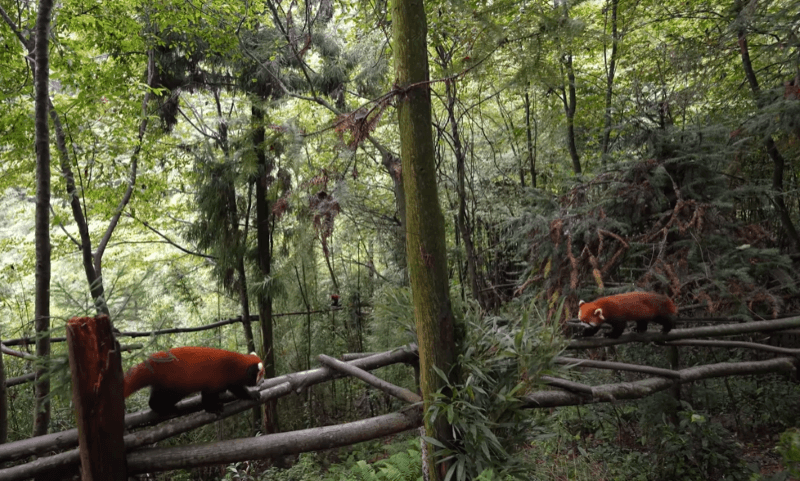
Programs: Dujiangyan is often the go-to spot for the Panda Volunteer Program (Panda Keeper Experience). Note: Availability fluctuates wildly depending on regulations, so check months in advance. If running, you get to clean the enclosures (yes, scoop poop – it’s called “green gold”), break bamboo, and make “panda cakes” (nutrition bars). It’s hard work, but you get a certificate and the satisfaction of contributing directly to their care.
Gateway city: Chengdu – about 60 km (37 miles)
Transport: Take the high-speed intercity train from Chengdu Rhinocerospu or Chengdu East to Dujiangyan Station (about 20-30 mins), then a short taxi ride.
More than just pandas: Dujiangyan is home to a marvel of ancient engineering: the Dujiangyan Irrigation System, built in 256 BC and still functioning today. It’s fascinating. Also, you are at the foot of Mount Qingcheng, the birthplace of Taoism. The hiking there is lush, green, and mystical – very “Kung Fu Panda.”
Wolong Shenshuping Panda Base
This is for the purists. Located in the Gengda Township within the Wolong National Nature Reserve, this base was rebuilt after the devastating 2008 earthquake destroyed the original facility.
This is the heart of panda country. The air is crisp, the mountains are towering, and the temperature is cooler than in the city. The Wolong Shenshuping base feels like a fortress of solitude for pandas. Because it is further away, tour groups are fewer.
The pandas here look healthier and more active, perhaps because the climate matches their natural preferences perfectly. The enclosures are massive, often encompassing entire hillsides. This is also where many “returnee” pandas (born overseas in places like the US or Japan) are housed when they come back to China.
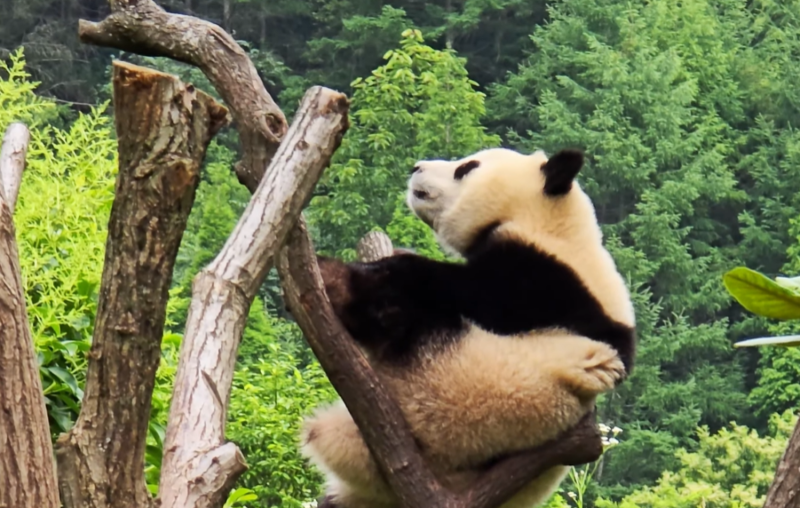
Programs: Like Dujiangyan, Wolong is a prime spot for volunteer programs when available. It is often considered the “premium” volunteer experience because of the pristine environment.
Gateway city: Chengdu – about 130 km (80 miles)
Transport: This requires commitment. There are no direct trains. You usually need to hire a private driver or take a long-distance bus from Chengdu’s Chadianzi Bus Station. The drive takes about 2 to 3 hours, passing through many tunnels.
More than just pandas: You are entering the Qiang and Tibetan ethnic minority regions. The food changes here – try the yak meat and highland barley wine. The architecture shifts to stone towers. It’s a road trip into the rugged, authentic side of Sichuan that most fly-in-fly-out tourists miss.
Bifengxia Panda Base (Ya’an)
Located in Ya’an city, known as the “Rain City,” Bifengxia (Green Peak Gorge) offers the most dramatic scenery.
The base is nestled into a natural gorge with waterfalls and dense vegetation. It is atmospheric and moody. When it rains (and it will), the mist clinging to the bamboo forests makes you feel like you are in an ancient Chinese painting.
Bifengxia offers a great balance: it’s a major research center with plenty of pandas, but the setting is a nature park. You can take an elevator down into the gorge and hike along the river after viewing the bears. It’s a “2-for-1” ticket: pandas plus a stunning nature hike.
Gateway city: Chengdu – 150 km (93 miles)
Transport: Take a bus from Chengdu Xinnanmen Station to Ya’an (2 hours), then a tourist minibus to the base. Alternatively, the new high-speed train connects Chengdu to Ya’an, making it much easier than before.
More than just pandas: Ya’an is the start of the ancient Tea Horse Road. This is tea country. The tea plantations here are beautiful. Stop for “Ya’an Fish” (a local delicacy) and visit a tea house to taste some of the freshest brews in China.
Chongqing Zoo
For those who want to see pandas but can’t dedicate a whole day to traveling out to a base, Chongqing Zoo is a fantastic urban alternative.
Don’t let the “Zoo” label fool you; the panda house here is historic. Chongqing Zoo has a very successful breeding record. It’s famous for the “Four Joy” pandas (Xixi, Qingqing, etc.) who are often seen sitting around a table eating apples like old men playing mahjong.
It is a city zoo, so it lacks the wild backdrop of Wolong, but the viewing glass is often very close, and the local residents (the “Chongqing aunties”) are enthusiastic and fun to watch as they cheer on the pandas.
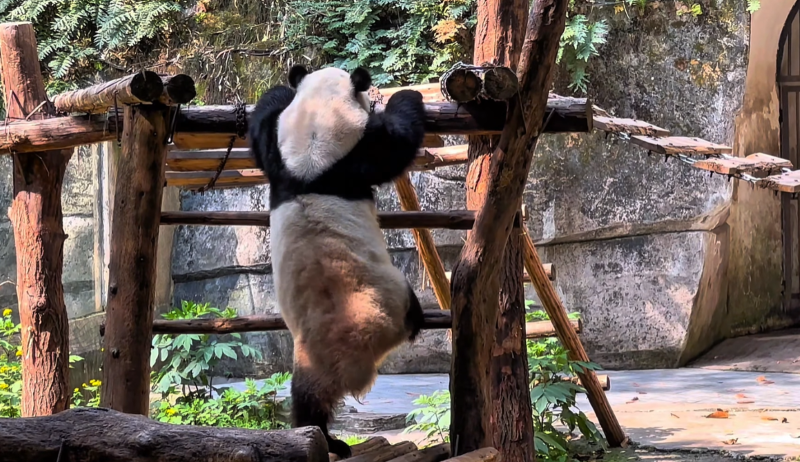
Gateway city: Chongqing City Center – 8 km (5 miles)
Transport: incredibly easy, it has its own Metro stop (Chongqing Zoo Station) on Line 2.
More than just pandas: Chongqing is arguably the most exciting city in China right now – a “Cyberpunk” metropolis built on mountains. You must try the Chongqing Hotpot (spicier than Chengdu’s), ride the cable car across the Yangtze River, and see the Hongya Cave complex at night.
Foping National Nature Reserve (Shaanxi)
Now we are getting into “Pro Traveler” territory. While Sichuan gets all the glory, the Qinling Mountains in neighboring Shaanxi Province are home to a different subspecies of giant panda: the Qinling Panda.
These pandas are slightly smaller, have rounder faces (looking more like cats than bears), and some even have brown and white fur instead of black and white! Seeing a brown panda is like finding a shiny Pokémon – incredibly rare.
Foping is not a “zoo” in the traditional sense. It is a nature reserve. While there is a “Panda Valley” in Foping where you can see rescued pandas up close, the real draw here is the wild atmosphere. It is quiet, remote, and absolutely pristine. You might also spot Golden Takins and Crested Ibises here.
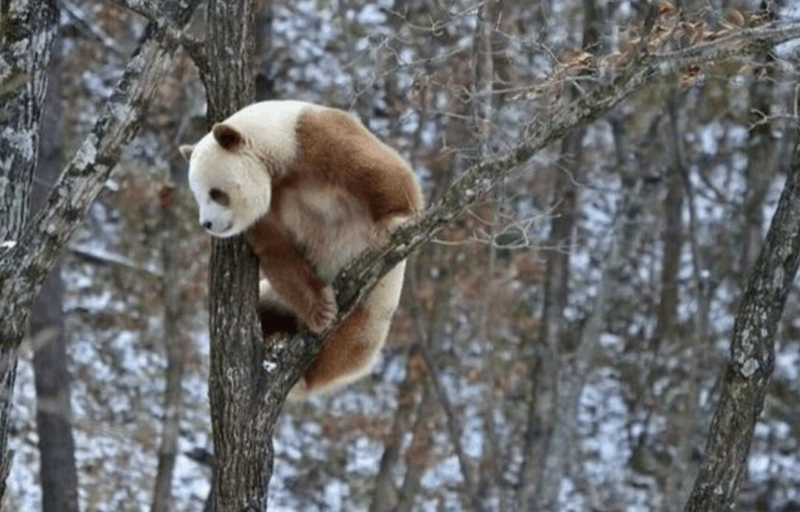
Gateway city: Xi’an – 183 km (113 miles)
Transport: Take the high-speed train from Xi’an North to Foping Station (45 mins). It’s surprisingly accessible for how remote it feels.
More than just pandas: You are close to Xi’an, the ancient capital. Combine this trip with a visit to the Terracotta Warriors or a bike ride atop the ancient City Wall. The food in Shaanxi is wheat-based, featuring signature dishes like heavy, delicious noodles (Biang Biang Noodles) and “Roujiamo” (Chinese hamburgers).
Beijing Zoo & Shanghai Wild Animal Park
Sometimes you just don’t have the time to fly to the mountains. If you are on a business trip or a whirlwind “Golden Triangle” tour, can you still see pandas? Here’s the answer.
Beijing Zoo: The panda house here is historic (built for the 1990 Asian Games). It’s an iconic spot, home to famous pandas like “Meng Lan” (the escape artist). However, be warned: it is incredibly busy. The viewing glass can be crowded, and it feels very much like a city zoo.
Shanghai Wild Animal Park: Located in Pudong, this is better than the city center Shanghai Zoo. It’s spacious, and you can see pandas like “Xue Bao.” The environment is decent, though it lacks the natural bamboo forest vibe of Sichuan.
Transport: Both are easily accessible by their respective city metro systems.
More than just pandas: In Beijing, you have the Forbidden City and the Summer Palace. In Shanghai, you have the Bund and the French Concession. These cities need no introduction, they are the pulse of modern China.
Important Tips for Watching Pandas
You have picked your destination. Now, how do you ensure you actually see them doing something other than sleeping?
Go early. I cannot stress this enough. Pandas are active in the cool of the morning. They are fed around 8:30 AM to 9:30 AM. During this time, they are crunching bamboo, climbing, and playing. By 11:00 AM, the “food coma” sets in, and they will sleep for the rest of the day. If you arrive at noon, you are visiting a sleeping rug exhibit.
Pandas hate heat. If the temperature exceeds 26°C (79°F), they are moved indoors to air-conditioned enclosures. While you can still see them, the glass reflects glare, and it’s less photogenic. The best time to visit is Spring or Autumn. Winter is also great because pandas love the snow and are very fluffy and active, though you will need a heavy coat!
Silence is golden. Pandas have sensitive hearing. At the bases, you will see signs asking for quiet. Please respect this. Loud noises can stress the animals.
Booking tickets. Gone are the days of buying tickets at the gate. For the Chengdu Research Base of Giant Panda Breeding, you almost always need to book in advance via WeChat or official travel partners, especially during Chinese holidays (Golden Week in Oct or Chinese New Year).
What Other Things You Can Do in Chengdu
Chengdu has a particular rhythm: slower, softer, and friendlier than many big Chinese cities. If pandas are the main reason you come, the city’s atmosphere might be the reason you want to come back.
If you’re staying longer than one night, try a few of these:
Teahouses in People’s Park
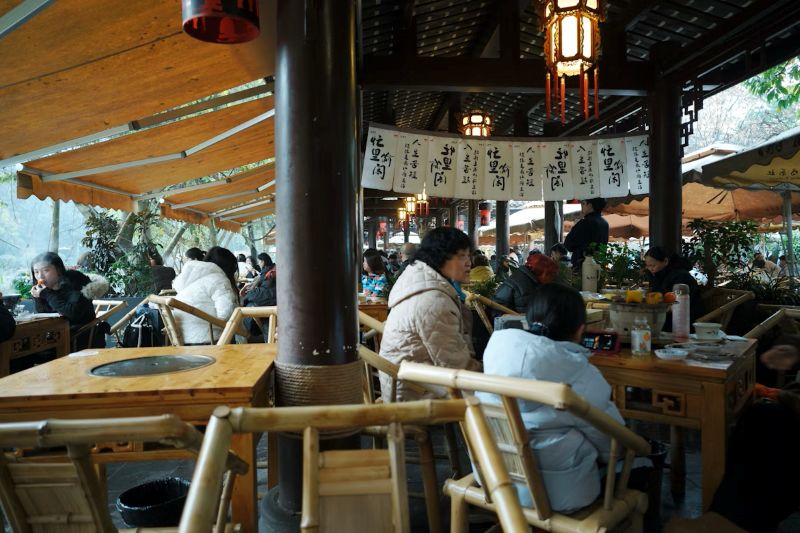
This is where Chengdu’s “slow life” is easiest to see. Sit at a low table with locals drinking jasmine or Pu’er, watch mahjong games, or get the eyebrow-raising but common ear-cleaning service from street attendants – it’s a local ritual many visitors find surprisingly relaxing. People’s Park is also great for people-watching: retired locals gather for tai chi, sing, and gossip in the open air.
Night food & late-night culture
Chengdu evenings are food-first. Try a local hot-pot place that’s slightly off the main tourist streets (ask a host or your hotel for a recommended smaller spot), hunt for chuan chuan (skewers in boiling broth), or stroll Yulin Road for late-night snacks. Small bars and craft coffee shops have been popping up in the same neighborhoods: ideal for a more local after-dinner vibe.
Yulin / Fangcao city walk
The Yulin block and Fangcao Street area are where Chengdu’s everyday life meets a new wave of cafés, bars and indie shops. Walk the lanes around Fangcao East Street and Yulin Market to sample real neighborhood snacks – fresh dumplings from tiny family-run stalls, old-school soy milk vendors, and little dessert shops that locals queue for after dinner. If you like photography or slow city walks, this is the spot: tree-lined alleys, vintage signage, and small grocery stalls give you a genuine feel for how Chengdu lives.
Kuanzhai Alleys, Jinli & Wuhou Shrine
Though a bit touristy, the restored Qing-era lanes, souvenir stalls and late-night teahouses of Kuanzhai (Wide & Narrow Alley) remain a classic choice for first-time visitors. Nearby Jinli Street offers a reconstructed “old town” feel with snacks like cold noodles, sticky rice balls, and stinky tofu, good for evening strolling. If you want a quick history hit, pair Jinli with the Wuhou Shrine (Three Kingdoms museum vibes) for a compact cultural leg of the trip.
Taikoo Li & Daci Temple (Taikoo Li + Daci Si)
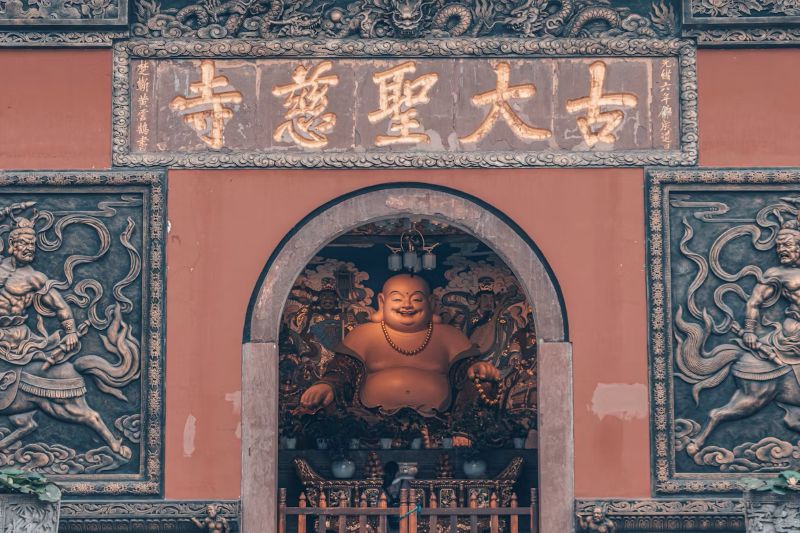
Taikoo Li is an open, design-forward shopping block with a good mix of local boutiques, international brands and trendy restaurants. The adjacent Daci Temple is a calm, centuries-old Buddhist sanctuary tucked right next to the retail bustle. People come here to shop, to watch fashionable locals, and to slip into the temple for a quiet moment. If you want a nicer dinner, Taikoo Li hosts several notable restaurants (from Sichuan tasting menus to modern bistros).
Eastern Suburb Memory, Song Xian Qiao, 1906 Creative Park
Chengdu’s creative scene is lively: old factories repurposed into galleries, local fashion brands, small concept stores and natural-wine bars. Eastern Suburb Memory (a redeveloped industrial area) and Song Xian Qiao Art City are where you’ll find pop-up markets, craft stalls and interesting design shops – good stops if you want gifts that aren’t touristy.
Wenshu Monastery
Wenshu Monastery is where locals actually go to slow down, and one of the best places to try Chengdu-style vegetarian food. The temple itself is active, monks chanting, incense curling up from the courtyards, old gingko trees giving shade in summer. Right outside the monastery, the surrounding block is a gentle maze of tea shops, small bookstores and old-fashioned snack stalls – the kind of place where you can buy sesame cakes still warm from the oven or sit down for a quick bowl of noodles.a
Jinsha Site Museum
You don’t expect a sleek, well-curated archaeological museum tucked inside a residential district, but Chengdu likes to hide good things. The exhibition focuses on the ancient Shu civilization, and the gold masks and sunbird emblem are so distinctly Chengdu that you’ll start spotting replicas across the city afterward. If you visit in the late afternoon, the light through the architecture is especially good for photos.
Evening stroll by the river
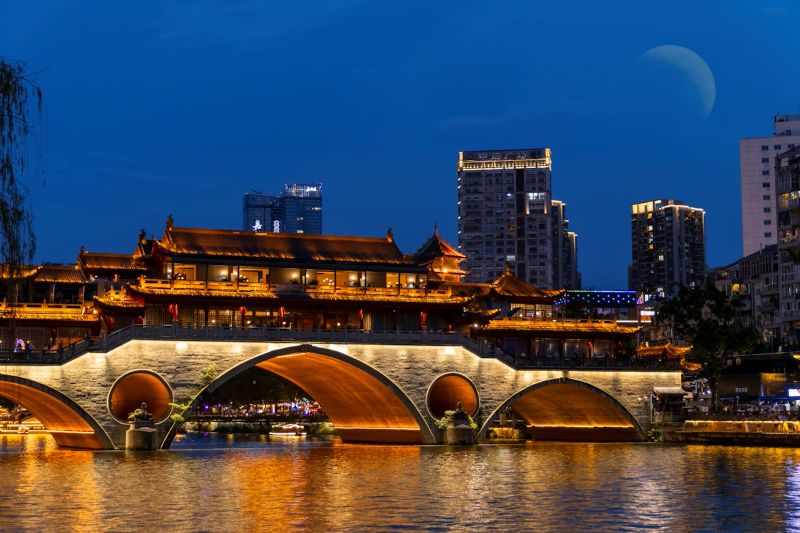
Chengdu at night has a relaxed rhythm, and the riverfront paths are where you’ll feel it most. Pick almost any stretch along the Jin River or Fu River after dinner and you’ll see the city unwind. Shops and small bars along the riverside often keep their doors open, so you can wander in for a quick drink or step out again with the evening breeze. If you want a good starting point, the section near Jiuyan Bridge and the Lan Kwai Fong Chengdu development is lively, while the stretch around Shengli Bridge is quieter and more suitable for a slow, meandering walk.
Gateway to Western Sichuan’s landscapes
One thing many first-time visitors don’t realize is that Chengdu is also the main launching point for some of China’s most dramatic natural scenery. From here, you can reach Western Sichuan (Chuanxi), a region known for high-altitude grasslands, snow-capped peaks, Tibetan culture, and big open roads perfect for slow travel. Places like Danba, Siguniang Mountain (Four Sisters Mountain), Kangding, and even farther spots like Daocheng Yading all connect through Chengdu. Many travelers do 2-5 day loops to escape the city and experience a quieter, colder, and visually stunning side of the province. The drives can be long and curvy, but the payoff is huge: alpine valleys, prayer flags fluttering over mountain passes, small stone villages, and a pace of life that feels worlds away from the lowland heat of Chengdu. If you’re already in the city for panda viewing, carving out a few extra days for Western Sichuan can make the trip feel far more layered and memorable.
Local Tips
- Cash and mobile payments both work; many small vendors prefer WeChat/Alipay but accept cash.
- If you love tea, ask for recommendations at teahouses.Chengdu has different brewing styles and local specialties.
- Weekdays give you better space for photos and quieter cafés. Weekends can feel lively, but crowded.
- For a true local day: morning market walk (Yulin), late lunch of simple local dishes, slow afternoon tea at People’s Park, and an evening Taikoo Li/Daci Temple stroll.
FAQ
Is it worth going to Chengdu to see pandas?
Yes. Chengdu is the easiest and most rewarding place to see pandas in China, with large populations, high-quality facilities, and multiple locations to choose from. The Chengdu Research Base of Giant Panda Breeding is especially convenient for short trips.
Do I need a visa to travel to China?
For most foreign passport holders, yes, a tourist visa (L visa) is required to enter mainland China. However, China has recently expanded its visa-free policies for certain countries (like France, Germany, Italy, Netherlands, Spain, and Malaysia for short stays). Furthermore, if you are transiting through China, you might qualify for the visa-free transit policy in major cities like Chengdu, Beijing, and Shanghai. Always check the latest, official requirements from the Chinese embassy or consulate in your home country well before your travel date, as rules change frequently.
Can I see pandas in Shanghai?
Yes, you can. If your itinerary only includes the east coast, you can visit the Shanghai Wild Animal Park or the Shanghai Zoo. The Wild Animal Park is better as it has a larger area for the pandas. However, you will see far fewer pandas than in Sichuan, and the habitat is more artificial.
Which Chinese city is known for giant pandas?
Chengdu is the undisputed “Panda Capital of the World.” It is the capital of Sichuan province and the gateway to all the major reserves. You will see panda statues on buildings, panda buses, and even panda-themed post offices throughout the city.
Can I hold a baby panda?
No. As of recent years, physical contact with pandas (holding or hugging them) has been suspended by the Chinese government to protect the animals from canine distemper virus and to ensure their safety. Do not trust any tour operator promising you can hold a panda; they are likely outdated or running a scam.





There are no comments.