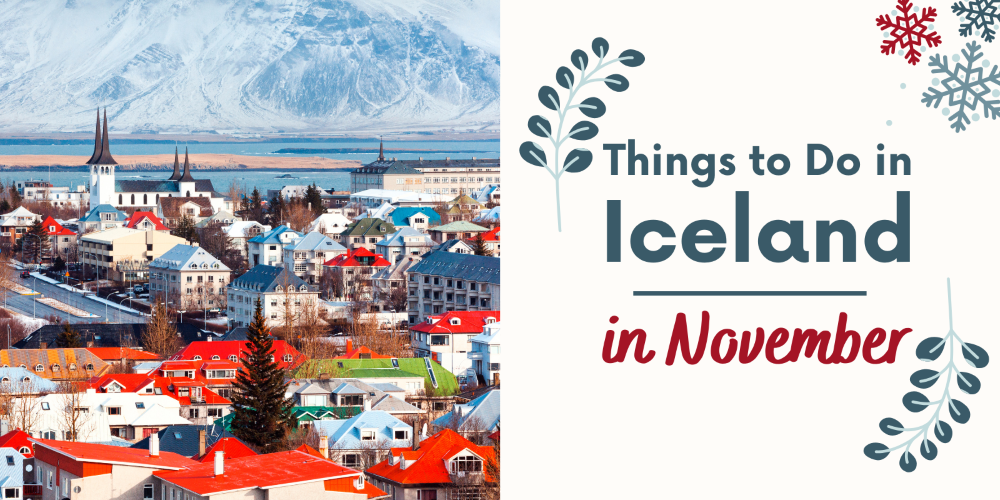

In November, Iceland begins its transformation into a winter wonderland: snow dusts the volcanoes, waterfalls freeze partially, daylight hours shorten, and the Northern Lights frequently dance across long, dark nights. If you don’t mind the cold, the contrast between fiery geothermal pools and icy landscapes, between bright auroras and dark skies is deeply rewarding.
Visiting Iceland in November means fewer crowds, lower travel costs than in summer, and a chance to see natural phenomena you can’t as easily catch in warmer months. Below I’ll walk you through some of the best things to do in Iceland during this month.
Top Places: Reykjavík | Golden Circle | Ice Cave | Glacier Lagoon…
Is November a Good Time to Go to Iceland?
Short answer: Yes, if you’re ready for winter.
Iceland Weather in November
Temperatures are cold, often hovering between 0°C and 4°C (32-39°F) in Reykjavík and southern/coastal areas. In northern Iceland and higher elevation areas, it can drop below freezing, often feeling colder due to wind chill.
Daylight is limited. Early November gives you around 5-7 hours of light, but by late November, sunrise may not happen until ~10:45 AM, and sunset can come as early as ~3:45 PM in some areas.
Weather is variable: expect a mix of snow, sleet, rain, strong winds. Coastal areas are wetter; inland and higher elevations colder and snowier.
Landscape & Experience
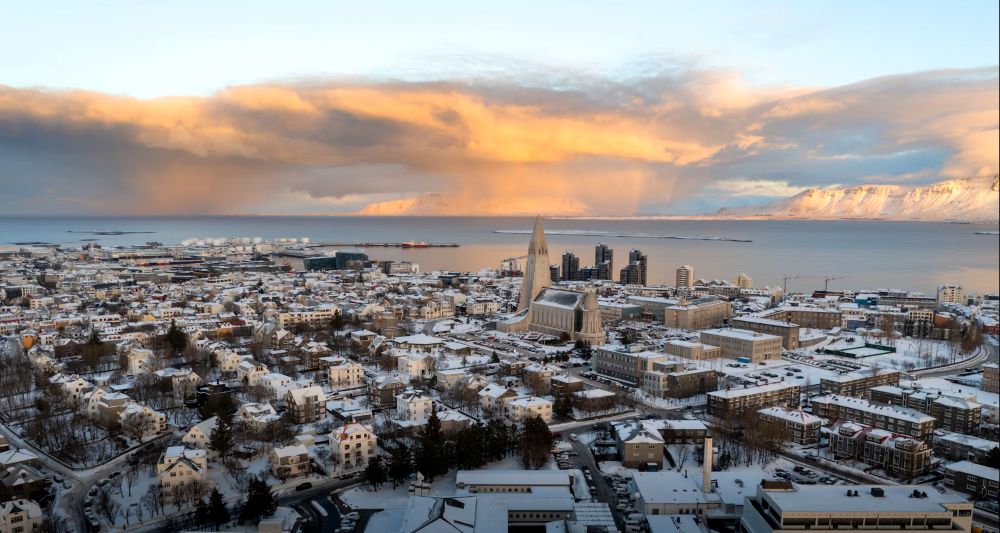
Snow begins to blanket the ground – mountains, plateaus, and waterfalls. Frozen edges on waterfalls, glacial tongues more prominent, lakes beginning to ice over. The contrast between the white snow, dark rock, and steam from hot springs is very striking.
Fewer tourists means manageable crowds, and accommodations/tours often cheaper or more available than summer.
The darkness has its advantages: longer evening windows for Northern Lights, more dramatic lighting for photos, cozy indoor time (cafés, geothermal pools, museums) feels more satisfying.
Downsides
- Weather can cause delays or cancellations: rough seas, closed roads, or storms.
- Some remote areas, gravel roads, or highland (F-roads) are often closed.
- Limited daylight means you need to plan carefully; some tours or drives may feel rushed.
Bottom line: If you are okay with colder weather and plan your days wisely, visiting Iceland in November offers a unique, magical experience you won’t get in other seasons.
Best Things to Do in Iceland in November
These are things you can do in Iceland in November, particularly if you base in Reykjavík and venture along accessible routes:
Drive the Golden Circle & South Coast
Relax in Hot Springs & Geothermal Spas
Visit Snæfellsnes Peninsula & Other Scenic Peninsulas
Whale watching (Húsavík & Reykjavík options)
Chase the Northern Lights
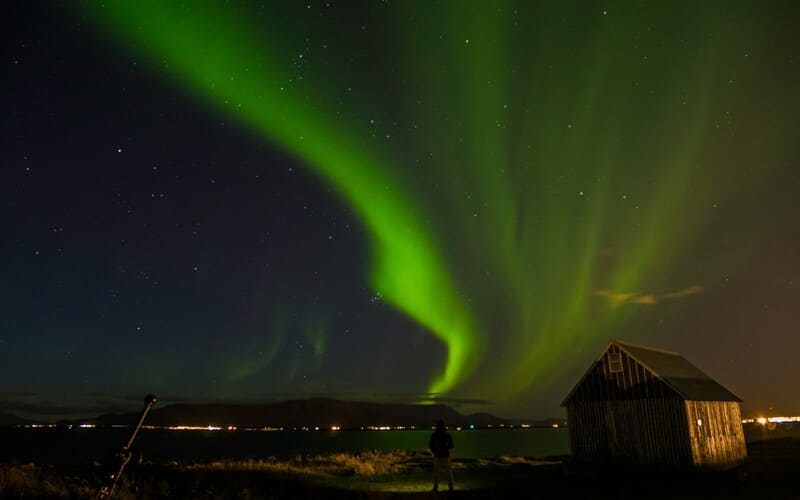
Your imagination comes to life here: stepping out of your lodge after dinner, crisp air in your lungs, snow quieting the landscape, and a green glow shimmering above. November is one of the best months to see the aurora borealis – night skies are long, and there are many dark hours.
What’s good in November:
- The nights are dark enough, yet still early enough in evening so you can get to good spots without freezing for hours.
- Because it’s early winter, cloud cover may not be as thick continuously as in the mid-winter months. There’s more chance of clear nights.
Best places:
- Away from light pollution: Thingvellir National Park, countryside roads off the Golden Circle, or remote areas of the South Coast.
- Jökulsárlón Glacier Lagoon is magic: reflections of icebergs plus auroras.
Use apps / websites for aurora forecasts and cloud cover. Be flexible; tours often cancel if conditions poor, or reschedule.
Note: Even with ideal conditions, auroras are not guaranteed. Weather, solar activity, and luck factor in. Always have alternative plans in case skies are overcast.
Explore Ice Caves & Glaciers
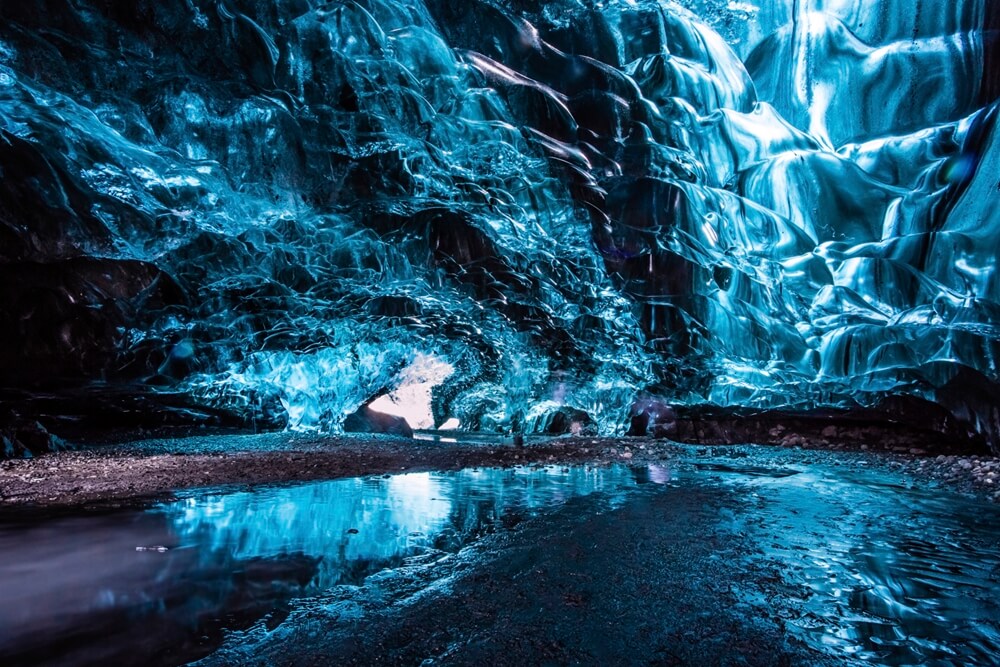
November is the time when many of the season’s ice caves become accessible, especially in southern Iceland around Vatnajökull glacier. You will witness the deep blue ice, sculpted shapes, glacial textures – stalactites of ice, layers of compressed snow, sometimes shimmering water reflections. Yet the cold is intense inside caves; waterproof warm gear is essential.
Tips & cautions:
- Always go with certified guide. Caves can be unstable; conditions change.
- Book in advance- ice cave tours are popular early in winter.
- Be prepared for slippery surfaces; sturdy boots with grip needed.
- Weather may delay access or make certain caves unsafe; flexibility helps.
Drive the Golden Circle & South Coast
Many of Iceland’s classic sights are still accessible in November and are at their most dramatic: waterfalls with icy rims, steaming hot springs against a snow backdrop, rugged coasts.
Highlights include:
- Thingvellir National Park: fault lines, rift valley, sometimes frost-touched landscapes.
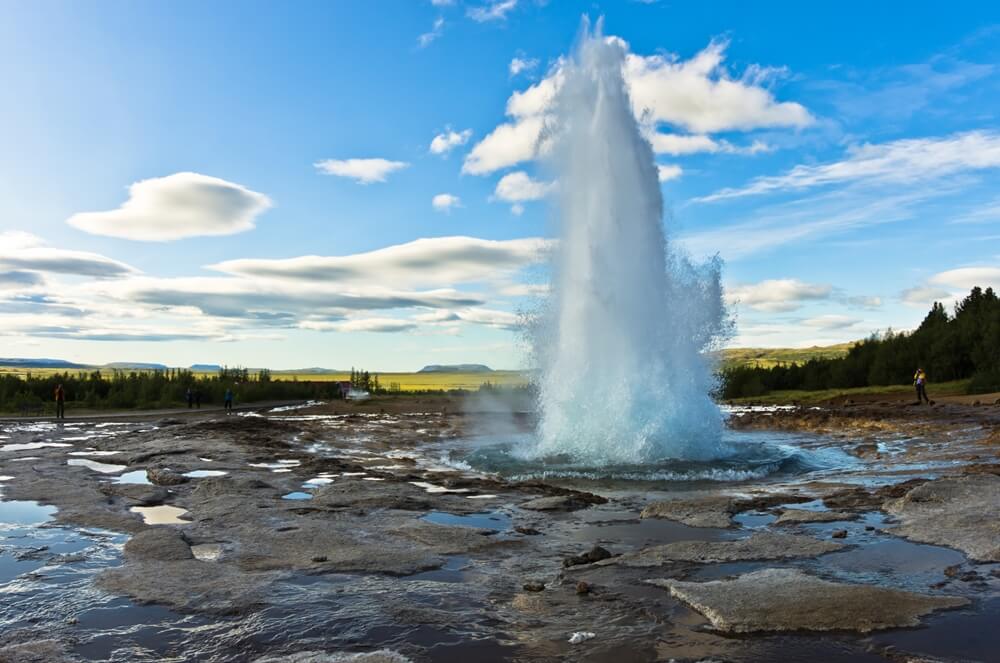
- Geysir & Strokkur geothermal area: erupting hot water is even more striking in cold air.
- Gullfoss Waterfall: partially frozen edges; the roar of water against ice adds drama.
- Skógafoss, Seljalandsfoss, Black Sand Beach at Reynisfjara: South Coast gives variety. Watching waves hit the volcanic sand shores with possible snow dust is memorable.
Tips & cautions:
- Road conditions: icy patches, snow, possibly closures. Stick to paved main roads.
- More daylight needed; plan each day to finish major drives before sunset.
Relax in Hot Springs & Geothermal Spas
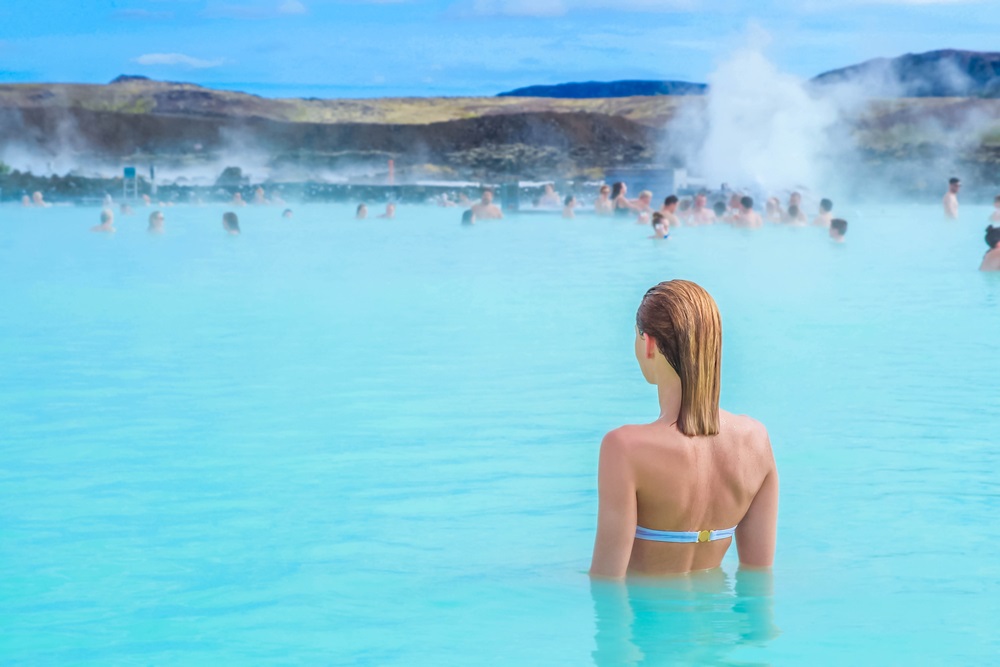
After cold outdoor excursions, nothing beats soaking in natural or well-maintained hot springs. Iceland is famous for geothermal energy; November makes the steam more inviting.
Best places:
- Blue Lagoon (always popular; near Keflavík/ Reykjavík).
- Sky Lagoon in Reykjavík area or Secret Lagoon or smaller pools along the way.
- Reykjadalur Valley: warm river trail (a hike then soak).
Tips & cautions:
- Bring swimwear, quick-dry towel, waterproof layers.
- Hot springs can be crowded; try to go off-peak (mornings or late afternoons).
- Respect local rules, especially in more natural or less maintained pools.
Explore Reykjavík
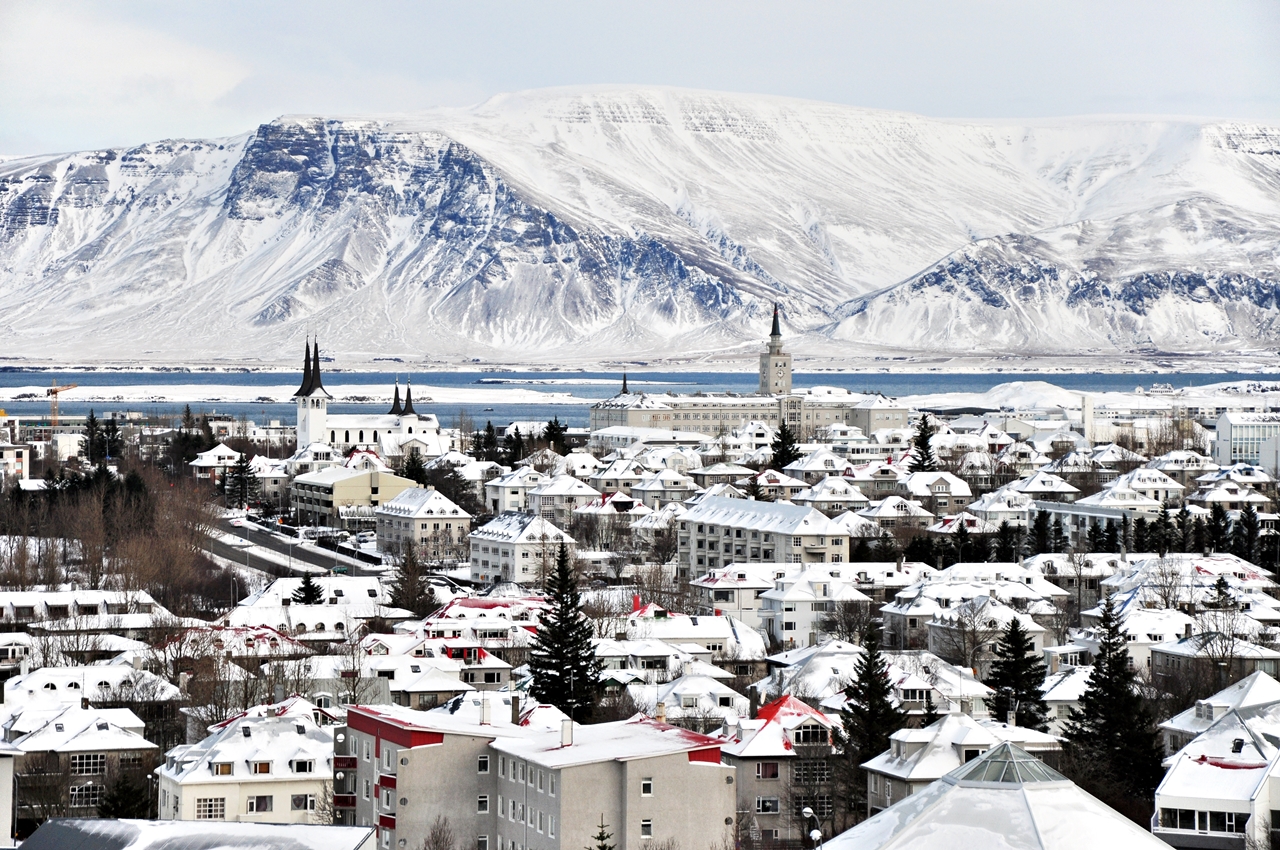
If you spend time in Reykjavík, there are plenty of winter-friendly options. Good for when daylight is limited or weather tempers outdoor plans.
Best places:
- Perlan Museum: indoor ice cave, planetarium show with Northern Lights theme.
- Hallgrímskirkja Church: great views from the tower if weather allows.
- Harpa Concert Hall for architecture and possibly concerts.
- Cozy cafés, Icelandic food (soups, local fish, lamb), craft shops.
- Festivals: music (e.g. Iceland Airwaves early November), theater, dance.
Visit Snæfellsnes Peninsula & Other Scenic Peninsulas
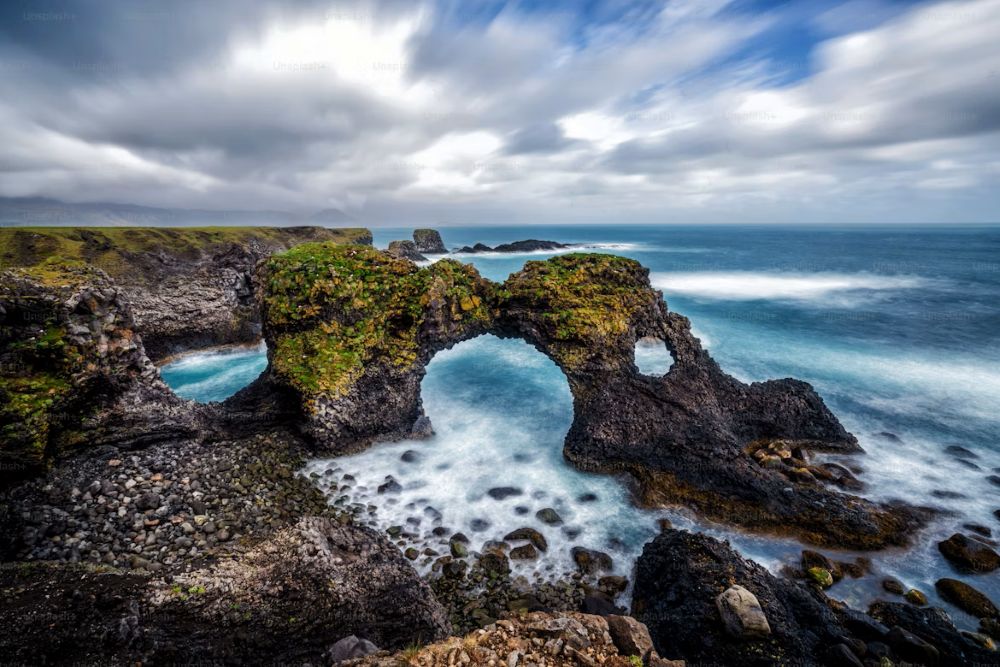
Snæfellsnes is sometimes called “Iceland in miniature” because it has a bit of everything: rugged coast, lava fields, glaciers, cliffs, wildlife. In November, the contrast of snow and dark skies adds beauty.
You may also enjoy coastal cliffs, seal‐watching, lava formations, and quieter roads (if open). Just verify road status ahead of time.
Glacier hiking & snowmobiling
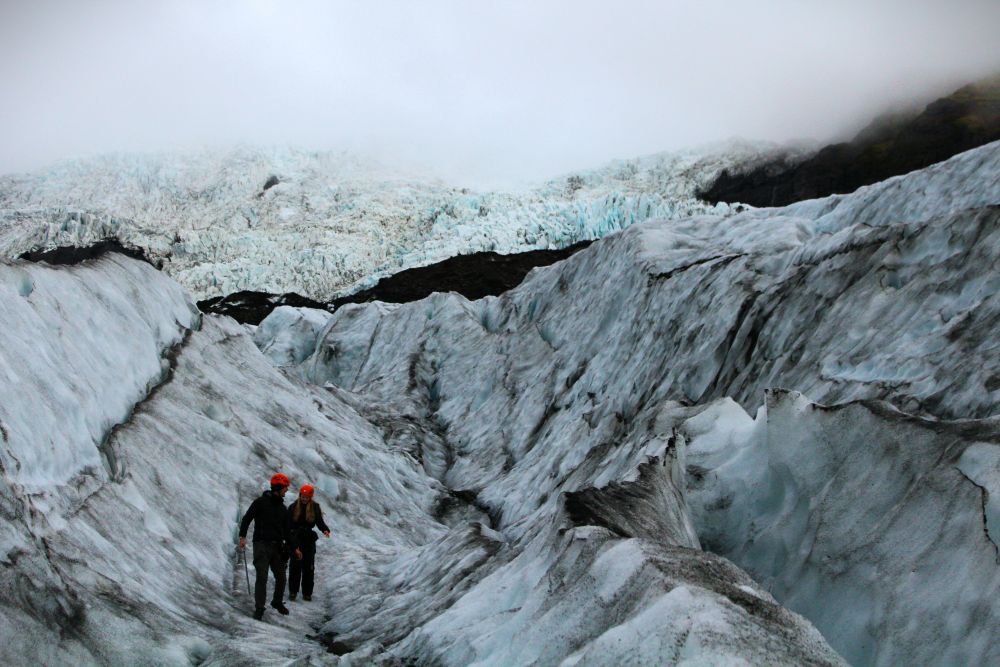
If you want more adrenaline, glacier hikes and snowmobile trips run in November on outlets of major glaciers (Vatnajökull, Langjökull, etc.). Guides provide helmets, crampons, and safety gear; the view from a glacier crest with fresh snow is uniquely dramatic.
Snowmobiling is one of the most reliably available winter activities. Book with experienced operators and check the fitness/age limits in advance. These tours are often combined with other winter highlights (ice caves, lagoons).
Whale watching (Húsavík & Reykjavík options)
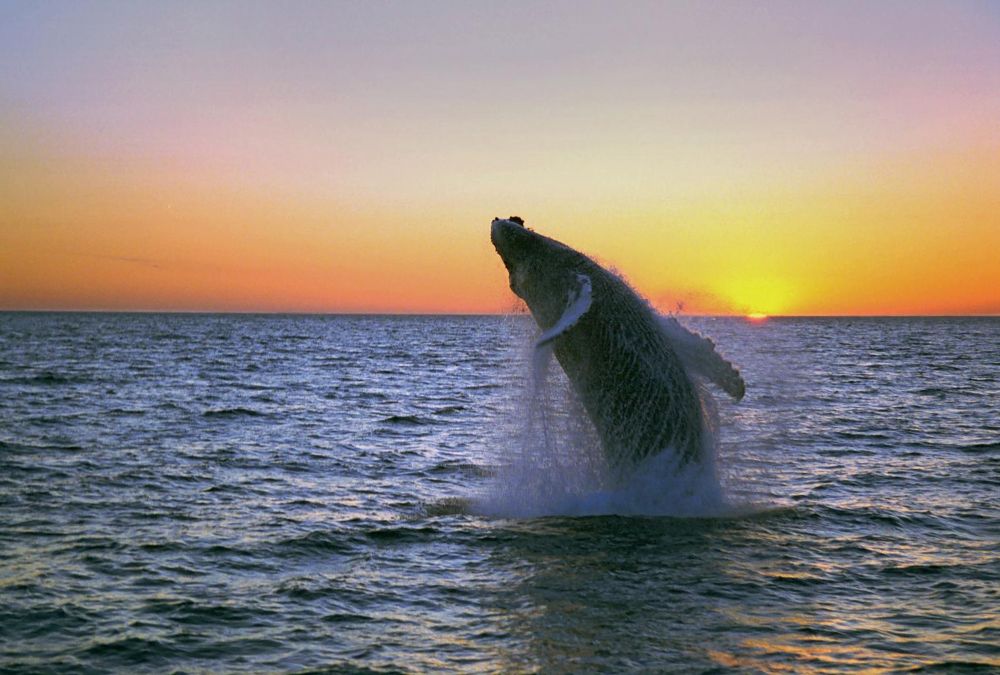
Yes, you can still go whale watching in November. The busy summer months bring large numbers of humpbacks and even blue whales around Húsavík in the north; by late autumn many of those migrate to warmer feeding grounds.
That said, tours do still operate in Reykjavík and occasionally in North Iceland, and you may see resident species that don’t leave for the winter, such as:
- Harbor porpoises (small, fast, and common around Iceland’s coasts)
- White-beaked dolphins, often in playful pods
- Minke whales, which can be spotted sporadically in winter
- In some cases, humpbacks linger into November, but sightings are less reliable than in summer
What’s different from summer?
- Fewer tours run, and departures depend more on weather and sea conditions.
- The seas are rougher, so bring motion-sickness remedies and warm layers- operators usually provide heavy overalls.
- You won’t get the same diversity of species or high sighting rates as in June-August, but you also avoid summer crowds on the boats.
Winter Events in Iceland During November
If your trip isn’t only about nature, here are cultural and community events to look out for.
Iceland Airwaves Festival (Reykjavík): Usually early to mid-November; a big draw if you enjoy music, both international and local.
Everybody’s Spectacular: Reykjavík Dance + LÓKAL International Theater – combines theater, dance performances around mid-November.
Dagur íslenskrar tungu (Icelandic Language Day) on Nov 16: smaller cultural observance.
Local art exhibitions, seasonal Christmas markets, winter food festivals (depending on year) often begin in late November. These can vary by region and weather.
Traveling Around Iceland in November
Getting around when visiting Iceland in November requires more planning than summer. Here’s how to make it work.
Transportation Options
Rental car / self-drive tours: Provides flexibility and access to less populated places, which is great for chasing Northern Lights or visiting remote landscapes. But you’ll need a car equipped for winter: good tires, perhaps 4×4, experience or comfort driving in snow/ice.
Guided tours / day trips from Reykjavík: For many, this is less stressful. Tour operators know road conditions, weather windows, and can adapt schedules.
Domestic flights: If you want to reach northern Iceland (e.g. Akureyri), there are flights from Reykjavík. May save time vs long, possibly difficult winter roads.
Public transport: More limited in winter in rural areas. Reykjavík has public transit. Outside, buses may run but less frequently; many remote spots aren’t served.
Road Conditions & Closures
F-roads and highland routes are typically closed for winter (often from mid-September or October) due to snow and dangerous conditions.
Main paved roads (Ring Road, Golden Circle, southern coast) are generally kept open, but expect icy patches, slick surfaces, snowdrifts, sometimes closures during storms.
Always check the official travel/road websites (road.is, safetravel.is) for current road conditions and weather warnings.
Tips for Driving
Allow more time than you think – for slower speeds, for stopping to enjoy views, for delays.
Start daylight activities shortly after sunrise; aim to finish main driving or remote site visits well before sunset.
Always have some backup plans: indoor activities, staying extra in Reykjavík or a village, changing itinerary when roads closed.
Suggested Itinerary Ideas (3-5 Days)
If it’s your first time visiting Iceland in November, here are a couple of sample itineraries.
3 Days (Base in Reykjavík + Day Trips):
Day 1: Arrival, explore Reykjavík (museums, Perlan, Harpa)
Evening: Northern Lights tour outside city
Day 2: Golden Circle day trip (Thingvellir, Geysir, Gullfoss), then relax in hot springs
Day 3: South Coast short tour (Seljalandsfoss, Skógafoss, black sand beach), then head back to Reykjavík
5 Days (Broader):
Days 1-2: Reykjavík + attend cultural events/festivals
Days 3-4: South Coast + Jökulsárlón glacier lagoon / ice caves
Day 5: Snæfellsnes Peninsula or northern Iceland (if flights permit), or extra days for Aurora chasing + rest
Budget & Booking Advice
- Book tours and accommodations well ahead, especially for popular glacier/ice cave tours. November sees enough visitors that demand can be high.
- Off-peak lodging deals are possible in Reykjavík and along major routes.
- Meals tend to cost more in remote areas; stock up supplies in Reykjavík or bigger towns if venturing out.
What to Wear in Iceland in November
Packing the right clothes is crucial. You’ll want to layer, waterproof, wind-proof, and have extras for cold nights and variable conditions.
Here’s a checklist:
- Warm base layers (thermal tops and leggings)
- Insulating mid layers: fleece or wool sweaters
- Waterproof outer shell (jacket & pants) for wind, rain, snow
- Good boots with grip and waterproofing
- Warm socks (wool or merino)
- Gloves (lined, waterproof), warm hat, neck gaiter or scarf
- Sunglasses (for glare off snow), also sunscreen (odd as it sounds, UV reflects)
- Daypack with waterproof cover
- Swimwear (for hot springs)
Also, bring practical items:
- Camera with manual settings + tripod if you plan to shoot auroras.
- Flashlight or headlamp (for nighttime / early morning)
- Extra batteries (cold drains them faster)
Frequently Asked Questions
Is November a good time to see the Northern Lights in Iceland?
Yes. November is one of the best times for Northern Lights in Iceland because nights are long and skies often clear enough. That said, sightings depend on solar activity, weather, and light pollution. Always aim for dark spots away from cities and have flexible plans in case you need to try more than one night.
What to wear in Iceland in November?
Layering is key: thermal base, insulating mid-layer, waterproof/windproof outer layer. Warm boots, gloves, hat, scarf. Waterproof gear for snow/rain. Don’t forget swimwear for hot springs!
Can you safely travel around Iceland in November?
Mostly, yes, if you stick to main paved roads and plan for weather. Avoid F-roads (highland gravel), remote areas in bad weather, and night driving when visibility is low. Guided tours help if you’re unsure about driving yourself.
What places are OK or risky in November?
OK: Reykjavík, Golden Circle, South Coast, Snæfellsnes (provided roads open).
Risky / often closed: Highlands, F-roads, remote parts of Westfjords, Eastfjords in heavy snow, some roads in northern Iceland during storms.
How many daylight hours will I get?
Generally about 5-7 hours early in the month; toward the end of November it gets shorter. This impacts how much you can see each day; plan activities accordingly.




There are no comments.