

Iceland’s landscape seems to be in a constant, dramatic flux. This is a land of active volcanoes and sprawling glaciers, of bubbling geothermal pools and nights lit by dancing auroras. Here, a single journey can offer three extraordinary experiences: standing behind a roaring waterfall, strolling along a black sand beach, and exploring the depths of a crystalline ice cave.
Choosing the optimal travel month depends not only on weather conditions, but also on your heart’s desire. Do you yearn to chase the Northern Lights across snow-draped plains? Or long to hike through emerald valleys under the never-setting sun? This guide will help you resolve these questions and find the perfect time for your own Icelandic saga.
Top Places: Reykjavík | Golden Circle | Ice Cave | Glacier Lagoon…
What is the Best Time to Visit Iceland?
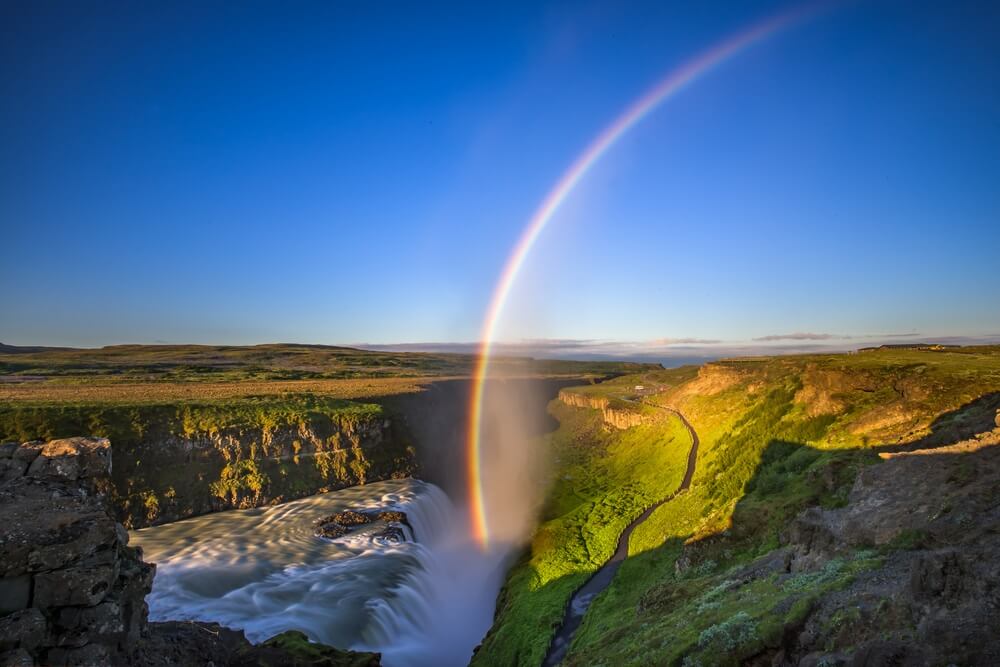
For the most widely appealing travel experience, many agree that the summer months of June through August are the best time to visit Iceland.
This is the island at its most green and accessible. The weather is as mild as it gets, with long days melting into nights under the glow of the Midnight Sun, giving you virtually endless hours for exploration. During this peak season, the entire country opens up. The rugged interior highland roads (F-roads) are passable, unlocking some of Iceland’s most breathtaking and remote landscapes. It’s the prime time for hiking, camping, spotting puffins on coastal cliffs, and comfortably driving the entire Ring Road.
Closely following the summer peak, many argue that September is a secret sweet spot and arguably one of the best months for a trip. The weather is still relatively mild, the autumn colors create stunning scenery, and the summer crowds have thinned out, leading to a more peaceful experience and often lower prices. Best of all, as the nights grow darker, September marks the return of the Northern Lights, giving you a chance to witness the aurora without having to brave the deep cold of winter.
Ultimately, the “best” time is subjective. Let’s break down the ideal months based on what you want to see and do.
Best Time for the Northern Lights
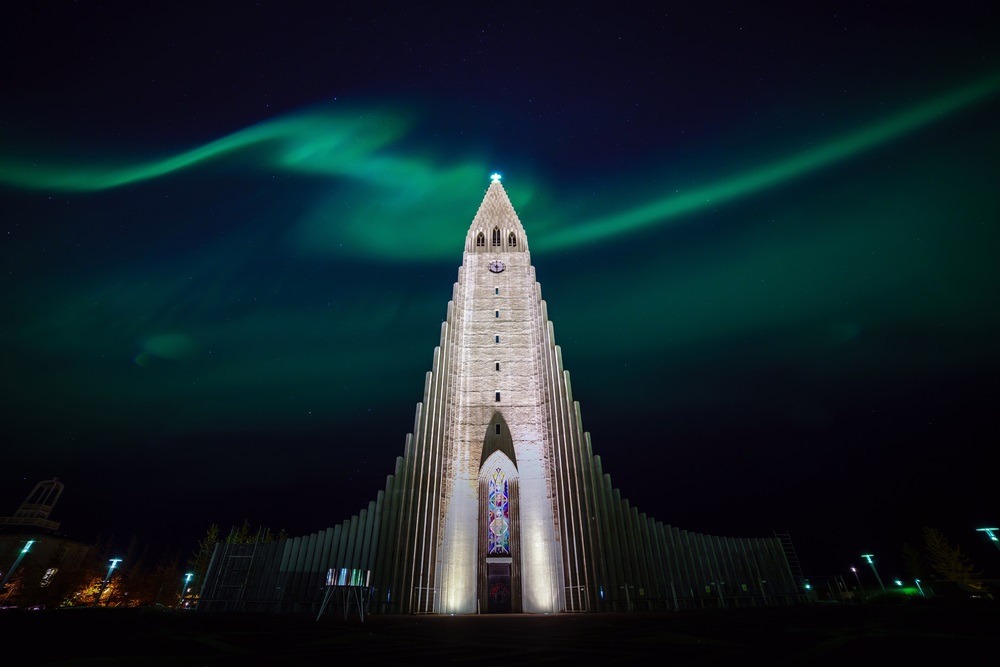
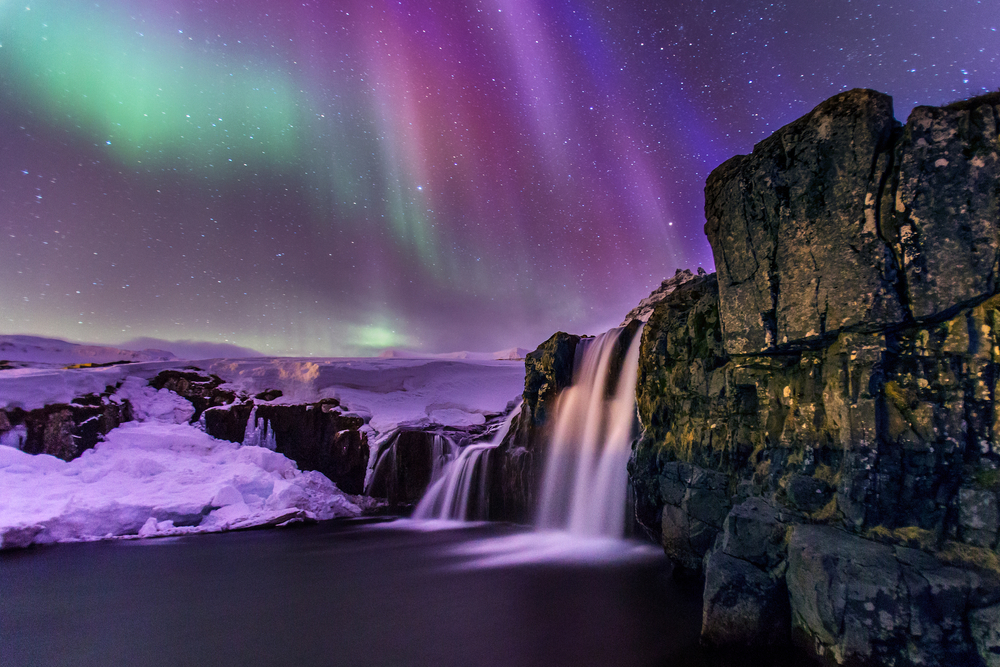
The best time to visit Iceland for the Northern Lights is from late September to early April. During these months, the nights are long and dark enough to see the aurora’s incredible display. For the highest probability, aim for the months of October, November, February, and March. These months offer a good balance of darkness, clearer skies (compared to the stormier mid-winter), and still manageable winter conditions for getting around.
Best Time for Whale Watching
While you can spot whales year-round, the peak season for whale watching in Iceland runs from April to September. During this time, over 20 species of whales, dolphins, and porpoises migrate to the rich feeding grounds off the Icelandic coast. Summer tours from Husavik, often called the whale-watching capital of Europe, offer an almost guaranteed sighting of these magnificent creatures.
Best Time for the Blue Lagoon & Geothermal Pools
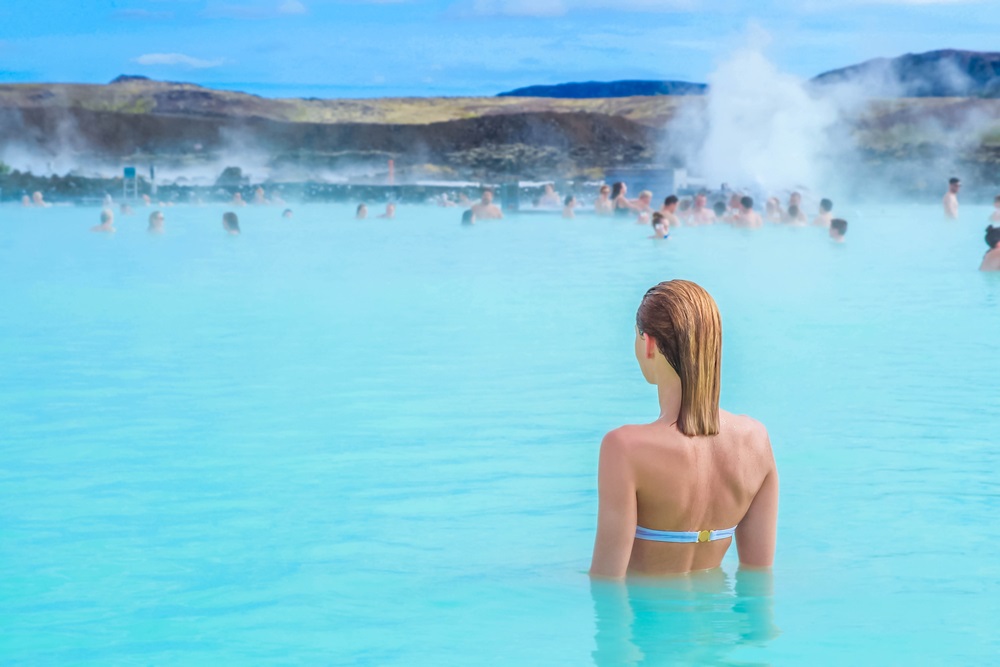
The iconic Blue Lagoon and other geothermal pools can be enjoyed year-round, and the experience changes dramatically with the seasons. Soaking in the warm, mineral-rich waters while snow falls around you in winter is a truly magical experience. In summer, you can bask under the midnight sun. To avoid the biggest crowds at the Blue Lagoon, it’s always best to book your ticket well in advance and aim for the first or last time slots of the day.
Best Time for Lower Price
The cheapest month to visit Iceland is typically during the “shoulder” seasons or the deep off-season. Think April, May, October, and November. During these periods, you’ll find lower prices on flights, accommodations, and car rentals. May and October can be particularly good value, offering a blend of off-season prices with more manageable weather and decent daylight hours.
Best Time for Fewer Crowds
If you want to experience Iceland’s raw nature without the crowds, the shoulder months of May and September are fantastic choices. You’ll get to see the landscape in transition – the lingering snows of spring in May or the beautiful autumn colors in September. Most attractions are still accessible, but you’ll share them with far fewer people than in the peak summer months.
What is the Worst Month to Go to Iceland?
There’s no truly “bad” time to visit Iceland, as every season has its charm. However, for a first-time visitor hoping to see a lot of the country, November, December, and January can be the most challenging.
These months see the least daylight, with only about 4-5 hours of often gloomy light per day. The weather can be at its most extreme and unpredictable, with a high likelihood of storms, strong winds, and icy road conditions, which can lead to road closures, making travel outside of Reykjavík difficult and unpredictable.
But even these dark winter months have a silver lining. This is the prime time for Northern Lights hunting and cozying up in a Reykjavík café. The festive season brings a special magic to the city, with beautiful Christmas lights and New Year’s Eve fireworks. It’s also the perfect season to experience the unique thrill of visiting a natural ice cave.
Month-by-Month Experience in Iceland
| Month | Weather | Highlights | Description |
| January | Cold, snowy, icy. Avg Temp: -1°C (30°F). Very short daylight hours (4-7 hrs). |
|
This is the heart of winter, perfect for chasing the aurora, exploring stunning blue ice caves, and enjoying Reykjavík’s cozy culture. |
| February | Similar to January, but with slowly increasing daylight. Avg Temp: 0°C (32°F). |
|
Still a prime Northern Lights month, February sees Reykjavík come alive with the Winter Lights Festival, celebrating the end of the darkest days. |
| March | Winter begins to loosen its grip. Avg Temp: 0°C (33°F). Equal day/night. |
|
A fantastic transitional month. You can still hunt for the aurora in the evenings while enjoying longer days for activities like glacier hiking and the start of whale watching season. |
| April | Milder, but still unpredictable. Avg Temp: 3°C (37°F). |
|
Spring is in the air! Snow begins to melt, puffins arrive on the coasts, and Icelanders celebrate the ceremonial “First Day of Summer” with parades. |
| May | Spring arrives. Avg Temp: 6°C (43°F). Long days (16-20 hrs). |
|
The landscape turns green, and fields of vibrant purple lupine begin to bloom. It’s a great time to drive the Ring Road before the summer crowds arrive. |
| June | Summer and the Midnight Sun. Avg Temp: 9°C (48°F). 20-22 hours of daylight. |
|
Experience the magic of the Midnight Sun, where the sun barely sets. It’s the perfect time for hiking, camping, and celebrating Iceland’s independence. |
| July | Warmest month. Avg Temp: 11°C (52°F). Longest days. |
|
The height of summer. The interior highlands become accessible, offering incredible hiking opportunities. The country buzzes with festivals and outdoor life. |
| August | Still warm, days getting slightly shorter. Avg Temp: 10°C (50°F). |
|
Summer’s last hurrah. A great time for hiking and camping, and you can join Icelanders for the massive Westman Islands music festival over the bank holiday weekend. |
| September | Autumn colors, cooler. Avg Temp: 7°C (45°F). |
|
A beautiful month of transition. The crowds thin, autumn colors paint the landscape, and the Northern Lights return to the darkening skies. |
| October | Colder, more rain/snow. Avg Temp: 4°C (39°F). |
|
Winter’s approach is felt, but it’s a fantastic time for a city break combined with Northern Lights tours. The famous Iceland Airwaves festival takes over Reykjavík. |
| November | Winter conditions set in. Avg Temp: 1°C (34°F). Short daylight hours (5-8 hrs). |
|
The first official ice cave tours begin. It’s a dark and quiet month, perfect for enjoying Reykjavík’s museums and thermal pools before the holiday rush. |
| December | Coldest and darkest month. Avg Temp: -1°C (30°F). |
|
Despite the limited daylight, December is magical. The country sparkles with Christmas lights, and New Year’s Eve in Reykjavík is a spectacular celebration. |
Pro Tips for Your Icelandic Trip
Book in Advance
No matter when you visit, book your accommodation, rental car, and popular tours (like the Blue Lagoon or ice caving) well in advance, especially for the summer months.
Rent the Right Vehicle
In summer, a standard car is fine for the Ring Road. If you plan to visit from October to April or want to drive the F-roads in summer, a 4×4 is essential.
Pack in Layers
Iceland’s weather is notoriously fickle. The key is layering. Always pack a waterproof and windproof outer layer, a warm mid-layer like a fleece or down jacket, and thermal base layers, regardless of the season. Don’t forget a hat, gloves, and sturdy waterproof boots.
Check the Forecast and Road Conditions
Before setting out each day, check the weather forecast on vedur.is and road conditions on road.is. This is crucial for your safety, especially in winter.
Don’t Chase the Aurora
Find a dark spot away from city lights, get comfortable, and wait. Use an aurora forecast app, but remember they are just predictions. Patience is your best tool.
Embrace the Pools
Don’t limit yourself to the Blue Lagoon. Every town in Iceland has a local swimming pool (sundlaug) with geothermally heated hot tubs. They’re a fantastic and affordable way to relax and experience local culture.
Frequently Asked Questions
What is the cheapest month to visit Iceland?
The cheapest month to visit Iceland is typically November. You’ll find lower prices on flights and accommodation as it’s the shoulder season with fewer tourists. January and February are also quite affordable.
What is the best time to visit Reykjavík?
Reykjavík is a fantastic year-round destination. Summer (June-August) offers vibrant street life and long days to explore. Winter (December-February) provides a cozy atmosphere, festive lights, and the chance to see the Northern Lights on a tour from the city.
How many days do you need in Iceland?
For a first-time visitor, 7-10 days is a great amount of time to explore the South Coast and the Golden Circle at a comfortable pace. If you want to drive the entire Ring Road without rushing, plan for at least 10-14 days, especially in winter when driving times are longer.
Is Reykjavik worth visiting?
Absolutely. Reykjavik is a vibrant, creative city with a fantastic food scene, unique architecture, and fascinating museums. It serves as a perfect base for exploring the surrounding areas and is a destination in its own right.
When can you see the Northern Lights in Iceland?
The Northern Lights are visible from late September to late March on clear, dark nights. Your chances are best when you get away from the light pollution of cities.



There are no comments.