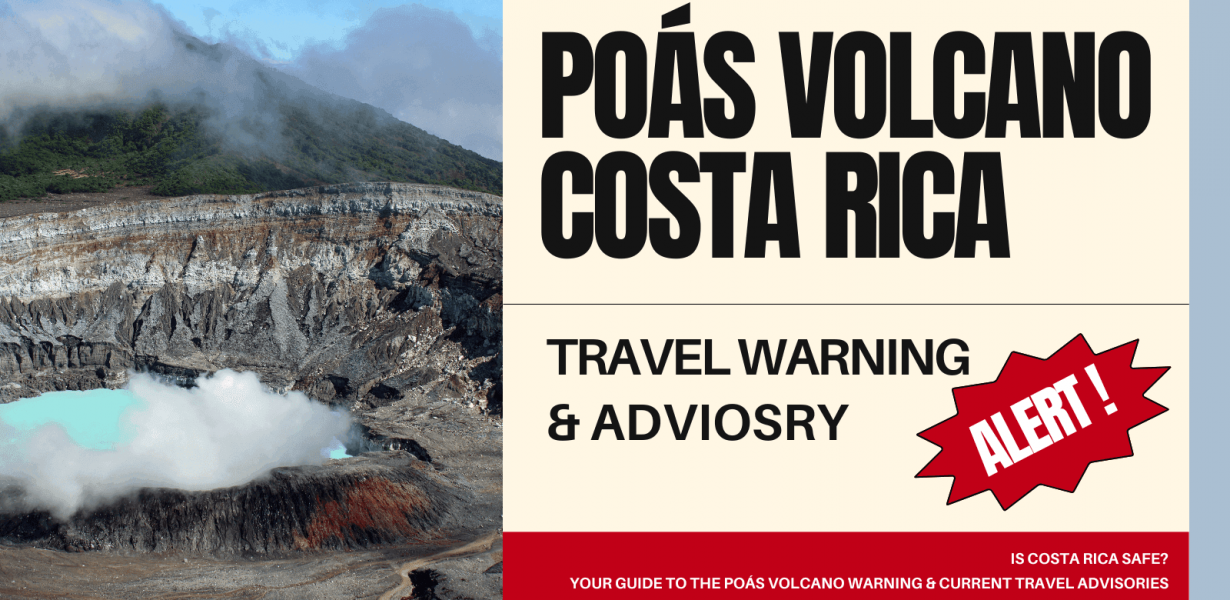

Costa Rica draws over three million visitors annually with promises of lush rainforests, pristine beaches, and volcanic landscapes. In spring 2026, continued volcanic monitoring at Poás Volcano and evolving safety advisories have kept travelers on alert. Following the intense activity of 2025, the Costa Rican National Emergency Commission (CNE) maintains a strict watch on Poás Volcano National Park, which saw significant closures throughout 2025 due to powerful eruptions and ash plumes reaching up to 4,500 m above the crater.
This naturally leads to questions: Is it still safe to travel to Costa Rica? Can I visit its other volcanic wonders? What precautions should I take?
This comprehensive guide aims to address these concerns, providing you with the latest information to help you make informed decisions for a safe and unforgettable journey.

Red Alert Declared for Poás Volcano
Is it safe to visit the active volcanoes in Costa Rica now? According to the latest information, access to Poás Volcano National Park in 2026 will still be conditional, with strict regulations in place. While the 2025 RED alert saw the park closed for extended periods due to heightened eruptive activity, seismic unrest, and gas emissions, authorities now operate on a “dynamic access” model. However, any spike in activity can trigger immediate closures.
Although a green alert may be issued, access to the crater area remains restricted for a limited period.
Keep reading to learn more about the situation.
Intensified Volcanic Activity
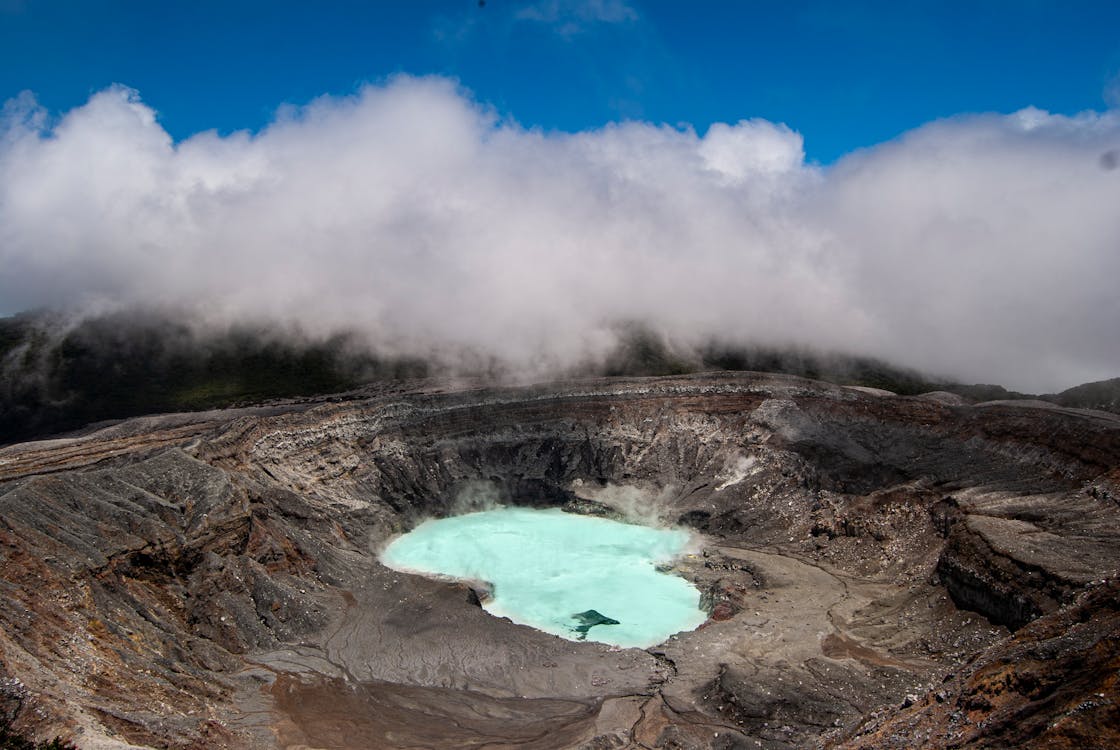
According to the Volcanological and Seismological Observatory of Costa Rica (OVSICORI-UNA) and the CNE, Poás Volcano entered a notably active phase in early 2025 that has persisted with intermittent intensity into 2026. This activity is characterized by:
- Significant ash plumes: Eruptions have sent columns of ash and gas soaring, at times reaching heights of 3.5 to 4.7 kilometers above the crater. This ash has been carried by winds to nearby communities, including Grecia, Sarchí, Alajuela, Poás, Zarcero, Naranjo, Río Cuarto, Heredia, and even parts of San José.
- Gas emissions: The volcano is emitting substantial amounts of sulfur dioxide (SO₂), with measurements indicating hundreds to thousands of tons per day. These gases can pose respiratory risks. OVSICORI has also identified a red glow in the crater, attributed to burning sulfur.
- Incandescent material: Some eruptions have ejected incandescent rock fragments.
- Seismic activity: Persistent seismic tremors and earthquakes signal ongoing volcanic unrest.
Poás Volcano National Park Access in 2026
The park reopened on July 30, 2025. However, due to volcanic activity in 2025, Poás Volcano National Park may experience temporary or extended closures based on real-time gas sensor readings. If official channels indicate a park closure, visitors should not attempt to enter the park or its restricted areas.
Poás Volcano and Surrounding Areas Alert Level
Orange alert: According to the latest risk classification document issued by the National Emergency Management Agency (CNE), the main area of Poás Volcano and National Park remains at Orange alert level. This indicates that the volcano remains active, posing risks such as eruptions, steam explosions, gas emissions, and falling rocks.
Yellow alert: In Cantón de Sarchí, besides Toro Amarillo, there is also Cantón de Grecia. These areas require ongoing monitoring as they are significantly affected by volcanic ash and gas dispersion.
Health precautions: Residents and those in affected areas are advised to use N95 masks to protect against ash and gases, which can cause respiratory issues, eye irritation, and skin allergies. Limiting outdoor exposure during periods of heavy ashfall is also recommended.
Lahar risk: Authorities maintain warnings for potential lahars (volcanic mudflows) in rivers like the Desagüe and Agrio, especially during the heavy rains of the 2026 green season.
It is paramount for travelers to rely on official information channels for the latest updates. These include:
Can You Visit Other Active Volcanoes
Costa Rica is home to several other active and dormant volcanoes, such as Arenal, Irazú, Rincón de la Vieja, and Turrialba. While the Red Alert is specific to Poás, it’s always wise to check the current status and any advisories for any volcano you plan to visit.
Arenal Volcano, for example, is currently in a passive state, and its surrounding area (La Fortuna) remains a very popular and generally safe tourist destination. However, Turrialba Volcano has also had periods of activity and closures in the past.
Always verify park opening times, access restrictions, and safety guidelines before your visit. Most other volcanic parks remain open, but diligence is key.

Costa Rica Travel Advisory 2026
Beyond the specific concerns around Poás Volcano, it’s important to be aware of the general Costa Rica travel advisory landscape for 2026. Governments, including the U.S. Department of State and the Canadian Government, continue to advise citizens to “exercise increased caution” primarily due to crime trends observed over the last two years.
Understanding the Risks
Petty crime: This is the most common concern for tourists. Pickpocketing, bag snatching, and theft from unattended vehicles are prevalent, especially in:
- Crowded tourist areas and popular beaches.
- Bus terminals and on public transportation.
- Downtown areas of cities, particularly San José.
- Hotel lobbies and restaurants.
- Rental cars (valuables should never be left visible, even in a locked car, and preferably not in the car at all). Car jammers can be used by thieves to prevent doors from locking with a fob.
Violent crime: While less common against tourists, violent crimes, including armed robbery, carjacking, sexual assault, and homicide, do occur. Recent reports in early 2025 indicate a rise in homicides in Costa Rica, largely attributed to organized crime and drug trafficking. While these incidents don’t typically target tourists directly, they can contribute to an overall less secure environment in certain areas and increase the risk of being in the wrong place at the wrong time.
Scams: Be wary of credit card skimming and overcharging, especially in tourist hubs. Use ATMs in reputable locations and monitor your statements.
Unregulated alcohol: There have been past reports of tourists falling ill or dying from consuming unregulated alcohol contaminated with methanol. Purchase alcohol from reputable establishments only.
Drugged drinks/food: Be cautious about accepting food, drinks, gum, or cigarettes from new acquaintances, as they may contain drugs intended to facilitate robbery or assault. Never leave your food or drinks unattended.
Where Not to Travel (or Exercise Extreme Caution)
Based on current advisories and local reports, travelers should exercise particular caution or consider avoiding:
- Poás exclusion zone, stay clear of restricted areas near the crater.
- Certain areas of San José, especially after dark: This includes the “Coca-Cola” bus terminal area, some downtown streets, and any poorly lit or isolated neighborhoods. If out at night, use licensed taxis or reputable ride-sharing services.
- Limón and Puntarenas provinces: These areas have reported higher rates of violent crime, often linked to drug trafficking. While many tourist activities occur in these provinces (e.g., the Caribbean coast in Limón, Pacific beaches in Puntarenas), increased vigilance is essential.
- Isolated beaches, trails, or roads, especially alone or at night: These can present higher risks for robbery or assault.
- Areas near the Juan Santamaria International Airport (SJO) in Alajuela have also been highlighted for increased caution regarding theft.
It’s important to note that millions visit Costa Rica safely each year. These advisories are not meant to deter travel entirely but to encourage informed and cautious behavior.
Best Places to Travel in Costa Rica (Beyond Poás)
Despite the current Costa Rica travel warning, this vibrant nation is packed with stunning destinations that remain safe and welcoming for tourists. Here are some highly recommended areas where you can still experience Costa Rica’s “Pura Vida”:
La Fortuna & Arenal Volcano
Although Arenal is an active volcano, it’s currently in a resting phase, and the area is a hub for adventure. Enjoy hot springs heated by volcanic geothermal activity, zip-lining, hanging bridges through the rainforest canopy, waterfall hikes (like La Fortuna Waterfall), and stunning views of the conical Arenal Volcano.

Monteverde Cloud Forest Reserve
Experience the magic of the cloud forest, home to an incredible array of biodiversity, including the resplendent quetzal. Walk among the treetops on hanging bridges, go birdwatching, or try a thrilling canopy tour.
Manuel Antonio National Park & Beach
A picture-perfect blend of beautiful white-sand beaches and lush rainforest teeming with wildlife like monkeys, sloths, and toucans. The park has well-maintained trails.
Pro tip: Manuel Antonio National Park is very popular, so it can get crowded. You can book park tickets in advance online.
Guanacaste Province (Tamarindo, Playa Conchal, Nosara):
Known for its sunny weather, beautiful Pacific beaches, surfing, and resort amenities. Tamarindo is lively with surf schools and nightlife. Playa Conchal is famous for its beach made of crushed shells. Nosara is a haven for yoga retreats and a more laid-back vibe.

Puerto Viejo de Talamanca & the Caribbean Coast
Experience a different side of Costa Rica with its Afro-Caribbean culture, reggae rhythms, spicy cuisine, and stunning beaches like Punta Uva and Manzanillo. Great for surfing, snorkeling, and visiting wildlife rescue centers.
Osa Peninsula & Corcovado National Park
One of the most biodiverse places on Earth. For the intrepid traveler, Corcovado offers rugged rainforest trekking and unparalleled wildlife viewing (tapirs, jaguars (rarely seen), scarlet macaws). Drake Bay is a common launching point.
Pro tip: Visiting Corcovado National Park requires a certified guide. It’s more challenging logistically and physically, but incredibly rewarding.
Uvita & the Marino Ballena National Park
Famous for the “Whale Tail,” a sandbar formation visible at low tide. It’s a great spot for whale watching (humpback whales migrate here at certain times of the year), snorkeling, and enjoying less crowded beaches.
When choosing your destinations, consider the current Costa Rica travel advisory and your comfort level. Many tour operators are well-versed in safety protocols and can provide guidance.
Frequently Asked Questions
Is it safe to visit the active volcanoes in Costa Rica now (2026)?
Yes, but with caveats. Poás Volcano is the most volatile currently and may have restricted access. Arenal and Irazú are generally stable. Always check with CNE or OVSICORI-UNA before your trip.
What I wish I knew before going to Costa Rica?
Many travelers wish they had a better understanding of:
- Petty crime reality: While Costa Rica is amazing, petty theft is common. Constant vigilance with belongings is necessary.
- Driving conditions: Roads can be challenging with potholes, unpaved sections, and unpredictable local driving habits. A 4WD is often beneficial, and driving at night is generally discouraged in unfamiliar areas.
- Rainy season vs. dry season: The country’s weather varies. The dry season (roughly December to April) is popular, but the green/rainy season (May to November) offers lush landscapes and fewer crowds, though you should be prepared for rain. May is the start of the rainy season.
- Cash and currency: While credit cards are widely accepted, having some Costa Rican Colones (CRC) is useful for smaller purchases, local eateries, and public transport.
What is the best month to go to Costa Rica?
This depends on your priorities:
Dry season (December to April): Generally considered the best for sunny weather, especially for beach destinations on the Pacific coast. It’s also peak tourist season, so expect higher prices and more crowds.
Green season / rainy season (May to November): Landscapes are lush and vibrant. Mornings are often sunny, with rain showers typically in the afternoon. You’ll find fewer crowds and potentially lower prices. September and October are usually the rainiest months, especially on the Pacific side. The Caribbean coast has a different weather pattern and can be drier during these months.
May, specifically, is the beginning of the green season. You can expect sunny mornings and afternoon showers.
With the Poás Volcano alert, should I cancel my trip to Costa Rica?
Not necessarily. Costa Rica is a diverse country with many other regions and attractions that are unaffected and remain safe and open to tourists. The key is to stay informed, be flexible with your itinerary if it includes Poás, and follow general safety advice. Check the Costa Rica travel advisory from your country and make an informed decision based on your comfort level.
How can I stay updated on the Poás Volcano situation?
Monitor official sources:
- Comisión Nacional de Emergencias (CNE): Costa Rica’s National Emergency Commission.
- OVSICORI-UNA: The Volcanological and Seismological Observatory of Costa Rica.
- SINAC (Sistema Nacional de Áreas de Conservación): The National System of Conservation Areas, for park status.
- Your country’s embassy or consulate in Costa Rica.
Are masks necessary in Costa Rica due to the volcano?
N95 masks are specifically recommended by health officials if you are in areas affected by ashfall or strong volcanic gas odors from Poás Volcano (e.g., communities under Orange or Yellow alerts). For general travel in other parts of Costa Rica, unaffected by volcanic emissions, masks are not currently a widespread requirement related to volcanoes, but it’s always good to have some for general health, dust, or if you are sensitive.




There are no comments.