

Summer is the quintessential time for family vacations, epic road trips, and making memories under wide-open skies. It is also the prime time for exploring the treasures of the U.S. National Park System.
While some parks bake under the summer sun, others truly come alive, offering accessible trails, stunning wildflowers, gushing waterfalls, and abundant wildlife. Whether you’re planning a mid-June escape before the high season crowds or scouting the best national parks to visit in July and August, this guide introduces you to the ultimate summer vacations from coast to coast.
1. Yellowstone National Park, Wyoming, Montana, Idaho
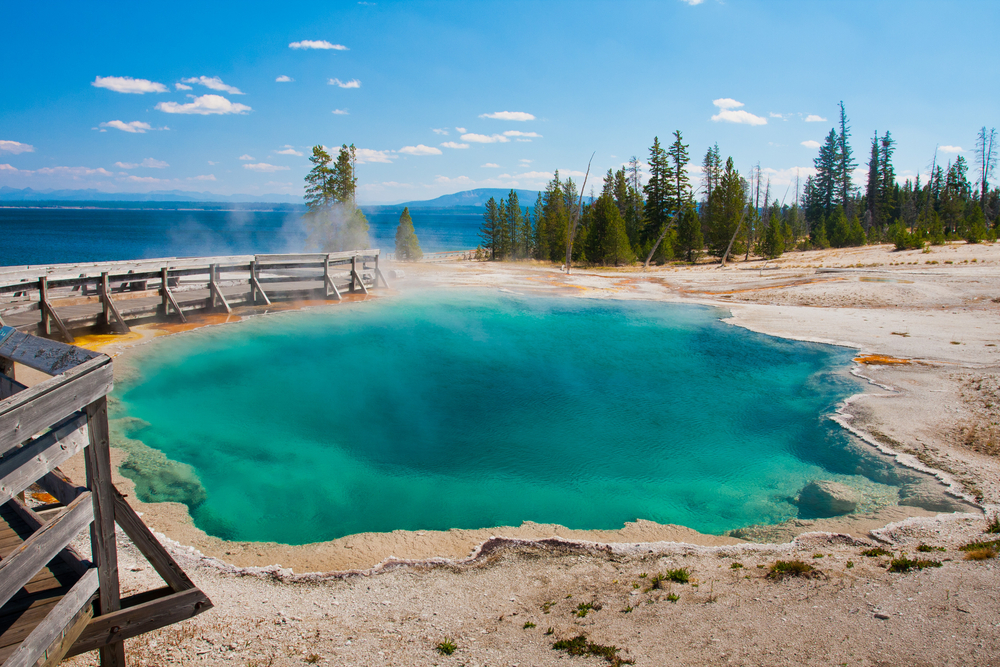
Yellowstone is a geothermal playground unlike anywhere else on Earth. Imagine boardwalks winding past steaming geysers erupting skyward (hello, Old Faithful!), rainbow-colored hot springs like the Grand Prismatic Spring dazzling your eyes, and bubbling mud pots gurgling like a witch’s brew. Summer grants access to the entire park, opening up vast landscapes where massive bison herds roam freely, especially in the wildlife-rich Lamar Valley, often called “America’s Serengeti.”
It’s a park that ignites curiosity, making it one of the best national parks for families in summer. Watching bison cross the road right in front of your car, spotting a distant bear through binoculars, or learning about geology from a park ranger creates unforgettable moments. Don’t miss the sheer power and beauty of the Grand Canyon of the Yellowstone, with its impressive waterfalls. While it’s famously popular, exploring lesser-known geyser basins or venturing onto hiking trails quickly rewards you with more serene experiences in this iconic national park to visit in summer. Early planning for lodging is key!
Highlights: Old Faithful Geyser, Grand Prismatic Spring, Lamar Valley (wildlife), Grand Canyon of the Yellowstone, Mammoth Hot Springs, abundant wildlife (bison, elk, bears).
2. Glacier National Park, Montana
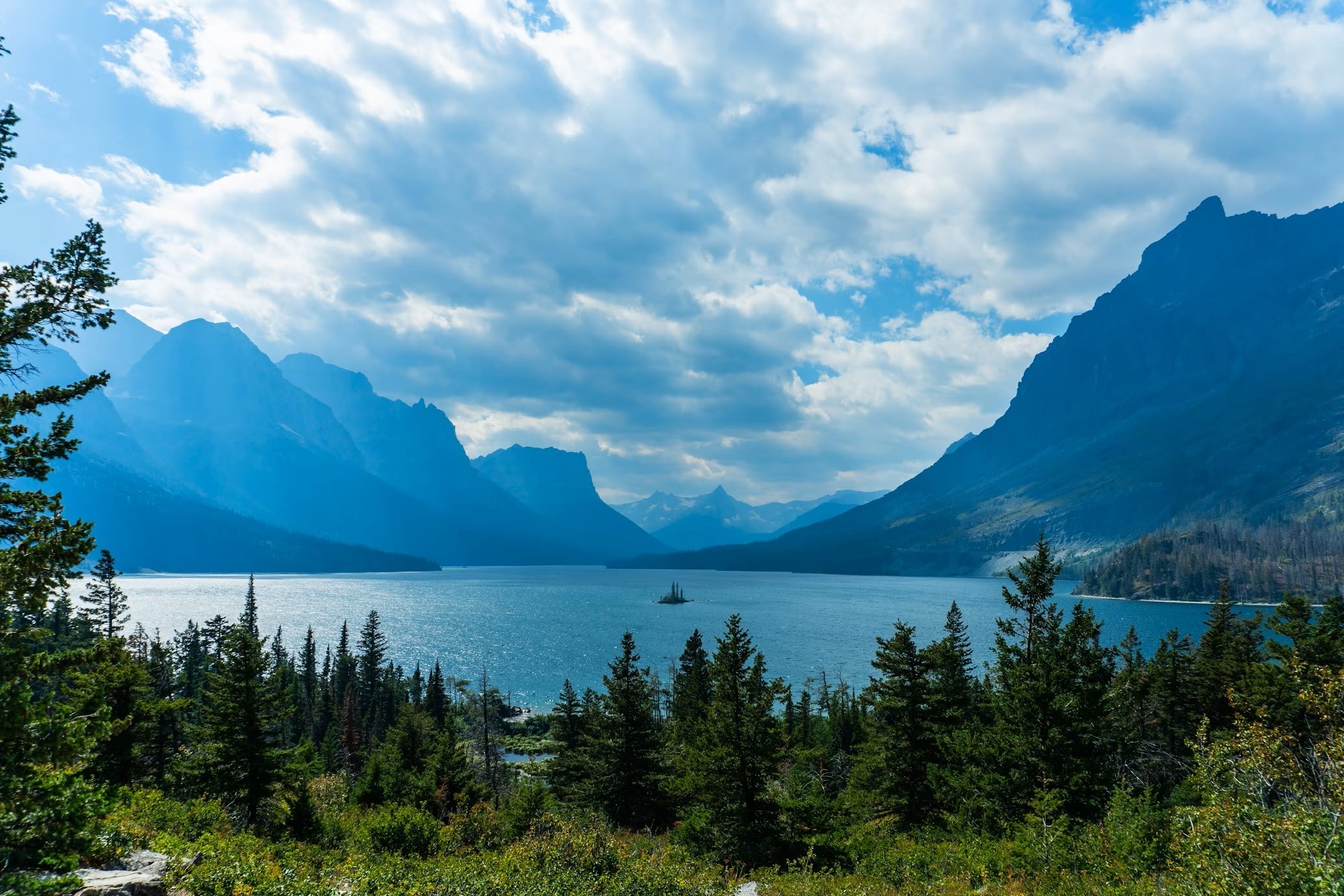
Often called the “Crown of the Continent,” Glacier is a bucket-list park for many, and summer is the time to see it shine. While the famous Going-to-the-Sun Road often doesn’t fully open until late June or early July due to snowpack, waiting is worth it. The drive itself is breathtaking, carving through glacial valleys and offering jaw-dropping overlooks. Summer melts transform the landscape into a hiker’s paradise with accessible trails leading to turquoise alpine lakes, wildflower meadows (peak bloom often hits late June/early July!), and yes, actual glaciers.
Expect cool mornings and evenings, even in July and August, and be prepared for potential afternoon thunderstorms or smoke from regional wildfires. Wildlife viewing is exceptional – keep an eye out for mountain goats, bighorn sheep, marmots, and bears (carry bear spray and know how to use it!).
It’s undoubtedly one of the best national parks to visit in summer, especially for those seeking dramatic mountain scenery and incredible hiking. Families will love boat tours on Lake McDonald or Swiftcurrent Lake.
Highlights: Going-to-the-Sun Road, Logan Pass, hiking to Grinnell Glacier or Avalanche Lake, stunning alpine scenery, abundant wildlife.
3. Yosemite National Park, California
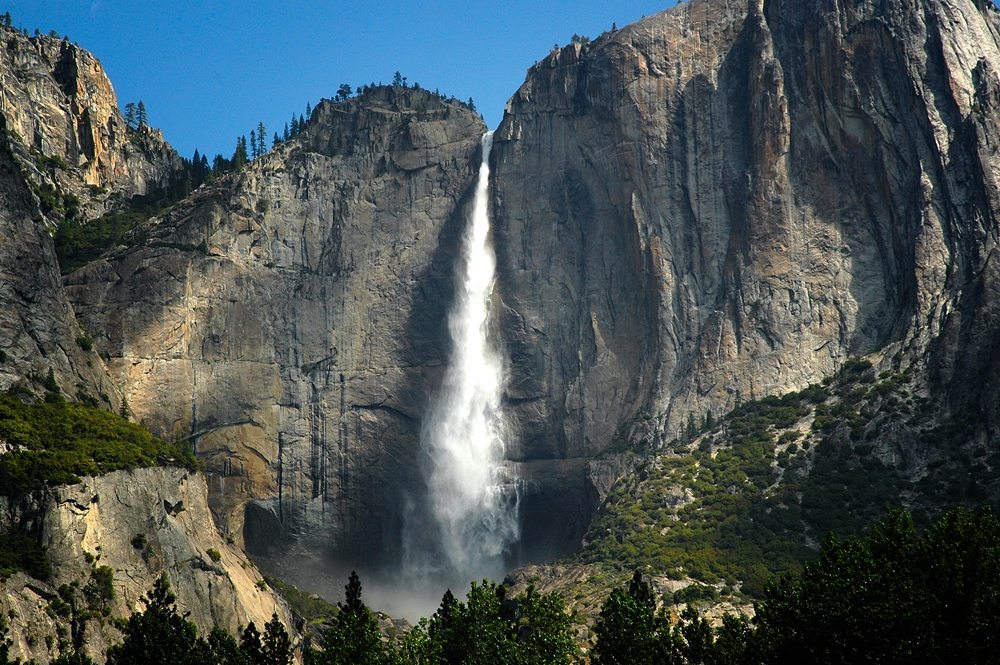
Yosemite is a land of giants – giant granite cliffs like El Capitan and Half Dome, giant ancient sequoia trees reaching for the sky, and giant waterfalls plunging thousands of feet. Summer unlocks the full majesty of this park, opening access to the high country via Tioga Road and Glacier Point Road (usually by June or July). Driving up to Glacier Point for panoramic views of Yosemite Valley, Half Dome, and the High Sierra is an absolute must-do. While waterfall flow peaks earlier, Bridalveil and Nevada Falls remain impressive.
Wandering through the Mariposa Grove among colossal sequoias feels like stepping into another world. In Yosemite Valley, crane your neck to appreciate the sheer scale of El Capitan, a mecca for rock climbers. For a different perspective, escape the Valley crowds and explore the high-alpine meadows and pristine lakes around Tuolumne Meadows (accessible via Tioga Road). Yosemite National Park in the summer offers grandeur on an epic scale. Just be sure to check reservation requirements, as this icon is incredibly popular, and plan well ahead!
Highlights: Yosemite Valley views (Tunnel View, Valley View), El Capitan, Half Dome, Bridalveil Fall, Mariposa Grove of Giant Sequoias, Tioga Road & Tuolumne Meadows (high country).
4. Olympic National Park, Washington
Want diversity? Olympic offers three distinct ecosystems: glacier-capped mountains, lush temperate rainforests, and wild Pacific coastline. Summer provides the best chance for sunny weather across all zones. Hike amidst vibrant wildflowers on Hurricane Ridge for panoramic mountain views, wander through the moss-draped Hoh Rainforest (it really feels prehistoric!), and explore dramatic sea stacks and tide pools along Rialto Beach or Ruby Beach.
Hike the Hall of Mosses trail, sunlight filtering through impossibly green canopy, or watching the sunset paint the sky over the Pacific Ocean from Second Beach. Kayak on the serene, glacially-carved Lake Crescent, or listen to the roar of Sol Duc Falls. The sheer variety is astounding. Because the park zones are spread out, allow driving time, but the reward is experiencing incredible ecological diversity, making Olympic one of the most unique and best national parks to visit in summer.
Highlights: Hurricane Ridge views and trails, Hoh Rainforest (Hall of Mosses), Rialto Beach and Ruby Beach (coastline), Lake Crescent, Sol Duc Falls.
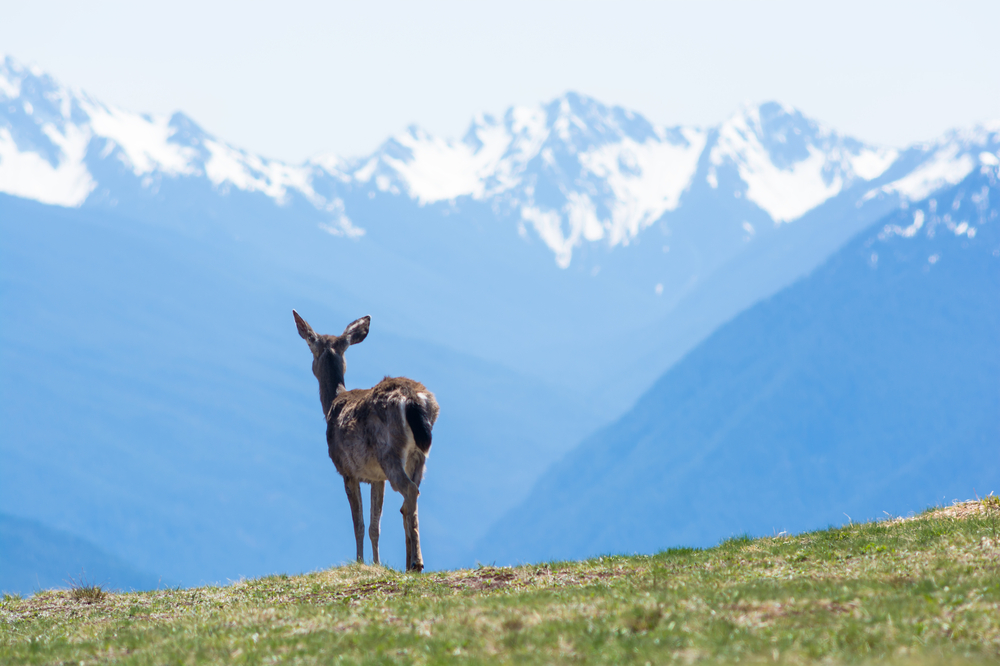
5. Rocky Mountain National Park, Colorado
Just a short drive from Denver, Rocky Mountain National Park offers easily accessible alpine wonders. Summer means the spectacular Trail Ridge Road – the highest continuous paved road in North America – is open, offering tundra views above 11,000 feet. Wildflowers carpet the meadows, and wildlife like elk and bighorn sheep are frequently spotted, sometimes even causing traffic jams! It’s easily one of the best national parks for families in summer, with numerous accessible trails like the Bear Lake Loop or Sprague Lake Loop.
Families will appreciate Bear Lake Road, where easy loops around Sprague and Bear Lakes suit strollers and small legs. Evening ranger talks at Moraine Park Campground add a dash of learning—and they’re free.
The park is incredibly popular, and a timed entry permit system is often in place during summer to manage crowds, so book ahead. Afternoon thunderstorms are common; remember to plan hikes for the morning.
Highlights: Trail Ridge Road, Bear Lake Road corridor hikes (Emerald Lake, Alberta Falls), abundant elk viewing, accessible alpine tundra.
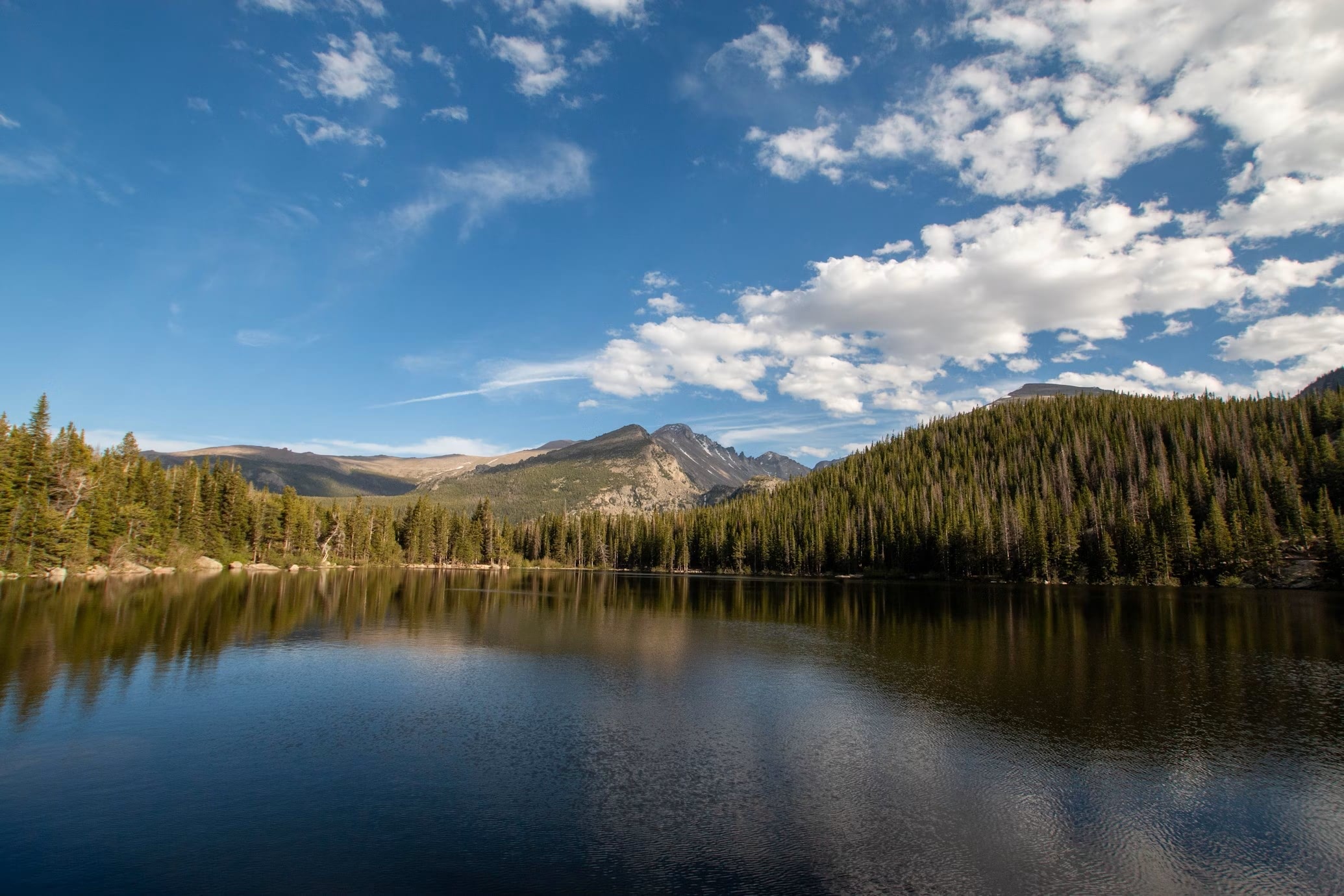
6. Acadia National Park, Maine
On the rugged coast of Maine, Acadia National Park in the summer shines with ocean views and forested trails. Early summer temperatures hover in the 60s–70s, perfect for biking the Carriage Roads or catching sunrise atop Cadillac Mountain—the first spot in the U.S. to see dawn. The salty air, the scent of pine, the cry of gulls – it’s pure New England coastal magic.
There’s so much to do here! Explore the fascinating tide pools teeming with critters at low tide along the rocky shore, take a refreshing swim in the surprisingly clear waters of Echo Lake, or challenge yourself with thrilling cliffside hikes like the Beehive Trail (using iron rungs!). Afterwards, relax with tea and popovers at the Jordan Pond House, overlooking the serene pond and rounded mountains known as the Bubbles. Its variety makes Acadia National Park in the summer fantastic for everyone, from adventurous hikers to families looking for scenic drives and beach time. Using the free Island Explorer shuttle is a smart way to navigate during the busy July and August season.
Highlights: Cadillac Mountain sunrise, scenic Park Loop Road, hiking the Beehive or Precipice trails (for experienced hikers), biking Carriage Roads, exploring tide pools, Jordan Pond House.
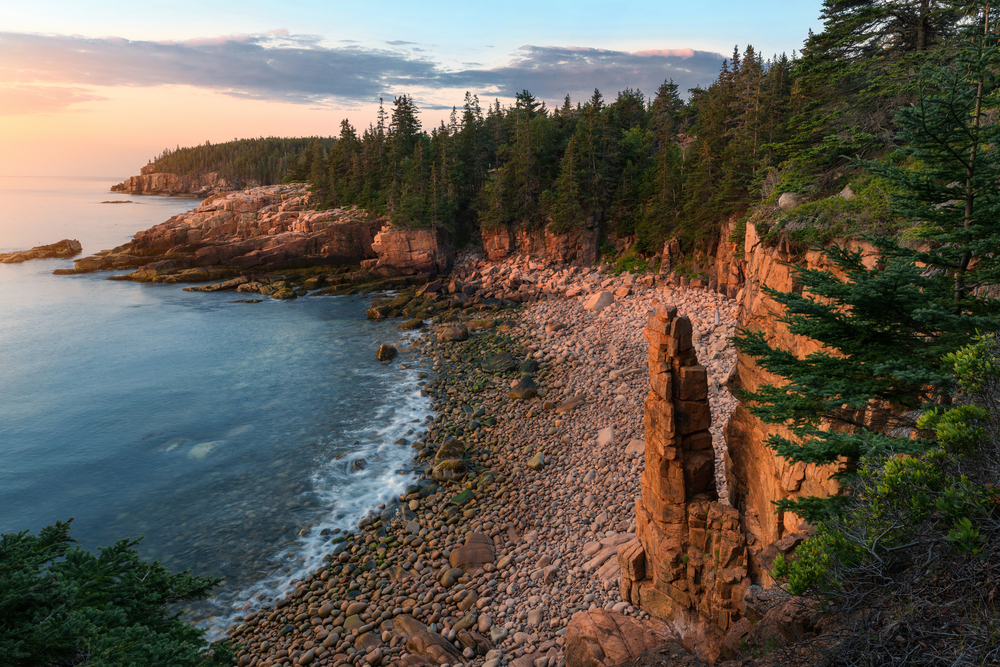
7. Grand Teton National Park, Wyoming
Prepare for your jaw to drop. The Teton Range doesn’t gradually rise; it explodes dramatically from the flat floor of Jackson Hole, creating an unforgettable skyline. Grand Teton National Park protects this stunning vista, along with pristine glacial lakes nestled at the mountains’ feet. Summer days are perfect for soaking it all in. Take the scenic shuttle boat across Jenny Lake – the reflection of the peaks on the water is picture-perfect – and then hike into the breathtaking Cascade Canyon, feeling dwarfed by the granite walls.
Wildlife encounters are part of the Teton magic. Keep an eye out for moose wading in the wetlands along Moose Wilson Road, pronghorn grazing in sagebrush flats, and maybe even a bear! Iconic photo spots abound, from the historic barns of Mormon Row with the Tetons as a backdrop, to the winding Snake River Overlook made famous by Ansel Adams, or the morning reflections at Oxbow Bend. Whether you’re floating the Snake River, hiking to Taggart Lake, or simply enjoying the views from a scenic pull-off, Grand Teton is pure mountain majesty and easily one of the best national parks to visit in July and August.
Highlights: Dramatic Teton Range views, Jenny Lake boat shuttle and Cascade Canyon hike, Oxbow Bend reflections, Mormon Row historic barns, abundant wildlife (moose, bison, pronghorn).
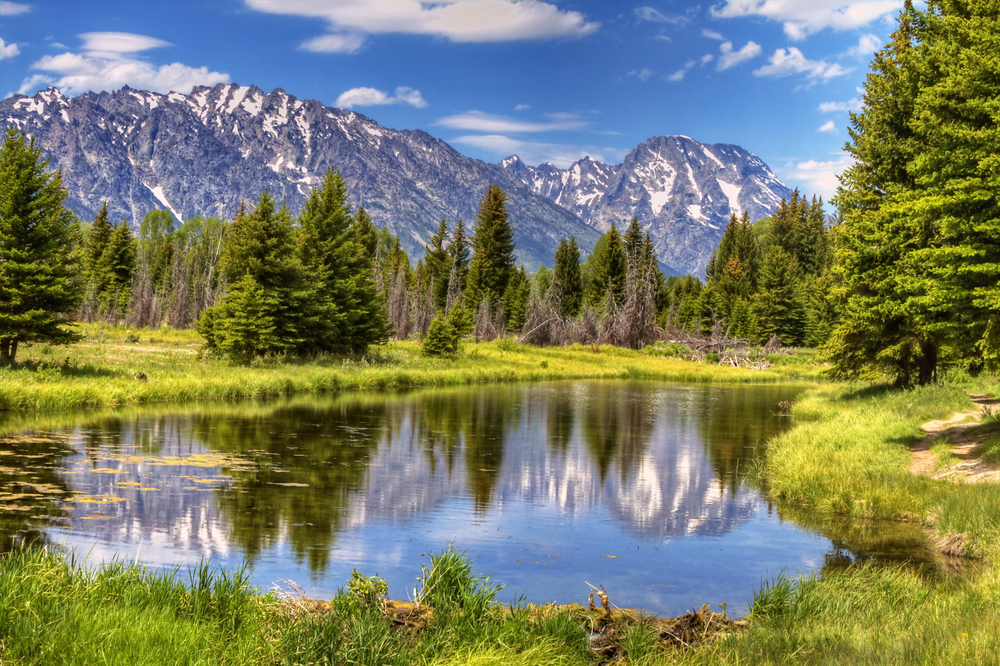
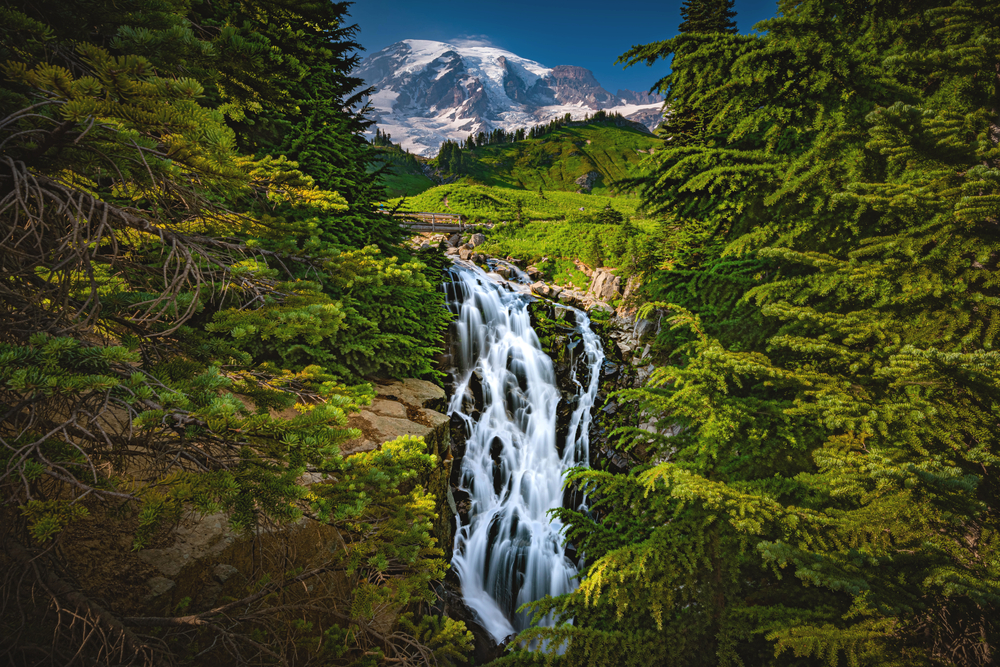
8. Mount Rainier National Park, Washington
Mount Rainier doesn’t just dominate the landscape – it is the landscape. This massive, glacier-laden volcano is the star of the show, and summer is when its slopes truly come alive. Mid-July through August typically brings the peak wildflower bloom, especially in the aptly named Paradise area. Hiking the Skyline Trail here feels like walking through a painting, with vibrant lupine, paintbrush, and avalanche lilies carpeting the meadows beneath the volcano’s icy summit.
But Paradise isn’t the only viewpoint. Drive up to Sunrise, the highest point accessible by car, for a different, equally breathtaking perspective of Rainier and the surrounding Cascade Range. Take a gentle walk through the ancient giants in the Grove of the Patriarchs, or capture that perfect reflection shot at Reflection Lakes early in the morning. While climbing Rainier is for experts, numerous trails offer incredible views for all. For wildflower lovers and volcano admirers, Rainier is undeniably one of the best national parks to visit in summer. Arrive early to enjoy the splendor before the crowds peak!
Highlights: Paradise area wildflower meadows and Skyline Trail, Sunrise area views, Grove of the Patriarchs (old-growth forest), Reflection Lakes, stunning volcano views.
9. Zion National Park, Utah
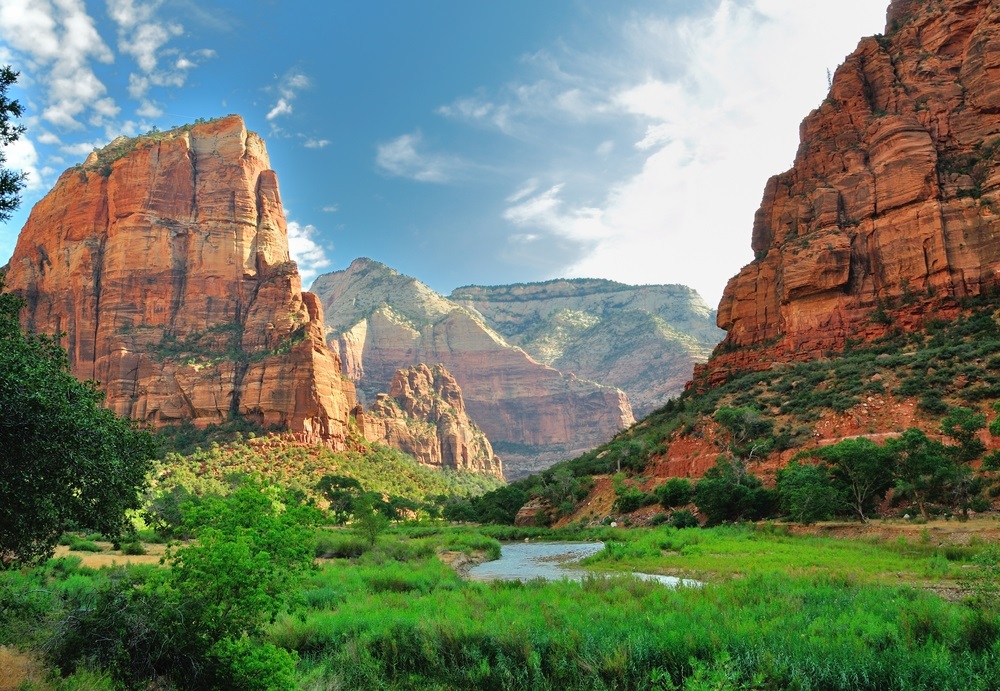
Prepare to feel small in the best way possible! Zion Canyon’s colossal sandstone cliffs, painted in dramatic hues of red, orange, and cream, rise thousands of feet from the canyon floor, carved over millennia by the Virgin River. Summer days are hot, but the park’s excellent shuttle system whisks you through the main canyon, making exploration manageable. The true star for cooling off is the Virgin River itself – especially on the famous Narrows hike, where you literally walk in the river through a spectacular slot canyon (check conditions first!).
Even if wading through a river isn’t your style, paved paths like the Pa’rus Trail (great for bikes!) and the Riverside Walk offer stunning canyon views accessible to everyone, leading you deeper into the canyon’s beauty towards the entrance of The Narrows. For thrill-seekers, the permit-only Angels Landing hike offers dizzying exposure and unforgettable views (if you can snag a lottery spot!). The sheer vertical scale of Zion is breathtaking, offering a unique desert canyon experience that makes it a compelling, albeit hot, national park to visit in summer.
Highlights: Zion Canyon Scenic Drive (via shuttle), hiking The Narrows, Angels Landing (permit required), Emerald Pools Trail, Riverside Walk, towering sandstone cliffs.
10. Kenai Fjords National Park, Alaska
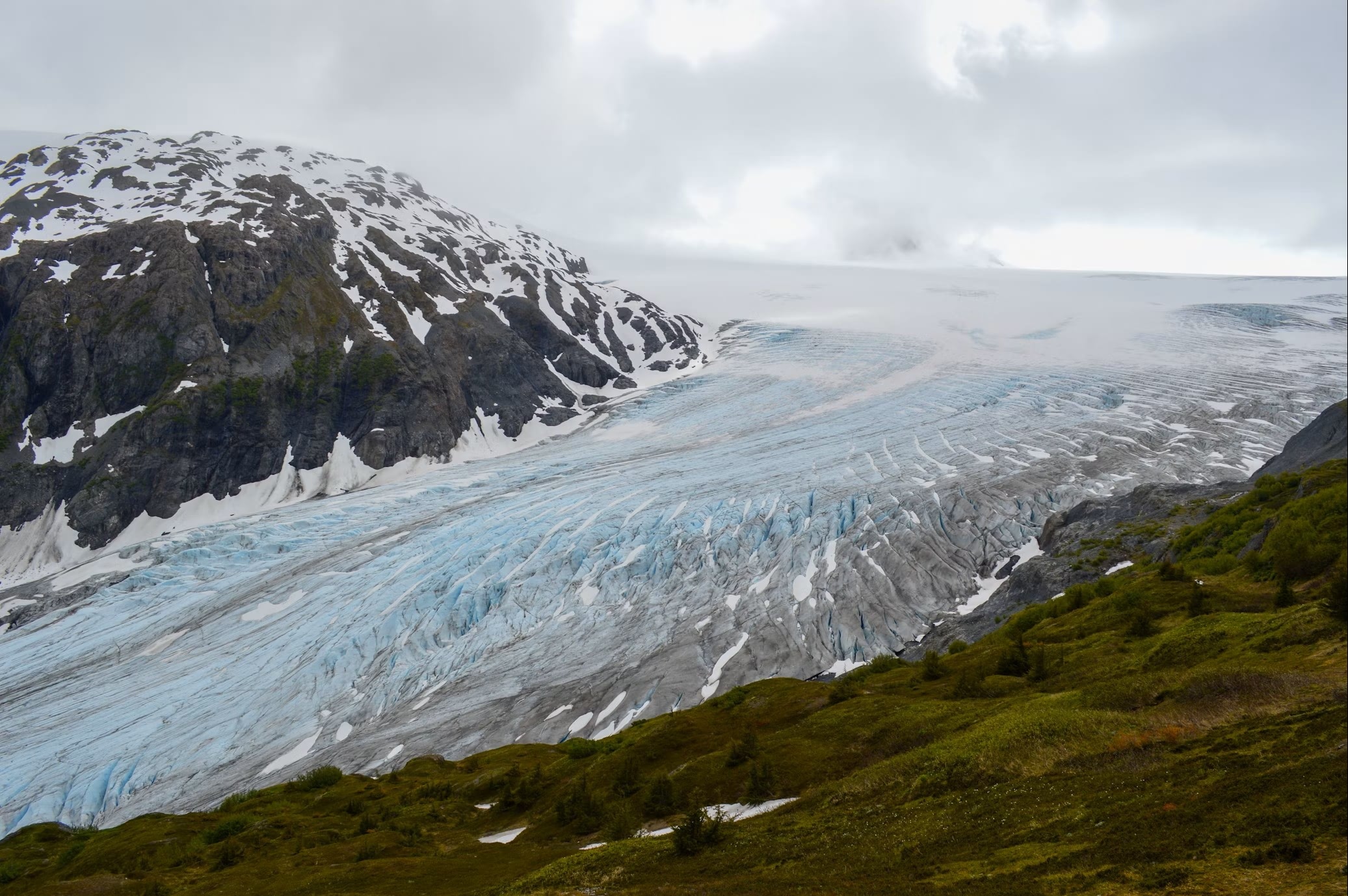
Alaska’s Kenai Fjords delivers a wild coastal spectacle. The park protects the immense Harding Icefield, a relic of the last ice age, and the dramatic fjords carved by its outflowing glaciers. Summer, particularly July and August, offers the longest days and best chance for favorable weather to witness this icy wonderland. The absolute best way to experience it is via a boat tour departing from the nearby town of Seward. Imagine cruising past towering cliffs teeming with seabirds, watching sea otters float on their backs, and holding your breath as a massive tidewater glacier dramatically calves chunks of ice into the ocean with a thunderous roar!
Besides the boat tours, you can get up close to Exit Glacier via easy walking trails, or for the truly adventurous, tackle the strenuous Harding Icefield Trail for jaw-dropping views over the vast expanse of ice. Kayaking tours offer another perspective, paddling silently amidst seals and stunning fjord scenery. Seeing whales breach or spotting adorable puffins bobbing on the waves makes this an unforgettable wildlife adventure.
Highlights: Boat tours for glacier viewing (calving!) and marine wildlife (whales, puffins), Exit Glacier, Harding Icefield Trail, kayaking in the fjords.
11. North Cascades National Park, Washington
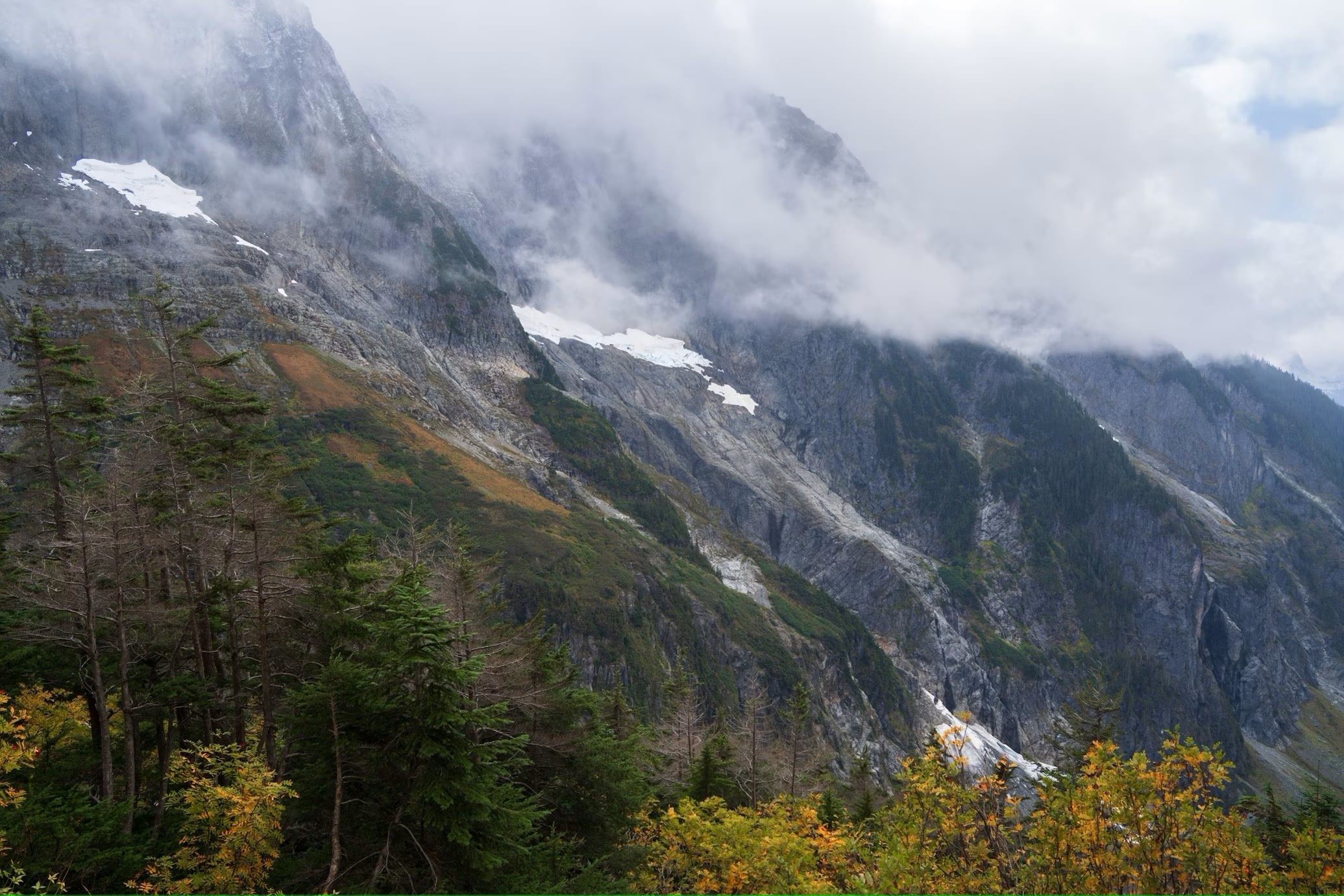
If jagged, snow-streaked peaks, unbelievably blue lakes, and relative solitude sound appealing, then North Cascades might be your perfect summer escape. Often dubbed the “American Alps,” this rugged park feels wilder and less traveled than its Washington neighbors. Summer is crucial here, as it melts snow off the high-elevation trails and fully opens the scenic North Cascades Highway (SR 20), your pathway through paradise. The highway itself offers stunning viewpoints, like the Diablo Lake Overlook, where the water’s unreal turquoise color (thanks to glacial silt) will mesmerize you.
This is a hiker’s park. Trails like the Cascade Pass Trail or the Maple Pass Loop (partially outside the park boundary but offering classic North Cascades views) reward strenuous effort with breathtaking alpine scenery, wildflowers, and maybe even a glimpse of a mountain goat. You won’t find many services here, adding to the remote feel. It’s one of the best national parks to visit in summer for those seeking challenging hikes and grand mountain vistas without the overwhelming crowds found elsewhere.
Highlights: Diablo Lake Overlook, scenic North Cascades Highway (SR 20), hiking (Cascade Pass, Maple Pass Loop), rugged mountain scenery, relative solitude.
12. Shenandoah National Park, Virginia
Rolling blue mountains stretching to the horizon, lush forests, and the scenic ribbon of Skyline Drive – welcome to Shenandoah. This accessible East Coast park offers a peaceful mountain retreat. Summer cloaks the hillsides in vibrant green, wildflowers pop along trailsides, and waterfalls tumble down rocky slopes, providing refreshing destinations for hikers. Driving Skyline Drive is a highlight, with over 75 overlooks inviting you to pull over and soak in the views of the Shenandoah Valley and the Piedmont region.
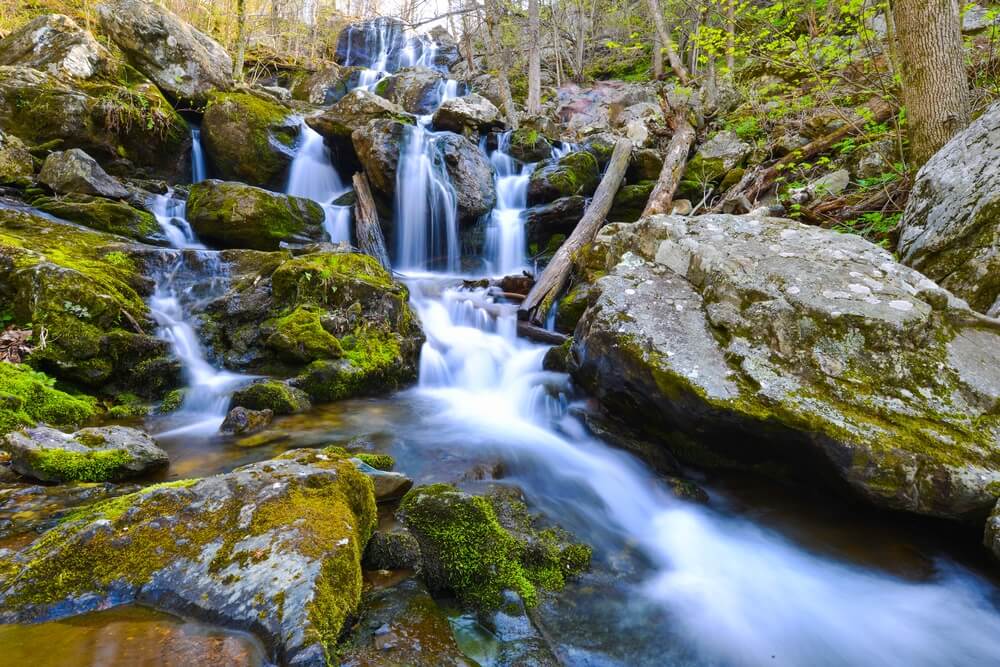
Hit the trails! You can hike a section of the famous Appalachian Trail, which runs the length of the park, or take shorter hikes to beautiful cascades like Dark Hollow Falls (popular but pretty) or the series of falls in Whiteoak Canyon. Keep an eye out for wildlife – deer are abundant, and black bear sightings are relatively common. While summer afternoons can bring haze and humidity, the higher elevations offer cooler temperatures than the surrounding lowlands, making it a delightful national park to visit in June through August for forest bathing and mountain views.
Highlights: Skyline Drive scenic overlooks, hiking to waterfalls (Dark Hollow Falls, Whiteoak Canyon), Appalachian Trail sections, Old Rag Mountain (permit required), lush forests.
13. Great Smoky Mountains National Park, North Carolina & Tennessee
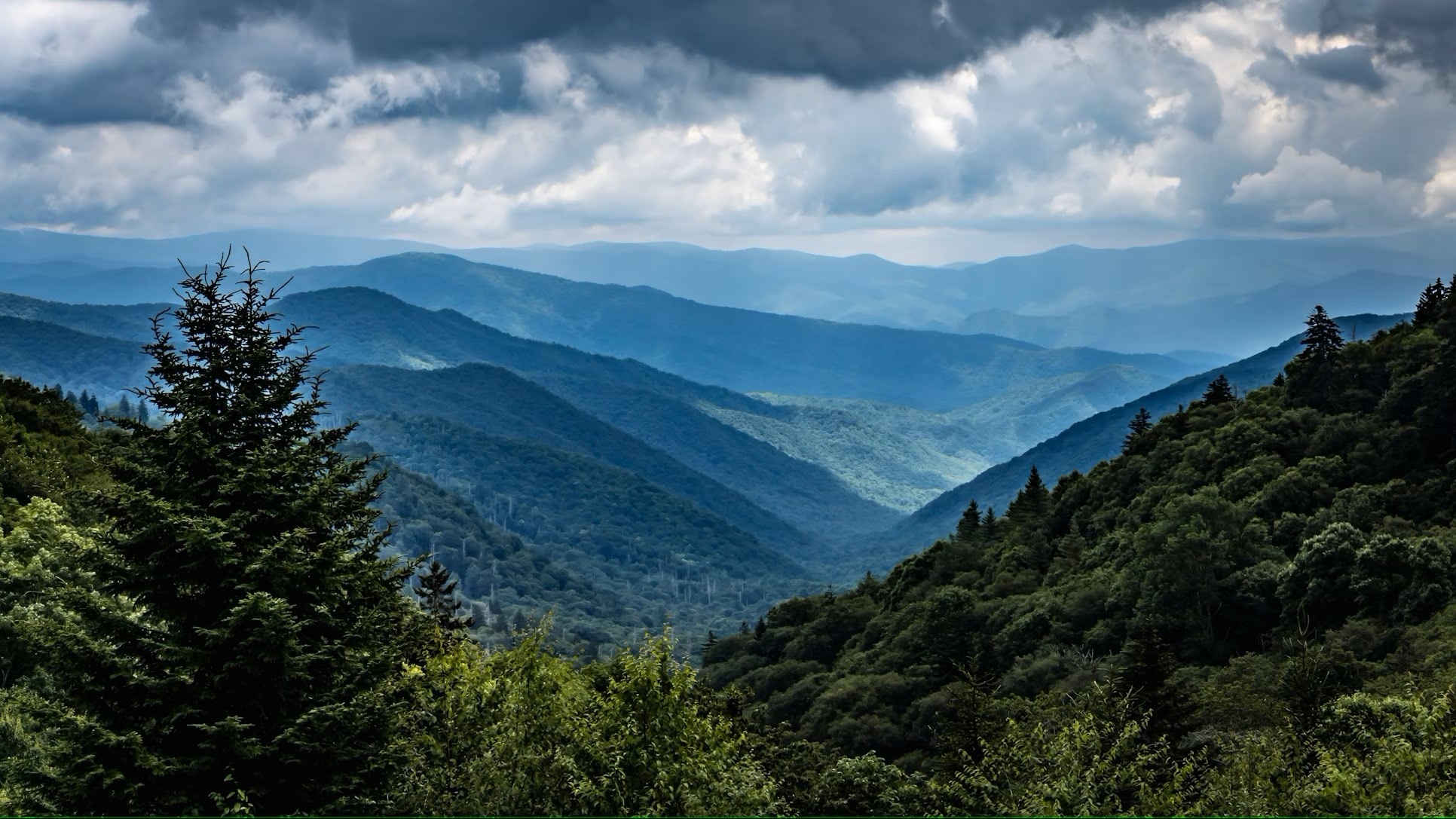
Misty mornings giving way to hazy, layered mountain views, incredibly diverse plant and animal life, and echoes of Appalachian history – the Great Smokies offer a rich tapestry of experiences. As America’s most visited national park, it buzzes with activity in the summer. Drive the 11-mile, one-way Cades Cove Loop Road (go early!) to spot historic cabins, churches, and mills, often alongside grazing deer, turkeys, or even black bears. Hike to lovely waterfalls like Laurel Falls (paved trail!) or Grotto Falls (you walk behind it!).
For the best views, head up to Clingmans Dome, the park’s highest point, where an observation tower offers 360-degree panoramas (on a clear day!). The sheer biodiversity here is astounding – it’s an International Biosphere Reserve. While crowds and summer humidity are factors, the park’s vastness means you can still find quieter trails and peaceful moments. Its accessibility and range of activities make it one of the best national parks for families in summer, offering something for every age and interest.
Highlights: Cades Cove loop (history & wildlife), Clingmans Dome views, hiking to waterfalls, diverse flora and fauna, Roaring Fork Motor Nature Trail.
14. Badlands National Park, South Dakota
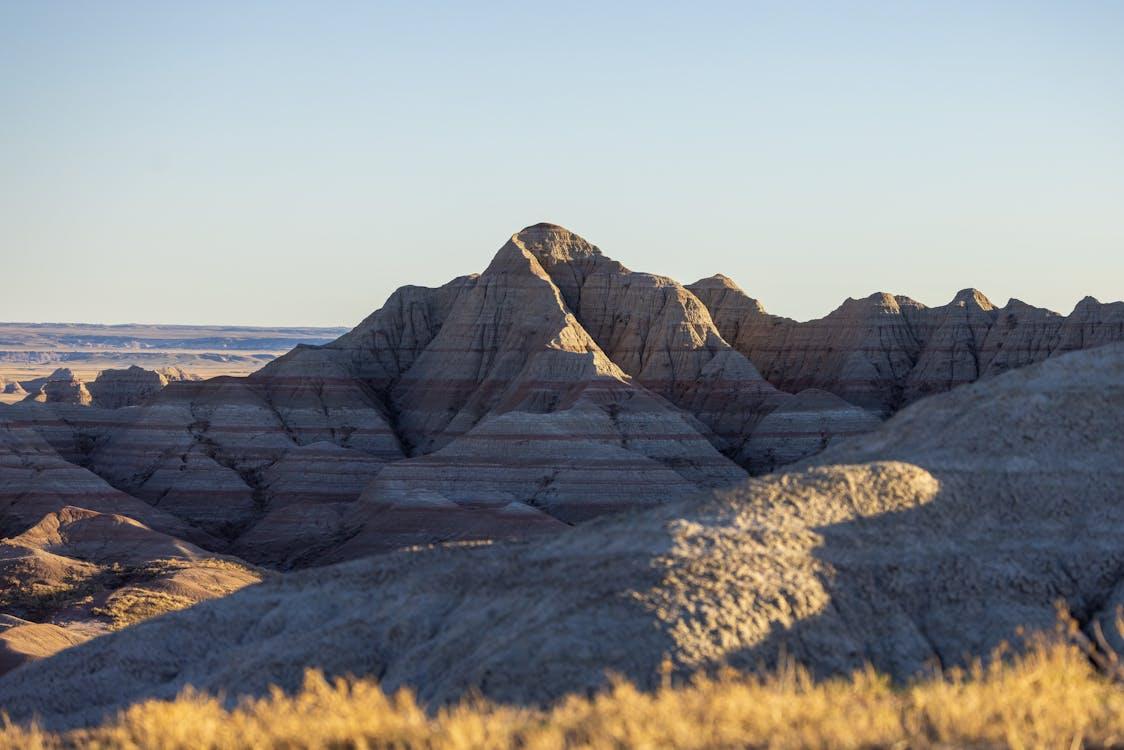
The Badlands landscape is truly unique – a maze of sharply eroded buttes, pinnacles, and canyons striped with layers of color. Driving the Badlands Loop Road (Highway 240) feels like navigating a surreal moonscape, with fantastic viewpoints around every bend. Summer brings dramatic blue skies contrasting with the pale rock formations, and it’s prime time for wildlife viewing. Watch playful prairie dogs pop in and out of their towns, spot majestic bison grazing on the grasslands, and look for agile bighorn sheep navigating the steep slopes.
While summer days get intensely hot, early mornings and late evenings offer comfortable temperatures, soft light perfect for photography, and increased wildlife activity. Short, rewarding trails like the Door Trail, Window Trail, and the slightly more adventurous Notch Trail (with its cool ladder climb!) let you immerse yourself in the formations. It’s relatively easy to navigate and see the highlights in a day or two, often combined with nearby attractions like Mount Rushmore.
Highlights: Badlands Loop Road scenic drive, unique eroded formations, abundant wildlife (bison, prairie dogs), Notch Trail and Door Trail hikes, Ben Reifel Visitor Center.
15. Lassen Volcanic National Park, California
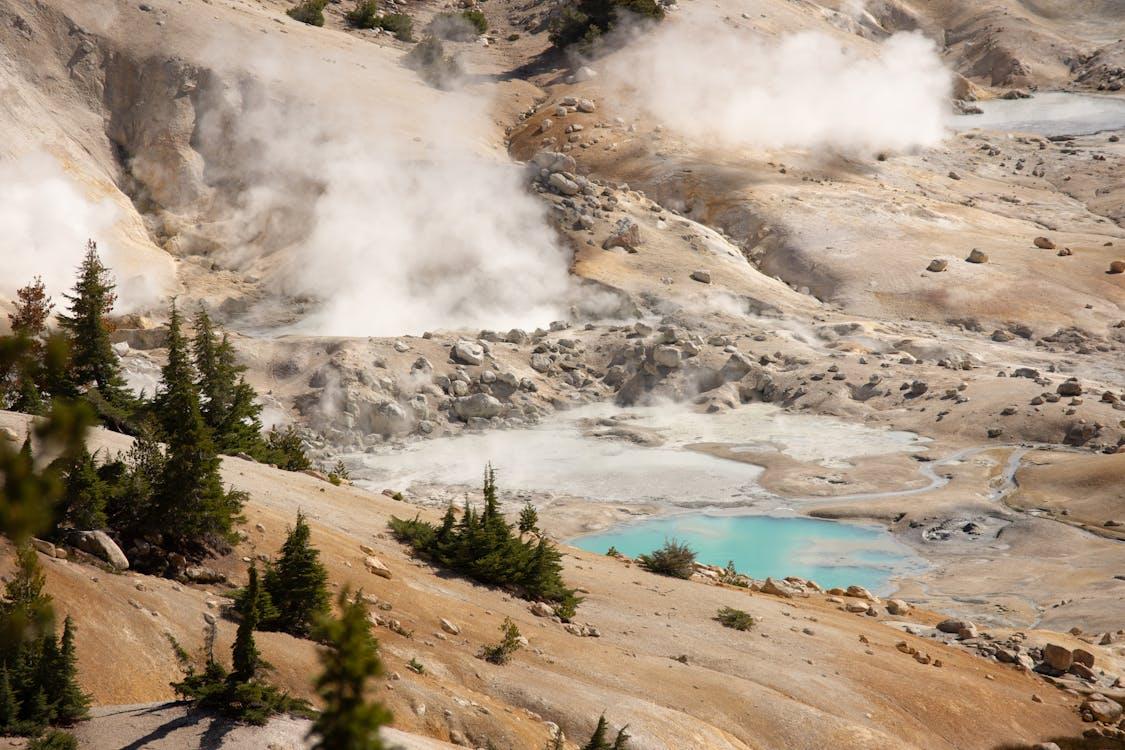
Experience all four types of volcanoes in one place! Lassen Volcanic offers steaming fumaroles, boiling mud pots (like Bumpass Hell), clear mountain lakes, and the towering Lassen Peak volcano. Summer melts finally clear the main park highway, usually by July, granting access to the high country and hydrothermal features. It’s significantly less crowded than California‘s other major parks like Yosemite or Sequoia.
Bumpass Hell boardwalk trail is a must-do to safely view the largest hydrothermal area. Hiking Lassen Peak offers panoramic views on a clear day. Summer nights are fantastic for stargazing due to minimal light pollution. While snow can linger into early summer at higher elevations, July and August offer prime conditions for exploring this unique volcanic landscape, making it a fascinating and less-crowded national park to visit in July and August.
Highlights: Bumpass Hell hydrothermal area, Lassen Peak Trail, Sulphur Works, Manzanita Lake, stargazing, fewer crowds.
Planning Your Summer Park Adventure
Choosing from these incredible options is the fun part! Remember that visiting popular national parks in summer often requires advance planning. Many parks now use timed entry or vehicle reservation systems, especially for popular roads or areas (check the specific park’s official NPS.gov website!). Accommodations inside parks book up months, sometimes a year, in advance.
Consider visiting mid-week, arriving early in the morning, or exploring less-trafficked trails to avoid the biggest crowds. Always pack the essentials: layers of clothing (mountain weather changes fast!), rain gear, sunscreen, plenty of water, snacks, sturdy footwear, and bear spray in bear country. Leave No Trace principles are crucial – pack out everything you pack in, stay on trails, and never feed wildlife.
Feeling overwhelmed by the logistics? Planning a multi-park trip? Platforms like Tours4fun can help simplify the process, offering guided tours and package deals that handle transportation and itineraries, letting you focus on the amazing scenery.
Frequently Asked Questions
Q: Which national park is best for families in the summer?
Many parks are great! Yellowstone offers unique geothermal features and wildlife. Rocky Mountain has accessible trails and elk. Acadia provides diverse activities like biking and tide pooling. Grand Teton has stunning views and lake activities. Great Smoky Mountains offers history and gentle trails.
Q: Which national parks are best to visit in June?
June is great for parks where snow is melting but peak summer crowds haven’t fully arrived. Yosemite often sees peak waterfall flow. Rocky Mountain’s lower elevations are usually clear. Shenandoah is lush and green. Some higher elevation roads like Glacier’s Going-to-the-Sun or Rainier’s Sunrise road might not be fully open until late June, so check conditions.
Q: What are the best national parks to visit in July and August?
This is peak season for high-elevation parks. Glacier, Mount Rainier, Rocky Mountain, Grand Teton, Yellowstone, North Cascades, and Kenai Fjords are often at their best accessibility-wise, with trails clear of snow and wildflowers blooming (especially July). Coastal parks like Acadia and Olympic also have pleasant weather. Be prepared for crowds and book well in advance!
Q: How can I avoid crowds in popular national parks during summer?
Visit mid-week instead of weekends. Arrive very early (before 9 am) or later in the afternoon (after 4 pm). Utilize park shuttles where available. Hike trails that are longer or less famous. Explore less-visited sections of the park. Consider visiting less crowded parks like North Cascades, Great Basin, or Lassen Volcanic. Plan and book everything (entry permits, lodging, tours) far in advance.
Q: Do I need reservations to enter national parks in the summer?
Increasingly, yes, for many popular parks or specific areas within parks (like driving Cadillac Mountain in Acadia or entering Rocky Mountain or Yosemite during peak hours). Always check the official NPS.gov website for the specific park you plan to visit well in advance to understand current reservation requirements for entry, roads, trails, or camping.
Enjoy planning your incredible summer adventure in America’s beautiful national parks!





There are no comments.