
Planning a trip to Europe in 2026? Travelers from the USA and other visa-exempt countries should be aware of important updates to European travel requirements. While the European Travel Information and Authorization System (ETIAS) was originally slated for 2025, it is now expected to officially launch in the last quarter of 2026. This system aims to enhance security while streamlining entry processes across Schengen countries.
Additionally, travelers in early 2026 will experience the Entry/Exit System (EES), which launched in late 2025 and will be fully operational across all Schengen borders by April 10, 2026. This system replaces manual passport stamps with biometric registration.
What’s the New Travel Requirement?
The European Union is introducing ETIAS, a mandatory travel authorization system, for visitors from visa-exempt countries. Similar to the U.S. ESTA system, ETIAS is designed to enhance border security and streamline entry into the Schengen Area. While it’s not a visa, travelers will need to apply online and receive approval before boarding a flight to Europe once the system goes live in late 2026.
For U.S. citizens, the process to visit Europe has always been simple: book your trip and go. But with ETIAS, you’ll need to plan ahead. While the application process is straightforward, it’s essential to apply well before your travel dates to avoid complications.
Planning your trip? Check our EUROPE PACKAGE DEALS
Things to Know About ETIAS
ETIAS is currently scheduled to roll out in the fourth quarter of 2026. Here’s what you need to know:
Which Countries Require ETIAS?
The ETIAS authorization is mandatory for entry into all Schengen Zone countries, which include popular destinations such as France, Germany, Italy, Spain, and Greece.
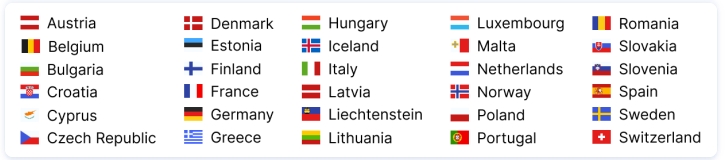
Additionally, microstates in the Schengen area like Monaco, San Marino, and Vatican City also require ETIAS.
Who Needs ETIAS Authorization?
Citizens from over 60 visa-exempt countries, including the U.S., Canada, Australia, and Japan, will need an ETIAS authorization.
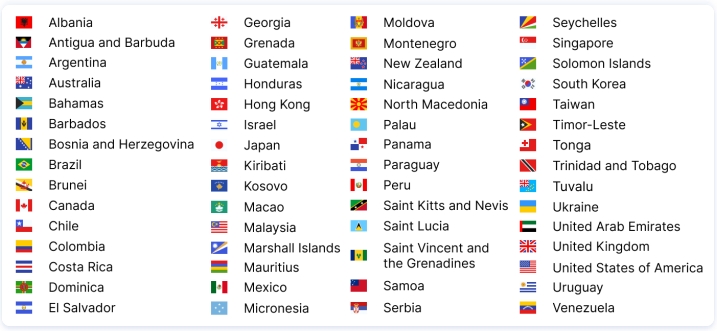
For ETIAS exemptions, you can refer to the official instructions: Who doesn’t need ETIAS
How Much is the ETIAS Fee?
The ETIAS application fee is expected to be €7 (approximately $8). This fee applies to travelers aged 18-70. Children under 18 and adults over 70 can apply for free. Payment must be made online via credit or debit card during the application process.
How Long Can I Stay in Europe with ETIAS?
An ETIAS authorization will be valid for multiple entries over a period of 3 years, or until the holder’s passport expires, whichever comes first. With ETIAS approval, travelers can stay up to 90 days within any 180 days in Schengen countries. It’s important to track your travel duration to avoid overstaying, as this can lead to penalties or travel bans.
Do I Need ETIAS to Travel to Europe Now?
No. As of early 2026, ETIAS is not yet required. Travelers can continue to enter the Schengen Area without ETIAS until its official launch in late 2026. However, you will likely encounter the EES biometric checks (facial scans and fingerprints) at the border.
How to Apply for ETIAS
The ETIAS application process is anticipated to be conducted online through a dedicated ETIAS website. The application is likely to require basic information such as passport details, travel plans, and security screening questions.
Here are some general steps:
Step 1: Prepare the Required Documents
A valid travel document to which a visa may be affixed. It should not expire in less than three months, and it should not be older than 10 years.
A credit or debit card for the application fee.
A valid email address to receive updates and your ETIAS approval.
Step 2: Complete the Online Form
Access the official ETIAS website.
Fill in personal details, passport information, and travel plans.
Answer basic security and health-related questions.
Step 3: Pay the Application Fee
Submit payment via a secure online portal.
Step 4: Wait for Approval
Approved travelers will receive an email with their ETIAS authorization. This electronic document is linked to your passport, so no physical paperwork is needed.
Upon arrival, border officials will verify your ETIAS status electronically.
*For details, please refer to: What you need to apply
Frequently Asked Questions
When in 2026 Will ETIAS Start?
Current projections from the European Commission target the last quarter of 2026. This follows the full implementation of the Entry/Exit System (EES) in April 2026.
How Far in Advance Can I Apply for ETIAS?
It is recommended that ETIAS be requested at least 96 hours before departure to ensure that you are authorized in a timely manner.
What Happens if My ETIAS Application is Denied?
If your application is denied, you will receive an explanation for the refusal. In some cases, you may be able to reapply or provide additional documentation to resolve the issue.
Do I Need ETIAS for Transit Through Europe?
Yes, even if you’re transiting through a Schengen country en route to another destination, ETIAS is required.
Do I need to print out my ETIAS authorization?
No, you do not need to print out your ETIAS authorization. It will be electronically linked to your passport.
Can I travel to all European countries with an ETIAS?
No. ETIAS is only for the Schengen Area. It does not cover Ireland or the United Kingdom. Note that the UK now requires an ETA for U.S. and other visa-exempt citizens as of early 2025.





There are no comments.