

Summer in Japan brings not only sweltering heat but also a magical time of year. During this season, locals are happy to swap their restrictive everyday business attire for colorful, breathable cotton yukata. Neighborhood streets suddenly come alive with the rhythmic sounds of taiko drums, piercing bamboo flutes, and joyous, synchronized chanting. You can smell roasted squid on skewers, sweet spun cotton candy, and savory yakisoba noodles sizzling loudly on large iron grills.
Traditional Japanese summer festivals are more than just simple neighborhood gatherings; with their long history and deep significance, they have evolved into grand celebrations that welcome everyone to participate.
When you hear the term natsu Japanese, which means summer, your mind should instantly go straight to these vibrant, chaotic, and beautiful celebrations. A traditional culture festival in Japan brilliantly blends ancient religious rituals with modern, lively street fairs. You get to witness massive wooden floats, intricate, choreographed dances, and jaw-dropping fireworks lighting up the night sky in a brilliant display of color.
If you’re planning to visit Japan this summer, we’ve put together a detailed guide to summer festivals in Japan so you can experience a more authentic and traditional Japanese atmosphere.

Gion Matsuri, Kyoto
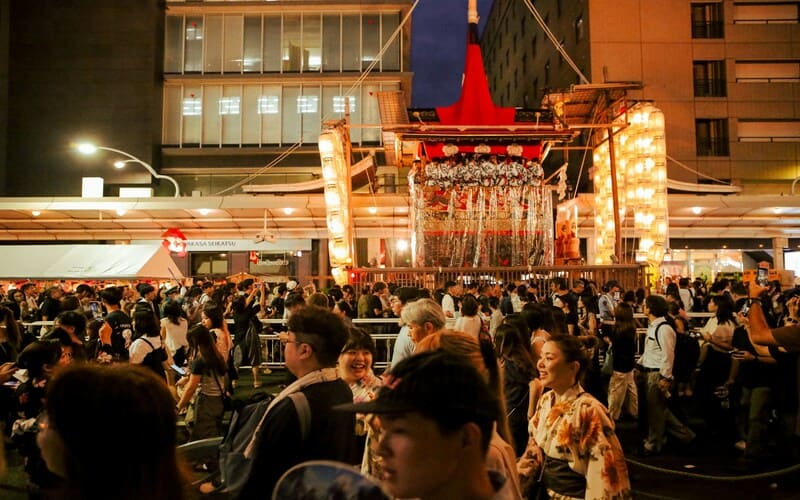
Date and Location: The main venue for the Gion Matsuri is Yasaka Shrine, and the floats parade through the streets of central Kyoto. The festival typically lasts throughout July, with various small ceremonies held each day. However, the absolute main spectacles, known as the Yamaboko Junko (the grand float processions), happen specifically on July 17 and July 24.
What to Expect
This event is arguably the most famous of the July festivals in Japan, and it’s also the most suitable for tourists to attend. Not only does it feature spectacular events, but it also runs for a sufficiently long period.
The celebration dates back over a thousand years. Originally, the ruling emperor ordered a religious Shinto ritual to appease the gods and stop a deadly epidemic that was sweeping ruthlessly through Kyoto. And now local downtown neighborhoods construct massive, towering wooden floats called “Yamaboko.” Some of these gargantuan floats weigh up to 12 tons and stand a staggering 25 meters tall!
The exciting nights leading up to the main processions are called Yoiyama. During these humid evenings, the city completely closes the main downtown streets to all vehicle traffic, and you can wander freely and safely among the illuminated floats. Dozens of food stalls line the sidewalks, selling everything from refreshing shaved ice to grilled chicken skewers.
Nachi Ogi Matsuri, Nachisan
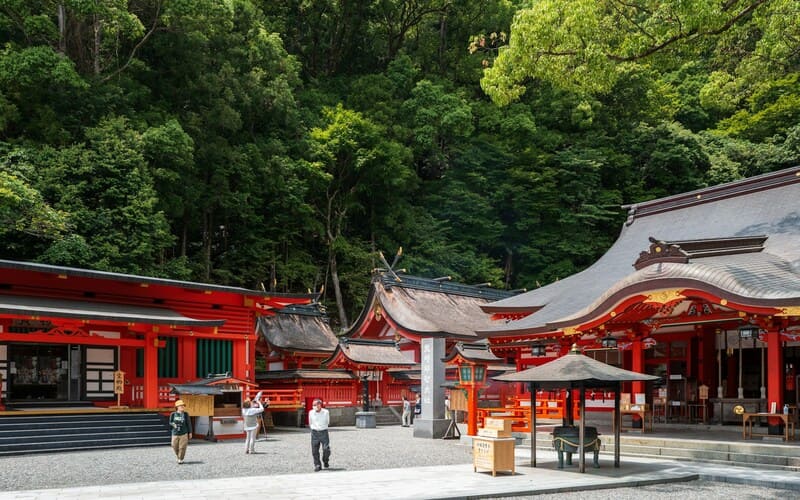
Date and Location: The Nachi Ogi Matsuri is held annually on July 14, primarily at the Kumano Nachi Taisha Grand Shrine and the adjacent Hiro-jinja Shrine in Nachikatsuura.
What to Expect
This is a great option for those looking to experience a more traditional and nature-oriented summer festival. This particular ritual celebrates the annual homecoming of the local Shinto gods. The deities temporarily leave their home at the Grand Shrine and travel down the mountain to the majestic Nachi Waterfall, which happens to be the tallest single-drop waterfall in the country.
To guide the gods safely along the steep, slippery cobblestone path, white-clad shrine parishioners carry massive, flaming pine torches. These are not your average torches; they weigh up to a back-breaking 50 kilograms.
Aomori Nebuta Matsuri, Aomori
Date and Location: The Aomori Nebuta Festival will be held in downtown Aomori City from August 2 to August 7, typically starting at the ASPAM Building.
What to Expect
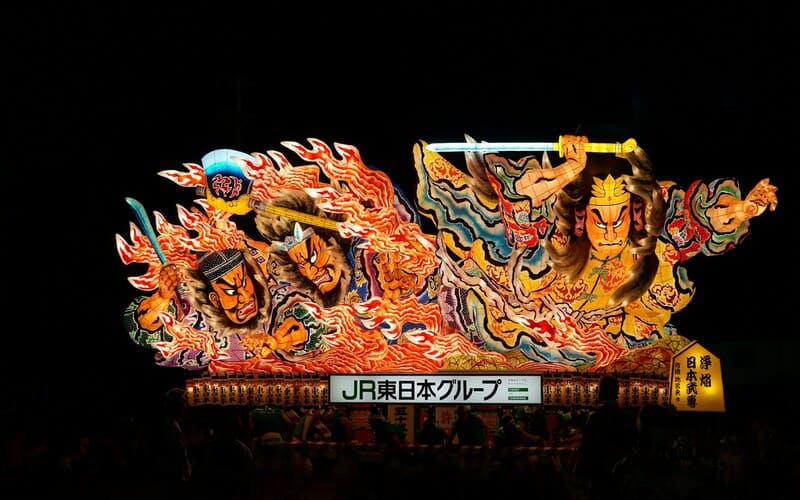
In Aomori, you’ll see elaborately designed, massive lantern floats known as “nebuta.” They paint the tough paper with brilliant, eye-catching colors and illuminate the giant figures from the inside using hundreds of lights. The dramatic designs usually feature fierce mythical warriors fighting, legendary dragons soaring, and historical kabuki characters striking dramatic poses.
But the majestic floats are only half the fun. Surrounding the lanterns are thousands of energetic dancers known as “haneto.” They wear vibrant, colorful outfits heavily decorated with ringing bells and perform a wild, bouncing, energetic jumping dance. Unlike many other traditional events where you must simply stand and watch from the sidelines, the Nebuta Matsuri actively encourages massive crowd participation. As long as you rent or buy a proper haneto costume from a local shop, you can jump right into the official parade.
Tenjin Matsuri, Osaka
Date and Location: The Tenjin Matsuri will be held on July 24–25, primarily at Osaka Tenmangu Shrine and along the Okawa River.
What to Expect
The Tenjin Matsuri is one of Japan’s three major festivals, so you can imagine how lively Osaka is during this time. It originally started way back in the 10th century to respectfully honor Sugawara no Michizane, the revered Shinto deity of scholarship, poetry, and learning.
The festival initially kicks off with a lively, colorful land procession. You will see thousands of people dressed perfectly in traditional, ornate imperial court costumes marching proudly through the city streets. They carry heavy, golden portable shrines, play ceremonial, high-pitched music, and perform intricate, acrobatic dragon and lion dances.
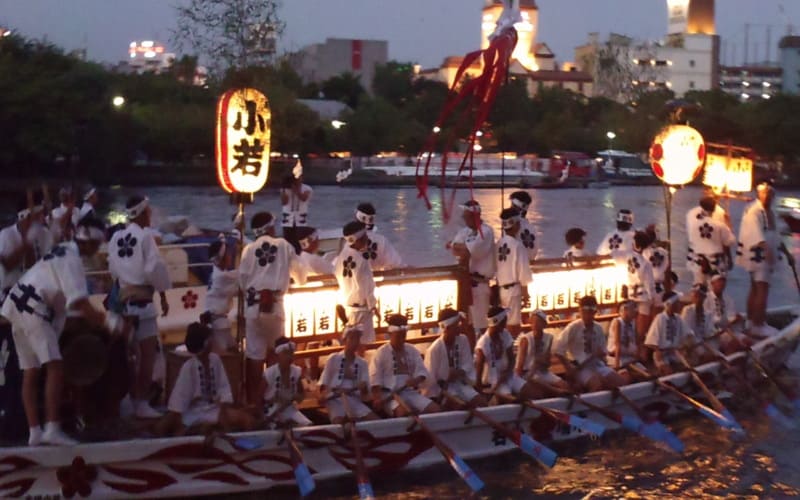
When night falls, the long procession moves directly to the banks of the Okawa River, where people carefully transfer the sacred portable shrines onto beautifully decorated, flat-bottomed boats. Soon, over a hundred brightly illuminated boats glide smoothly across the dark water. Some of these large boats carry traditional Noh theater and Bunraku stages, providing incredible live cultural entertainment right on the river. And at the end of the event, a spectacular fireworks display brought the festivities to a perfect close.
Yoshida Fire Festival, Fujiyoshida
Date and Location: The Yoshida Fire Festival will be held on August 26–27, primarily around the Kitaguchi Hongu Fuji Sengen Shrine.
What to Expect
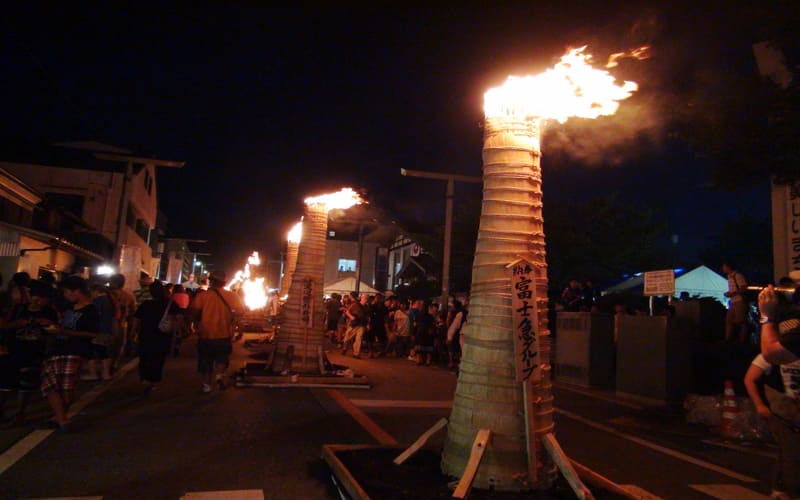
The Yoshida Fire Festival, held in Fujiyoshida, is closely linked to Japan’s most iconic mountain, Mount Fuji. It marks the official end of the busy Mount Fuji climbing season and serves as a way to thank the gods for protecting climbers throughout the summer.
On the evening of August 26, the main street of Fujiyoshida completely transforms into a blazing avenue of fire. Locals erect over 70 massive, three-meter-tall wooden torches along a two-kilometer stretch of the main road. When dusk finally falls, they set these giant torches ablaze simultaneously. The fire burns intensely, creating a literal tunnel of towering flames that lights up the entire town.
You will see strong local men carrying large, heavy mikoshi that are actually modeled to look like Mount Fuji itself. The sheer weight of these portable shrines causes the exhausted bearers to sway heavily and shout in a dramatic, rhythmic march down the street. The following day, a quiet and low-key closing ceremony will be held at Kitaguchi Hongu Fuji Sengen Shrine.
Awa Odori Festival, Tokushima
Date and Location: The Awa Odori Festival will be held from August 11 to 15 in downtown Tokushima City, primarily at the Awa Odori Kaikan Hall and City Town Hall.
What to Expect
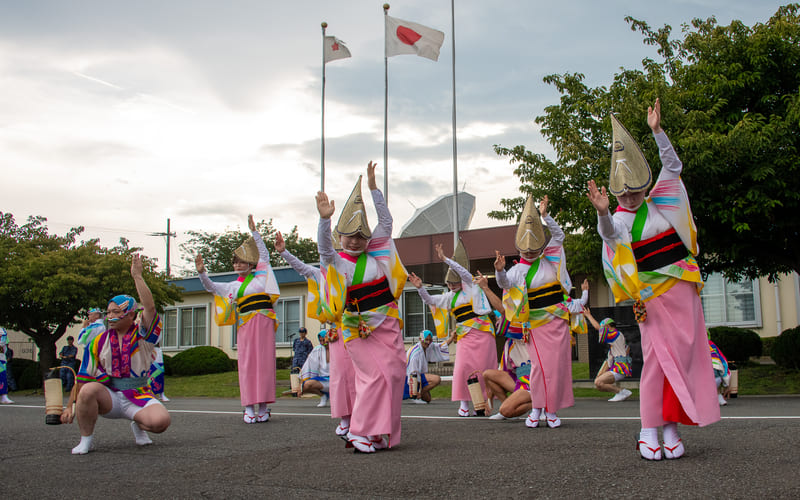
The Awa Odori Festival is Japan’s largest dance festival, where locals perform the “Fool’s Dance” to welcome back the spirits.
Thousands of dancers form highly choreographed, dedicated groups called “ren.” You will see men dancing with a low, aggressive, almost comedic posture, while women perform highly elegant, synchronized, graceful steps while balancing on tall, elevated wooden clogs. They move fluidly through the completely blocked-off city streets, accompanied by loud live bands playing the shamisen, booming taiko drums, shinobue (bamboo flutes), and sharp ringing bells.
If you want a better view, you can pay to reserve a seat, though you can also watch from the free viewing area.
Sendai Tanabata Festival, Sendai
Date and Location: The Sendai Tanabata Festival is held in downtown Sendai every year from August 6 to 8. The main venue for the festival decorations is the shopping arcade in downtown Sendai.
What to Expect
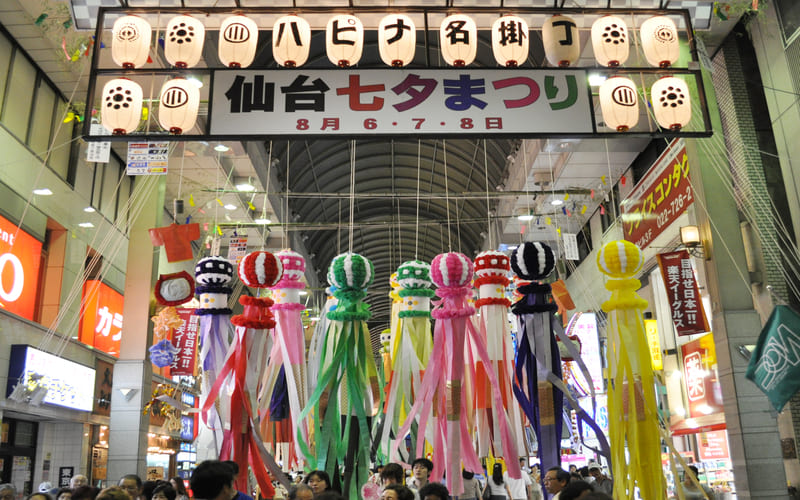
Sendai Tanabata Festival offers a much more elegant, artistic, and visual experience. Tanabata, often translated as the Star Festival, celebrates an ancient, highly romantic Chinese legend about two star-crossed lovers who can only meet once a year by crossing the Milky Way.
During the festival, the downtown shopping district is adorned with colorful paper decorations. These decorations are hung on long, thick bamboo poles, cascading down like a waterfall. Each decoration has its own specific meaning. Some symbolize wishes for good health, while others represent the autumn harvest, academic success, or commercial prosperity. The festival also features fun stage performances, live traditional music, and plenty of local food stalls operating nearby.
Kumagaya Uchiwa Matsuri, Kumagaya
Date and Location: Every year from July 20 to July 22, the Kumagaya Uchiwa Matsuri is held in downtown Kumagaya City, with the festivities centered around Kumagaya Station and Yasaka Shrine.
What to Expect
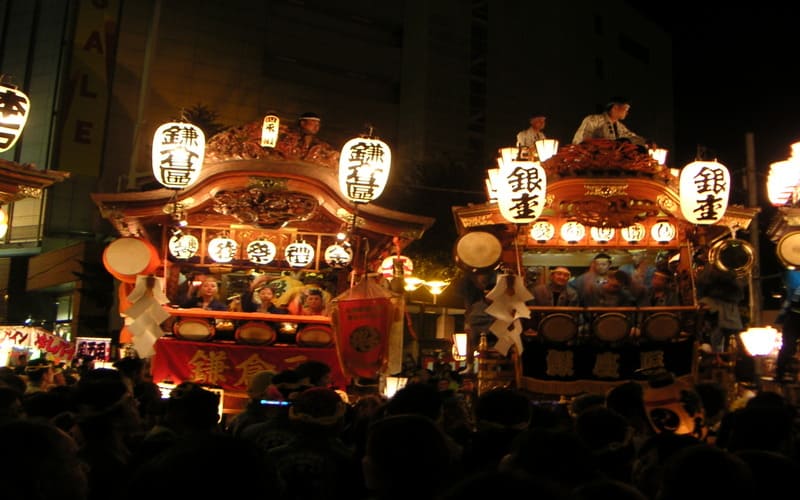
The Kumagaya Uchiwa Matsuri is the largest Gion festival in the Kanto region. During the festival, you’ll see 12 exquisitely crafted traditional festival floats parading slowly through the crowded city streets. People pull these heavy wooden structures using long, thick ropes. What makes this specific festival truly stand out from the rest is the intense musical accompaniment, known locally as ohayashi.
The festival culminated in a concert on the final night, with all 12 floats gathering in the city center for a massive “fight off” officially called Hikkawase Tatakiai. The beautifully lit floats face each other squarely, and the passionate musicians battle it out to see who can play the loudest, fastest, and most spirited festival music. The synchronized clanging of the large 30-centimeter hand gongs creates a deafening, exhilarating sound.
Tips for Attending Japanese Summer Festivals
Attending a cultural festival in Japan is a great opportunity for travelers to immerse themselves in the local culture. However, the large crowds, sweltering heat, and subtle cultural nuances all require some planning. Here are some key tips to help ensure your experience is smooth, safe, and thoroughly enjoyable.
Cultural Etiquette
- Follow the Crowd’s Flow: You will encounter massive, slow-moving walls of people. Never push, shove, or forcefully cut your way to the front of a parade route. Always listen to the local police and volunteer festival staff holding brightly colored glow sticks, even if they temporarily block off your preferred walking path.
- Master the Trash System: There are very few public trash cans in Japan. If you buy hot food from a street vendor, stand near the stall, and after you finish eating, politely hand the sticky wrappers back to the vendor. Otherwise, you’ll have to carry the wrappers around with you all night.
- Honor the Sacred Roots: Please keep in mind that traditional Japanese festivals are typically centered around local Shinto shrines or ancient Buddhist temples. When standing near the main altar, please keep your voice down and avoid speaking loudly so as not to disturb the solemn prayer ceremony. When passing through a large wooden torii gate, please bow your head slightly.
What to Pack
Attending a Japanese summer festival requires strategic packing. Here are some essentials you’ll need to bring.
- Bring plenty of coins: Independent street vendors, food stalls, and traditional game booths rely entirely on cash. You’ll definitely need a separate wallet filled with 100-yen and 500-yen coins.
- Wet wipes: During the hot summer months, being outdoors can make you sweat a lot, so carrying a pack of wet wipes can help keep your skin feeling fresh and dry.
- Small fan: To avoid heatstroke in crowded places, bring your own fan.
- Insect repellent: Many scenic Japan August festivals happen right next to large, moving rivers or deep inside heavily forested mountain areas. Aggressive mosquitoes absolutely love these dark, humid environments. Spray your exposed ankles and bare arms generously with strong insect repellent to avoid itchy bug bites ruining your fun night.
- Power bank: Since you’ll be spending time checking maps, using translation apps, and recording, it’s best to bring a high-capacity power bank.
What to Wear
- Traditional yukata: If you’re up for trying something new, you can rent a yukata at a local shop to experience an authentic Japanese style.
- Walking shoes: While traditional geta sandals go well with a yukata, we recommend wearing comfortable walking shoes to prevent blisters from prolonged walking and standing.
- Breathable clothing: For modern outfits, opt for breathable, stylish, and moisture-wicking athletic wear. Examples include thin, loose-fitting cotton T-shirts, lightweight linen shorts, and flowing maxi dresses.
Traffic Advisory
Automobile traffic during summer festivals in Japan becomes very complicated and highly congested. Cities routinely block off major roads to safely accommodate the large parades and heavy pedestrian traffic. Do not try to rent a car or take a taxi anywhere near the designated festival zones.
If you choose to take the train or subway, be sure to have your Suica or Pasmo card ready in advance to avoid waiting in line at the ticket machines, and expect it to be crowded. If you want to avoid the crowds, you can grab a late-night snack at a local izakaya and wait for the crowds to thin out before catching the train back.
FAQ
What is the festival during summer in Japan?
A summer festival in Japanese culture is generally called a “Natsu Matsuri.” These exciting events happen nationwide primarily from July through late August. They usually feature rows of street food stalls, traditional folk music, synchronized group dancing, heavy portable shrines, and spectacular, hour-long fireworks displays. Local communities host them to honor deceased ancestors and celebrate ancient local deities.
What is the largest summer festival in Japan?
The Gion Matsuri in Kyoto is arguably the most famous, globally recognized, and culturally significant. If you measure success by sheer crowd size and active participation, the Aomori Nebuta Matsuri and the Awa Odori in Tokushima regularly draw well over a million visitors each. Tenjin Matsuri in Osaka also boasts massive attendance numbers due to its stunning, unique river procession and massive fireworks finale.
How long is Golden Week in Japan in 2026?
In 2026, Golden Week will officially run from Wednesday, April 29 (Showa Day) through Wednesday, May 6 (which acts as a substitute holiday since Constitution Memorial Day falls on a Sunday). This specific setup creates a wonderful, extended holiday period, allowing many hard-working locals to take a full week off for domestic travel. Be warned that Shinkansen trains and hotels become extremely crowded and expensive during this specific time!





.jpg)

.jpg)


There are no comments.