
Planning to travel on Chinese New Year is a bold and exciting choice. Unlike visiting China during other seasons, you’ll witness traditional customs and festive decorations during this most important cultural holiday.
If you’re considering Chinese New Year travel, a grand cultural feast awaits. But since this is one of China’s biggest holidays, expect massive crowds. We can help by revealing the best destinations to enjoy the festive atmosphere and how to avoid the chaos.

Table of Contents
Is It a Good Idea to Travel During Chinese New Year?
Chinese New Year 2026 Date
Best Place to Travel During Chinese New Year
Survival Guide: Traveling During Chunyun
Alternative Locations for CNY Outside China
Is It a Good Idea to Travel During Chinese New Year?
Traveling during the Chinese New Year has its pros and cons. If you want to experience the heart of Chinese culture, this is an excellent time to travel. While you must anticipate the “Chunyun” crowds, you are also gaining access to a version of China that few outsiders see.
What to Expect
To truly enjoy your Chinese New Year trip, it helps to understand the customs swirling around you:
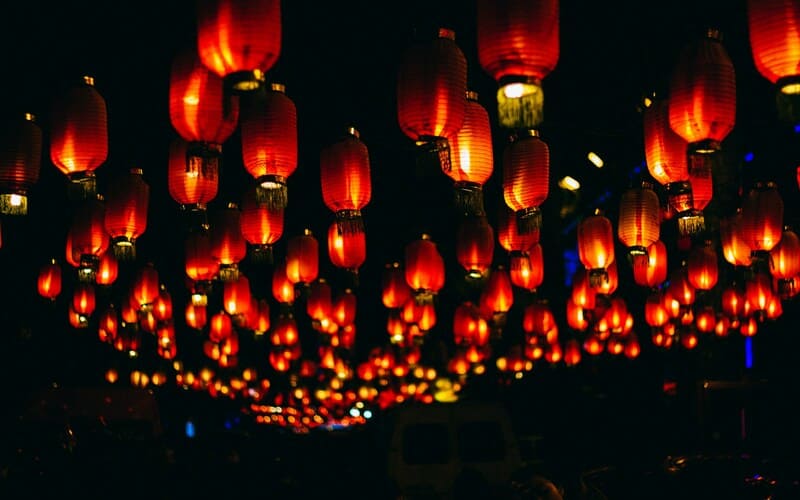
- The Sea of Red: You will see red everywhere, lanterns, couplets on doors, and clothing. In Chinese culture, red symbolizes good fortune and wards off evil spirits.
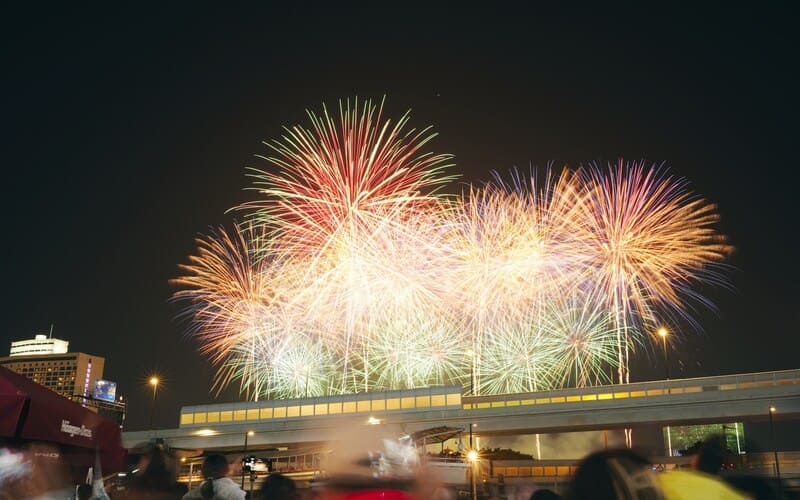
- Fireworks: Traditionally, firecrackers were set off to scare away the mythical beast “Nian.” While many city centers now have bans, you will still hear the distant rumble of fireworks, especially in rural areas or designated zones like Disney or designated plazas.
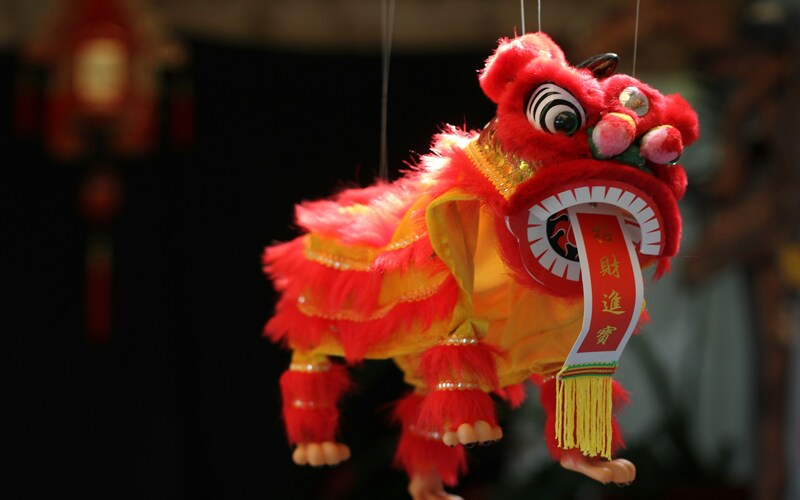
- Traditional Performances: During the Chinese New Year, dragon and lion dances are staged in cities across the country, particularly in southern cities like Guangzhou, where you can witness traditional and highly skilled performances.
- Fewer crowds: In major cities like Beijing and Shanghai, many people return to their hometowns to celebrate the New Year. As a result, the streets feel more spacious than usual. However, this period also sees a surge in domestic tourists, and popular attractions remain packed with visitors.
- Red Envelopes (Hongbao): Elders give red envelopes filled with money to children and unmarried young adults. It is a gesture of blessing.
- Critical Taboos: If you want to impress locals, avoid these “bad luck” behaviors: don’t mention death or sickness, do not break ceramic or glass items, and traditionally, avoid sweeping the floor on the first day of the New Year, as you might sweep away your newfound luck!
Important Notes
Planning a China trip during the Chinese New Year requires extensive preparation. Here are some things you need to be aware of:
- China Visa Requirements: China currently offers visa-free entry and transit visa-free policies for certain countries. Please first determine which visa policy applies to your nationality.
- Binding Mobile Payment: In China, Alipay and WeChat Pay are commonly used. International visitors can register and use these services by linking their credit cards through overseas wallets. It’s still advisable to carry some cash for emergencies.
- Note Network Restrictions: Certain applications such as Google, YouTube, Facebook, etc., are inaccessible within China. Please prepare a functional VPN prior to entry.
Chinese New Year 2026 Date
- Official Date: The Chinese New Year 2026 falls on Tuesday, February 17.
- The Zodiac: This marks the beginning of the Year of the Horse.
- The Duration: While the official public holiday runs from February 15 to February 23, the traditional festival vibes, and the travel rush extend until the Lantern Festival on March 3.
Best Place to Travel During Chinese New Year
China’s vast expanse means different cities experience distinct temperatures and unique celebrations during the New Year. This list of destinations offers the best options whether you seek ancient architecture, rustic natural landscapes, or sparkling coastal views.
Beijing
If you’re visiting China for the first time, Beijing is an excellent choice for a Chinese New Year trip. As the capital and a historic city, it’s filled with ancient architecture and unique hutongs. During the Spring Festival, many workers from other cities return home, making the streets feel more spacious.
Average Temperature in February: –6 °C to 5 °C (21 °F to 41 °F).
Chinese New Year Events: Don’t miss the Miao Hui, or Temple Fair, held at multiple locations across Beijing throughout the holiday season. It features traditional Qing Dynasty-style sacrificial rituals, dragon and lion dances, various folk cultural displays, and food stalls offering treats like tanghulu. The fairs at Ditan Park and Longtan Park are the most famous.
Also, the Forbidden City usually hosts special “Imperial New Year” exhibits, decking the halls with royal couplets and lanterns just as emperors did in the Qing Dynasty. We recommend purchasing tickets in advance to avoid onsite crowds or sold-out situations.
Where to Stay: Stay near Wangfujing or within the Second Ring Road. You want to be close to the subway lines that feed into the Temple of Heaven and the Lama Temple. The Peninsula Beijing, or more budget-friendly courtyard hotels in the Dongcheng District, offer an authentic “old Beijing” vibe.
Guangzhou
The southern city of Guangzhou offers a completely different atmosphere, with warmer temperatures and a strong emphasis on floral decorations. Combined with its delicious Cantonese cuisine, the city is an excellent family-friendly choice.
Average Temperature in February: 12°C to 19°C (54°F to 66°F).
Chinese New Year Events: The Flower Fairs are the main attraction here. Days before the new year, major streets are closed off and turned into bustling markets selling kumquat trees, symbolizing wealth, and peonies, symbolizing prosperity. The Tianhe Flower Market is huge and modern, buzzing with neon lights and crowds, while the Xihu Road market in Yuexiu District feels more traditional and intimate.
On the first day of the Chinese New Year each year, a 45-minute fireworks display takes place at Bai’e Tan, but reservations are required to access the viewing area.
Where to Stay: Look for hotels in the Tianhe District for modern luxury and easy access to the biggest flower markets. Alternatively, stay in Liwan District if you want to be near the traditional architecture and old-school dim sum parlors.
Hong Kong
Hong Kong seamlessly blends ancient traditions with bustling urban life, where tranquil temples can be found amidst the city’s downtown chaos. If you wish to experience the atmosphere of traditional festivals but fear language barriers, Hong Kong makes an excellent starting point. Its proximity to Guangzhou also allows you to experience two southern cities in one trip.
Average Temperature in February: 14°C to 19°C (57°F to 66°F).
Chinese New Year Events: The International Chinese New Year Night Parade in Tsim Sha Tsui is legendary. The event will be held on the first day of the festival, featuring dragon and lion dances, drummers, and acrobatic performances.
The following night, the Lunar New Year Fireworks Display over Victoria Harbour will ruin all other fireworks for you forever. It is an absolute stunner. For a dose of local culture, visit the Wong Tai Sin Temple, where locals race to burn the first incense stick of the year for good luck.
Where to Stay: Tsim Sha Tsui is strategic for viewing the parade and the skyline. If you prefer being slightly removed from the crush, Central or Wan Chai on Hong Kong Island are great options. The Star Ferry connects the two sides and offers the best view of the lights for pennies.
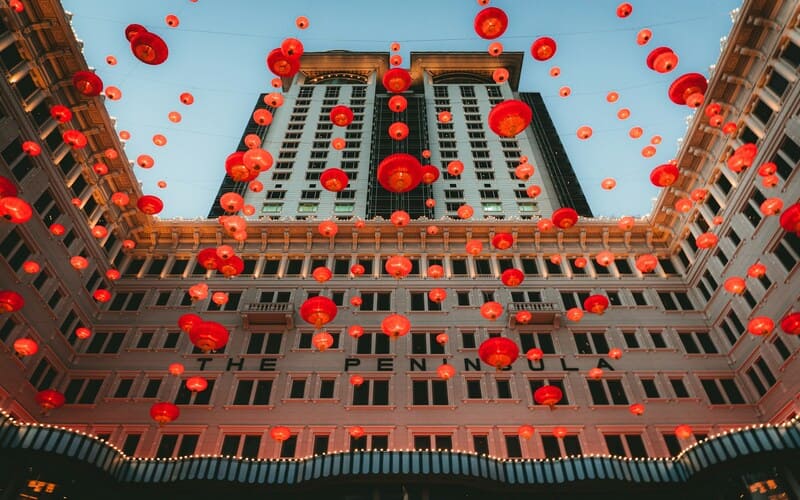
Shanghai
Shanghai has always been one of the top destinations for travelers to China, perfectly balancing ancient charm with a futuristic vibe. During the New Year, many of the city’s residents leave, similar to Beijing, which gives the city a slightly more relaxed pace than usual. However, the tourist hotspots remain lively. It’s a great city for walking, with the Bund offering colonial history on one side of the river and the futuristic Lujiazui skyline on the other, symbolizing the transition of time itself.
Average Temperature in February: 3°C to 9°C (37°F to 48°F).
Chinese New Year Events: The Yuyuan Garden Lantern Festival is the undisputed highlight. The traditional pavilions and zig-zag bridges are strung with massive, intricate lantern displays that often tell stories from Chinese mythology. For a spiritual experience, join the locals at Longhua Temple to hear the bell ringing ceremony on New Year’s Eve, a tradition meant to drive away bad luck.
Don’t forget Shanghai Disneyland, which features special holiday decorations during the Chinese New Year, with characters dressed in traditional attire, not to mention the New Year-themed fireworks!
Where to Stay: Stay near The Bund or People’s Square. You will be walking distance to Nanjing Road and a short cab ride to Yuyuan Garden.
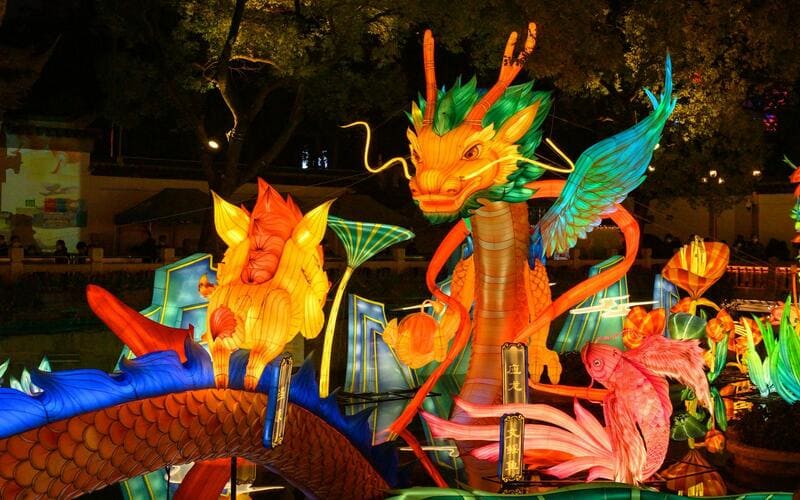
Harbin
Harbin represents northern China among numerous destinations. Bordering Russia, the city’s architecture and cuisine bear strong Russian influences, setting it apart from other parts of China. If you can endure the cold, it will feel like a winter wonderland straight out of a fairy tale.
Average Temperature in February: –20 °C to –8 °C (–4 °F to 18 °F)
Chinese New Year Events: The Harbin Ice and Snow Festival is in full swing during the holiday. It isn’t just a few sculptures; it is an entire city built of ice, illuminated with neon lights. During CNY, the atmosphere is particularly festive with fireworks launching over the ice castles. You can also visit the Sun Island snow sculptures during the day. At Zhaolin Park, there will also be a free ice sculpture exhibition to enjoy.
Meanwhile, enjoying ice cream while strolling through the streets is also a local tradition.
Where to Stay: Stay in the Daoli District, specifically near Central Street. This puts you close to the Songhua River, where many ice activities happen and plenty of Russian-style restaurants to warm up in.
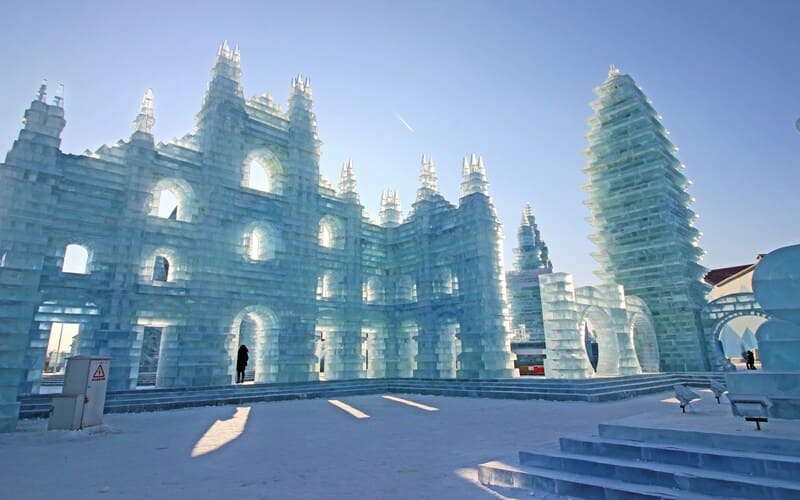
Kunming
Kunming is known as China’s “Eternal Spring City,” free from the biting cold of northern winters and the humidity of coastal cities. Located in Yunnan Province, it is also home to numerous ethnic minorities, offering a rich tapestry of cultural experiences. The atmosphere here is relaxed and unhurried. You’ll see locals dancing in parks, playing traditional instruments, and basking in the sunshine.
Average Temperature in February: 5°C to 15°C (41°F to 59°F).
Chinese New Year Events: Head to the Golden Temple Park for their temple fair, which is famous for its camellia flowers, the city’s symbol. Kunming is a melting pot of cultures, and the Yunnan Nationalities Village hosts special celebrations showcasing traditions from the Yi, Dai, and Bai people.
You can also visit the renowned local flower market, Dounan Flower Market, to browse fresh blooms and various plants. A Chinese New Year celebration will be held at Dianchi Lake, featuring dragon and lion dances, parades, and numerous vendors.
Where to Stay: The area around Green Lake is perfect. It’s scenic, walkable, and close to many restaurants and bars. It serves as a relaxed base for exploring the city.
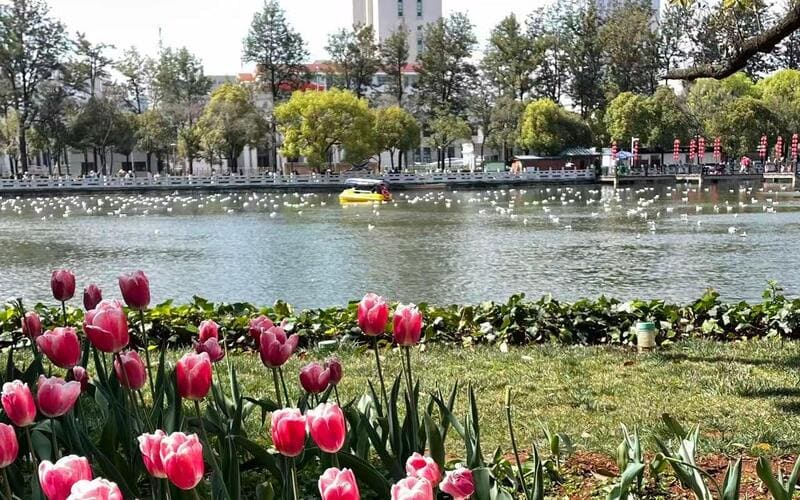
Guilin
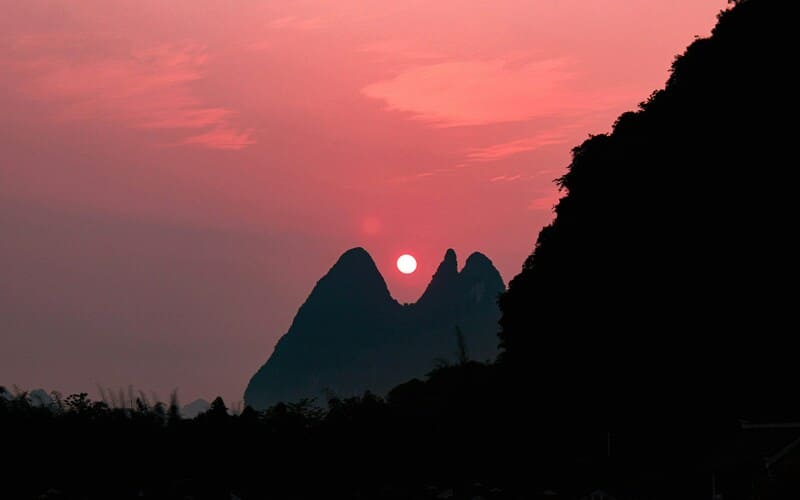
Guilin offers a landscape that has inspired Chinese poets and painters for centuries. If your ideal New Year destination features mist-shrouded mountains and winding rivers rather than skyscrapers, this is the place for you. During the New Year, the limestone karst mountains are often enveloped in a light haze, creating scenery reminiscent of traditional ink paintings. Compared to Beijing or Shanghai, this city is smaller, slower-paced, and certainly more affordable. It’s the perfect spot to breathe fresh air and admire nature’s grandeur.
Average Temperature in February: 5°C to 15°C (41°F to 59°F).
Chinese New Year Events: The Reed Flute Cave and Elephant Trunk Hill are open and beautifully decorated for the holiday. In the city center, you’ll find smaller lantern displays and local markets selling festive foods like “lipu taro” dishes. The Li River cruise runs during the holiday, and the scenery is often dramatic with the winter atmosphere.
The Qianguqing Scenic Area also offers the irreplaceable Iron Flower Performance, a Chinese intangible cultural heritage.
Where to Stay: Stay in the city center near the Two Rivers and Four Lakes area. It is beautiful at night when the pagodas are lit up. Alternatively, book a riverside hotel for a quieter vibe.
Yangshuo
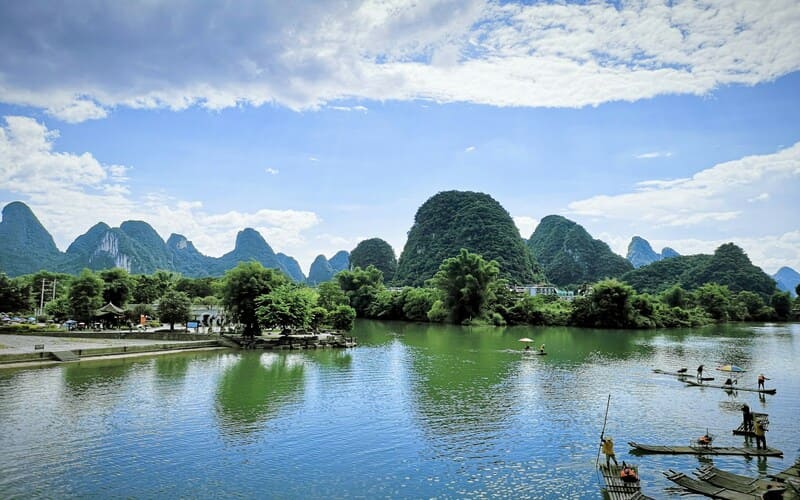
Located below Guilin, this is a paradise for backpackers and nature lovers, Yangshuo offering postcard-perfect scenery. Featuring karst landscapes, a rural atmosphere, and abundant outdoor activities. Compared to Guilin, it offers a more relaxed and slower pace, yet West Street also boasts numerous cafes and bars where visitors can unwind.
Average Temperature in February: 5°C to 15°C (41°F to 59°F)
Chinese New Year Events: West Street is the heartbeat of Yangshuo. During CNY, it is packed with domestic tourists, bonfires, and dragon dances weaving through the bars and restaurants. It is a chaotic mix of cultures.
During the New Year period on the Yulong River, you’ll witness a fishing boat paraded as a golden dragon, creating a truly spectacular visual spectacle. Purchase tickets in advance to secure the best viewing spots. For something unique, take a bamboo raft on the Yulong River; it is quieter and stunningly beautiful in winter.
Where to Stay: If you want to be in the action, stay near West Street. If you want peace, look for a boutique hotel in the nearby countryside villages like Jiuxian, where you can cycle through the rice paddies away from the noise.
Chengdu
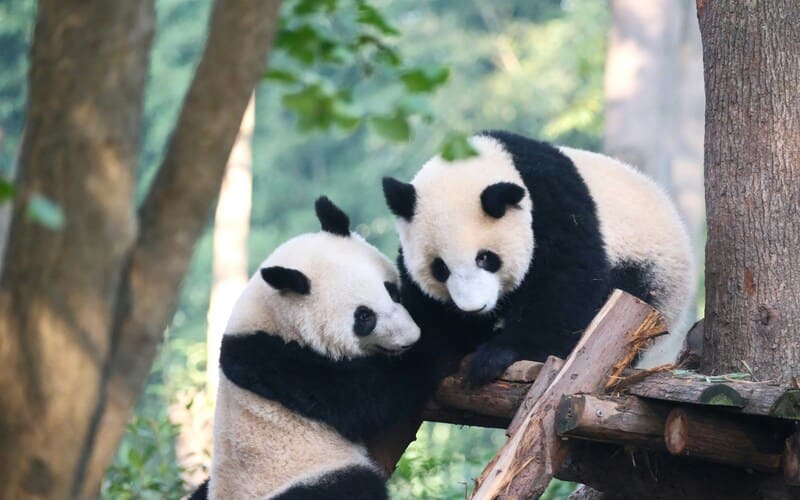
Chengdu is renowned as a city of relaxation, famed as the home of giant pandas and spicy cuisine. For those seeking leisurely and culinary travel experiences, it stands as a top destination. Spend an afternoon in one of its teahouses or observe the adorable antics of giant pandas, where the festive atmosphere is warm and unhurried.
Average Temperature in February: 4°C to 12°C (39°F to 54°F).
Chinese New Year Events: The Grand Temple Fair at Wuhou Shrine is one of the best in Southwest China. It feels like a massive carnival with local snacks, Sichuan opera, and endless lanterns. This is also the best time to visit the Giant Panda Breeding Center, as the cooler weather makes the pandas more active than during the summer months. If you’re seeking fewer crowds, the panda base in Dujiangyan offers a larger site and even more red pandas.
If time permits, you can also visit several nearby ancient towns, such as Jiezi Ancient Town and Huanglongxi Ancient Town, where dragon and lion dances and lantern festivals are held.
Where to Stay: Chunxi Road or near Tianfu Square places you right in the center. You are close to the shopping districts and major metro lines to get you to the Panda Base or the temple fairs.
Xiamen
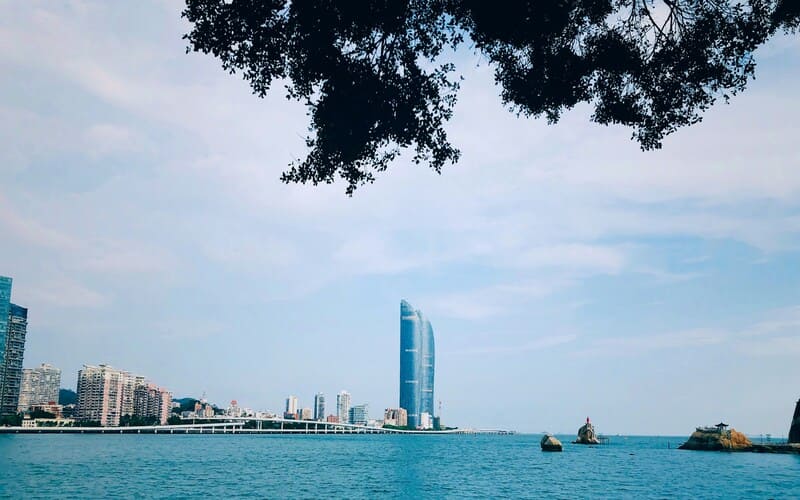
Xiamen is a mature coastal city with a distinctive Fujian culture. Located across from Taiwan, it shares many cultural and culinary similarities with the island, while enjoying a much milder climate than northern regions. The city captivates with its blend of island charm, colonial history, and deep religious traditions.
Average Temperature in February: 12°C to 18°C (54°F to 64°F)
Chinese New Year Events: Visit Nanputuo Temple. It is incredibly significant for locals who come to pray for the year ahead. The vibe is solemn yet communal. On the first night of the festival, Huangcuo Beach will host a fireworks display broadcast live on large screens for viewing throughout the city. Meanwhile, Bay Park will feature a free Spring Festival lantern exhibition perfect for family visits.
Take a ferry to Gulangyu Island, while busy, the colonial architecture and car-free streets are charming.
Where to Stay: Stay in the Siming District near Zhongshan Road. It is the commercial heart of the city, full of “shophouse” architecture and street food vendors.
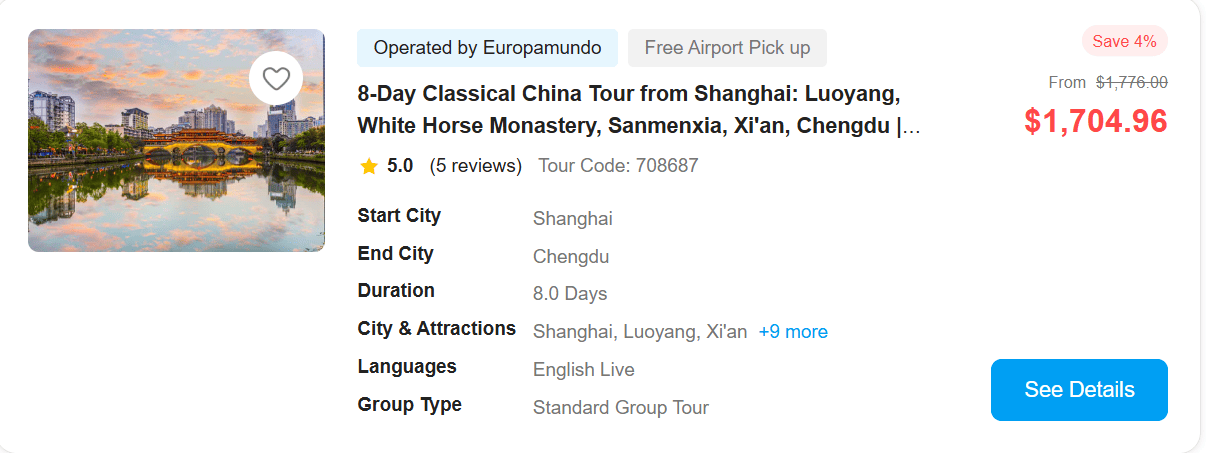
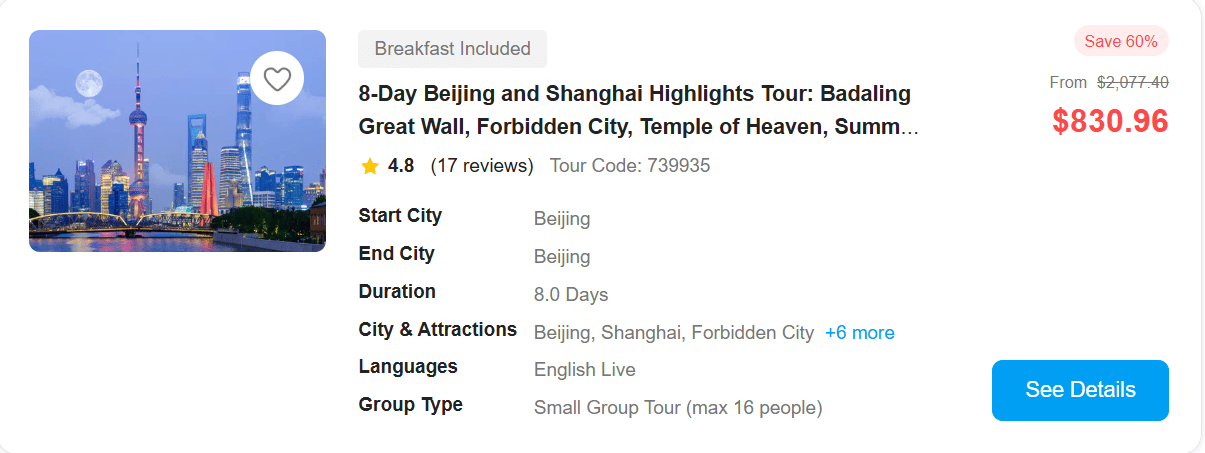
Tours4fun Recommended Products
Survival Guide: Traveling During Chunyun
The Spring Festival Travel Rush, or Chunyun, is the largest annual human migration on Earth. Here is how to navigate it for a smooth Chinese new year trip:
- Avoid Train Travel on Peak Days: During the Chinese New Year period, the Chung Yun travel rush occurs, meaning hundreds of millions of people will travel to different cities. Trains, especially regular ones, are packed to capacity. Avoid taking trains during this period whenever possible, and book your flights and accommodations in advance.
- Prepare for Store Closures: Many small family-run restaurants close during the holidays. While hotels and large chains remain open.
- Book Private Transfers: Taxis can be scarce during the holiday. We strongly recommend booking private airport or station transfers in advance.
Alternative Locations for CNY Outside China
If you want to experience the festival but are concerned about the cold weather or the travel rush, consider expanding your Chinese New Year travel to Southeast Asia.
Singapore: Witness the Chingay Parade, a massive street parade with floats and dancers that rivals any carnival.
Malaysia: Travel to Kuala Lumpur or Penang toexperience the unique “Yee Sang” tradition, where diners toss a salad high in the air while shouting auspicious phrases.
Thailand: Bangkok is a great destination for international tourists, the celebrations in Bangkok’s Chinatown are legendary, offering a vibrant mix of Thai and Chinese cultures with incredible street food.
FAQ
Is it okay to travel on Chinese New Year?
Absolutely, major cities like Beijing and Shanghai anticipate domestic tourists visiting, and attractions tend to be quite busy.
How many people travel during Chinese New Year?
Estimates usually hover around 3 billion trips made during the 40-day Spring Festival travel rush. It is the largest annual human migration on Earth.
Is it bad luck to travel on Chinese New Year?
No, it is not bad luck to travel. However, traditionally, people should not sweep floors or wash their hair on the first day of the New Year, as they might wash away good fortune. As a traveler, you are exempt from household chores, so you’re safe!




There are no comments.