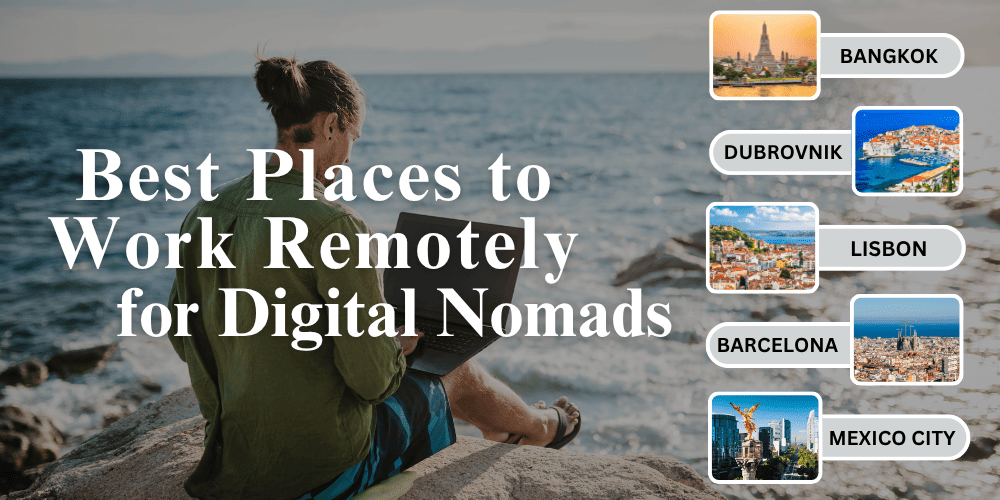

The best part about becoming a digital nomad is that you can travel to different destinations anytime and experience local life at minimal cost. The first decision is choosing your next base. This location requires an affordable cost of living, along with high-speed internet, a welcoming community, and solid infrastructure. Find the best places to work remotely, making work-life balance more enjoyable.

Best Places for Digital Nomads
We’ve scoured the globe to bring you a list of digital nomad destinations. From the bustling streets of Southeast Asia to Europe‘s sunny beaches and the vibrant energy of Latin America, these places to work remotely offer everything you need to thrive. Get ready to find your next international office!
- Bangkok, Thailand
- Bali, Indonesia
- Kuala Lumpur, Malaysia
- Da Nang, Vietnam
- Dubrovnik, Croatia
- Lisbon, Portugal
- Barcelona, Spain
- Buenos Aires, Argentina
- Mexico City, Mexico
- Medellín, Colombia
1. Bangkok, Thailand
Bangkok is one of Southeast Asia’s most dynamic cities, offering both solemn ancient temples and modern skyscrapers alongside trendy shopping malls, coupled with its diverse array of delicious street food. As a large city, Bangkok has reliable internet speeds and a well-developed public transportation network, it has consistently been ranked among the best cities for digital nomads. Here you can visit famous attractions like the Grand Palace and Wat Arun, or head to Yaowarat for delicious food and shopping at Siam Square.
- Best Time for Staying: November to February marks the dry season, featuring comfortable temperatures and low humidity. This period offers pleasant conditions for outdoor work.
- Cost of Living: You can find quality accommodations priced between $500 and $700, complemented by affordable street food. The approximate monthly budget for living in Bangkok ranges from $1,200 to $1,800.
- Digital Nomad Visa Rules: Thailand’s visa for digital nomads is the Destination Thailand Visa. This visa allows multiple entries over a 5 years, with each stay permitted for up to 180 days, extendable for an additional 180 days. Applicants must provide proof of at least 500,000 Thai baht (approximately $14,400 – $15,000 USD) in savings or reliable income documentation.

2. Bali, Indonesia
Bali is one of Indonesia’s most popular tourist destinations, serving not only as a paradise for travelers but also as the ultimate destination for digital nomads. From Canggu’s coworking cafés to Ubud’s jungle retreats, Bali offers a perfect work-life balance. Spend mornings surfing, afternoons working from a bamboo coworking space, and evenings watching sunsets in Seminyak.
-
Best Time for Staying: April to October. This is the dry season, offering sunshine, clear skies, and the best conditions for beach days and exploring the rice paddies.
-
Cost of Living: Monthly expenses range from approximately $1,000 to $1,500, depending on the accommodation you choose.
-
Digital Nomad Visa Rules: Indonesia’s E33G Remote Worker KITAS is valid for up to one year and can be renewed for an additional year. The minimum annual income requirement is $60,000 USD, and applicants must also demonstrate a bank balance of at least $2,000 USD.

3. Kuala Lumpur, Malaysia
Kuala Lumpur, Malaysia’s capital city, is exceptionally bustling and safe. With its excellent infrastructure, fast internet, and affordable cost of living, it’s becoming increasingly popular among remote workers. You might catch a spectacular view of the Petronas Twin Towers from your window, fill your stomach at the food stalls along Jalan Alor, or take a short getaway to the lush Cameron Highlands.
-
Best Time for Staying: The dry season from April to October features hot weather but less rainfall, making it more suitable for outdoor activities.
-
Cost of Living: A monthly budget of $1,000 to $1,600 will afford a very high standard of living. You can typically secure a modern, fully furnished apartment with amenities like a swimming pool and gym for around $600 to $900 per month.
-
Digital Nomad Visa Rules: Malaysia’s De Rantau Nomad Pass is valid for 3 to 12 months and can be renewed for an additional 12 months. Applicants must have a minimum annual income of at least US$24,000 and work in designated technical fields.

4. Da Nang, Vietnam
Da Nang may not be as famous as Hanoi or Ho Chi Minh City, but it remains a coastal gem of Vietnam. Blending beach life with urban convenience, its well-developed infrastructure, modern apartments, and friendly locals create a comfortable base for extended stays. Explore the Marble Mountains on weekends, unwind at My Khe Beach, or take a drive to the ancient town of Hoi An.
-
Best Time for Staying: February through August encompasses the cool spring weather and the sunny dry season. Avoid the rainy season from September to December, as it brings typhoons and heavy downpours.
-
Cost of Living: The monthly cost of living ranges from approximately $700 to $1,200, making Da Nang the most affordable city on this list.
-
Digital Nomad Visa Rules: Vietnam does not offer a dedicated digital nomad visa. E-visas and visas on arrival are common solutions. These allow you to stay in Vietnam for 90 days.

5. Dubrovnik, Croatia
Dubrovnik, often called the “Pearl of the Adriatic,” is a stunning coastal city famed for its colossal medieval city walls and its well-preserved Old Town. Dubrovnik offers a reliable and high-quality internet connection and a growing, welcoming atmosphere for remote workers. You can spend your days exploring the majestic City Walls, taking a cable car up Srd mountain for panoramic views, or taking a ferry to the tranquil Elaphiti Islands for a day trip.
-
Best Time for Staying: Any time outside the peak travel season of July and August is ideal.
-
Cost of Living: During the off-season, you can find a one-bedroom apartment in the city center or nearby starting at around 500 to 700 € per month. The monthly budget for digital nomads ranges from $1,500 to $2,500, largely depending on the season and accommodation choices.
-
Digital Nomad Visa Rules: This visa is called the Temporary Stay Permit for Digital Nomads, offering temporary residency for up to one year. You must demonstrate a minimum monthly income of approximately €2,539. The permit cannot be renewed immediately, you must leave Croatia for at least six months before reapplying.

6. Lisbon, Portugal
Lisbon is a city bathed in year-round sunshine, filled with ancient architecture and a laid-back lifestyle. Perched atop seven hills overlooking the Tagus River, Lisbon offers affordable living, reliable Wi-Fi, and a welcoming digital nomad community. In daily life, hop aboard the iconic Tram 28 to explore the historic Alfama district, or head to nearby Cascais or Ericeira for weekend surfing.
-
Best Time for Staying: September through May is the best time to visit, with warm weather and fewer crowds.
-
Cost of Living: Compared to other European countries, Lisbon is relatively affordable. Accommodation will be your biggest expense, so plan on a monthly budget of $1,800 to $2,800.
-
Digital Nomad Visa Rules: Lisbon’s D8 Visa is specifically designed for remote work, initially granted for one year, requiring a minimum monthly income from abroad of €3,280 to €3,480.

7. Barcelona, Spain
Barcelona is the vibrant heart of Southern Europe, featuring charming Mediterranean beaches and delicious tapas. It’s a paradise for digital nomads seeking culture and sunshine, with countless co-working cafes and seaside promenades. During breaks from work, visit the surreal Sagrada Familia, wander through Park Güell, or enjoy tapas and sangria in the Gothic Quarter.
-
Best Time for Staying: From September to June each year, the weather is clear and sunny, making it perfect for sitting at outdoor cafes.
-
Cost of Living: The cost of living in Barcelona is relatively high, ranging from approximately $2,200 to $3,500 per month.
-
Digital Nomad Visa Rules: Spain’s Digital Nomad Visa is initially valid for one year and can be renewed for up to five years. Applicants must demonstrate a minimum monthly income of at least €2,763 and provide health insurance coverage.

8. Buenos Aires, Argentina
Buenos Aires is an elegant coastal metropolis featuring abundant European architecture and a vibrant tango culture. With its thriving cafés and numerous coworking spaces, it’s an ideal destination for digital nomads. In your free time, stroll through the colorful streets of La Boca or browse vintage markets in San Telmo.
-
Best Time for Staying: March through November is the ideal time to visit, as summers afterward can be extremely hot.
-
Cost of Living: The cost of living here is relatively low, typically ranging from $800 to $1,500 per month.
-
Digital Nomad Visa Rules: Argentina’s digital nomad visa is called the Transitory Residence Visa, with an initial validity period of 180 days, extendable for an additional 180 days. Applicants are advised to demonstrate a stable monthly income of approximately $2,500 or more from foreign sources.

9. Mexico City, Mexico
Mexico City is the cultural center of Mexico, boasting unique art and cuisine. With its affordable lifestyle, vibrant art scene, and growing nomad community, it’s an inspiring place to live and work. It could easily become one of the best places for remote work in Latin America. Spend weekends exploring Frida Kahlo’s Casa Azul, sampling street tacos in Roma Norte, or wandering the colonial streets of Coyoacán.
-
Best Time for Staying: November to May, when the weather is relatively cool, with little rainfall and abundant sunshine.
-
Cost of Living: A comfortable monthly budget typically ranges from $1,200 to $1,800. The Roma and Condesa neighborhoods, popular among expats, feature higher rents but lower transportation and dining costs.
-
Digital Nomad Visa Rules: The Temporary Resident Visa in Mexico is initially valid for 6 months, after which it can be converted to a 1-year visa. It can be renewed for up to 4 years. The minimum monthly income requirement is $3,738 USD.

10. Medellín, Colombia
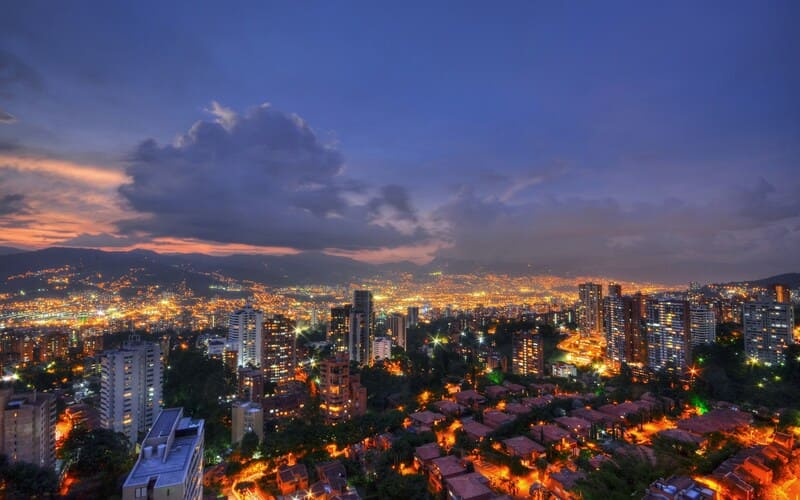
After transforming, Medellín is a livable city with lush valleys and a popular digital nomad destination in South America. The climate here is pleasant year-round, and the city boasts innovative design. You can work at a hillside café in El Poblado, take the cable car for panoramic views, or explore nearby coffee farms on your days off.
-
Best Time for Staying: Year-round! Medellín boasts exceptionally comfortable, spring-like weather, with temperatures consistently ranging between 60 and 80 °F (15–26 °C).
-
Cost of Living: You can live very well here on a budget of $1,000 to $1,500 per month. Here you’ll find low-cost dining and transportation.
-
Digital Nomad Visa Rules: Colombia’s Digital Nomad Visa is valid for up to two years, requires a minimum monthly income of at least $3,300 for the first three months, and mandates international health insurance coverage.
Before actually moving to these locations for long-term residence, it’s best to first visit the area for a period of time to see if the place suits you.
Things You Need for Remote Work in Other Countries
While the digital nomad lifestyle may seem exciting, achieving it requires the right choices and strategies.
Necessary Expenses
Besides rent and food expenses, don’t forget these important essential expenses:
- Health Insurance: This is non-negotiable, especially since many visa applications require proof of comprehensive health coverage. Look for international travel health insurance plans such as SafetyWing or World Nomads. Expect to pay between $40 and $150 per month, depending on your age and coverage level.
- Co-working: Even if you work from home, you need a change of scenery. Co-working membership fees range from $70 to $200 per month.
- Connectivity: Local SIM cards with large data plans are often very affordable, and don’t forget to subscribe to a reliable VPN.
- Extra Cost: Your largest variable cost. Expenses required for short weekend trips or moving.

What to Pack
No matter where you work, your workspace needs to be fully functional. The key is portability and durability.
- Reliable Laptop: Lightweight yet powerful enough to handle all your work demands.
- Universal Adapter: No matter where you travel, an all-in-one plug is essential for charging anywhere.
- Noise-canceling headphones: A lifesaver in shared workspaces and bustling cafes, ensuring quiet and delivering clear calls.
- Portable Laptop Stand: Keeping your screen at eye level prevents neck strain.
- Wireless Mouse and Keyboard: More comfortable and productive than relying solely on your laptop’s trackpad.
- Power Bank: A high-capacity power bank is a must for long work days or unexpected power outages.
- VPN Subscription: Essential for security on public Wi-Fi and accessing geographically restricted content.
- Work backpack: Features ample space and a compartmentalized design for electronic devices.
- Personal Medications: Your personal medications and health insurance information.
Safety Tips
No matter which digital nomad spot you choose, staying vigilant is crucial. Here are some tips you need to know:
- Choose Safe Neighborhoods: Research local community safety ratings beforehand. Popular cities typically have recommended residential areas, such as Chiang Mai’s Nimman district or Medellín’s El Poblado.
- Emergency Contact: Memorize the local police emergency number and the phone number of your home country’s embassy in the area.
- Food Safety: Be mindful of hygiene at local street food stalls and opt for bottled water whenever possible.
- Familiarize Yourself with the Area: Research nearby supermarkets, hospitals, police stations, and transportation routes in advance.
- Keep an Eye on Your Devices: Avoid using your expensive new laptop in crowded cafes next to busy streets. Don’t use your phone while walking, and keep it securely in your anti-theft bag.
- Use a Reliable Ride-Hailing App: In places like Medellín or Bangkok, use Uber, Grab, or a local taxi app at night. This tracks your journey and reduces the risk of getting lost or overcharged.
- Protect Your Data: Enable two factor authentication on all sensitive accounts, and never save passwords on public computers.
- Connect with the Local Community: Join digital nomad communities or coworking spaces, and seek safety advice from locals.
- Research Local Scams: Every city has its own scams, such as fake government officials or fraudulent ATMs. Checking travel advisories for each city before departure will be helpful.
FAQ
Which country is best for digital nomads?
Spain has consistently ranked among the best destinations for remote work. With its warm sunshine and delicious cuisine, it offers an excellent Digital Nomad Visa program. You can live and work there for up to five years, enjoy potential tax benefits, and have a clear pathway to permanent residency.
Which country has the best digital nomad visa?
Spain’s Digital Nomad Visa is the most comprehensive, initially valid for one year with a maximum renewal period of five years. Applicants must demonstrate a minimum monthly income of €2,760 or higher. After five years, permanent residency may even be obtained. Portugal’s Start-up Visa requires a minimum monthly income of €3,280.
How long can you stay on a digital nomad visa?
The typical Digital Nomad Visa is valid for one year, with Spain and Portugal offering renewals extending up to five years. Countries like Croatia, however, provide non-renewable one-year residency permits.





There are no comments.