
Super Typhoon Ragasa has become one of the most powerful storms of 2025. Its astonishing intensity and unpredictable path have drawn global attention. If you plan to travel to the Philippines or southern China, it is crucial to stay informed before your trip. Be sure to understand the significance of this storm, its impact on travel, and the safety precautions you should take.
Table of Contents
Impact of Typhoon Ragasa on Tourism
Is it Safe to Visit the Philippines and China After the Typhoon?
Areas Affected by the Typhoon
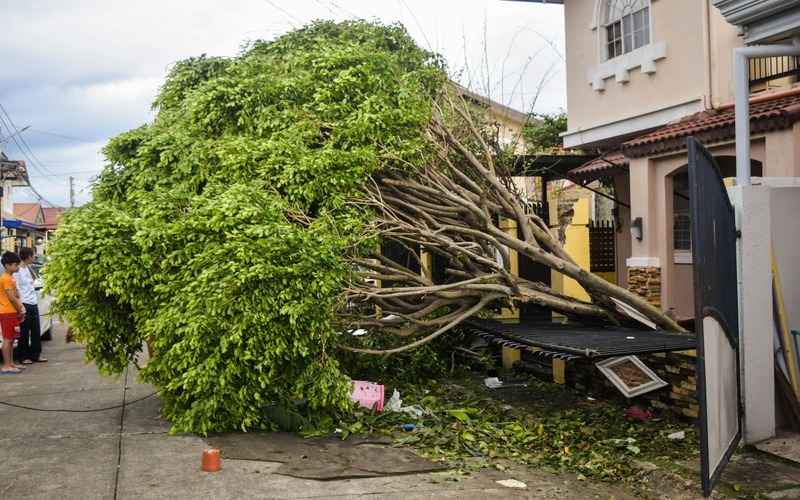
Typhoon Ragasa has already affected coastal areas in Southeast Asia. The storm, known locally as “Nando” in the Philippines, first made its presence felt in the northern part of the country. Typhoon Philippines primarily struck areas including Cagayan, Isabela, Quirino, Pangasinan, and parts of Northern Ilocos and the Batanes Islands. The capital city of Manila also experienced heavy rain and strong winds, forcing schools and offices to temporarily close.
Moving westward, the China typhoon component has severely impacted Guangdong Province, affecting cities including Shenzhen, Zhuhai, and surrounding areas. Hong Kong has issued high-level storm warnings, including the Typhoon Signal No. 8, temporarily canceling hundreds of flights and prompting local authorities to advise residents to stay indoors. Taiwan has also experienced the storm’s tail end, resulting in minor injuries and power outages in some areas.
Ragasa Typhoon Path
Understanding the typhoon’s path is crucial for travelers who have already departed.
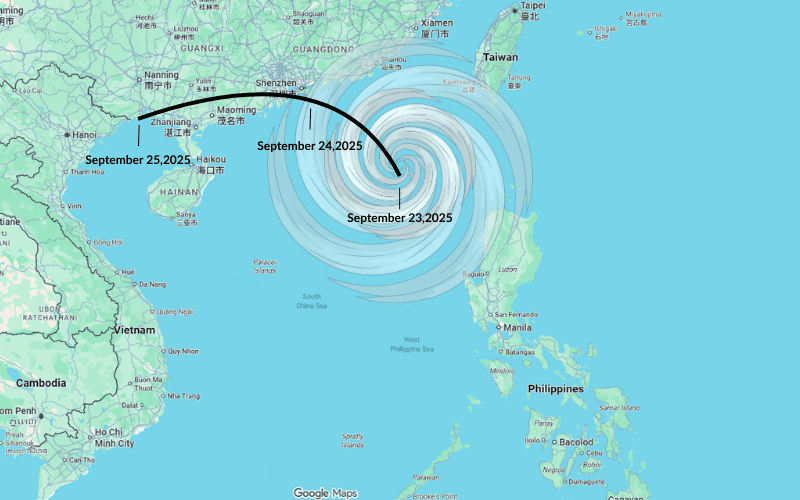
Typhoon Ragasa initially developed into a tropical storm on September 18 and intensified into a typhoon by September 19. The storm, known as Super Typhoon Nando in the Philippines, swept through the northern region on September 22, causing widespread flooding and landslides.
On September 23, it affected Taiwan’s eastern coast, where heavy rainfall from its outer rim led to severe flooding and a barrier lake overflowing in Hualien county.
By September 24, the storm’s path brought it south of Hong Kong and Macau, lashing both cities with typhoon-force winds and torrential rain, causing a significant storm surge along coastal areas. It then made landfall in China’s Guangdong province, leading to the evacuation of nearly two million people and the shutdown of schools and businesses in multiple cities.
Current forecasts indicate that Ragasa will continue to move westward and decrease in intensity, eventually dissipating over Laos.
Impact of Typhoon Ragasa on Tourism
For destinations in the Philippines, domestic flights have been suspended, ferry services halted, and multiple tourist attractions closed for safety reasons. In the short term, this means you may find some travel agencies still recovering, and certain infrastructure, particularly in rural areas, may still be undergoing repairs.
For destinations in southern China, such as Hong Kong International Airport, hundreds of flights have been canceled, with airlines rerouting aircraft to inland cities to avoid potential typhoon damage. Many businesses, including restaurants and shops, have closed during the storm. On the mainland, particularly in coastal cities like Shenzhen and Zhuhai, all tourism-related activities have been suspended. Theme parks, museums, and other attractions have shut down.
Important Information for Travelers
If you are a traveler planning to visit or already in the area, please keep the following important points in mind.
- Stay Informed: Keep track of updates from PAGASA (Philippines), China Meteorological Administration, Hong Kong Observatory, and Taiwan’s Central Weather Bureau.
- Check Flights: Cathay Pacific, Philippine Airlines, and other regional carriers have announced cancellation and rebooking options.
- Know Local Policies: If you have safety concerns about your residence, seek local shelters. Shelters are available in Hong Kong and cities across Guangdong Province.
- Follow Safety Instructions: Evacuation orders may be issued, particularly in Northern Luzon and Guangdong Province.
- Backup Plan: Prepare a list of emergency contacts, a copy of your travel insurance policy, and an alternative accommodation plan in case your original reservation is affected.
- Travel Insurance: Ensure your coverage includes typhoon-related interruptions.
Is it Safe to Visit the Philippines and China After the Typhoon?
The answer is yes, but after a typhoon passes, certain areas may still face safety concerns, such as flooding, fallen trees, and damaged infrastructure. However, major cities typically resume normal operations as quickly as possible. While some rural or coastal areas may require more time to recover, major tourist centers are generally safe and ready to welcome visitors again soon.
Let’s explore what these key destinations have to offer after a typhoon.
Manila, Philippines
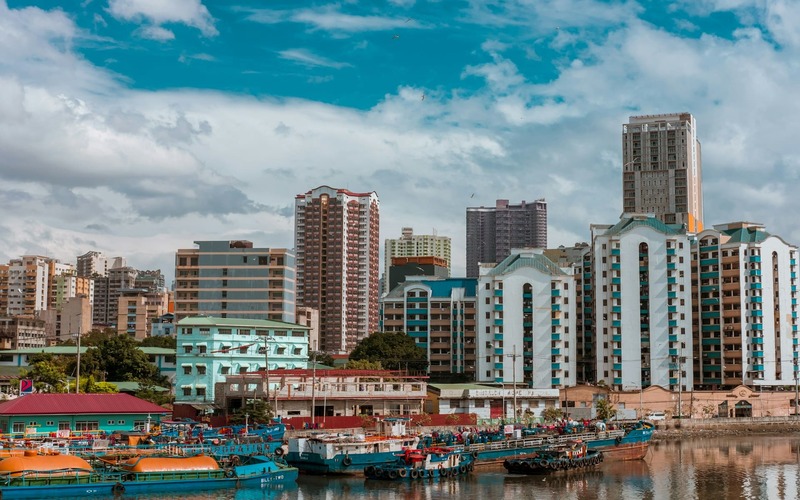
As the capital of the Philippines and its political, economic, and cultural hub, Manila is rich in history and cultural heritage. It is the top destination for first-time visitors to the Philippines. Compared to northern Philippines, the situation in Manila has improved slightly but is still in the process of recovery.
Best Time to Visit
The best time to visit Manila is typically during the dry season, from December to February. The weather is dry and warm during this period. Typhoon season usually peaks from June to November, so it’s best to avoid traveling then.
Top Things to Do
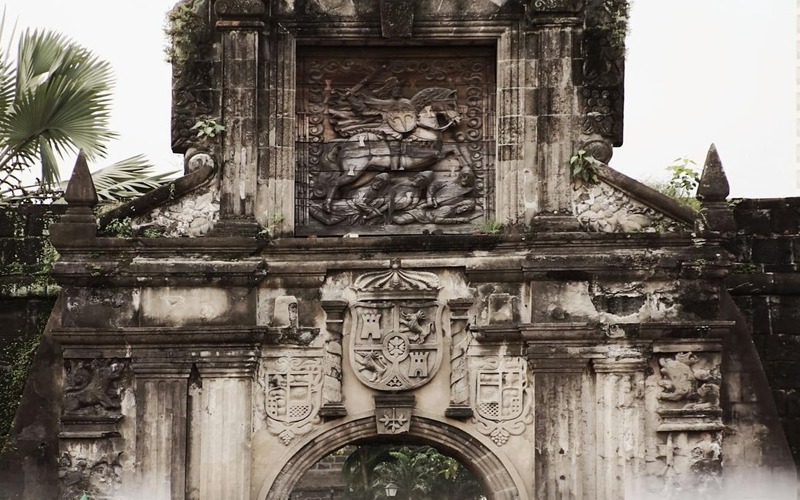
Visit Intramuros: This historic walled city is a must-see. You can rent a bamboo bike and cycle through the cobblestone streets, stopping at historical sites like Fort Santiago and San Agustin Church.
Exploring the National Museum Complex: Comprising multiple museums, including the National Museum of Fine Arts and the National Museum of Natural History, this is a great way to spend a day indoors and soak up some culture.
Enjoy Ocean Views: Manila’s city center is right by the sea. You can stroll along the bay or visit Manila Ocean Park.
Shopping: Manila has many large shopping malls, such as Robinsons Place Manila and SM City Manila, where you can escape the heat and shop.
Must-Try Cuisine
- Adobo: The national dish of the Philippines, adobo is a savory, tangy stew made with meat, usually chicken or pork, braised in a mixture of soy sauce and vinegar.
- Lechon: For meat lovers, try lechon. This is a whole roasted pig with a crispy, golden-brown skin and tender, juicy meat.
- Halo-Halo: A refreshing dessert perfect for the tropical climate. It’s a mix of shaved ice, sweetened beans, fruits, and jellies, topped with ice cream or leche flan.
- Sinigang: A signature Filipino sour soup made with pork, tomatoes, spinach, and tamarind.
Laoag City, Philippines
This is the capital of Ilocos Norte province in the Philippines, located in western Luzon. It features numerous historic buildings and beautiful beaches, appealing to diverse travelers. However, it was one of the areas directly impacted by Typhoon Ragasa, and recovery here may take longer.

Best Time to Visit
The best time to visit Laoag is during the dry season from November to April each year. Remember to avoid the typhoon season from June to October.
Top Things to Do
Sinking Bell Tower: Built in the 17th century, this bell tower stands as one of the tallest in the Philippines. Its name stems from the fact that part of it has sunk into the ground, making it one of Laoag’s most iconic landmarks.
Paoay Church: This UNESCO World Heritage Site is a Spanish colonial-era structure blending Baroque and traditional Ilocano architectural styles, ranking among the most beautiful churches in the Philippines.
La Paz Sand Dunes: Located outside Laoag City, a 15-minute drive away. Offers thrilling 4×4 rides and sandboarding experiences.

Must-Try Cuisine
- Pinakbet: A flavorful vegetable dish with bitter gourd, eggplant, okra, and other local produce, often cooked with shrimp paste.
- Ilocos Empanada: This crispy, orange-colored turnover is filled with longganisa, papaya, and a whole egg.
- Bagnet: This is a fried pork dish that’s crispy on the outside and tender on the inside—absolutely delicious.
Hong Kong, China
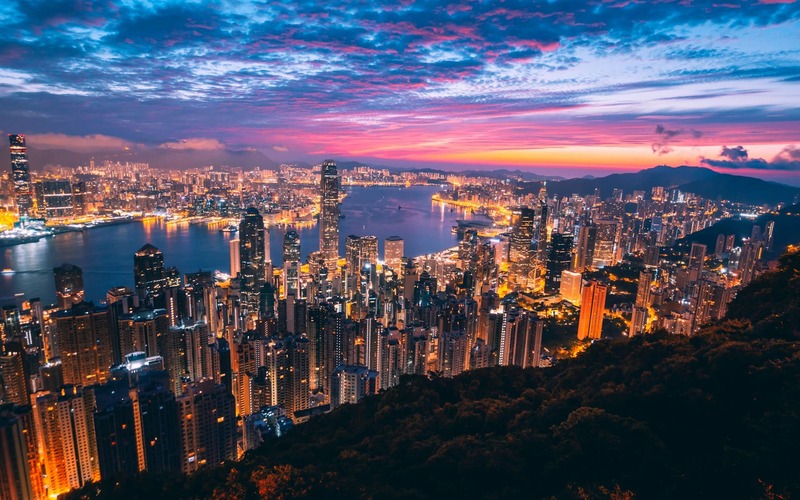
Hong Kong is a world-renowned international metropolis located in the South China Sea, with a thriving economy, rich culture, and breathtaking urban landscapes. As a major international hub, Hong Kong has a comprehensive emergency alert system and exceptionally high disaster recovery efficiency.
Best Time to Visit
The best time to visit Hong Kong is in the fall, from September to December, when the weather is cool and pleasant.
Top Things to Do
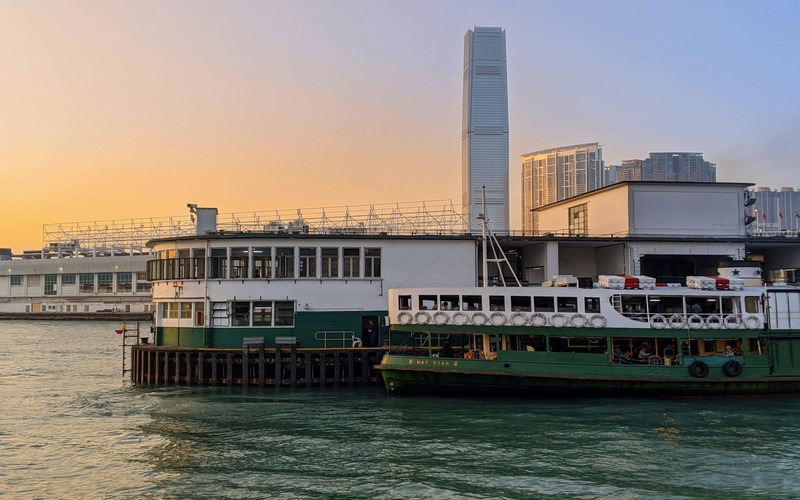
Ride the Star Ferry: This iconic Hong Kong ferry service transports passengers between Hong Kong Island and Kowloon. It has also become a renowned tourist attraction, offering breathtaking views of the city skyline from the water.
Visit Victoria Peak: You can take the tram to the summit, where you can enjoy breathtaking views of the entire Hong Kong Island, especially the panoramic vista of Victoria Harbour.
Hong Kong Disneyland: This is the second Disney theme park in Asia and currently the smallest, featuring the exclusive Frozen-themed area.
Tian Tan Buddha: Located on Lantau Island, the Tian Tan Buddha is one of the world’s largest outdoor bronze seated Buddhas and a renowned religious attraction in Hong Kong.
Shopping: Areas such as Causeway Bay, Tsim Sha Tsui, and Mong Kok are renowned for their diverse shopping malls, department stores, and brand boutiques. Additionally, markets like Temple Street Night Market and Ladies’ Market offer a wide array of local specialty goods.
Must-Try Cuisine
- Dim Sum: A meal of small, delicious dishes like shrimp dumplings , pork buns, and spring rolls.
- Hong Kong-style Milk Tea: A signature Hong Kong beverage featuring a smooth texture and moderate sweetness, integral to daily life for locals.
- Roast Goose: A classic Cantonese dish where the goose is roasted to achieve a crispy skin and tender, succulent meat.
- Wonton Noodles: A common street snack in Hong Kong, served in a light broth with savory wontons.
- Curry Fish Balls: A street snack made from fish paste mixed with starch, simmered together with curry.
Shenzhen, China
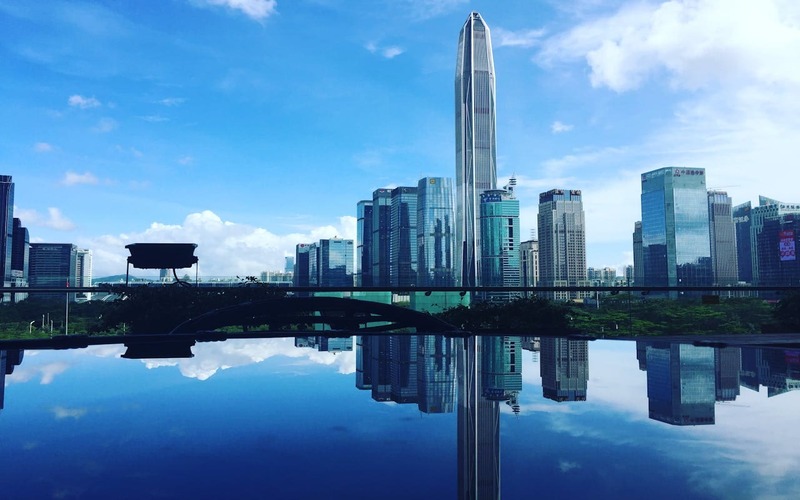
Shenzhen, located in Guangdong Province near Hong Kong, is a hub for technology and finance. Like Hong Kong, it boasts well-developed infrastructure and resilience.
Best Time to Visit
The best time to visit Shenzhen is during the fall and winter seasons, from September to January. The weather during this period is cool, and even in winter, temperatures don’t get too low. However, it’s advisable to avoid the Chinese New Year period, as many shops close during this time.
Top Things to Do
Window of the World: This theme park features replicas of famous landmarks from around the globe. You can “travel” the world in a single day!
Splendid China Folk Village: Get a glimpse of China’s rich history and diverse cultures with miniature replicas of historical sites and live cultural shows.
Dafen Oil Painting Village: This is Shenzhen’s artistic district, home to numerous art studios and galleries, making it a great destination for art-loving visitors.
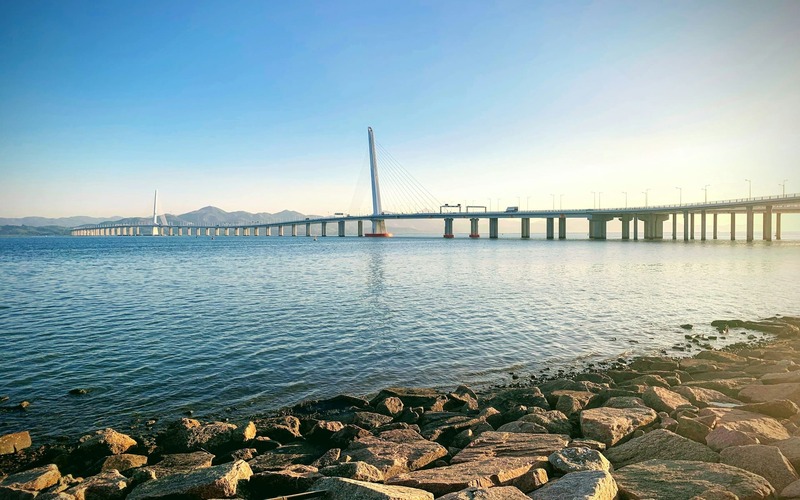
Shenzhen Bay Park: A coastal urban park where you can enjoy ocean views and the Shenzhen Bay Bridge connecting to Hong Kong.
Must-Try Cuisine
- Seafood: Shenzhen offers fresh seafood with a wide variety of options. Try steamed crab, salt and pepper mantis shrimp, and seafood hotpot.
- Char Siu: This dish is traditional Cantonese-style barbecued pork, made from pork shoulder or butt. After marinating and roasting, it becomes intensely aromatic. Char siu is typically served with white rice or enjoyed as a snack.
- Rice Noodle Rolls: Shenzhen’s rice noodle rolls are steamed from rice batter, resulting in a soft and smooth texture. Common varieties include shrimp rolls, beef rolls, and pork liver rolls, all featuring a tender and silky mouthfeel. They make an excellent choice for breakfast or as a snack.
Zhuhai, China
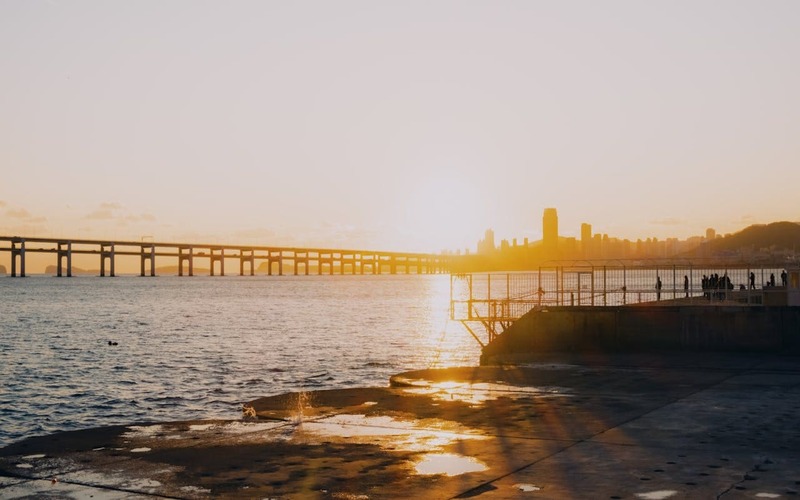
Zhuhai, also located in Guangdong Province, borders Hong Kong and Macau. With its beautiful coastal scenery and distinctive urban landscape, it is an important tourist and economic city. Zhuhai possesses well-developed infrastructure and emergency management capabilities, enabling rapid recovery following typhoons.
Best Time to Visit
The best time to visit is during the autumn and winter months, specifically from October to March, when the weather is mild and dry. Please note that Zhuhai can get crowded during the Chinese New Year period, but it also offers a great opportunity to experience traditional culture and explore the flower markets.
Top Things to Do
Chimelong Ocean Kingdom in Zhuhai: One of China’s largest marine theme parks, it features extensive aquariums, thrilling rides, and captivating shows, making it a top choice for family travelers.
Fisher Girl Statue: This iconic statue is the symbol of Zhuhai. It’s a popular spot for photos and a walk along the scenic coastline.
New Yuanming Garden: This scenic area was modeled after Beijing’s Old Summer Palace, featuring beautiful garden landscapes and a rich historical and cultural background.
Wailingding Island: This island boasts crystal-clear waters and fine sandy beaches, offering activities such as diving and sea fishing.
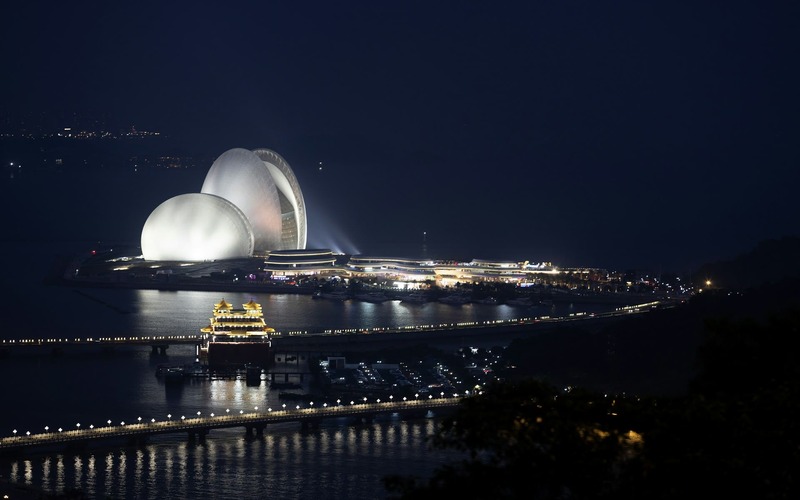
Zhuhai Grand Theater: Built on an island, this grand theater serves as Zhuhai’s premier performance venue. Its exterior features a distinctive shell-like design.
Must-Try Cuisine
- Steamed Fish: Zhuhai’s steamed fish places particular emphasis on the freshness of ingredients, often featuring seafood varieties. The fish is steamed until just cooked through, preserving its natural flavor, and served with ginger, scallions, soy sauce, and other accompaniments.
- Poached Chicken: A staple dish on Cantonese dining tables, made with locally raised free-range chickens. The meat is tender and flavorful, typically served with ginger, scallions, and soy sauce.
- Coconut Water: Zhuhai’s coconut water is exceptionally fresh. Many street vendors offer it, providing a refreshing and thirst-quenching treat that’s perfect for hot summer days.
FAQ
How to prepare for a super typhoon?
Ensure you have a go bag prepared, stocked with water, snacks, a power bank, necessary medications, and important documents. Stay informed by monitoring local weather channels and following any recommendations from local authorities.
Which country has the most typhoons?
The Philippines is the nation most severely impacted by typhoons globally, with an average of 20 tropical cyclones entering its area of responsibility each year. This is due to its geographical location along the primary storm track forming in the western Pacific Ocean.
What happens if my flight is cancelled due to a typhoon?
If your flight is canceled due to a typhoon, airlines typically offer several options. You can usually rebook a later flight without paying any change fees. Some airlines may also provide refunds, depending on their policies and the circumstances of the cancellation. Contact your airline directly as soon as you receive notification. Be sure to check your insurance policy for coverage related to natural disasters and travel interruptions.





.jpg)
.jpg)
There are no comments.