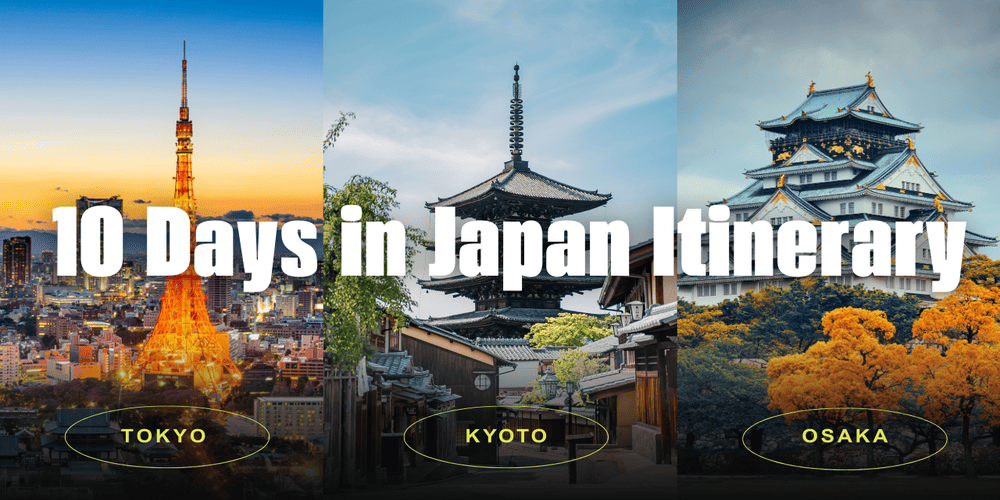

Japan has long been a destination that draws travelers from across the nation, offering a blend of ancient traditions, distinctive culture, natural landscapes, and countless culinary delights. Every city is worth exploring, but with limited time, it’s crucial to incorporate Japan’s most renowned locations into a single trip.
If your plan is to spend 10 days in Japan, consider our curated Golden Route, which connects Tokyo, Osaka, and Kyoto. This 10-day Japan itinerary will take you through metropolitan cities, ancient temples and shrines, and breathtaking landscapes.
Table of Contents
Is 10 Days Enough to See Japan?
10 Day Japan Itinerary: Tokyo, Kyoto, Osaka
Japan Travel Tips
Is 10 Days Enough to See Japan?
10 days is ample time to focus on several major cities and enjoy their various attractions without feeling rushed. For first-time visitors, Tokyo, Osaka, and Kyoto are the best destinations. Afterward, you can choose to tour Hokkaido or explore the cities of Kyushu.
10 Day Japan Itinerary: Tokyo, Kyoto, Osaka
This 10-day Japan itinerary will take you through three cities, starting from Japan’s bustling capital, Tokyo, then heading to the cultural hub Kyoto, and finally concluding in the lively metropolis of Osaka.
General Itinerary: Tokyo (3 nights) – Kyoto (3 nights) – Osaka (3 nights).
Day 1: Begin the Journey from Tokyo
Your Japan travel itinerary kicks off in Tokyo. Upon arriving at your accommodation, today’s itinerary focuses on the western part of the city, specifically Shinjuku and Shibuya wards. Ascend to the observation deck of the Tokyo Metropolitan Government Building for complimentary panoramic city views. On clear days, you might even catch a glimpse of Mount Fuji. Afterward, take a 15-minute walk to Omoide Yokocho Memory Lane, where you’ll find an array of food stalls to energize yourself.
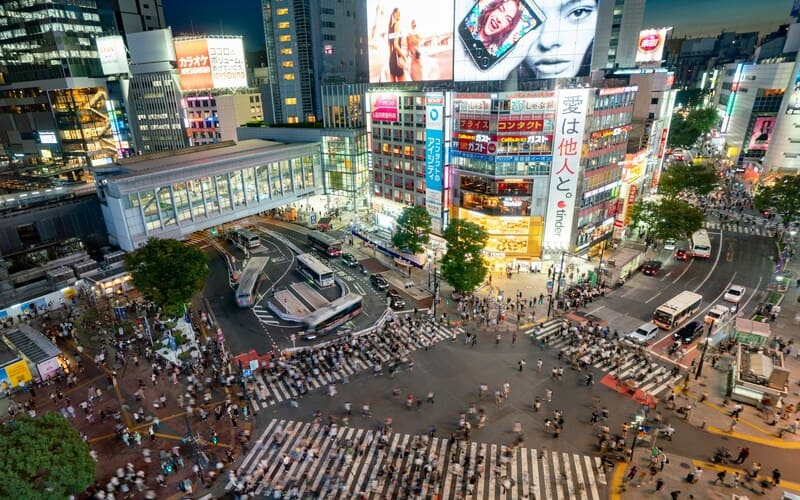
Take the subway to Shibuya Ward, where you’ll encounter the Shibuya Scramble Crossing. Find an elevated vantage point—like the second-floor Starbucks across the street—to watch the crowds flow beneath the neon lights. If you’re a shopping enthusiast, Shibuya has numerous malls for you to explore.
Where to Eat
Jikasei MENSHO: This ramen shop in Shibuya offers a variety of flavors, with the salty ramen and white truffle-scented wagyu beef ramen highly recommended.
Joto Curry: This restaurant serves rich, spicy curry, with its signature dish being curry shrimp.
Where to Stay
We recommend choosing Shinjuku for your stay, as it offers countless hotels ranging from budget-friendly options to luxury accommodations. Look for places near Shinjuku Station for easy access to the city center.
Day 2: Experience Culture & Feel the Peace
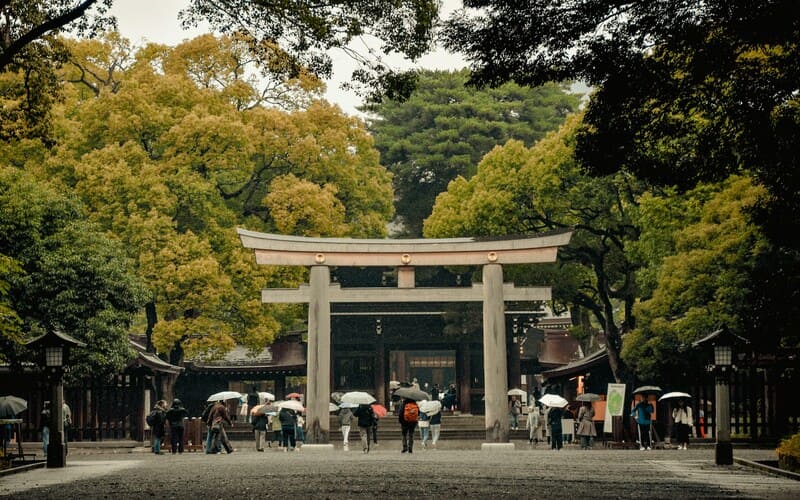
Today’s focus shifts from the bustle of the city to exploring Japan’s traditional culture. First, we visit Meiji Jingu, a beautiful and serene shrine dedicated to Emperor Meiji and Empress Shōken. Surrounded by forests, you’ll feel a sense of tranquility.
Afterward, head to nearby Yoyogi Park, where cherry blossoms bloom in spring. Alternatively, visit Takeshita Street, lined with trendy boutiques and snack shops. This area is the heart of Japanese youth culture and fashion. Omotesando is also worth exploring—this bustling avenue features an array of shops, making it a great spot for shopping.
Where to Eat
Yakiniku Ushigoro Omotesandoten: A highly popular yakiniku restaurant, especially known for its Wagyu beef sandwiches and beef tongue.
bills Omotesando: Their pancakes are the most popular item, particularly the ricotta hotcakes, though you may need to queue.
AMAM DACOTAN: If you’re craving bread, this is a great choice—the savory sausage rolls are worth trying.
Day 3: Visit Tokyo’s Historic Center
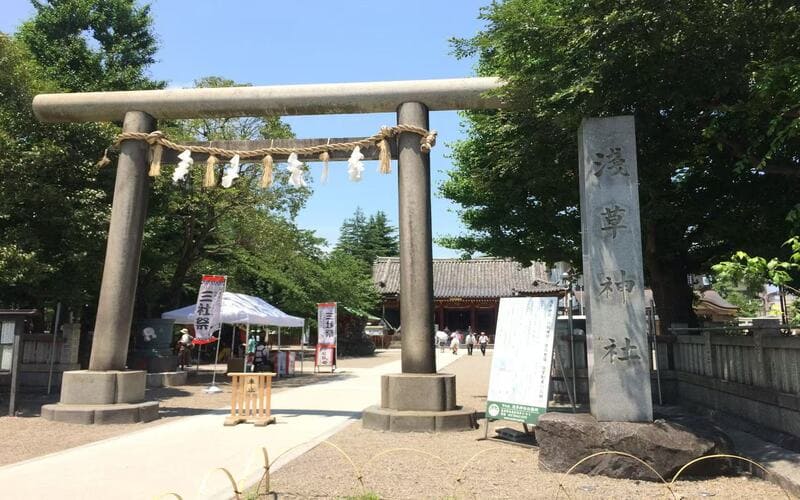
Today is your last day in Tokyo. Head to the historic center of Asakusa to visit Sensō-ji, Tokyo’s oldest temple, where cherry blossoms bloom in spring. The Nakamise Shopping Street leading to Sensō-ji is lined with various shops where you can buy snacks.
After arriving in Ueno by train in the afternoon, you’ll discover Ueno Park, home to several museums, including the Tokyo National Museum and a zoo featuring pandas. If you’re an anime fan, I recommend visiting Akihabara, where you’ll find various anime shops and video game arcades. Finally arriving at Tokyo Tower, we see it illuminated at night.
Where to Eat
Nodaiwa Ginza: Unagi donburi is one of Japan’s signature dishes. Here, the eel boasts a perfectly crispy skin that pairs flawlessly with the rice.
Tendon Itsuki Ginza: A renowned tempura restaurant where the crispy batter never feels greasy.
Sushi Edo Fuji: Savor fresh seafood rice bowls, with the sea urchin rice being the standout specialty.
Day 4: Head to Kyoto
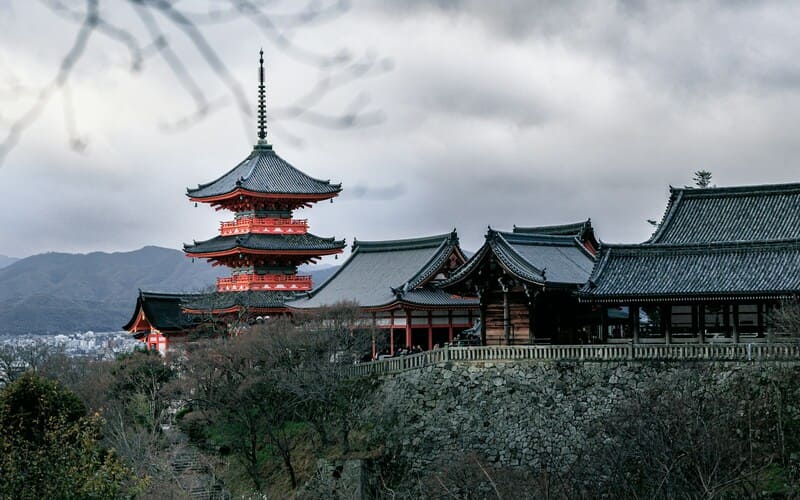
Upon arriving at Tokyo Station, take the Shinkansen to Kyoto, a journey of approximately 2 hours and 15 minutes. After arriving in Kyoto and dropping off your luggage, head to Higashiyama Ward to begin exploring the city. Kiyomizu-dera is a renowned Buddhist temple in Kyoto, offering panoramic views of the city from its wooden platform. Afterward, wander along Sannenzaka to Ninenzaka, an area lined with traditional buildings and numerous shops.
Head to Gion in the evening, where you can try exquisite kaiseki restaurants. You may also have the chance to see a geisha.
Where to Eat
Mizai: This restaurant specializes in seafood dishes featuring fresh tuna, squid, and more.
Kikunoi Honten: A renowned Kyoto kaiseki restaurant boasting a garden view. Its signature dish is grilled beef wrapped in fig leaves, served with fig jam.
Where to Stay
Staying near Kyoto Station offers convenient access to transportation, while choosing accommodations in more central areas like Gion or Honmachi will give you a more authentic local experience.
Day 5: Shrines and Nature Views in Kyoto
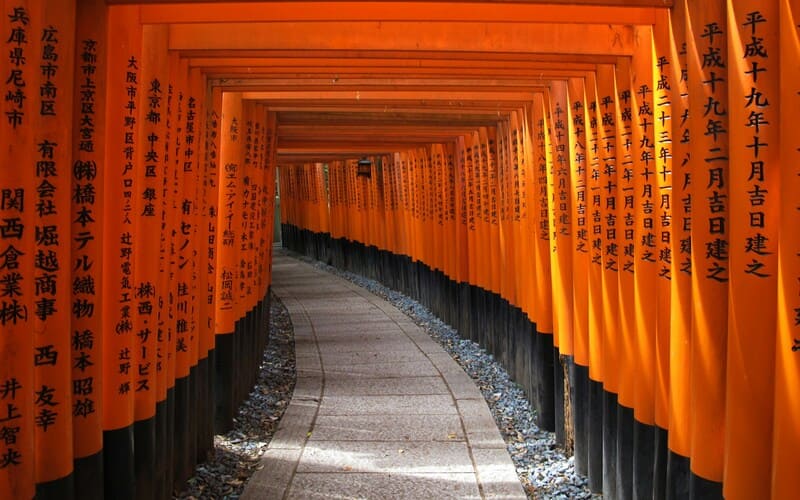
Today we’ll visit Kyoto’s most iconic attractions. First thing in the morning, we’ll head to Fushimi Inari Taisha, home to the famous Thousand Torii Gates—a path lined with thousands of vermilion torii gates. Arriving early lets us avoid the crowds and capture better photos.
If time permits, you can also take the train to To-ji Temple, a temple with over 1,200 years of history that houses numerous Buddhist statues.
In the afternoon, we arrived at Arashiyama Bamboo Forest. The towering bamboo groves and the way light filters through them create a scene straight out of a movie. Just outside the bamboo forest stands Tenryu-ji, a Zen temple with an enchanting garden that becomes surrounded by vibrant autumn foliage during the fall season.
Where to Eat
Gion Unagi Kawato: Kansai-style grilled eel with a distinct flavor unlike Tokyo’s, featuring a crispy, charred skin.
Café Amazon: A cozy café where sandwiches are the star, especially the fried shrimp sandwich.
Kijurou: Located near Tenryu-ji Temple, this spot is renowned for its signature Wagyu beef rice bowl—a must-try.
Day 6: Temples and Tea Ceremony
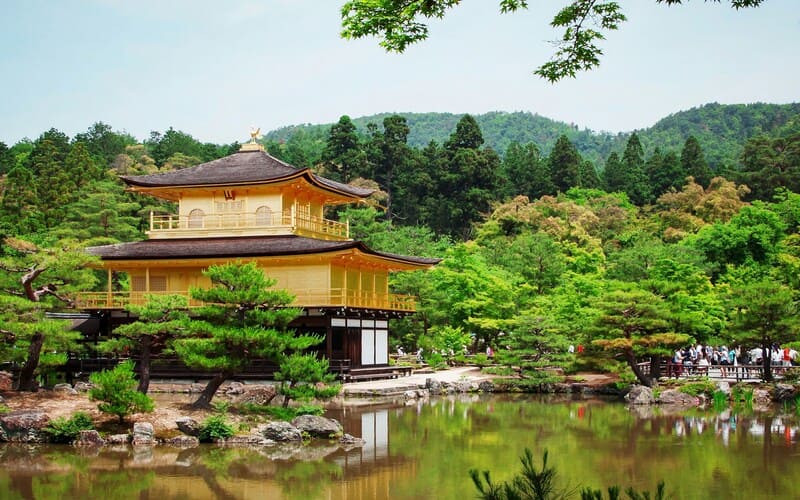
Today we’ll experience Kyoto’s traditions, starting with a visit to Kinkaku-ji, the temple covered in gold leaf that sits majestically above a pond. Near Kinkaku-ji, you can experience a Japanese tea ceremony, where you’ll learn how to prepare matcha and savor the tea. You can usually also change into a kimono for photos. If time permits in the afternoon, Nijō Castle makes for an excellent visit. You’ll see the lavish residence of the shogun and view the displayed artifacts.
In the evening, head to JR Kyoto Isetan near Kyoto Station to purchase souvenirs like assorted matcha sweets and snacks.
Where to Eat
Gion Duck Rice: Duck rice is this restaurant’s specialty, served with broth and various seasoning powders.
Salon de Muge: Offers coffee and assorted desserts, with matcha ice cream being the most popular. Note that advance reservations are required.
Kyoto Wagyu Roast Beef Restaurant: Grilled wagyu beef rice paired with miso soup makes for a quick, energy-boosting meal.
Day 7: Head to Osaka
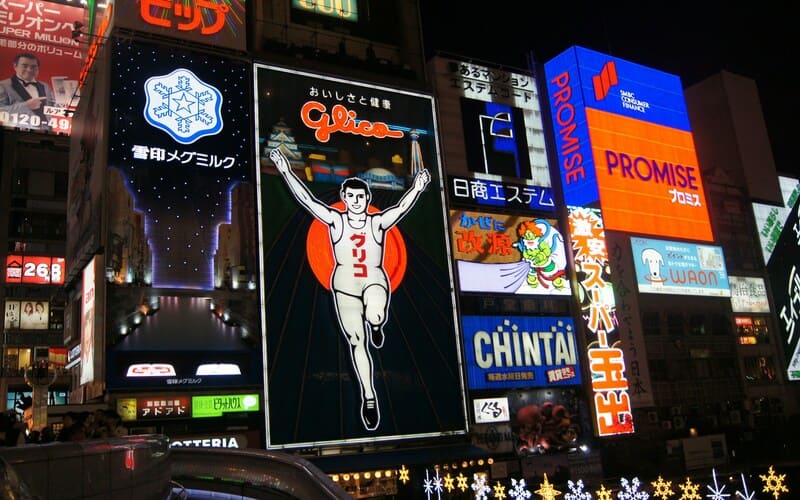
Taking the bullet train from Kyoto to Osaka takes less than 30 minutes. Upon arriving in Osaka, head to Dotonbori as your first stop. This is Osaka’s most famous entertainment district, featuring numerous shops and restaurants, with the Glico Running Man being the most popular photo spot.
Shinsaibashi-suji across the street is also a renowned shopping district. If you enjoy hunting for secondhand clothing, you’ll find numerous vintage shops here, such as 2nd Street and the more upscale QOO. You’ll have a fulfilling time exploring this area.
Where to Eat
Tempura Tarojiro: A restaurant specializing in tempura, recommended for its wagyu beef and jumbo shrimp tempura.
Kinryu Ramen Dotonbori: Features a rich broth, firm noodles, and is reasonably priced.
Strawberry Mania: An ice cream shop that often has lines, with strawberry being the most popular flavor.
Where to Stay
We recommend staying in the Namba or Shinsaibashi area, as it’s close to various attractions and offers more shops and restaurants.
Day 8: Osaka’s History and Modern Art
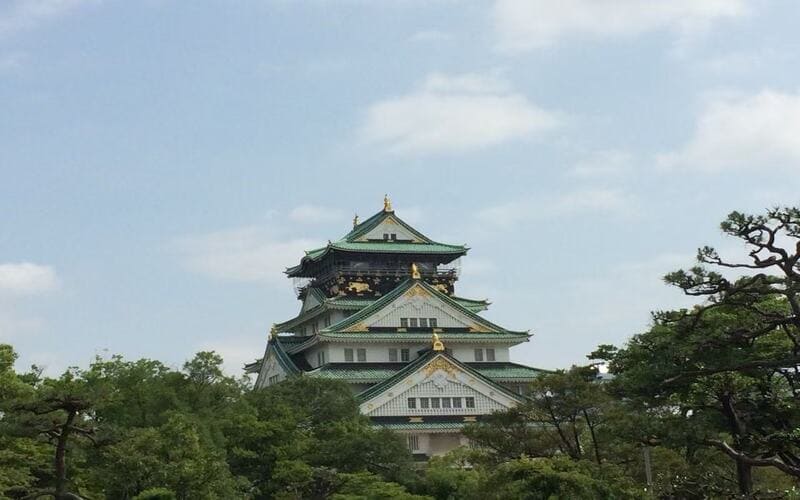
In the morning, head to Osaka Castle, a historic structure that is a reconstructed 16th-century fortress. The surrounding park is beautiful, especially during cherry blossom season. Later, take the train to the Umeda Sky Building, a unique architectural masterpiece featuring an aerial garden observation deck offering 360-degree city views.
In the evening, head to Tsutenkaku, Osaka’s iconic landmark, and explore the Shinsekai district filled with restaurants and souvenir shops.
Where to Eat
Rokusen Sushi Tsutenkaku Main Store: A renowned sushi restaurant near Tsutenkaku. Besides delicious sushi, it also offers options like grilled skewers.
Seafood Okonomiyaki, Oden, TOMONO: An okonomiyaki restaurant open until midnight, featuring fresh ingredients and generous portions.
Gyu Tongue Lemon Shinjuku: A reservation-required yakiniku restaurant where beef tongue and Wagyu beef are the recommended dishes.
Day 9: Day Trips from Osaka
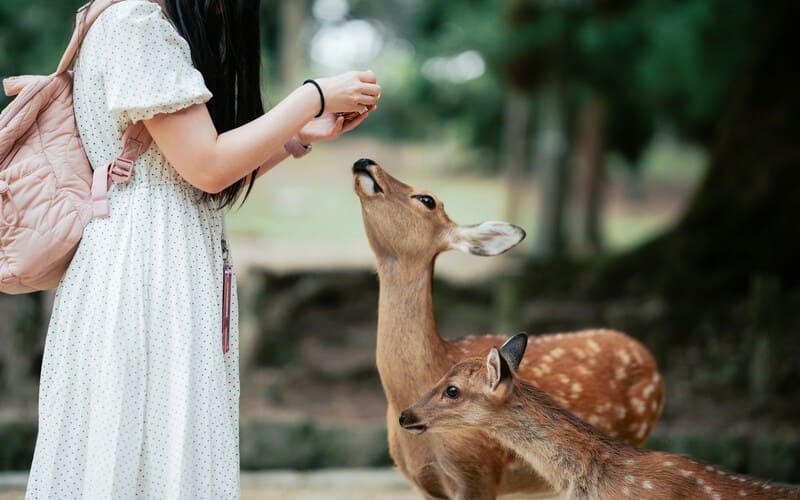
Today offers many choices. You can opt for a fun-filled day at Universal Studios Japan. Or take a day trip to Nara, just an hour away by train. The deer roaming freely in Nara Park are the city’s iconic symbol. You can purchase special deer crackers to feed them. The park is also home to Todai-ji Temple, which houses a massive bronze Buddha statue. As well as Kasugataisha Shrine, home to thousands of stone lanterns, where you can also spot deer walking around.
Where to Eat
Spice Kitchen Labo: Serving delicious omelet rice at affordable prices with generous portions.
Kamaiki: Known for its specialty udon noodles, located near Nara Park, and also serves delicious tempura.
Day 10: Departure
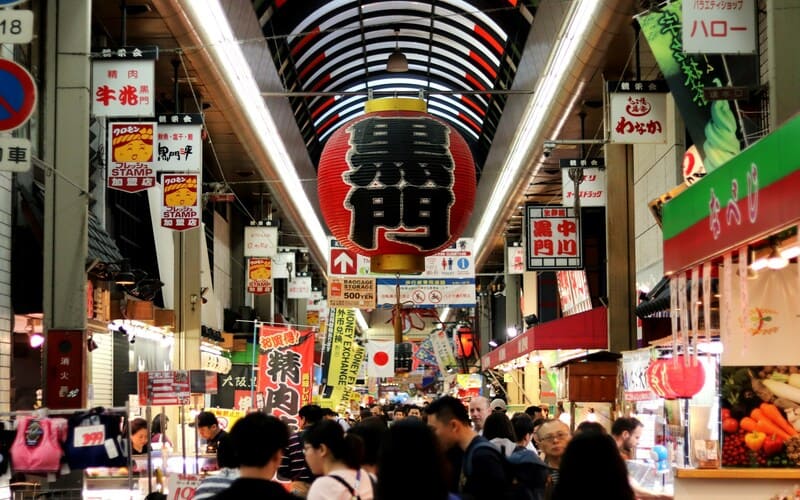
Today is your last day in Osaka. You can enjoy a brunch at Kuromon Market and sample its delicious offerings. You may also purchase some souvenirs here. Afterward, head to Kansai International Airport. At the airport, you can select specialty products such as Japanese sake and whiskey, or various unique snacks.
Where to Eat
Kuromon Gyoraku: Located inside the market, this restaurant serves fresh seafood and delicious okonomiyaki.
Niku and…: Specializes in various seafood rice dishes and grilled eel.
Tours4fun Recommended Products
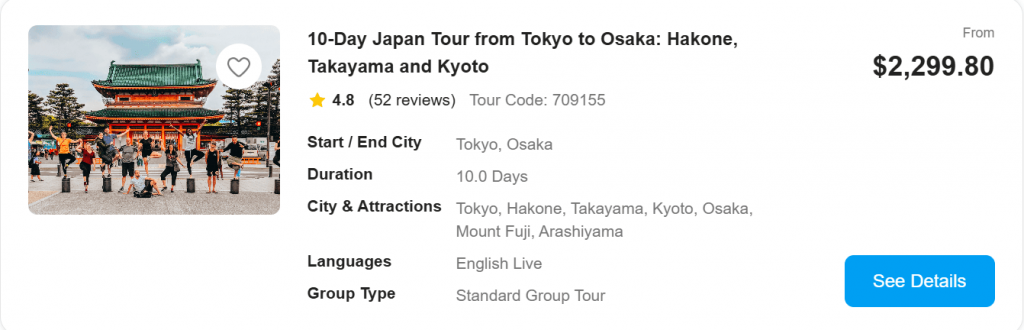
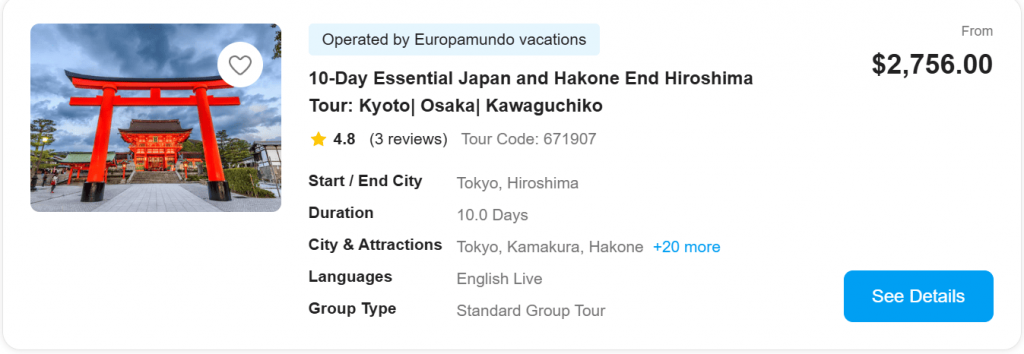
Japan Travel Tips
Before you go, here are a few tips to make your first time in Japan even smoother.
Best Time of Year to Visit Japan
Generally speaking, the best times to visit Japan are spring, from March to May, and autumn, from September to November. Late March to early April marks Japan’s cherry blossom season, offering stunning scenery, although crowds tend to be larger during this period. Autumn brings the foliage season, where you can admire vast swathes of red and orange leaves intertwining.
Summer, from June to August, features hot weather and frequent rainfall. However, summer offers more festivals, such as fireworks festivals and summer festivals across the country, allowing you to experience various events and performances.
From the winter months, December to February, the weather is colder, but tourist crowds are thinner. If you visit Sapporo during this time, you’ll also have the chance to see numerous ice sculptures.
What to Pack
- Appropriate clothing: Pack clothes according to the season and weather at your destination.
- Cash: Many small shops in Japan still only accept cash.
- Walking shoes: Tokyo, Osaka, and Kyoto are all very walkable cities, meaning you’ll be covering a lot of ground.
- Portable Wi-Fi or eSIM: Staying connected is key. A pocket Wi-Fi device or eSIM will make navigation and translation much easier.
- Essential medications: Your personal medications plus cold medicine, stomach medicine, band-aids, etc.
- Backpack or tote bag: Japanese supermarkets charge for plastic bags, and trash cans are scarce on the streets. Therefore, a bag that can hold many items is essential.
How to Get Around
- Trains: For traveling between cities, bullet trains and JR lines will get you there at top speed.
- Subways: Tokyo, Osaka, and Kyoto all have subway systems connecting city centers to major attractions. Consider purchasing a SUICA or ICOCA card for convenient access to subways and buses.
- Buses: Buses are the most convenient way to get around Kyoto, offering direct routes to key sights. A one-day pass is highly recommended.
- Taxis: Tokyo has the highest taxi fares, with a starting rate of 500-600 yen. Osaka is somewhat cheaper than Tokyo. Kyoto’s starting rate is also typically 500 yen.
How to Save Money
- Use the Japan Rail Pass: Allows unlimited rides on most JR trains and JR buses during its validity period, ideal for multi-city itineraries. Must be purchased in advance on the official website.
- Choose a transportation pass: Each city offers different passes for unlimited public transit rides within a set timeframe.
- Eat at convenience stores: Japanese chains like 7-Eleven, FamilyMart, and Lawson provide high-quality, delicious, and affordable meals.
- Visit local supermarkets: After 6 PM, you can often find discounted bento boxes and food items at supermarkets.
FAQ
Where is the best place to go in Japan for the first time?
For first-time visitors to Japan, we highly recommend the Tokyo-Kyoto-Osaka itinerary. This route encompasses Japan’s two largest cities and one of its oldest, allowing you to experience both modern metropolises and historic architecture.
What’s the cheapest month to visit Japan?
Generally speaking, the cheapest months for travel are January, February, and early June, as they fall outside major holidays and peak seasons.
Is $2000 enough for 2 weeks in Japan?
Excluding airfare, a budget of $2,000 per person may be tight but is achievable. This is possible by choosing budget hotels or B&Bs, dining at affordable restaurants and convenience stores, and using local transit passes.





There are no comments.