
If you are planning a summer travel spot but are hesitant to do so. Given the current global situation, worrying about your safety is a common concern. The purpose of this article is to provide a clear and easy-to-understand guide to help you navigate the complexities of international travel, especially in light of recent developments in Iran and Israel. We will discuss current travel warnings, affected destinations, and most importantly, recommend some suitable destinations to help you with your dilemma of choice.
Table of content
| Affected Country and Region | Safer Places You Can Visit |
| Egypt | Malta |
| Saudi Arabia | Morocco |
| Jordan | Greece |
| United Arab Emirates | Nepal |
| Armenia | Indonesia |
| Cyprus |
Current Status of the Israel-Iran Conflict
The fragile stability following the June 2025 ceasefire collapsed on February 28, 2026, when the United States and Israel launched a massive combined military operation, targeting Iran’s nuclear facilities, missile sites, and command centers. As of today, March 5, the region remains in a state of active war, with Israel conducting ground incursions into southern Lebanon and Iran’s leadership in a state of volatile transition.
Airlines have been forced to change routes or cancel flights, affecting major aviation hubs such as Doha and Dubai. While some Middle Eastern countries have indicated that they will reopen their airspace, the wider security situation requires continued vigilance. (For more airline safety information, check out Safeairspace) Critically, despite possible signs of de-escalation, the security risk in the region remains high, with a number of countries having issued travel warnings.
Countries with Travel Warnings
The U.S. Department of State and the UK Foreign Office have issued unprecedented “Depart Now” orders for nearly 15 countries across the Middle East.
-
Level 4 (Do Not Travel): Iran, Iraq, Syria, Yemen, and Lebanon. Americans in Iran have been advised to shelter in place or depart by land, as all commercial flights have ceased.
-
Level 3 (Reconsider Travel): Israel, Jordan, the UAE, Saudi Arabia, Qatar, Oman, Kuwait, and Egypt have all been upgraded due to the high risk of missile interceptions and regional spillover.
Affected Country and Region
While some countries may not have been directly involved in the conflict, their geographical location or status as transportation hubs may have led to disruptions. The following countries and regions are affected:
Egypt 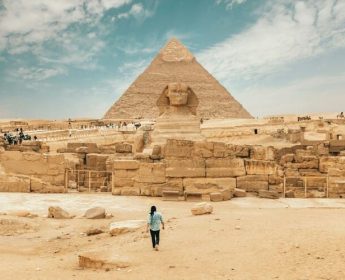
While Egypt is a popular tourist destination, its proximity to tensions means that travelers should exercise extreme caution. For example, the security situation in parts of the Sinai Peninsula has long been a concern. Rerouted international flights have flooded Egyptian airspace, leading to significant congestion and delays at Cairo International Airport.
While major tourist areas like Luxor and Aswan may not be significantly affected, it is always wise to be aware of the situation locally and take advice from the authorities.
Saudi Arabia
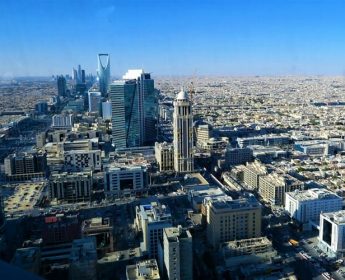
The country has also stepped up security measures at its main borders and airports. Although Saudi Arabia is an important religious pilgrimage destination and tourism is increasingly booming, travelers are warned that even religious pilgrimage sites are subject to sudden airspace closures.
The closure of airspace by neighboring countries has already affected air travel in the Gulf region, and even flights that do not directly overfly conflict zones may result in delays and cancellations.
Jordan
Jordan is currently a primary land exit route for those fleeing the conflict. However, the risk of falling debris from intercepted missiles is extreme. On March 2, the U.S. ordered the departure of non-emergency government personnel from Amman. Flight operations at Queen Alia International Airport are sporadic and subject to immediate cancellation.
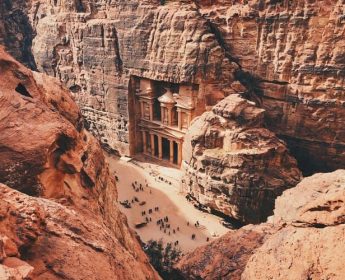
Although Jordan is home to stunning historical sites such as Petra, the Dead Sea, and Wadi Rum, current travel warnings still advise travelers to be vigilant and also be prepared for potential flight disruptions.
United Arab Emirates
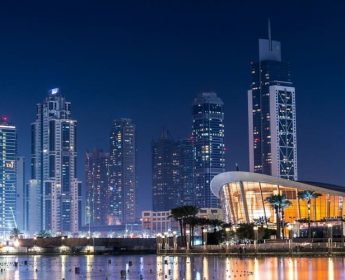
Air travel in the UAE, whose main air hubs are Dubai and Abu Dhabi, has been significantly impacted.
The UAE’s status as a safe haven was challenged this week when a prominent hotel in Dubai and the area near the U.S. Consulate were struck during Iranian retaliatory salvos. Dubai International (DXB) and Abu Dhabi (AUH) airports have seen thousands of cancellations. Emirates and Etihad have suspended many operations, and travelers are urged not to go to the airport without a confirmed booking.
Armenia

Armenia is located in the South Caucasus region and has many ancient monasteries, churches, and cultural sites. Part of its territory borders Iran, and its geographic location means that it may be indirectly affected by regional instability.
Armenia is seeing a massive influx of refugees. The U.S. Embassy has warned of potential security concerns and indirect impacts on regional aviation.
Cyprus
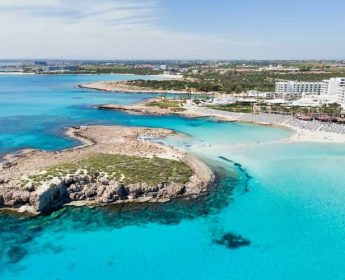
The island nation in the eastern Mediterranean is relatively close to the Levant. Cyprus has always been a popular tourist destination in Europe, but its geographic location close to Syria and Israel means that the regional security situation can affect it.
Regional airspace rerouting has made flights to Cyprus longer and more expensive, with safety warnings issued for civilian routes east of the island.
Safer Places You Can Visit
Where should you go on vacation if the destination you want to visit is already on the affected list above? We have compiled a list of safer destinations for travelers that have a similar vibe and culture, and are not affected by the current situation, and can be visited with no worries.
Malta
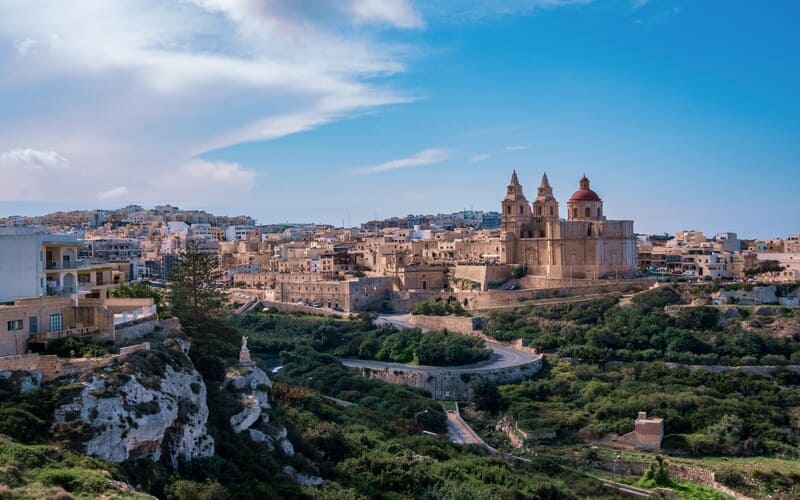
Malta is an island nation located between Sicily and the North African coast. The country is rich in history, with the fortified city of Valletta and the ancient Megalithic Temples. It is perfect for relaxing beach activities such as swimming and diving. While in Malta, try the fresh local seafood and Italian restaurants.
Best time to visit: The best time to travel to Malta is March-May in the spring and September-November in the fall. Temperatures at this time of year range from 10-25 °C (50-75 °F). It’s great for all kinds of outdoor activities and there are fewer tourists.
Top attractions: Malta has three UNESCO World Heritage Sites, the Valletta, Megalithic Temples, and the Hal Saflieni Hypogeum. There are also six Megalithic Temples older than Stonehenge: Hagar Qim, Mnajdra, Skorba, Ta’ Hagrat, and Tarxien. Besides these sites, the natural attractions of Santa Maria Caves and Wied il-Għasri are well worth visiting.
Morocco
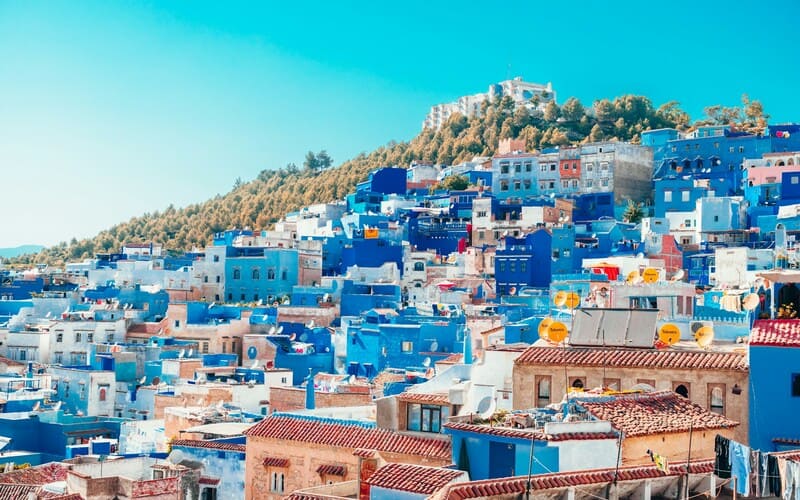
To explore the charms of North Africa, Morocco could be the first choice. It has colorful architecture and is influenced by Berber, Arab, and European cultures. From the ancient medinas of Fes and Marrakech to the majestic Atlas Mountains and the endless deserts of the Sahara, Morocco is a land of contrasts and stunning beauty.
Best time to visit: The right time to visit Morocco is spring in March-May and fall in September-October. Temperatures will be between 10-28 °C (50-80 °F), making it more comfortable to visit. Summers in Morocco are too hot, with highs of up to 40°C (104°F) in inland areas, not suitable for sightseeing.
Top attractions: Explore Marrakech’s bustling Jemaa el-Fnaa in Morocco. Marvel at the Blue City of Chefchaouen and visit Casablanca’s Hassan II Mosque, which sits on the seafront. And of course, be sure to experience a Moroccan desert safari to the dunes of Erg Chebbi. Taste the local specialties of tagine and couscous.
Greece
Greece is the cradle of Western civilization with thousands of years of history and is surrounded by the Aegean Sea. There are countless iconic ancient sites, beautiful islands, and unique cuisines. You can go on cultural explorations, and beach getaways and participate in lively parties, offering a variety of vacation options.
Best time to visit: The ideal time to travel to Greece is late spring (May to early June) and early fall (September to October). Temperatures are roughly between 23-28 °C (73-82 °F). The weather is sunny and warm, but not overheated, making it ideal for sightseeing and swimming. There are also fewer tourists compared to the peak summer months of July and August. This is the time when the temperature does not exceed 32 °C (90 °F) and, of course, when most travelers are present.
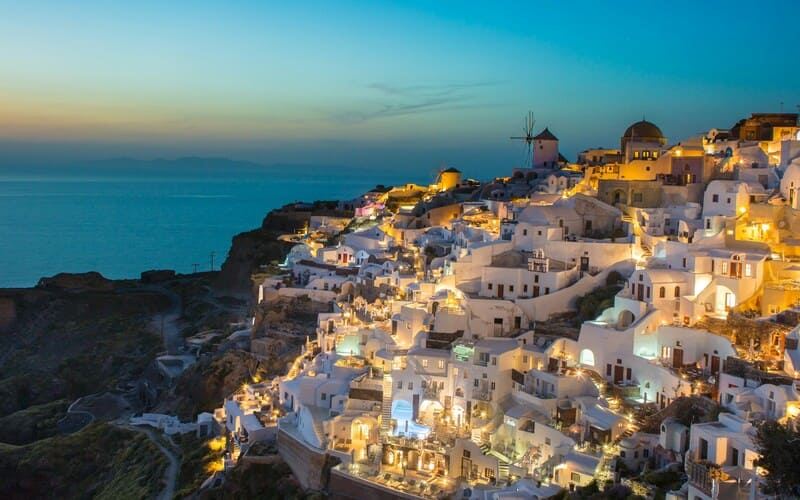
Top attractions: The Acropolis and the Parthenon are not to be missed. Away from the mainland, Santorini with its stunning sunset views, Mykonos with its lively towns and great nightlife. And Crete, the largest Greek island with ancient history such as the Palace of Knossos. And let’s not forget the mysterious monasteries of Meteora, which stand on towering pillars of rock and are a World Heritage Site.
Nepal
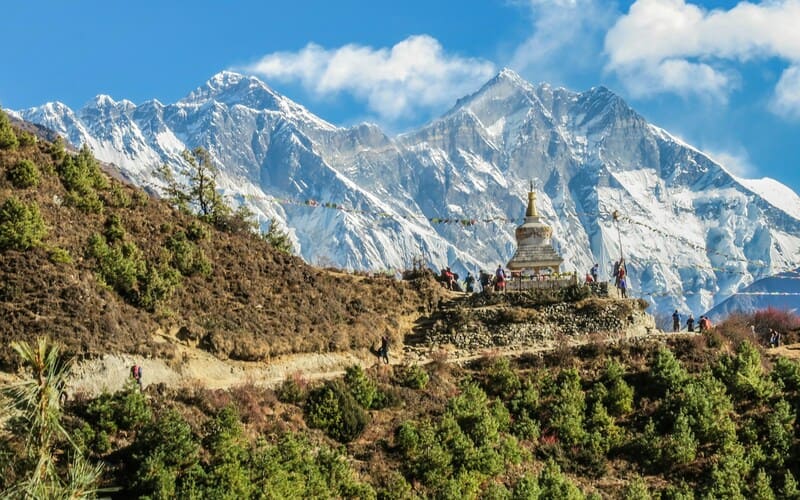
Nepal is situated in the hinterland of the Himalayas. If one is tired of the hustle and bustle of the city, yearns for the mountain views, and wants to experience a completely different kind of trekking, a trip to Nepal offers you peace of mind. Eight of the world’s ten highest peaks can be seen here, especially Mount Everest. Nepal’s culture, temples, and natural beauty attract countless people.
Best time to visit: The best seasons for trekking and general tourism in Nepal are fall (September to November) and spring (March to May). Temperatures will range between 15-25 °C (59-77 °F). Summer and winter are not suitable for trekking to Nepal as summer is the monsoon season with heavy rainfall. And winter is cold with snowfall.
Top attractions: If the purpose of your trip is trekking, then Everest Base Camp and Annapurna Peak Circuit are usually the most popular. While in the capital city, Kathmandu is home to Pashupatinath Temple, Buddha Stupa, and the ancient Durbar Square. Take a tour of Chitwan National Park to spot the precious Bengal tiger and other native wildlife.
Indonesia
Finally, let’s talk about a trip to Indonesia – a vast archipelago of diverse styles. From volcanic landscapes to pristine beaches to rich cultural traditions, it offers a colorful experience for travelers of all nationalities.
Bali is a popular destination here, but the excitement of the country is not just limited to this one place. Take for example the orangutans of Sumatra, the ancient temples of Java, the famous volcanoes, and stunning beaches for diving and swimming. You will have a memorable time here.
Best time to visit: The best time to visit Indonesia is during the dry season, which is May-September. Temperatures vary slightly from place to place and will probably range between 21-32 °C (70-90 °F). At that time, the sun is shining and the humidity is low, making it ideal for beach activities, trekking, and sightseeing.
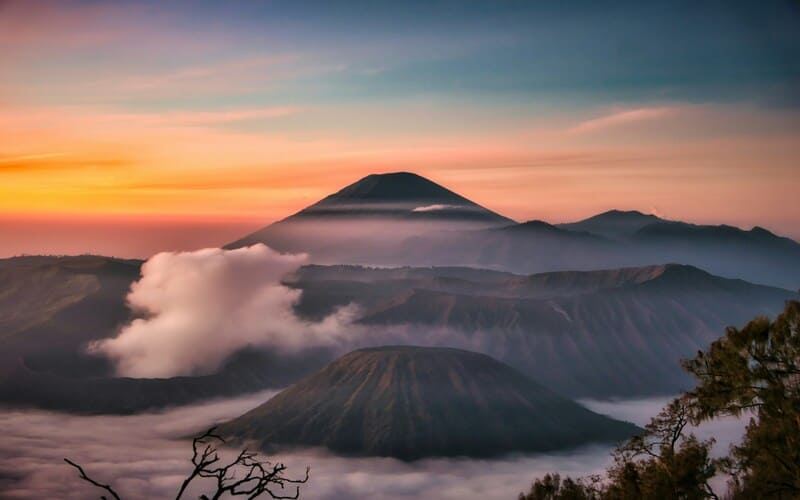
Top attractions: Popular attractions in Bali include the Sacred Monkey Forest Reserve, Tanah Lot Temple, where you can enjoy magnificent sunsets, and Tegallalang Rice Terrace where you can experience zip-lining. Java boasts the majestic Borobudur Temple and Prambanan Temple. Visit Komodo National Park to see the unique Komodo monitor lizards. For adventure lovers, climb active volcanoes such as Java’s Mount Bromo or Bali’s Mount Batur for sunrise.
FAQ
Is it safe to travel to the Middle East?
No. Most Western governments are currently advising against all non-essential travel to the entire Middle East region. Even countries like Egypt, Saudi Arabia, Jordan, and the UAE, where tourism is generally active. You are also advised to be on alert, keep informed of local conditions, and be aware of potential airline disruptions.
Are flights affected by the Israel War?
Severely. Over 11,000 flights were canceled in the first week of March alone. Airspace over Iran, Iraq, Israel, Kuwait, and the UAE is virtually empty. Major carriers, including British Airways, Singapore Airlines, Lufthansa, and Qatar Airways, have suspended services to multiple hubs through at least mid-March 2026.
Is Doha affected by the Israel War?
Yes. Qatari airspace has faced intermittent closures. Hamad International Airport is experiencing massive delays as it serves as one of the few remaining, though highly restricted, transit points for the region.





There are no comments.