
The name Yellowstone National Park instantly conjures up images of geysers erupting towards the sky, vast landscapes teeming with wildlife, and an untamed wilderness waiting to be explored. For many, especially those living in bustling cities, Yellowstone represents the ultimate weekend escape – a chance to reconnect with nature, breathe in fresh mountain air, and witness the raw power of the earth.
Perhaps you’re picturing yourself driving through scenic valleys, spotting bison grazing peacefully, or standing in awe as Old Faithful puts on its spectacular show. Maybe you’re dreaming of hiking trails that lead to hidden waterfalls or soaking in the vibrant colors of the Grand Prismatic Spring. Whatever your Yellowstone dream may be, the question often arises: how do you make the most of your time?
That’s where a well-planned itinerary comes in handy. We’ll walk you through a Yellowstone National Park itinerary in 4 days that’s packed with iconic sights, wildlife encounters, and moments of pure awe, ensuring you don’t miss a thing.
How Many Days Do You Need at Yellowstone?
This is a question every potential Yellowstone visitor ponders, and rightfully so. Yellowstone is HUGE – bigger than Rhode Island and Delaware combined! To truly explore every nook and cranny, you’d need weeks, maybe even months. But realistically, most of us are working with limited vacation time.
So, how many days do you really need? While a single day offers a glimpse, 4 days strikes the perfect balance: enough to explore the Grand Loop Road’s highlights, spot wildlife, and even venture into neighboring Grand Teton National Park. This itinerary packs in must-see attractions like Old Faithful, Grand Prismatic Spring, and Lamar Valley while keeping travel times manageable. For those short on time, a 3-day Yellowstone itinerary can focus solely on the park’s core sights, but adding Grand Teton (just a 30-minute drive south) is worth every extra hour.
Best Yellowstone Itinerary 4 Days
This 4-day Yellowstone itinerary is designed to maximize your time and showcase the park’s most incredible features. We’re assuming you’re arriving ready for adventure, eager to explore, and prepared to be amazed. Get ready for a whirlwind of geysers, steaming springs, bison herds, and landscapes that will leave you breathless.
📒Remember, Yellowstone is a vast park, and driving distances between attractions can be significant. Factor this travel time into your daily plans and be prepared for drives.
Or you can browse guided Yellowstone bus tours online and book with amazing deals
Day 1: Arrival in West Yellowstone & Geothermal Wonders
(Focus: West Entrance, Geyser Basins, Old Faithful)
Welcome to Yellowstone! If you’re entering through the West Entrance, you’re in for a treat. West Yellowstone, Montana, is a charming gateway town packed with restaurants, shops, and that authentic Western vibe. Grab a quick breakfast or coffee here before diving straight into the geothermal heart of the park.
Morning
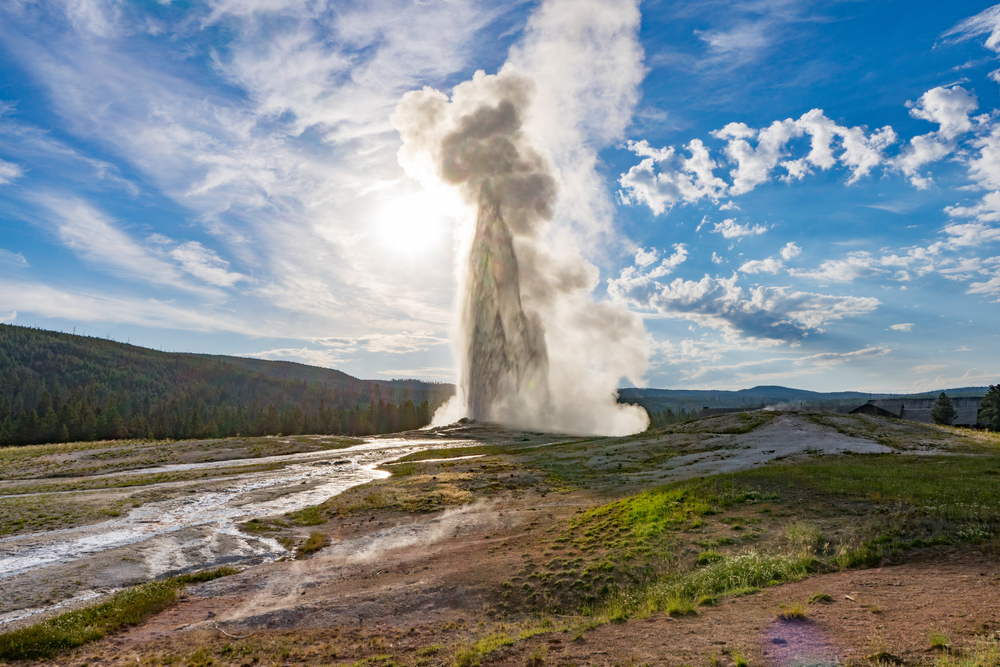
Head straight to the Upper Geyser Basin, home to the undisputed superstar – Old Faithful. Park your car and take a stroll along the boardwalk trails. The anticipation builds as you approach Old Faithful, and then, a magnificent eruption of steaming water rockets into the sky. It’s a truly iconic Yellowstone moment.
Old Faithful: This geyser is famous for its predictable eruptions, shooting thousands of gallons of boiling water high into the air every 90 minutes or so. Check the eruption prediction times at the visitor center – you won’t want to miss it! But Old Faithful is just the beginning. The Upper Geyser Basin is brimming with other geothermal features: bubbling hot springs, colorful pools, and smaller geysers constantly putting on a show.
Mid-day
Continue exploring the Upper Geyser Basin. Walk the trails to see Morning Glory Pool, with its vibrant blue hues, and Grand Geyser, one of the tallest predictable geysers in the world. Take your time, soak in the otherworldly landscape, and snap photos of the steaming vents and colorful mineral deposits.
Lunch: Pack a picnic to enjoy amidst the geysers or grab a casual bite at the Old Faithful area. The Old Faithful Inn has several dining options, from quick snacks to sit-down meals.
Afternoon
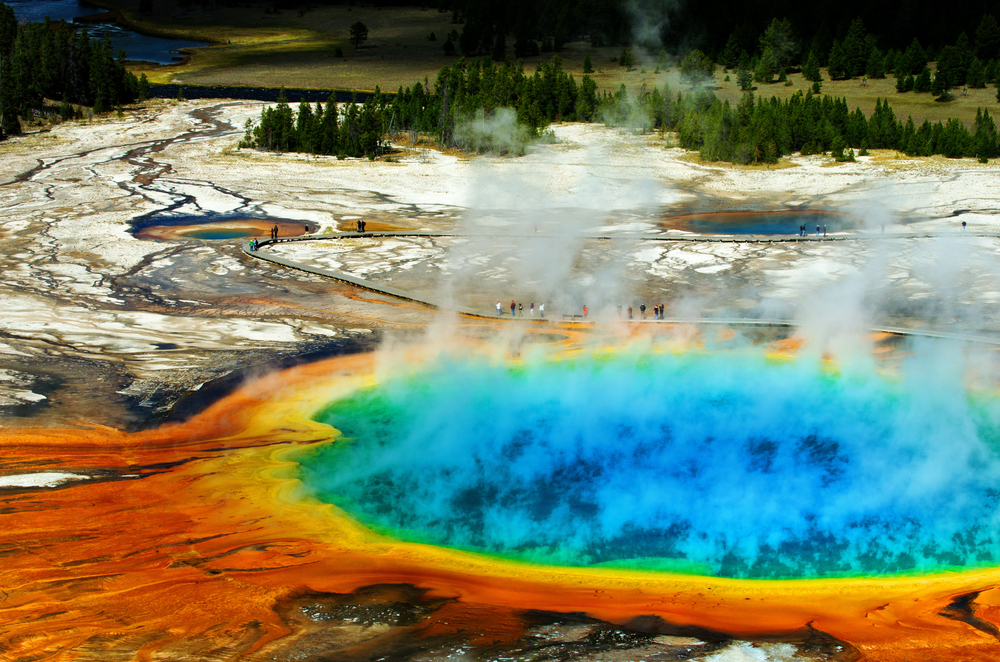
Venture to the nearby Midway Geyser Basin, home to the Grand Prismatic Spring. Prepare to be blown away. Grand Prismatic is the largest hot spring in the United States and third largest in the world. Its rainbow of colors, from deep blue to fiery orange, is simply breathtaking. Walk the boardwalk around the spring for different perspectives and photo opportunities.
Grand Prismatic Spring: Words barely do justice to this natural wonder. The vibrant colors are created by heat-loving bacteria, and the sheer scale of the spring is awe-inspiring. For the best panoramic views, consider a short hike to the Fairy Falls Trail overlook (about 1.2 miles roundtrip).
Evening
As the day winds down, consider driving the Firehole Canyon Drive, a short scenic loop with a waterfall and swimming area (if it’s warm enough!). Head back to West Yellowstone for dinner. From hearty Montana steaks to casual pizza, you’ll find plenty of options to refuel after a day of geothermal exploration.
Dinner recommendation (West Yellowstone): Wild West Pizzeria & Saloon for delicious pizza and a fun, Western atmosphere.
️️Accommodation suggestion (West Yellowstone): West Yellowstone offers a wide range of hotels and motels to suit all budgets. Consider staying within walking distance of the town center for easy access to restaurants and shops.
Day 2: Lamar Valley Wildlife Safari & Mammoth Terraces
(Focus: Lamar Valley, Roosevelt Arch, North Entrance, Mammoth Hot Springs)
Start your day incredibly early today! To truly witness the magic of Yellowstone’s wildlife, you need to be in Lamar Valley as dawn breaks. Animals are most active during the early morning hours, and this is your best chance to spot elusive creatures like wolves and bears. Pack some quick breakfast items and coffee to enjoy as you embark on your wildlife safari!
Morning
Drive eastward towards Lamar Valley, often hailed as “America’s Serengeti” for its remarkable concentration of wildlife. The drive itself is scenic, but the real reward awaits in the valley.
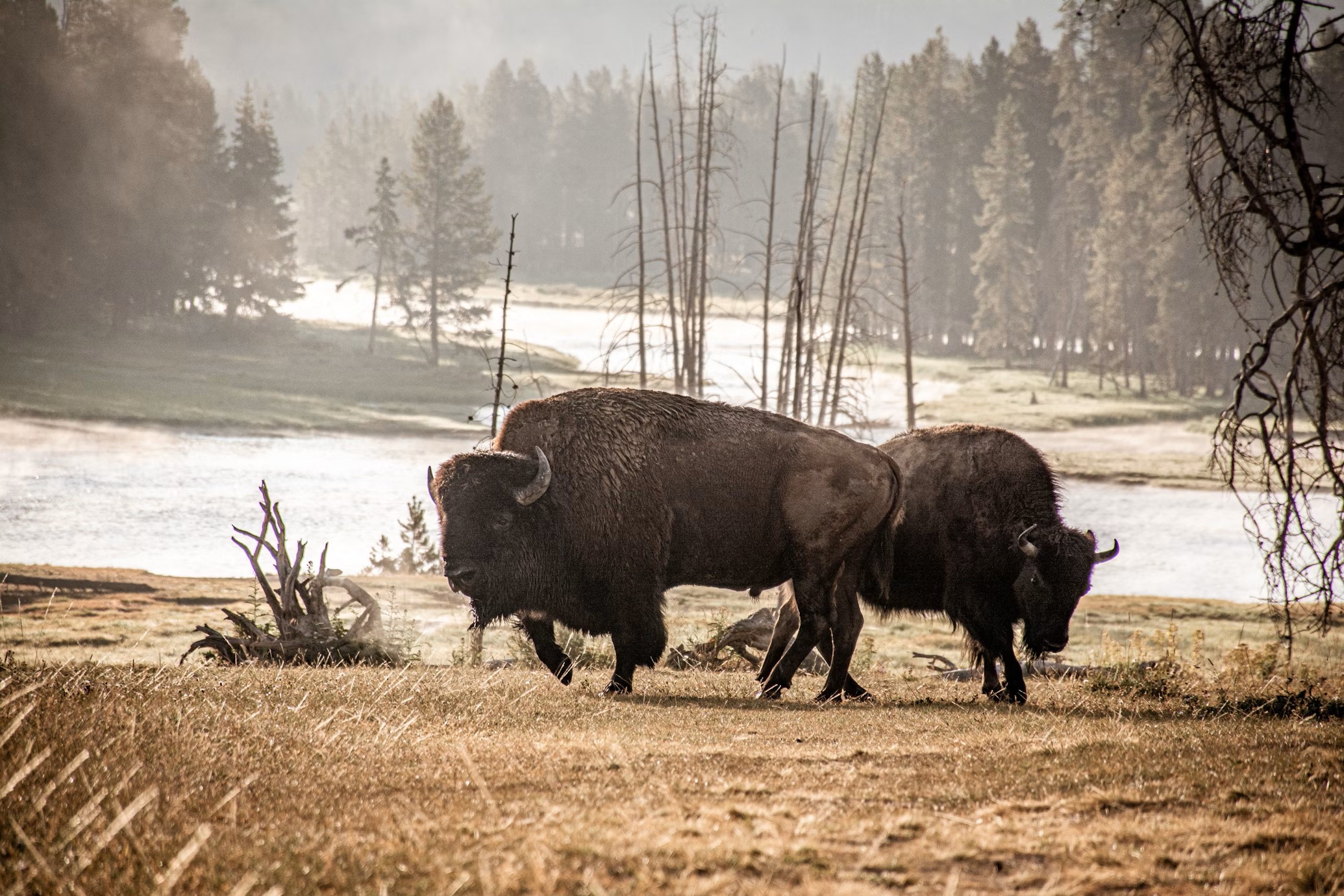
Lamar Valley: As the sun rises, Lamar Valley comes alive. Drive slowly along the road, keeping your eyes peeled in all directions. Scan the grassy meadows, hillsides, and along the Lamar River. This is prime habitat for bison herds, elk, pronghorn, and a variety of birds. But the real prizes are the predators: wolves and grizzly bears.
Wildlife Viewing Tips for Lamar Valley:
- Start before sunrise: Aim to be in Lamar Valley before sunrise for the peak of animal activity.
- Be patient and observant: Wildlife viewing requires patience. Park safely at designated pull-offs, turn off your engine, and scan the landscape with binoculars or a spotting scope.
- Listen for clues: Listen for bird calls, raven activity (often scavengers who follow predators), and any unusual movements in the landscape.
- Bring binoculars and a spotting scope: These are essential for spotting animals at a distance.
- Stay in your car (mostly): For safety and to avoid disturbing wildlife, observe animals primarily from your vehicle. If you exit your car, be aware of your surroundings and never approach wildlife.
- Respect wildlife: Keep a safe distance from all animals. Never feed wildlife.
Breakfast/Brunch in Lamar Valley (or afterwards)
You can enjoy a packed breakfast while wildlife viewing in Lamar Valley, or head back towards Mammoth Hot Springs or Gardiner after your safari for a more substantial brunch.
Late Morning – Noon
After your Lamar Valley adventure, head west towards the North Entrance of Yellowstone.
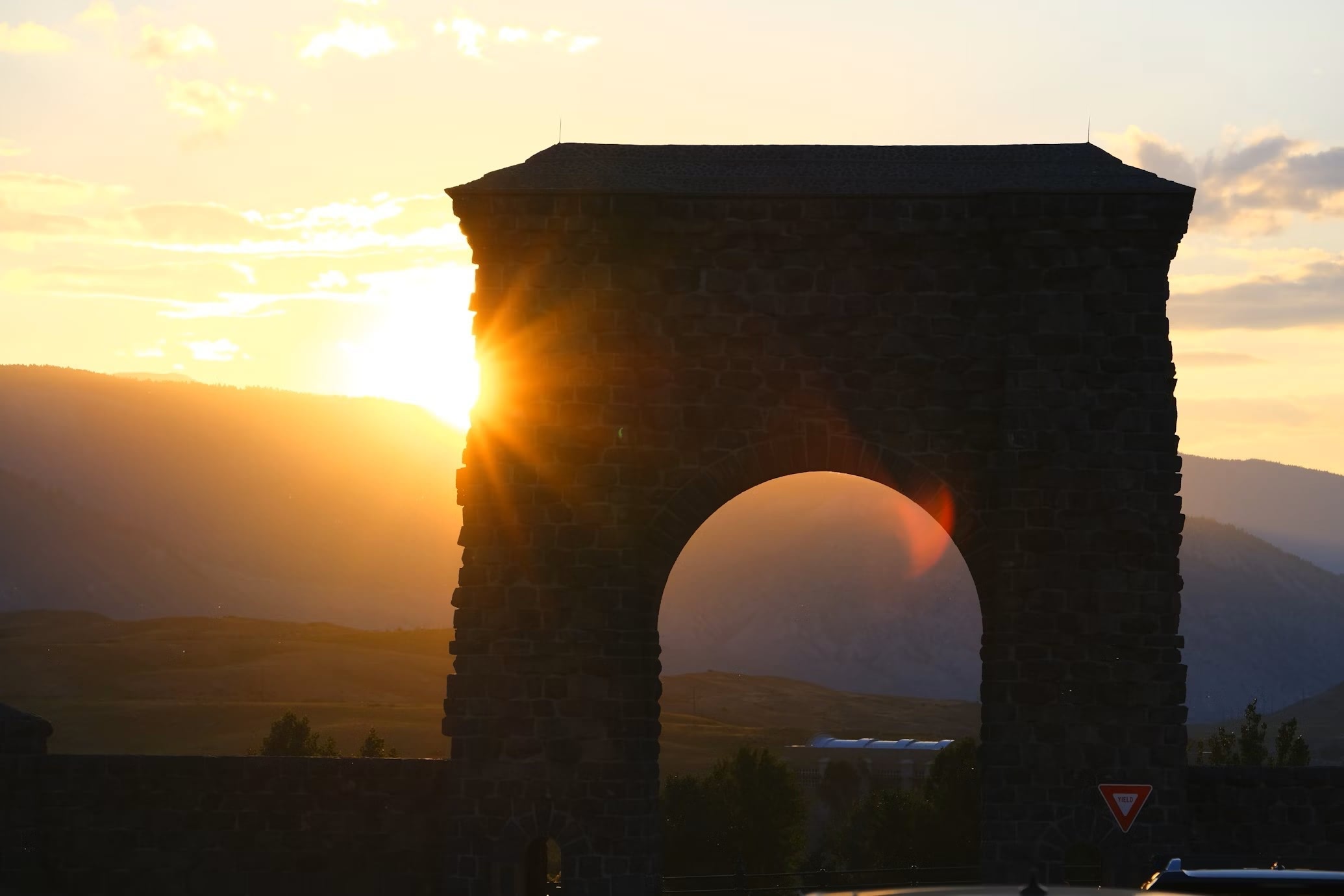
Roosevelt Arch: As you approach the North Entrance, you’ll be greeted by the majestic Roosevelt Arch. This iconic stone archway, dedicated by President Theodore Roosevelt, marks the original entrance to Yellowstone. Take photos and appreciate this historic landmark.
Gardiner, Montana (Optional Stop): Just outside the North Entrance lies the charming town of Gardiner, Montana, the original gateway to Yellowstone. If time permits, you can briefly explore Gardiner, grab a coffee, or browse local shops before heading back into the park.
Afternoon
Drive back into Yellowstone and proceed to the Mammoth Hot Springs area.
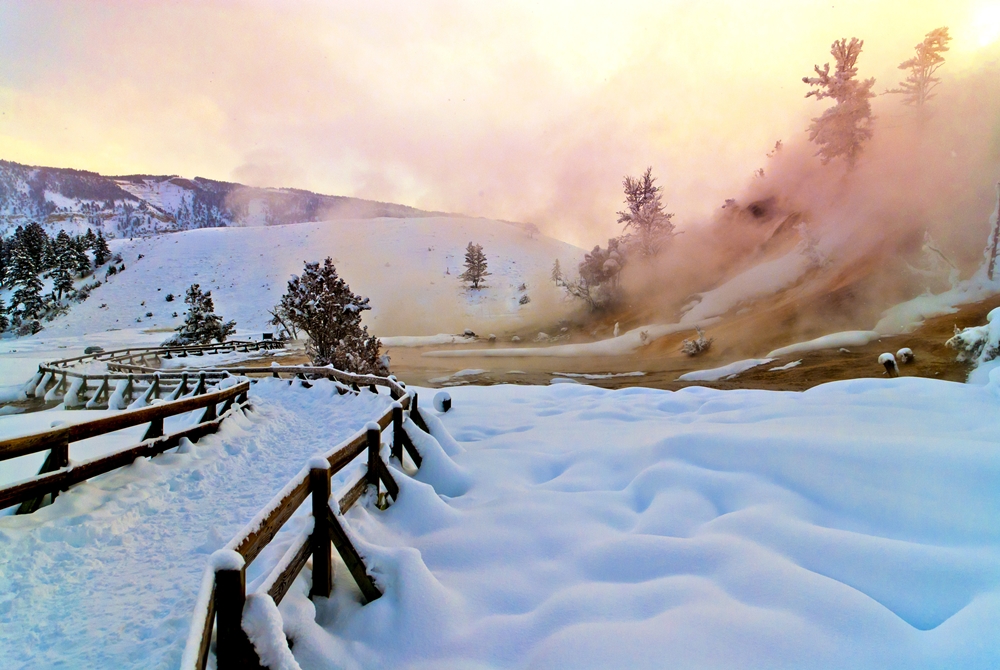
Mammoth Hot Springs Terraces: Prepare to be amazed by the otherworldly Mammoth Hot Springs Terraces. Walk along the boardwalks of the Upper and Lower Terraces, marveling at the flowing hot springs and the unique travertine formations. Canary Spring and Minerva Terrace are particularly stunning. You might even spot elk grazing among the steaming terraces!
Albright Visitor Center: Visit the Albright Visitor Center in Mammoth Hot Springs to delve into the history of Yellowstone and learn more about the park’s geology and ecology.
Fort Yellowstone: Take a walk around the historic Fort Yellowstone, a preserved US Army cavalry fort that played a significant role in the early protection of Yellowstone National Park.
Evening – Dinner
Head back to your accommodation in Gardiner or West Yellowstone, or enjoy dinner at the Mammoth Hot Springs Dining Room for a historic dining experience.
Dinner recommendation (Gardiner or Mammoth Hot Springs): Consider The Raven Grill in Gardiner for a delicious meal in a relaxed setting, or the Mammoth Hot Springs Dining Room for a more formal, historic ambiance within the park.
Accommodation suggestion (Gardiner or Mammoth Hot Springs): Gardiner offers a variety of lodging options just outside the North Entrance. Staying at the Mammoth Hot Springs Hotel within the park provides a unique and historic experience.
Day 3: Grand Canyon of the Yellowstone & Hayden Valley Wildlife
(Focus: Grand Canyon of the Yellowstone, Artist Point, Hayden Valley, Mud Volcano Area)
Prepare to be awestruck by the Grand Canyon of the Yellowstone today, and then dive into the wildlife-rich Hayden Valley. This day is all about dramatic landscapes and potential animal encounters.
*Today is a driving-intensive day. Start early to make the most of your time at the Grand Canyon and Hayden Valley. If time is limited, prioritize your must-see viewpoints at the Grand Canyon and spend focused time in Hayden Valley for wildlife.
Morning
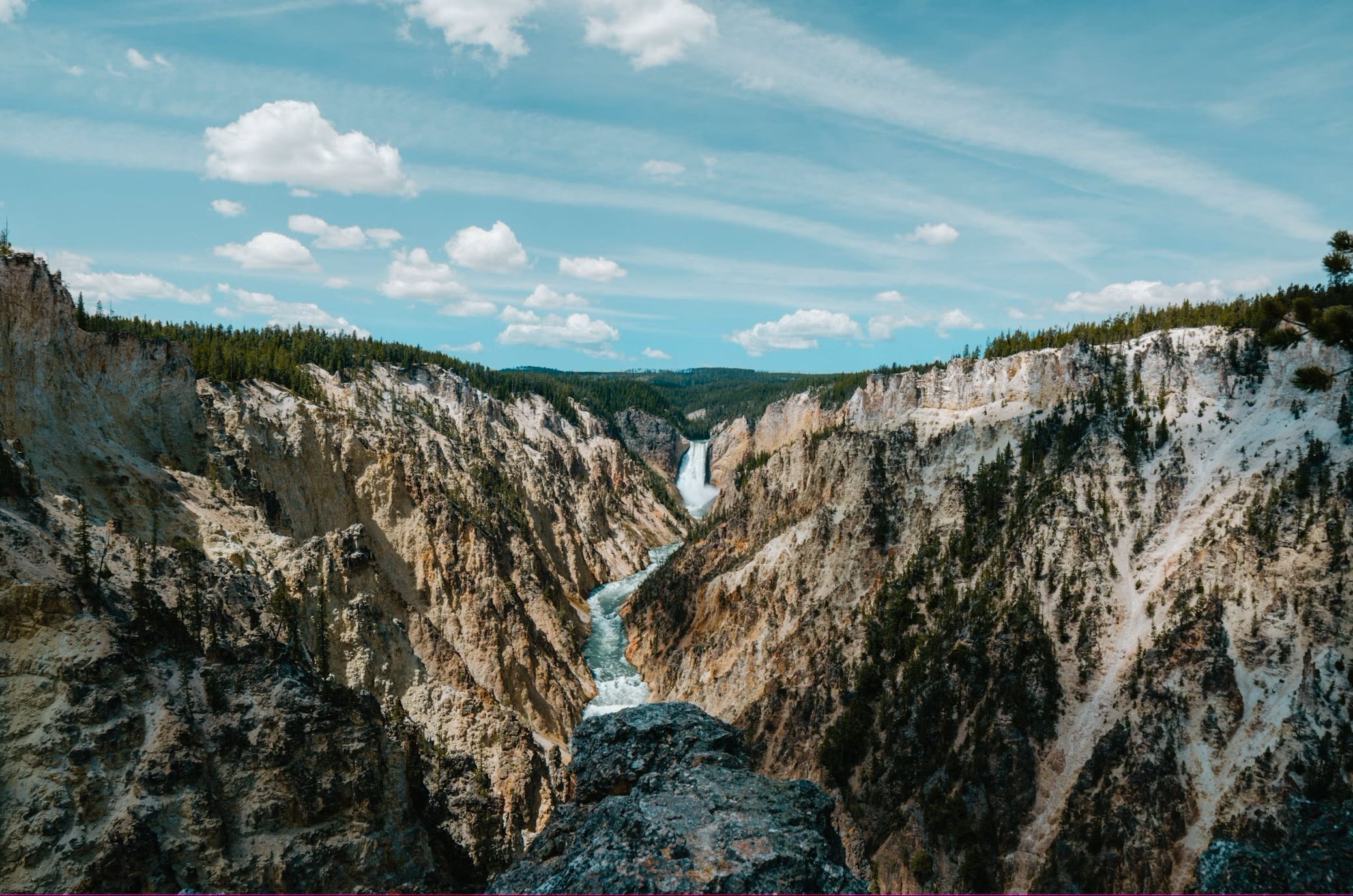
Head east towards the Grand Canyon of the Yellowstone. Start at the South Rim and visit Artist Point. The view from Artist Point is simply breathtaking – a panoramic vista of the canyon, with the Lower Falls cascading into the depths below.
Grand Canyon of the Yellowstone (Artist Point): This is the classic viewpoint for the Grand Canyon. The canyon’s vibrant yellow and orange walls, carved by the Yellowstone River, are a sight to behold. The power and beauty of nature are on full display here.
Mid-morning
Explore other viewpoints along the South Rim, such as Inspiration Point and Grandview Point, each offering slightly different perspectives of the canyon and waterfalls. Take short walks along the rim trails to discover even more vantage points.
Lunch: Enjoy a picnic lunch with canyon views or grab a quick meal at the Canyon Village area, which has a food court and deli.
Afternoon
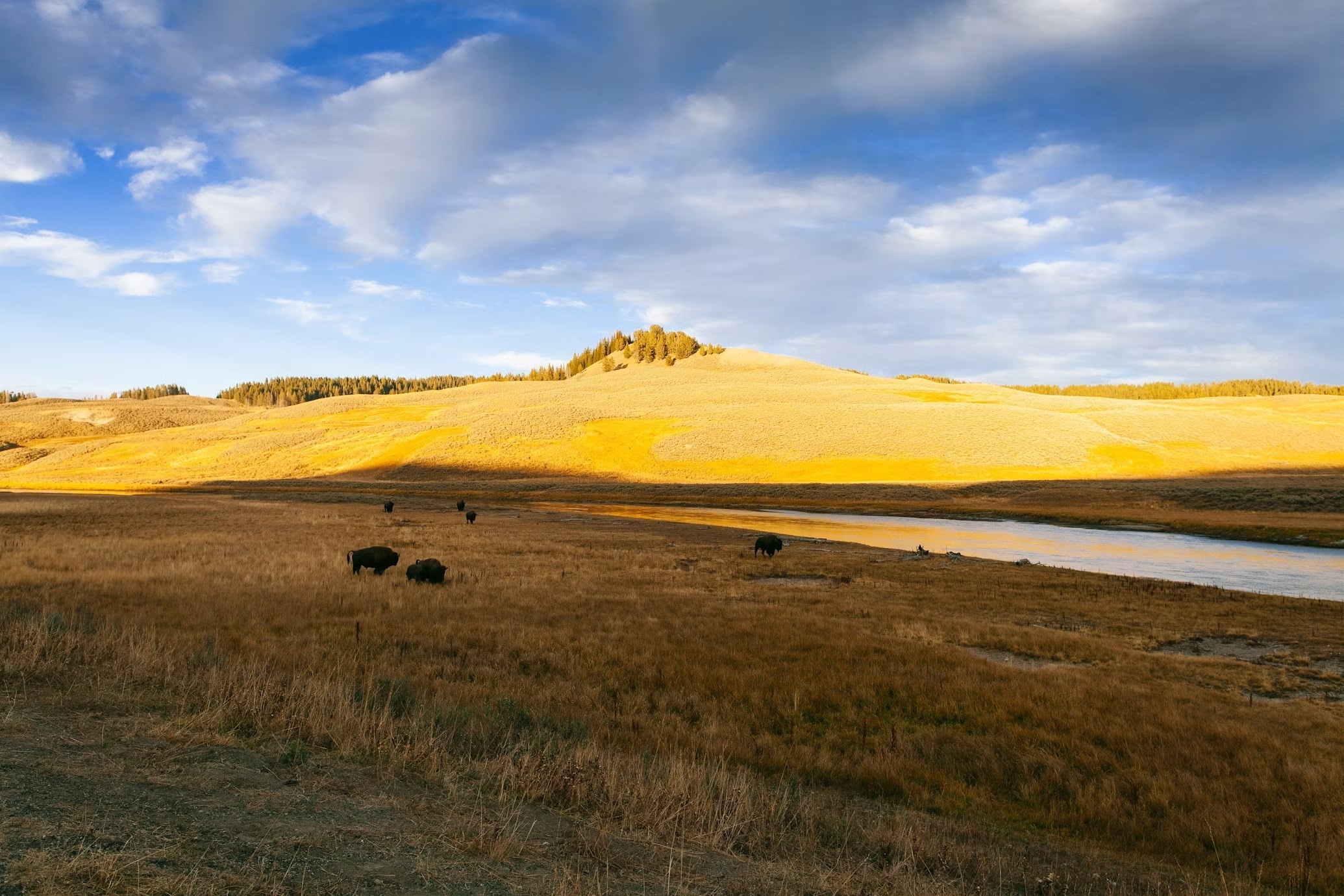
Drive south into Hayden Valley, another prime wildlife viewing area. Hayden Valley is a vast expanse of grassland bisected by the Yellowstone River. Slow down, scan the meadows, and look for bison herds, elk, bears, and maybe even wolves or coyotes.
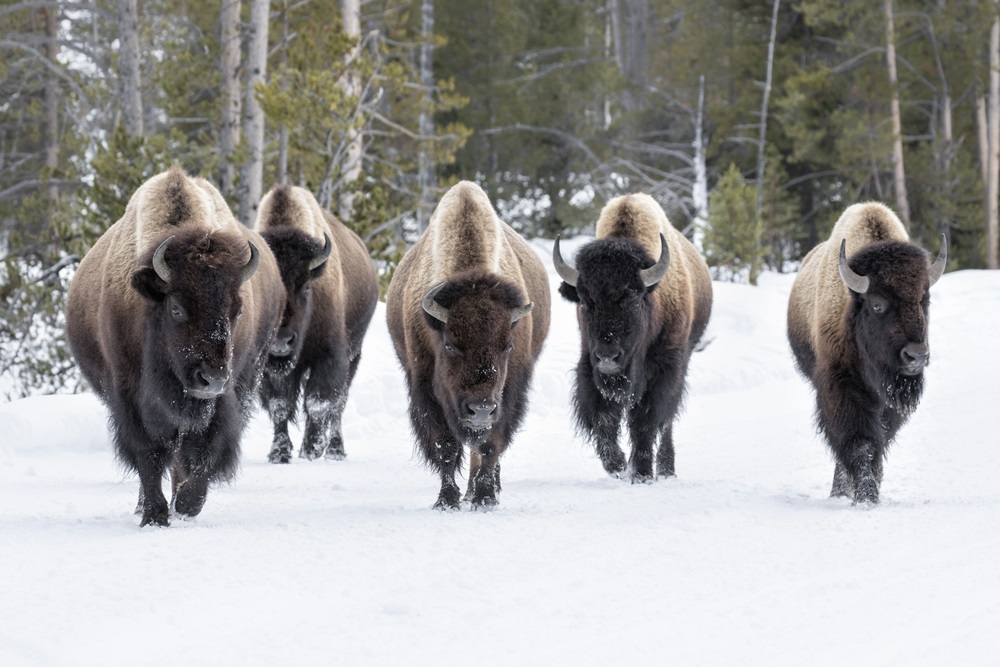
Hayden Valley: This valley is renowned for its wildlife. Bison are almost guaranteed sightings, often grazing right by the road. Be patient, use binoculars, and keep a safe distance from all wildlife.
Late Afternoon
Explore the Mud Volcano Area, located near Hayden Valley. This geothermal area is different from the geyser basins. Here, you’ll find bubbling mud pots, steaming fumaroles, and the pungent smell of sulfur. Walk the boardwalk trails to experience these unique features up close.
Mud Volcano Area: This area showcases a different side of Yellowstone’s geothermal activity. Dragon’s Mouth Spring, Sulphur Caldron, and the Mud Volcano itself are fascinating and sometimes a bit smelly!
Evening
Drive back towards your accommodation, perhaps taking a scenic detour along the Fishing Bridge area near Yellowstone Lake (depending on time and road conditions).
Dinner recommendation (Canyon Village or Lake Yellowstone area): The Lake Yellowstone Hotel Dining Room offers a more elegant dining experience with lake views. Canyon Village has more casual options.
Accommodation suggestion (Canyon Village or Lake Yellowstone area): Staying in Canyon Village or near Yellowstone Lake puts you in a central location for exploring the eastern and southern parts of the park.
Day 4: Yellowstone Lake & Departure
(Focus: Yellowstone Lake, West Thumb Geyser Basin, South Entrance, Departure)
Today is your final day in Yellowstone, but the adventure isn’t over yet! We’ll explore the shores of Yellowstone Lake, discover the unique West Thumb Geyser Basin, and then make our way out of the park via the South Entrance, perhaps with a final glimpse of the Tetons.
Morning
Head to Yellowstone Lake, the largest high-elevation lake in North America. Drive along the shores, stopping at scenic overlooks like Fishing Bridge (if open for viewing – check current regulations) and Bridge Bay. Consider a short boat tour on the lake for a different perspective.
Yellowstone Lake: This massive lake is stunningly beautiful, surrounded by forests and mountains. The scale of the lake is impressive. Look for wildlife along the shores, like waterfowl and maybe even otters.
Mid-morning
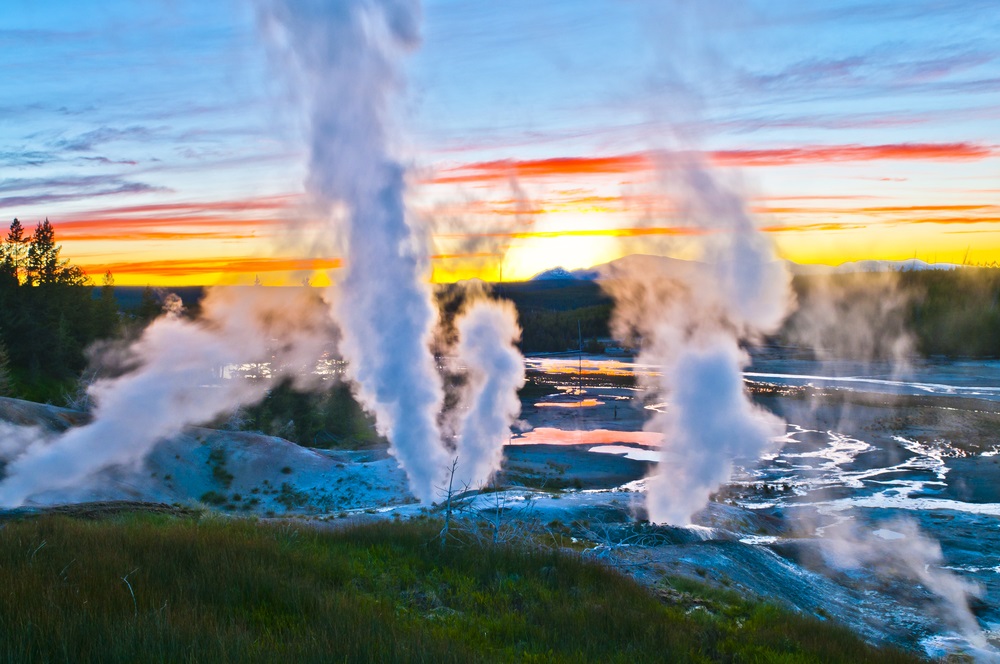
Visit the West Thumb Geyser Basin, located right on the shore of Yellowstone Lake. This geyser basin is unique because it combines geothermal features with the backdrop of the lake. Abyss Pool and Fishing Cone (a geyser cone in the lake) are highlights.
West Thumb Geyser Basin: The contrast of the steaming geysers against the cool blue of Yellowstone Lake is striking. Fishing Cone has a fascinating history – people used to fish from the cone and cook their catch right in the hot spring!
Lunch: Enjoy a lakeside picnic lunch or grab a casual meal at the Grant Village area near the South Entrance.
Afternoon
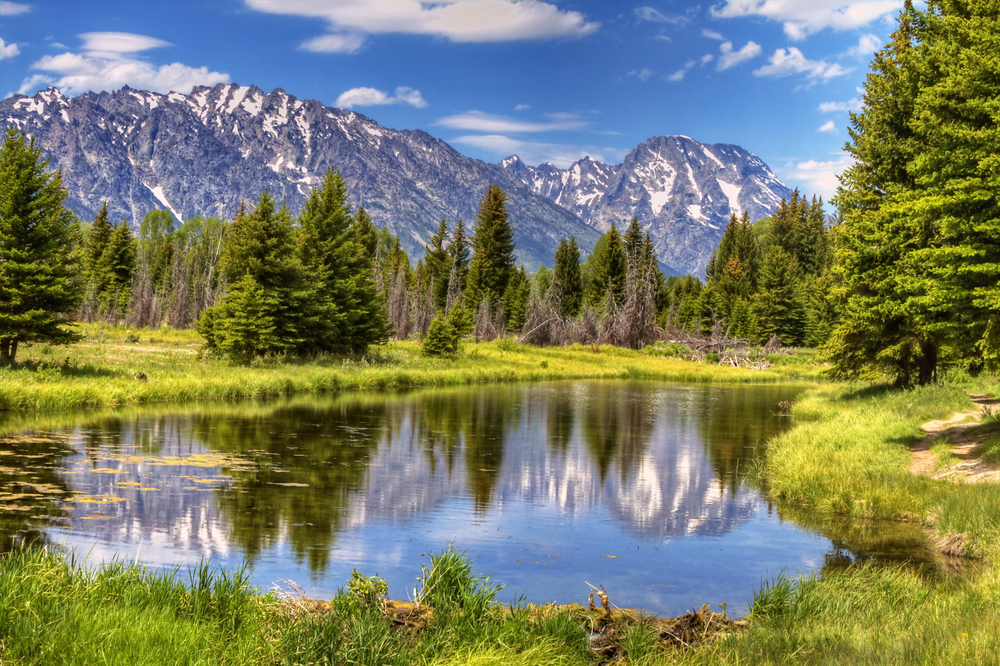
Begin your drive south towards the South Entrance. Depending on your onward journey, you might have time for a detour to Grand Teton National Park, which is just south of Yellowstone. Even a short drive into Grand Teton offers spectacular views of the Teton Range.
Grand Teton National Park (Optional Detour): If time allows, even a brief drive south of Yellowstone’s South Entrance into Grand Teton National Park will reward you with incredible mountain scenery. Look for viewpoints of the Tetons reflecting in Jackson Lake.
*Please note that including a Grand Teton detour adds significant driving time and is only recommended if you have ample time before your onward journey and are keen to get a first glimpse of the Tetons. Otherwise, focus on enjoying Yellowstone Lake and West Thumb before departing.
Departure
Exit Yellowstone via the South Entrance, taking with you incredible memories of your 4-day Yellowstone adventure.
Food recommendations throughout the park: Yellowstone has various dining options within the park, from casual cafes to restaurants. Packing picnics is a great way to save money and enjoy meals in scenic locations. Grocery stores are limited within the park, so stock up in gateway towns like West Yellowstone, Gardiner, or Jackson Hole.
Accommodation tips: Booking accommodations well in advance is crucial, especially during peak season. Staying inside the park offers convenience but can be pricier. Gateway towns outside the park offer a wider range of options and often better value. Consider splitting your stay between different areas (e.g., West Yellowstone and Gardiner or Canyon Village) to minimize driving time.
Transportation: Driving is the most common and convenient way to explore Yellowstone. Rental cars are readily available at airports near Yellowstone. Be prepared for driving distances within the park – things are spread out! Roads are generally well-maintained, but be aware of wildlife crossings and potential traffic, especially during peak season.
Remember this is a suggested itinerary. Feel free to adjust it based on your interests, pace, and energy levels. Yellowstone is best enjoyed at your own rhythm.
Things to Do Beyond the Itinerary
Hiking – Yellowstone is a hiker’s paradise. From easy boardwalk trails to challenging backcountry treks, there’s something for every level.
Wildlife watching tours – Consider a guided wildlife tour for a better chance of spotting wolves, bears, and other elusive animals.
Horseback riding – Explore Yellowstone on horseback for a unique Western experience.
Fishing: Yellowstone Lake and rivers offer excellent fly fishing. Check park regulations and permits.
Rafting or kayaking: Enjoy a scenic float trip or paddle on calmer sections of the Yellowstone River.
Visit the Grizzly & Wolf Discovery Center (West Yellowstone): If you didn’t spot a grizzly or wolf in the park, this center offers guaranteed sightings and educational exhibits.
More Yellowstone Itineraries to Consider
While this 4-day itinerary is fantastic for a comprehensive introduction, Yellowstone offers endless possibilities for exploration. Here are a few alternative itinerary ideas for different interests and timeframes:
3–Day Yellowstone Itinerary
For a shorter trip, focus on the geyser basins and the Grand Canyon of the Yellowstone. Prioritize Old Faithful, Grand Prismatic, and Artist Point. You’ll need to be more selective and perhaps skip Mammoth Hot Springs or Lamar Valley on a 3-day trip.
5–Day Yellowstone Itinerary
With an extra day, you can delve deeper into specific areas. Spend more time hiking, explore more of Yellowstone Lake, or add a day trip to Grand Teton National Park. A 5-day itinerary allows for a more relaxed pace and flexibility.
4-Day Yellowstone Itinerary from SouthEntrance
This above itinerary is optimized for a West Entrance arrival. If you’re entering from a different entrance (e.g., the South Entrance via Jackson Hole), you might adjust the day order to start with Yellowstone Lake and the geyser basins in the south and work your way north.
5-Day Yellowstone Itinerary with Kids
When traveling with kids, adjust the pace to be more family-friendly. Include shorter hikes, more wildlife viewing opportunities, and breaks for snacks and play. Focus on engaging and educational activities that will keep kids entertained.
No matter how many days you choose to spend in Yellowstone, or which entrance you use, the park promises an unforgettable adventure. And if you’re looking for a hassle-free way to experience Yellowstone and perhaps even extend your adventure to Grand Teton, consider exploring guided tours.
Frequently Asked Questions
Q: What is the best time to visit Yellowstone?
Summer (June-August) is the most popular time to visit Yellowstone National Park, with warm weather and full access to roads and facilities. Spring (May-June) and Fall (September-October) offer fewer crowds, pleasant temperatures, and excellent wildlife viewing opportunities. Winter (December-March) transforms Yellowstone into a snowy wonderland, but some roads and facilities are closed.
Q: Do I need reservations to enter Yellowstone?
As of today, Yellowstone National Park does not require reservations for entry. However, this can change, so it’s always best to check the official National Park Service website for the most up-to-date information before your trip. Reservations are highly recommended for lodging and campsites within the park, especially during peak season.
Q: What should I pack for a Yellowstone trip?
Layers are key! Weather in Yellowstone can change quickly, even in summer. Pack for a range of temperatures:
Clothing: Moisture-wicking base layers, fleece or insulated mid-layers, waterproof and windproof outer layer, comfortable hiking shoes, hat, gloves (especially for spring/fall).
Gear: Backpack, water bottles or hydration reservoir, sunscreen, sunglasses, insect repellent, binoculars, camera, map, and guidebook.
Q: Is there cell service in Yellowstone?
Cell service is limited and unreliable in most of Yellowstone National Park. Don’t rely on your phone for navigation or communication within the park. Download offline maps and consider carrying a satellite communication device for emergencies.
Q: Are there bears in Yellowstone? How do I stay safe?
Yes, Yellowstone is bear country! Both grizzly bears and black bears live in the park. To stay safe:
- Carry bear spray and know how to use it.
- Make noise while hiking to avoid surprising bears.
- Hike in groups.
- Store food properly in bear-resistant containers or food lockers.
- Never approach or feed bears.
- Follow park guidelines and ranger instructions.
Q: Can I see Grand Teton National Park on a 4-day Yellowstone trip?
Yes, you can get a taste of Grand Teton on a 4 day itinerary, especially on your departure day as Grand Teton is just south of Yellowstone. However, to truly explore both parks in depth, you might consider extending your trip to 5-6 days or dedicating separate trips to each park.





There are no comments.