

Visiting Paris during the springtime is an activity that songs are written about and movie are based upon. “April in Paris” is a song performed by legendary artists like Frank Sinatra, Louis Armstrong, Ella Fitzgerald, Billie Holiday, Doris Day and dozens of other musicians. Likewise, “Paris in the Spring” was recorded by several artists. Both songs inspired movies of the same name.
As the city shakes off the chill of winter and begins to warm, Paris blooms into a vibrant display of colors and life. The pleasant weather, longer days, and picturesque landscapes make it one of the best times to visit Paris. Whether you’re wandering through its famous gardens or sipping coffee on a café terrace, there’s something magical about the season.
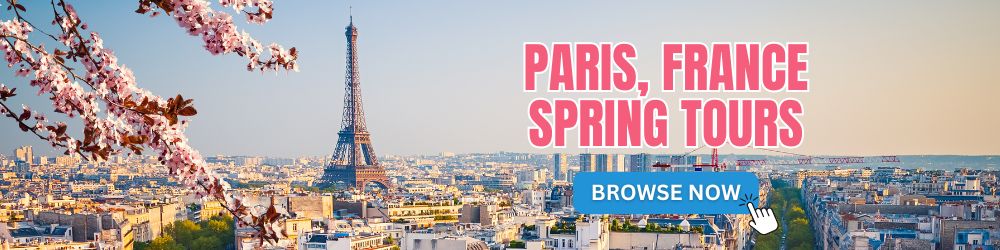
Why Spring is the Best Time to Visit Paris
What makes spring the best time to visit Paris? Beyond the romantic notions, there are practical and sensory delights that make it truly exceptional:
A blooming paradise: Imagine strolling through gardens bursting with color. In the spring, the city transforms into an open-air gallery, with cherry blossoms and tulips coloring the streets and gardens. Many of Paris’ top landmarks, including the beautiful Gardens of Versailles, become even more enchanting during spring.
Perfect weather for exploration: Say goodbye to the chill of winter and the heat of summer! Paris in spring weather is wonderfully mild. It’s ideal for wandering along the Seine, exploring charming neighborhoods on foot, and lingering at sidewalk cafes without shivering or sweating.
Longer, brighter days: The extended daylight in spring is a gift for travelers. More daylight means more time to soak in the sights, enjoy leisurely dinners al fresco, and even venture out on delightful day trips from Paris.
Fewer crowds (relatively speaking): While Paris is popular year-round, spring falls into the shoulder season. This means you might encounter slightly fewer crowds than the peak summer months, offering a more relaxed and intimate experience of the city.
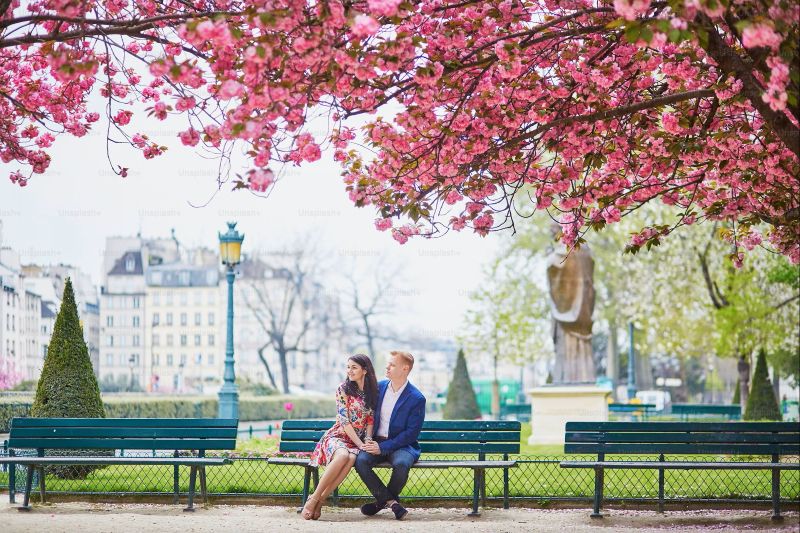
Best Things to Do in Paris During the Spring
So, what exactly should you do to make the most of spring in Paris France? The possibilities are as endless as your imagination, but here are a few quintessential experiences:
1. Enjoy the Blossoms at Paris’ Parks and Gardens
One of the most captivating experiences during spring is visiting its parks and gardens. The city is home to over 400 gardens, each with its own unique beauty. Don’t miss the Jardin des Tuileries or the Luxembourg Gardens, where flowers are in full bloom and locals enjoy picnics under the sun.
2. Picnic like a Parisian
Join locals and spread out a blanket for a delightful picnic. Champ de Mars, with the Eiffel Tower as your backdrop, is iconic. But you can find charming spots in almost any park. Grab some fresh bread, cheese, and wine from a local market and savor the simple pleasures.
3. Take a Scenic Cruise Along the River Seine
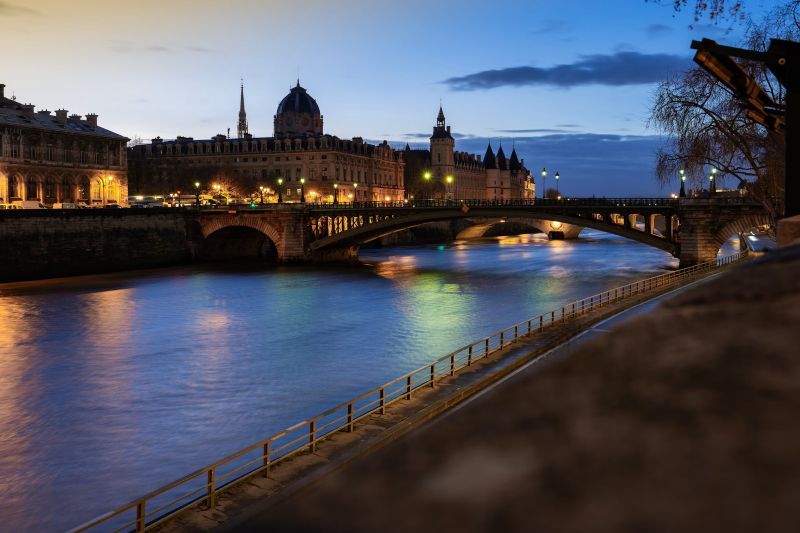
What could be more romantic than a springtime boat ride along the River Seine? A Seine river cruise offers a unique view of the Eiffel Tower, Notre Dame, and other iconic landmarks. This is an absolute must when experiencing spring in Paris.
4. Explore Parisian Markets and Street Art
Spring also brings an array of fresh local produce to Paris’ outdoor markets, like the famous Marché Bastille. If you’re into artsy walks, stroll through the street art scene in areas like Belleville or the Canal Saint-Martin. These spots capture the creative spirit of the city, with colorful murals and artisan vendors setting the tone for spring’s vibrant atmosphere.
5. Dine Al Fresco at a Parisian Café
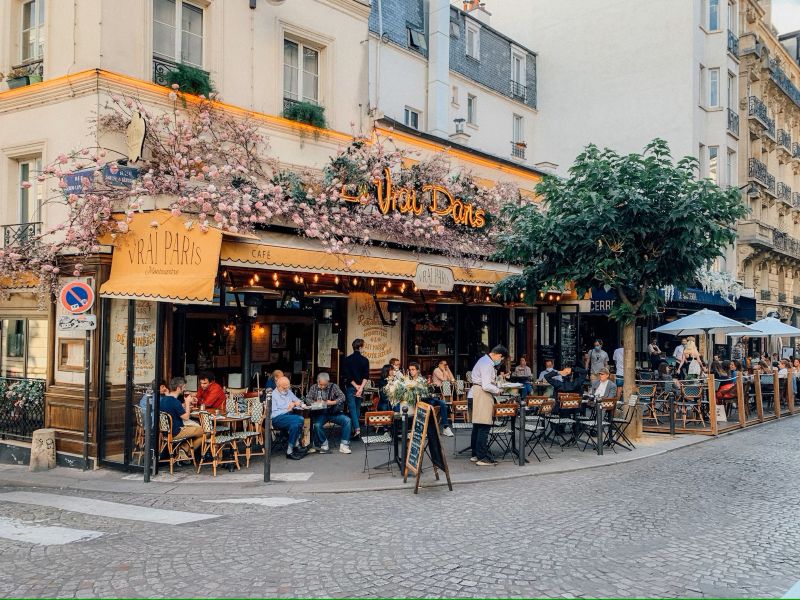
The warmer temperatures make it the perfect time to enjoy a café culture that Paris is known for. Picture yourself sipping an espresso or enjoying a croissant while people-watching from a sidewalk terrace. Spring in Paris means dining outdoors is a delightful experience—especially in the quaint neighborhoods of Montmartre or Le Marais.
6. Visit the Iconic Eiffel Tower
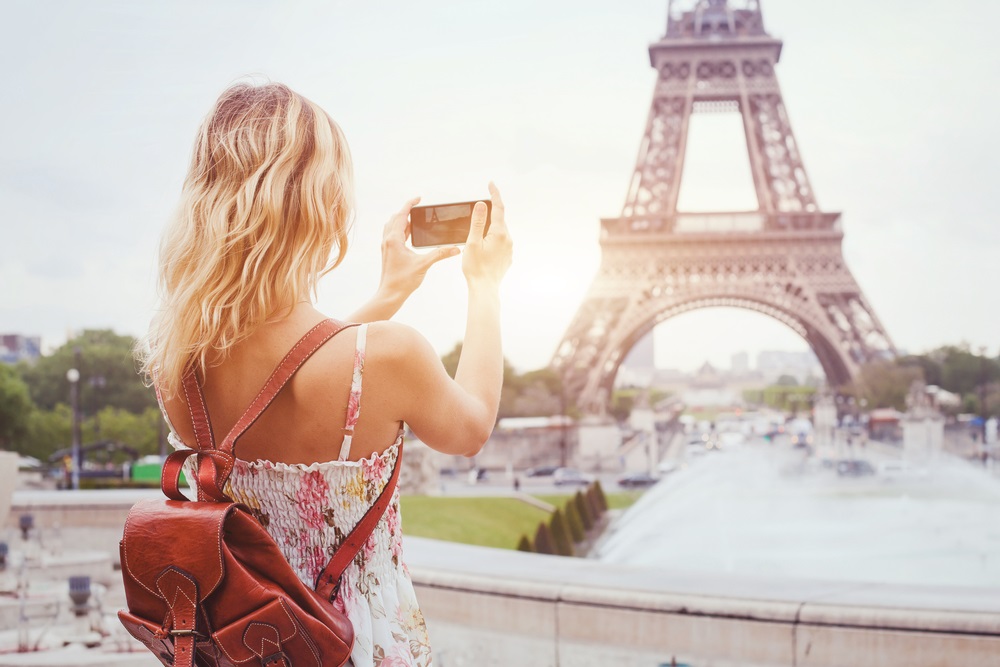
No trip to Paris would be complete without visiting the Eiffel Tower. During the spring, the tower is even more stunning against the backdrop of blooming flowers. For an extra memorable experience, book a ticket to the top for spectacular panoramic views of the city. A champagne toast at the top is also a great way to celebrate spring in Paris.
7. Visit the Musée d’Orsay and Other World-Class Museums
Paris is home to some of the world’s most renowned museums, and spring is the ideal time to visit. Spend a day exploring the Musée d’Orsay, the Louvre, and the Centre Pompidou. Whether you’re a fan of Impressionist art or modern exhibits, Paris’ museums are a haven for culture lovers.
8. Explore Versailles in Bloom
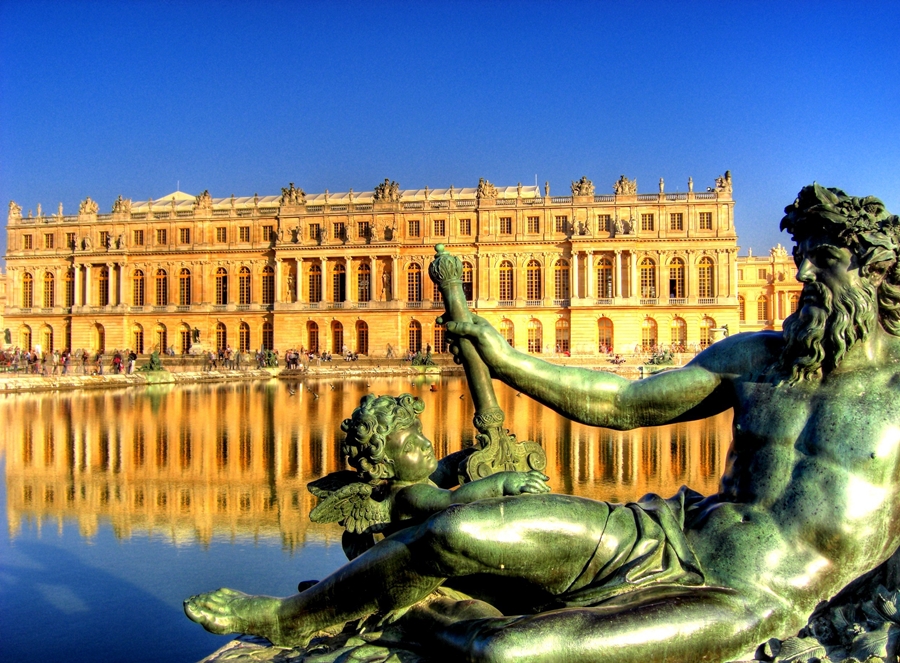
The Gardens of Versailles are magnificent year-round, but spring in Paris elevates them to another level. Imagine strolling through perfectly manicured gardens bursting with tulips, daffodils, and hyacinths. Rent a bike to explore the vast grounds or simply wander and soak in the grandeur.
9. Day Trip to Monet’s Giverny
As spring awakens, Giverny, home to Claude Monet’s enchanting estate and gardens, reopens for the season. Wander through the water lily pond that inspired his masterpieces and explore his colorful gardens – a true immersion into Impressionist beauty. It’s an easy and rewarding day trip from Paris.
11. Take a Walking Tour of Montmartre
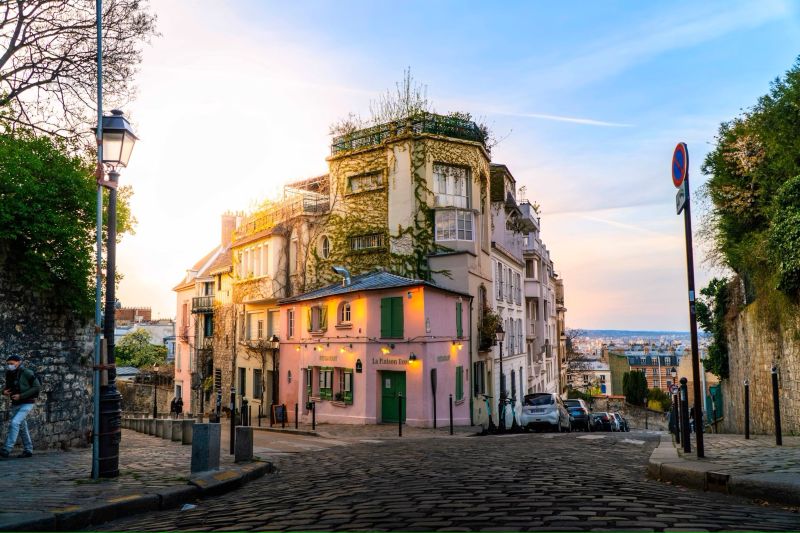
Montmartre is a vibrant neighborhood known for its artistic history, charming streets, and the iconic Sacré-Cœur Basilica. In spring, the cobblestone streets are lined with colorful flowers, making it an enchanting place to stroll. Stop by local art galleries, cafés, and watch street performers as you explore this bohemian area.
10. Shop at Parisian Boutiques
Spring is the perfect time to shop in Paris. The city’s luxury boutiques along the Champs-Élysées and in neighborhoods like Le Marais or Saint-Honoré are brimming with the latest fashion. If you’re after something unique, explore the vintage stores and quirky boutiques tucked away in Paris’ eclectic neighborhoods.
12. Attend a Festival or Event
Spring is a season full of cultural events in Paris. From the Paris Jazz Festival to the Fête de la Musique in June, there are plenty of ways to experience the city’s rich cultural heritage. You can also check out seasonal food festivals or visit Paris’ many art galleries for special exhibitions. The spring months offer the perfect backdrop for enjoying Parisian culture.
Top 10 Most Visited Parisian Landmarks
 |
One of the most recognizable monuments in the world and a symbol of France’s capital city, the Eiffel Tower is an engineering feet named after its creator Gustave Eiffel. The 1,063-foot tall marvel unveiled at the 1889 Paris World’s Fair to celebrate the 100th anniversary of the French Revolution has seven million visitors annually. The Eiffel Tower has a champagne bar on the top floor, restaurants, shops, exhibits and the spectacular views of The City of Lights. A visit to this famous Parisian landmark cannot be missed! |
 |
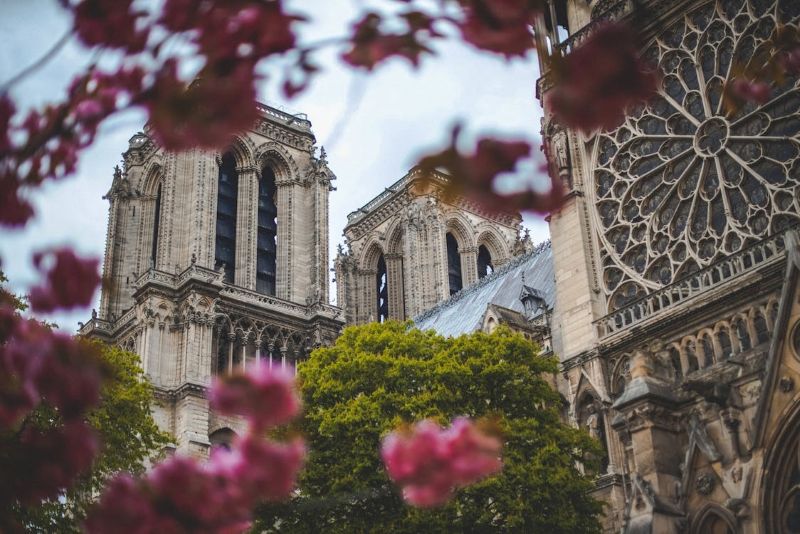
Notre Dame Cathedral is an elaborate Gothic Catholic landmark that is visited by more than 13 million people per year, a historic treasure and the seat of the Arch Diocese of Paris. A cathedral has been on the site near the River Seine since the 4th Century and construction on the current building officially called Cathédrale Notre-Dame de Paris started in 1163 with the first brick being laid in front of Pope Alexander III and lasted until 1345. Much of Notre Dame Cathedral had to be restored after major destruction in the 1790s during the French Revolution. |
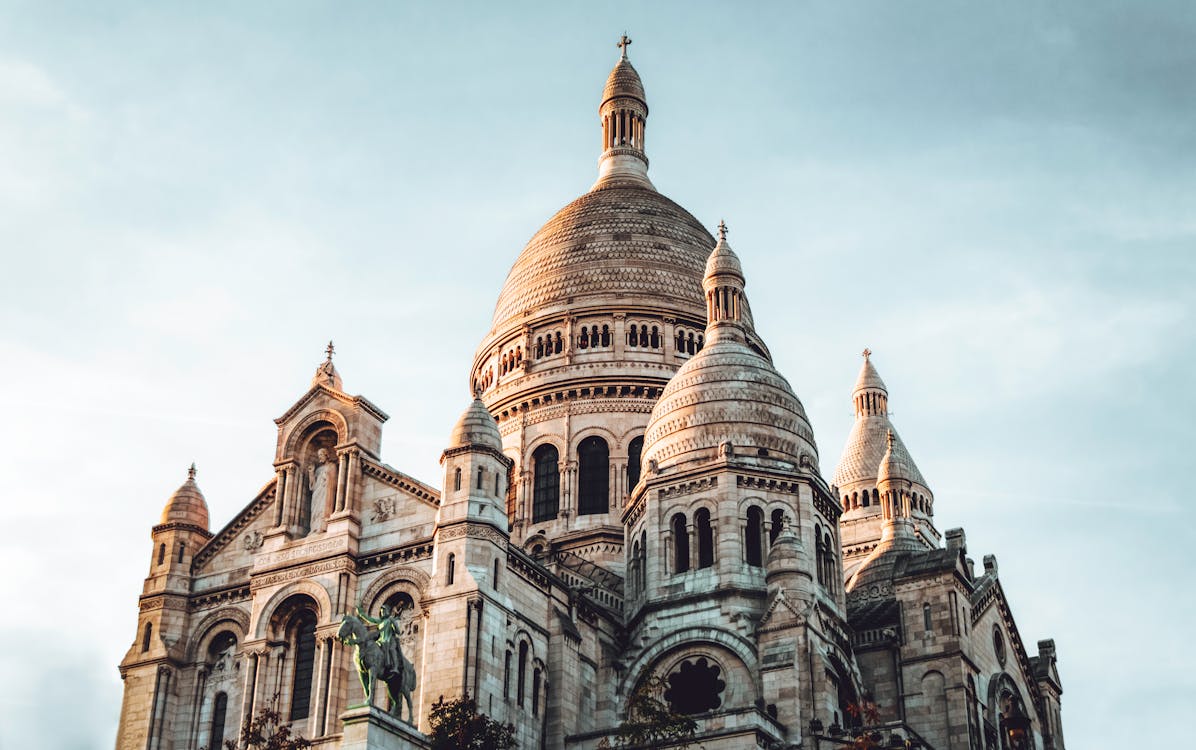 |
Translated in English to Sacred Heart Basilica, this minor basilica and Roman Catholic church is situated atop Montmartre – “The Mount of Martyrs” – that is the highest point in Paris. Sacre-Cœur Basilica was conceived by Alexandre Legentil and Hubert Rohault de Fleury to be dedicated to the Sacred Heart of Jesus as reparation for France’s misdeeds as they believed that an 1870 defeat to Germany was due to spiritual reasons. Construction lasted from 1875-1914 under the original design of Paul Abadie. |
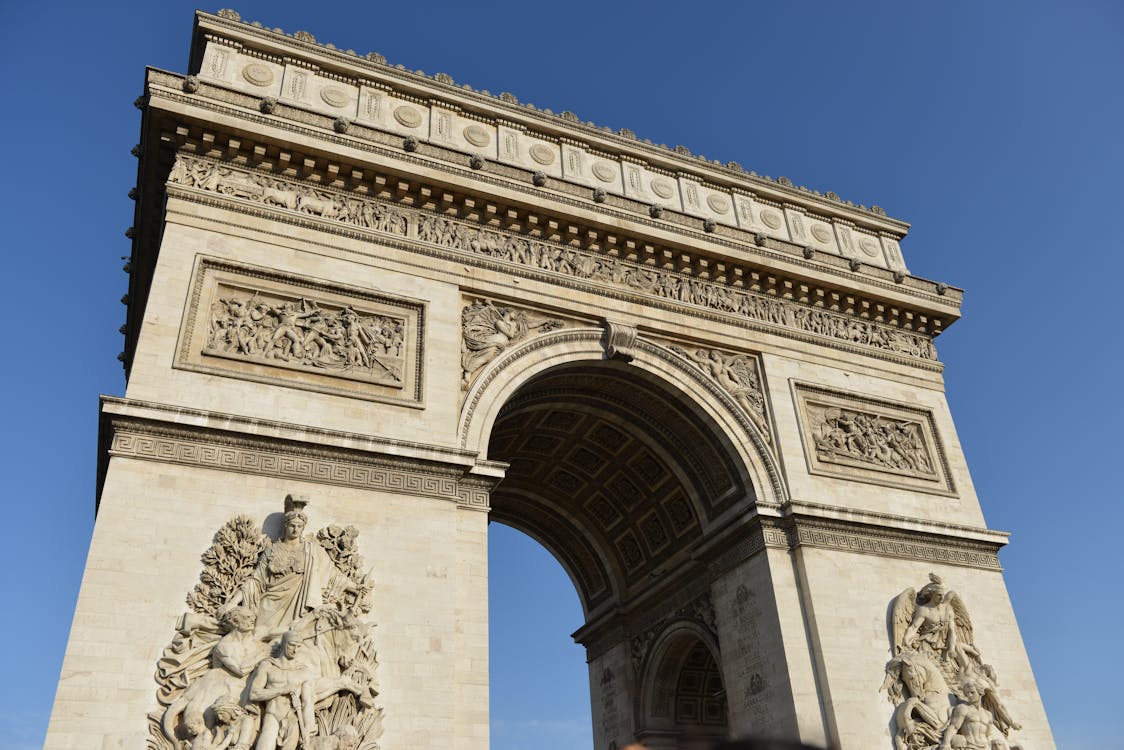 |
The world’s largest triumphal arch is this French masterpiece that has become a symbol of Paris and is situated at the western end of the famous Champs-Élysées. The Arc de Triomphe was commissioned by Napoleon in 1806 to commemorate his Battle of Austerlitz victory. It was designed by architect Jean Chalgrin with help from many other architects and sculptors. The Tomb of the Unknown Soldier lies beneath the 162-foot tall arc containing a memorial flame. Arc de Triomphe is dedicated to all the military members who fought and died for France during the country’s wars. |
 |
Located on Ile de la Cite, this Gothic cathedral dates back to medieval times when its was commissioned by King Louis IX of France and consecrated in 1248. Sainte-Chapelle, translated in English as The Holy Chapel, housed many of the king’s most cherished religious relics such as the Crown of Thorns and Image of Edessa. Today, the building is a National Historic Monument and attracts many visitors. The structure’s stained glass windows depicting many religious scenes are spectacular. |
 |
The Parisian complex translated in English as “The National Residence of the Invalids” contains a French veterans hospital and retirement home as well as museums and monuments related to France’s military history. Hotel national des Invalides, often just called Les Invalides, was built from 1671-76 at the request of Louis XIV for ill, old and homeless veterans. It also is a veteran burial site and features the tomb of the most famous French veteran and ruler – Napoleon Bonaparte. |
 |
There are 72 prominent French citizens laid to rest in this Neoclassical style mausoleum that was originally a church dedicated to St. Genevieve when it was built from 1758-90 in Paris’ Latin Quarter. The Parisian Pantheon was modeled after the Roman Pantheon and designed by architect Jacques-Germain Soufflot. Those contained in the mausoleum include Victor Hugo, Voltaire, Jean Moulin, Louis Braille, Marie Curie, Soufflot, Emile Zola, Rousseau and Marat. An inscripton above the structure’s entrance says, “To the great men, the grateful homeland.” |
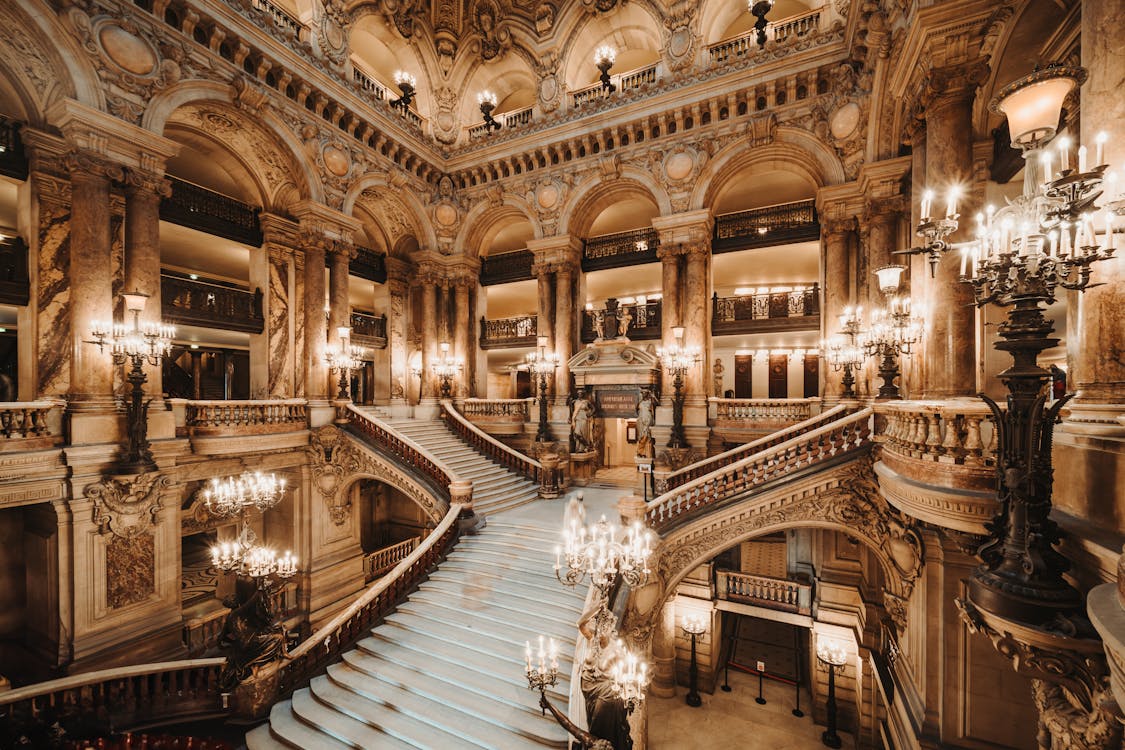 |
Home to the Paris Opera and one of the most well-known opera houses in the world as it was the setting for the 1910 novel “The Phantom of the Opera” by Gaston Leroux. Opéra Garnier, also referred to as Opera de Paris and Palais Garnier, was designed in Beaux style by Charles Garnier and opened in 1875. This magnificent structure containing a 2,013-seat auditorium is the definition of opulence with its grand staircase, grand foyer, artistic sculptures, dazzling chandeliers and ornate details. |
 |
The Catacombs of Paris is where human remains from various Paris cemeteries were relocated in the late 1700s. It is a maze of underground tunnels that used to be quarries that produced stone used to construct many of the buildings of Paris. The ossuary now containing more than six million Parisian corpses is a tourist attraction and part of the Carnavalet – History of Paris Museum. The underground cemetery was named after the Catacombs of Rome. This tour is not for the faint of heart! |
 |
The 110-acre final resting place is the largest cemetery in Paris and is the city’s first municipal and garden cemetery. Pere Lachaise Cemetery was established in 1804 and is named after King Louis XIV’s confessor Jesuit priest François de la Chaise. It contains three World War I memorials as well as the graves of musician Jim Morrison, writer Oscar Wilde, composer Frederic Chopin, novelist Honorede Balzac, decipherer Jean-François Champollion, writer Jean de La Fontaine, mime Marcel Marceau, actor Yves Montand and actress Simone Signoret. |
Parisian Festivals and Events in the Spring
Spring in Paris also means an exciting calendar of events. Whether you’re interested in music, art, or French cuisine, there’s always something happening during this time:
- Fête de la Musique (June): A nationwide music festival that brings live music to every corner of Paris, from grand concert halls to street corners.
- Paris Jazz Festival (May-July): Celebrate Paris’ love for jazz music in the beautiful Parc Floral de Paris.
- Paris Fashion Week (March-April): Fashion enthusiasts flock to Paris for the prestigious fashion shows and events showcasing the latest trends in haute couture.
Frequently Asked Questions
Q: When is the best time to visit Paris in the spring?
The best time to visit Paris in the spring is from April to May. The weather is mild and pleasant, with daytime temperatures averaging between 12°C (54°F) and 18°C (64°F). Spring flowers are in full bloom, and outdoor activities like walking tours, picnics, and boat rides along the Seine are particularly enjoyable.
Q: What should I pack for Paris in the spring?
For spring in Paris, it’s best to pack layers. Bring a light jacket or sweater for cooler mornings, comfortable walking shoes for exploring the city, and an umbrella or raincoat as spring showers are common. Don’t forget sunglasses and sunscreen to protect yourself from the occasional sunshine.
Q: What are the best parks to visit in Paris in the spring?
Some of the best parks in Paris to visit during the spring include the Luxembourg Gardens, Jardin des Tuileries, and Parc des Buttes-Chaumont. These parks are known for their beautiful flower displays, peaceful atmosphere, and scenic spots perfect for relaxation and picnics.
Q: Is the Eiffel Tower crowded in the spring?
The Eiffel Tower does attract large crowds year-round, but spring tends to be a slightly less busy time compared to the summer months. To avoid the crowds, it’s best to visit early in the morning or later in the evening, especially during weekdays. Booking tickets in advance is also a good idea to skip the lines.
Q: Can I enjoy a picnic in Paris in the spring?
Yes, Paris is famous for its picnic culture, and spring is the perfect season for it. You can pack a meal and enjoy a relaxing picnic in one of Paris’ beautiful parks, like the Jardin des Tuileries or Champ de Mars, right near the Eiffel Tower. It’s a quintessential Parisian experience!



There are no comments.