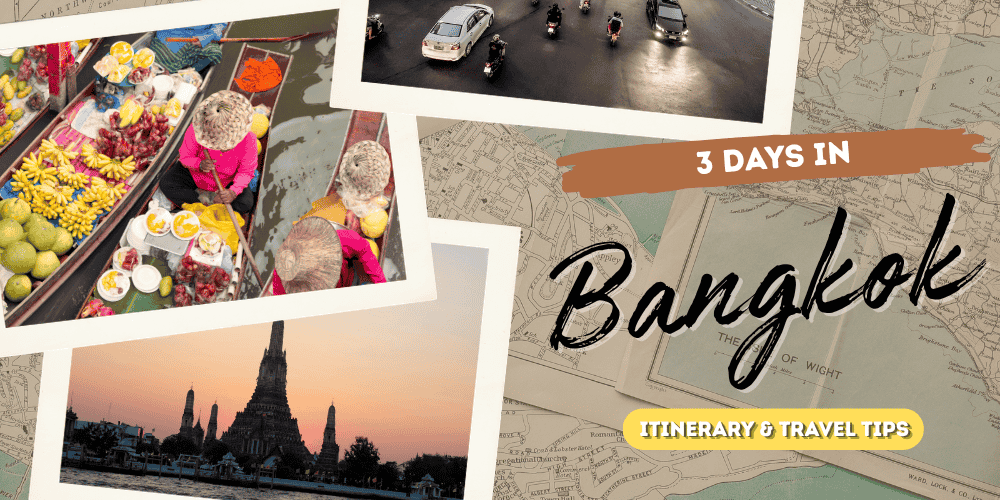

As Thailand’s bustling capital, Bangkok has long been one of Southeast Asia’s top tourist destinations. With its sacred temples, opulent palaces, and modern shopping malls, it truly caters to the needs of all kinds of travelers. If you are planning 3 days in Bangkok, you are in for a wild ride.
This is a city that overwhelms the senses, brimming with spicy aromas, neon lights, and temples. While three days certainly aren’t enough to see everything, a well-planned Bangkok 3-day itinerary will give you a solid taste of the city’s character. Whether you’re here for history, shopping, or street food, this guide will help you navigate the chaos like a local.
Table of Contents
Bangkok 3 Day Itinerary
Where to Stay in Bangkok
Where to Shop in Bangkok
Bangkok Transportation Guide
Bangkok 3 Day Itinerary
Is three days enough to explore Bangkok? Actually, with proper planning, you can visit the three major temples, explore the bustling markets, and shop at trendy malls. Here’s the three-day itinerary I’ve put together:
Day 1
Your first day should be all about the city’s roots. Most of the iconic landmarks are clustered along the Chao Phraya River in the “Old City.”
Morning 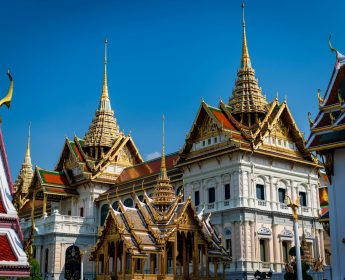
Head straight to The Grand Palace and Wat Phra Kaew; it’s best to leave before 9 a.m., as temperatures in Bangkok rise rapidly throughout the day. Please note that the dress code at the Grand Palace is very strict: you must wear long pants or a long skirt and cover your shoulders.
The complex is breathtaking. The Emerald Buddha sits inside, carved from a single block of jade. You’ll see intricate murals and gold-leafed stupas that shimmer so brightly.
The admission price for foreign visitors is 500 baht.
Afternoon 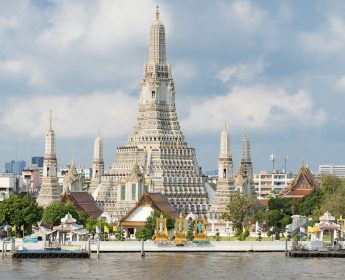
Not far from the Grand Palace is Wat Pho. This temple houses a 46-meter-long, gold-plated Buddha reclining in nirvana. Even the bottoms of the Buddha’s feet are impressive, inlaid with mother-of-pearl. Wat Pho is also the birthplace of traditional Thai massage. If your feet are already aching, this is the place to get a legitimate, firm massage from the students at the on-site school. Admission to Wat Pho is 300 baht per person
Across the river lies Wat Arun, which you can reach by taking a small river ferry from Wat Pho Pier. The temple’s exterior stands out for its unique design, covered in broken porcelain and seashells, giving it a white, textured appearance. If you’re up for it, you can climb the steep steps to enjoy the view of the river.
Admission costs between 100 and 200 baht.
Evening 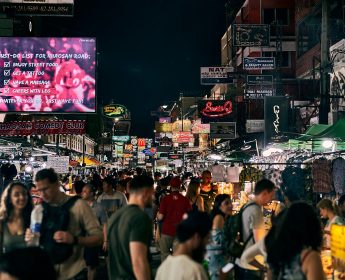
Once night falls, you have two options for your first night in Bangkok. If you enjoy a lively nightlife scene and affordable drinks, head to Khao San Road.
If you’re looking for a more peaceful and refined experience, book a dinner cruise on the Chao Phraya River. Seeing the temples illuminated on the water at night offers a completely different experience.
Day 2
On the first day, you’ve already seen the historic side of Bangkok; on the second day, you can explore the city’s modern center.
Morning 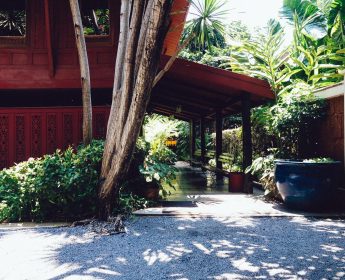
If you’re interested, the Jim Thompson House is a fascinating place to visit. It’s a tranquil oasis amidst the concrete jungle. Jim Thompson was an American who revitalized Thailand’s silk industry before mysteriously disappearing in the 1960s. His home is a beautiful collection of traditional teak houses surrounded by lush gardens. Admission here is 250 baht; for those under 21, it is 150 baht.
After that, take the BTS Skytrain to Siam Station, which is the heart of Bangkok’s shopping district. You can walk between Siam Paragon, Siam Center, and Siam Discovery via elevated walkways. Even if you aren’t a shopper, the food courts here are legendary. You can find everything from 50-baht noodles to Michelin-starred dumplings.
Afternoon
If you’re feeling tired, you can take a break at a café in the mall. Or head to Lumphini Park. You can rent a swan-shaped pedal boat on the lake for a leisurely ride.
Evening 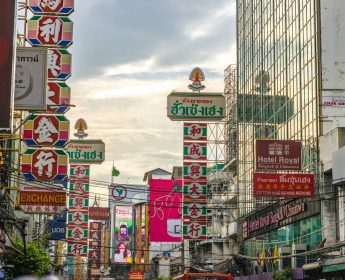
Head to Chinatown now to satisfy your taste buds—the air is filled with the aroma of toasted bread and seafood soup. Explore the night market to find your favorite flavors, and don’t miss the local specialty: slices of bread served with pandan sauce.
Day 3
Today is the last day of our 3-day in Bangkok Thailand trip. Let’s explore some of Bangkok’s local shops. It’s also a great time to pick up some souvenirs and gifts.
Morning
If your last day falls on a weekend, a visit to Chatuchak Weekend Market is a must. It’s one of the largest markets in the world, with over 15,000 stalls. You can find just about anything here: vintage clothing, ceramics, and all sorts of cute trinkets.
A quick tip: the market is like a maze, so if you see something you like, buy it right away; you’ll likely never find that stall again. Even if it’s not the weekend, Pratunam Market is still a popular local market. It features many street vendors and unique shops.
Afternoon
In the afternoon, take a leisurely stroll along the riverbank in the Talat Noi area. This area is full of street art and graffiti, and there are plenty of coffee shops where you can relax.
Evening 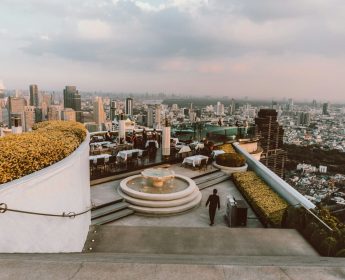
If you have time, I highly recommend visiting a rooftop bar. Looking down on Bangkok’s night skyline and watching the city lights twinkle is the perfect way to wrap up your Bangkok what to see in 3 days itinerary.
If you’re looking for a luxurious experience, the Tower Club at Lebua is the most famous option. Personally, I prefer the more relaxed atmosphere at Tichuca Rooftop Bar, which is also more affordable.
Where to Stay in Bangkok
Bangkok is a large city, so for most visitors, staying in the city center is the most convenient option. There are also hotels in a wide range of price points to choose from.
Luxury Hotels
If you’re looking for a luxurious and comfortable experience, Bangkok offers excellent value for money at its star-rated hotels.
- Mandarin Oriental, Bangkok: Located on the banks of the Chao Phraya River, this is Thailand’s first luxury hotel, having welcomed members of the royal family and renowned writers for over 140 years. The service is unparalleled, and their riverside terrace offers the best breakfast in the city.
- Dusit Thani Bangkok: Located directly across from Lumphini Park, the hotel has reopened following years of extensive renovations. As a luxury hotel based in Thailand, it offers direct access to the BTS and MRT, making it extremely convenient for travelers.
- Siam Kempinski Hotel Bangkok: This is a literal resort in the middle of a shopping district. It’s located right behind Siam Paragon. Some rooms have direct pool access, which is a dream when the humidity hits 90%. It’s perfect if you want to walk to the best malls in the city.
Budget Hotels
Even among budget hotels, these accommodations in Bangkok are clean, well-equipped, and exceptionally well-located.
- InterContinental Bangkok Sukhumvit by IHG: While the InterContinental brand is luxury, this specific location in Thonglor often offers incredible rates that lean toward the “attainable luxury” or mid-range budget. It’s in the trendiest part of town, surrounded by the best bars and cafes.
- Holiday Inn Express Bangkok Siam by IHG: If you’re looking for convenience and a great location, this is the place for you. It’s just a short walk from the National Stadium BTS station, and even better, Siam Center is right next door.
- Bangkok City Hotel: This is a classic choice for budget-conscious travelers. It’s located near the Ratchathewi BTS station, making it easy to get to the airport link or the shopping districts. It’s basic, but it’s clean, safe, and very affordable.
What to Eat in Bangkok
There’s no need to say much about how delicious Thai food is; whether you eat at a regular restaurant or a street food cart, you can’t go wrong.
Restaurants
- Thip Samai Pad Thai: Often called the best Pad Thai in the world. They wrap the noodles in a thin omelet. Expect a line, but it moves fast.
- Jeh O Chula: Famous for their “MAMA Tom Yum” noodles. This place went viral on social media, so you’ll need to arrive early or book via an app to get a table. It’s spicy, sour, and incredibly satisfying.
- Krua Apsorn: A favorite of the Thai Royal Family. Their crab omelet is legendary and much more affordable than the Michelin-starred street food stalls.
Night Markets
Night markets are undoubtedly a key part of Bangkok’s food culture.
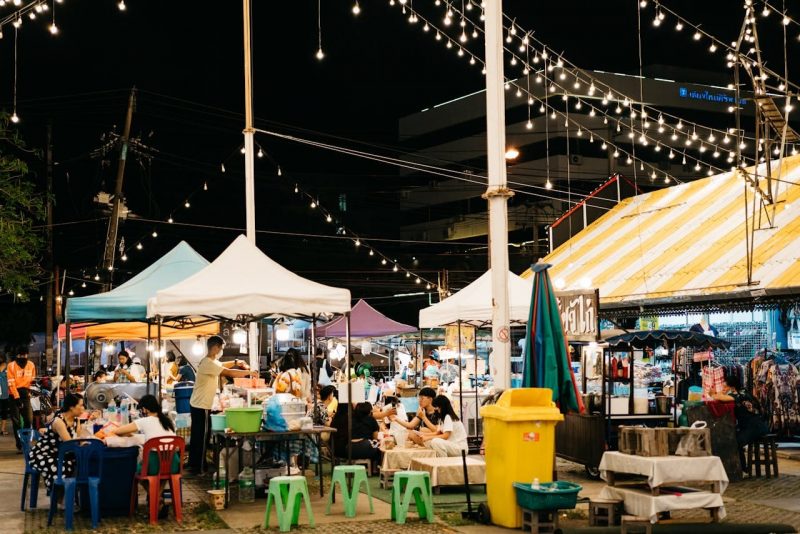
- Train Night Market DanNeramit: This is the “new” version of the famous Train Market. It’s clean, has a great vibe, and offers everything from grilled scallops to “volcano” pork ribs.
- Srinakarin Train Night Market: This one is further out but much bigger and more local. It’s a paradise for vintage lovers and foodies who want to escape the main tourist trail.
Where to Shop in Bangkok
Bangkok is arguably the shopping capital of Southeast Asia. You have two main options: high-end malls or bargain markets.
- MBK Center: The place for electronics, phone cases, and cheap souvenirs. It’s air-conditioned but feels like a market inside. Don’t forget to haggle here!
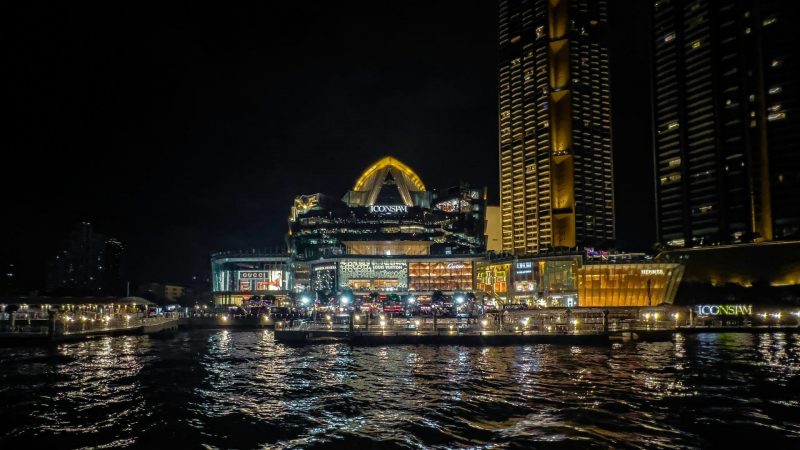
- Iconsiam: Located on the river, this is one of the most beautiful malls you’ll ever see. The ground floor has an indoor “floating market” (SookSiam) where you can buy regional food and crafts from all over Thailand.
- Platinum Fashion Mall: If you want clothes, go here. It’s a wholesale mall, meaning if you buy three items, the price drops significantly. It’s crowded and chaotic, but the deals are unbeatable.
- CentralWorld: This is one of the largest shopping complexes in the world. It’s more of a traditional mall with international brands like Zara and H&M, plus a massive cinema and ice rink.
Bangkok Transportation Guide
Traffic in Bangkok can be challenging, especially when traveling by car, as traffic jams are common. Fortunately, there are many transportation options available.
- BTS (Skytrain) and MRT (Subway): For tourists, this is the most convenient travel option. They are clean, air-conditioned, and fly over the traffic. Buy a “Rabbit Card” for the BTS to avoid standing in line for tickets every time.
- Tuk-Tuks: They are fun for a 10-minute thrill ride, but they are often more expensive than taxis. Always agree on the price before you get in.
- Grab and Bolt: These are the Uber of Southeast Asia. They are great because the price is fixed, and you don’t have to worry about the driver getting lost. Just be prepared for them to sit in traffic during rush hour between 4 PM and 7 PM.
- Chao Phraya Express Boat: Use the “Blue Flag” tourist boat for a flat fee to hop between temples, or use the “Orange Flag” boat (cheaper) to travel like a local.
FAQ
Is 3 days sufficient for Bangkok?
Yes, three days is plenty of time to visit the main historical sites and see the modern city.
What are some hidden gems in Thailand?
If you have more than 3 days, consider visiting Bang Krachao, known as Bangkok’s “Green Lung.” It’s an island in the river that prohibits high-rises. You can rent a bike and ride through jungle-like paths just minutes from the city center. Another gem is Talat Noi, one of the oldest neighborhoods in the city, filled with street art and hidden “scrap metal” alleys that are incredibly photogenic.
Which month not to visit Thailand?
I usually advise travelers to be cautious about September and October. This is the peak of the rainy season in Bangkok. While it doesn’t rain all day, when it does pour, the streets can flood quickly, and traffic becomes even more of a nightmare. The best months are typically November through February, when the weather is slightly cooler and drier.



There are no comments.