
As a traveler, I’m sure you’ve seen the news about natural disasters in Japan. On Monday, April 20, 2026, a powerful magnitude 7.4 earthquake struck off the coast of Iwate Prefecture in northern Japan. Within minutes, the Japan Meteorological Agency (JMA) issued tsunami warnings, and social media was flooded with videos of residents heading for higher ground.
Due to its unique geographical location, Japan experiences earthquakes throughout the year, but this powerful earthquake has led tourists around the world to ask the same question: Is it safe to travel to Japan now?
If you’ve already booked a trip to Japan or are currently there and worried about what might happen next, here’s detailed information about the earthquake and tsunami warnings in Japan, and what the current “megaquake” advisory really means for your trip.
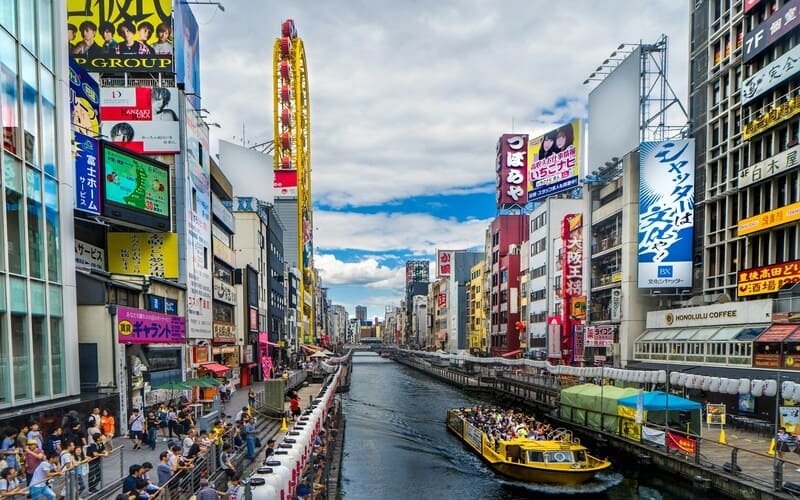
Table of Contents
Japan Earthquake and Tsunami Update
Is it Safe to Travel to Japan Now?
Japan Earthquake and Tsunami Update
Let’s take a look at the latest news on this earthquake:
- At approximately 4:53 PM local time on April 20, 2026, a massive tremor originated in the Pacific Ocean, about 100 kilometers off the Sanriku coast. While the U.S. Geological Survey initially clocked it at a 7.4 magnitude, some Japanese agencies measured it as high as 7.7.
- The shaking was intense enough to be felt all the way in Tokyo, hundreds of kilometers to the south, where high-rise buildings swayed for a minute or two. But what is truly worrying is the tsunami; the JMA immediately issued a tsunami warning for the Pacific coastlines of Aomori, Iwate, and parts of Hokkaido, predicting waves up to three meters (about 10 feet).
However, it appears that the worst-case scenario has not materialized, while an 80-centimeter (about 31-inch) wave hit Kuji Port in Iwate and smaller surges were recorded in Miyako and Hachinohe, the warnings have since been downgraded or lifted in most areas. However, the government has taken a rare step: they’ve issued a “subsequent earthquake advisory,” warning that there is a slightly higher risk of another major quake in the coming week.
Affected Areas
For those planning a trip to Japan, it will be crucial to know which areas have been affected and which destinations are safe to visit.
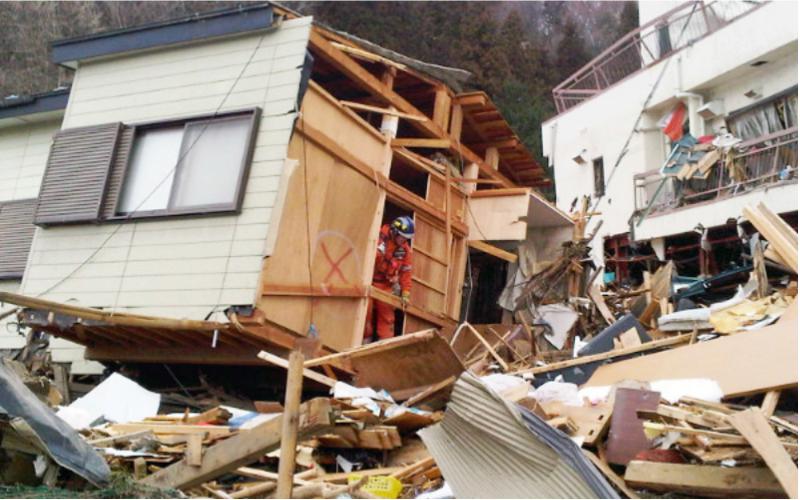
Northern Japan: Iwate, Aomori, and Miyagi experienced the strongest tremors during this earthquake, and following the quake, more than 170,000 people were ordered to evacuate immediately to higher ground. Therefore, if your travel plans include the Sanriku Coast or remote areas of eastern Hokkaido, please consider choosing other, safer destinations.
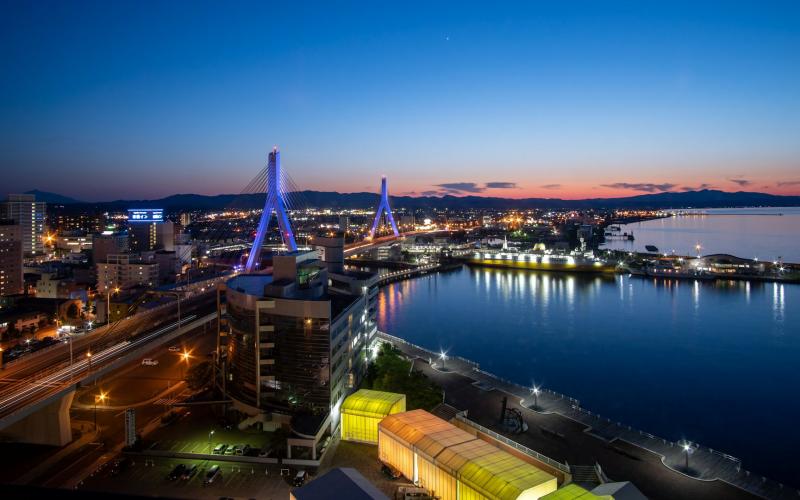
Central Japan: The earthquake was felt in Tokyo, Yokohama, and Chiba, but no damage to infrastructure or tourist attractions has been reported. Life here continues as usual.
Western Japan: Western cities such as Kyoto, Osaka, and Hiroshima were not affected by this earthquake. Since the epicenter was located in the northeast, there is no physical impact on tourists traveling to the Kansai region.
Affected Airports, Flights, & Transportation
The biggest nightmare when traveling is when flights are disrupted, and whether the local transportation system will still be running.
- Airports: Major hubs like Narita and Haneda in Tokyo are operating normally. In the north, New Chitose Airport (Sapporo) and Sendai Airport are also fully functional. While there were brief pauses to inspect runways immediately after the tremor, no major cancellations have been linked to the earthquake.
- Shinkansen (Bullet Trains): Japan’s bullet trains are famous for their safety sensors. The moment a quake is detected, the power cuts and the trains stop. There were some temporary delays on the Tohoku and Hokkaido Shinkansen lines for safety checks, but service has largely resumed.
- Local Transport: Some local JR lines in the northern coastal regions were suspended due to the tsunami advisory. If you’re planning to use local trains in Iwate or Aomori, you should check the JR East website for real-time updates.
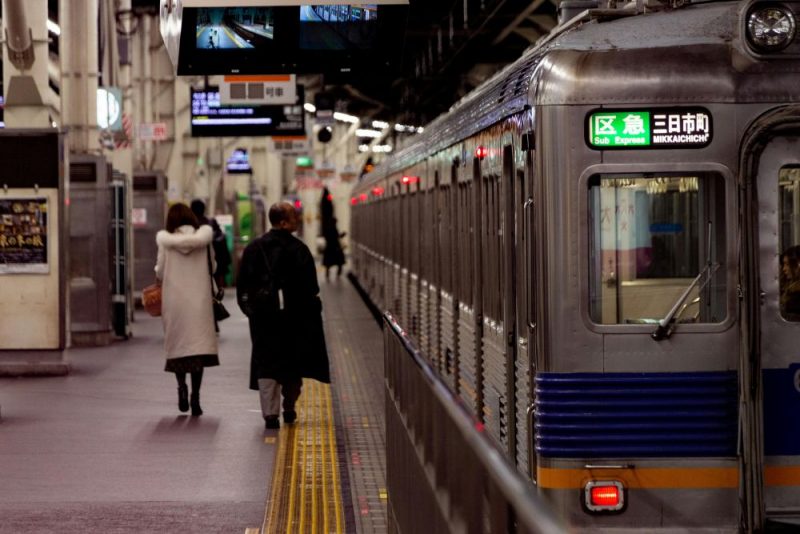
Is it Safe to Travel to Japan Now?
Yes, but only for destinations located far from the epicenter of this earthquake, such as Tokyo, Kyoto, or Osaka. Furthermore, because Japan is fully prepared for earthquakes and has the necessary infrastructure in place, structural collapses in modern buildings are rare.
The greatest danger would come from coastal areas during a tsunami warning. However, the JMA has also issued a Megaquake Advisory, with a 1% probability of occurrence. So if your destination is the East Coast, please think carefully and postpone your trip.
Current Travel Advisory
Before making a final decision, it is best to consult your government’s guidance.
- U.S. Embassy: They’ve issued a standard alert for the tsunami warning, advising citizens to stay away from beaches in the north. They haven’t told people to avoid Japan entirely, just to be “aware” and “prepared.”
- UK Foreign Office (FCDO): Their advice remains similar. They emphasize that Japan is in a major earthquake zone and that you should follow the instructions of local authorities.
- Australia/Canada: No major “Do Not Travel” warnings have been issued. The focus is entirely on the Pacific coast of the Tohoku region.
The general consensus regarding international travel advisories is that, as long as communication channels remain open and travelers avoid immediately evacuating the area, the risks associated with traveling to Japan are manageable.
What to Do If You’re in Japan Right Now
If you’re already in Japan, there’s no need to panic. Check this checklist to make sure you’re prepared for any eventuality.
- Download the “Safety Tips” App: Created by the Japan National Tourism Organization (JNTO), this app sends earthquake and tsunami alerts in English directly to your phone.
- Know Your “Higher Ground”: If you are staying in a coastal town in the north, look for the blue tsunami evacuation signs. They point toward hills or reinforced “tsunami towers.”
- Keep Your Passport and Power Bank with You: In the rare event of a power outage or evacuation, you want your ID and a way to charge your phone.
- Stay Away from the Water: Even if the waves look small, tsunami currents are incredibly powerful. If there is an active advisory, stay off the beach.
How to Obtain Official Information
During a crisis, misinformation is the biggest source of panic, so don’t trust random tweets. Please stick to these sources:
JMA (Japan Meteorological Agency): Their website (jma.go.jp) has an English version that provides the most accurate earthquake and tsunami data.
NHK World: Japan’s public broadcaster. They provide 24/7 English news and are the first to broadcast emergency alerts on TV and radio.
Japan Safe Travel (JST): A Twitter/X account (@JapanSafeTravel) managed by the Japan National Tourism Organization. They post updates specifically for foreign tourists.
FAQ
Is there a tsunami warning for Japan right now?
As of late Monday evening, April 20, 2026, many of the major tsunami warnings have been downgraded to advisories or lifted entirely. However, the JMA still advises people along the Sanriku coast to stay away from the shoreline as small sea-level changes may continue. Always check the JMA website for the latest minute-by-minute updates.
How far did the tsunami reach Japan?
The tsunami waves were largely confined to the northern Pacific coast. An 80cm wave reached Kuji Port, and waves around 40cm were recorded in Miyako and Urakawa. These waves did not travel inland like the devastating 2011 tsunami; they were mostly surges that stayed within the harbor and immediate shoreline areas.
Is it safe to travel to Japan right now due to an earthquake?
Yes, for the vast majority of the country. If you are traveling to Tokyo, Kyoto, Osaka, or Southern Japan, it is business as usual. If you are heading to the northeast (Tohoku), you should remain vigilant due to the “subsequent earthquake advisory” which remains in effect until April 27.






There are no comments.